
Adjusting AirPods for Small Ears: An Essential Guide
For anyone with smaller ear canals, the struggle to find comfortable, secure-fitting earbuds is real, and Apple's AirPods are no exception. While renowned for their seamless integration and sound quality, the
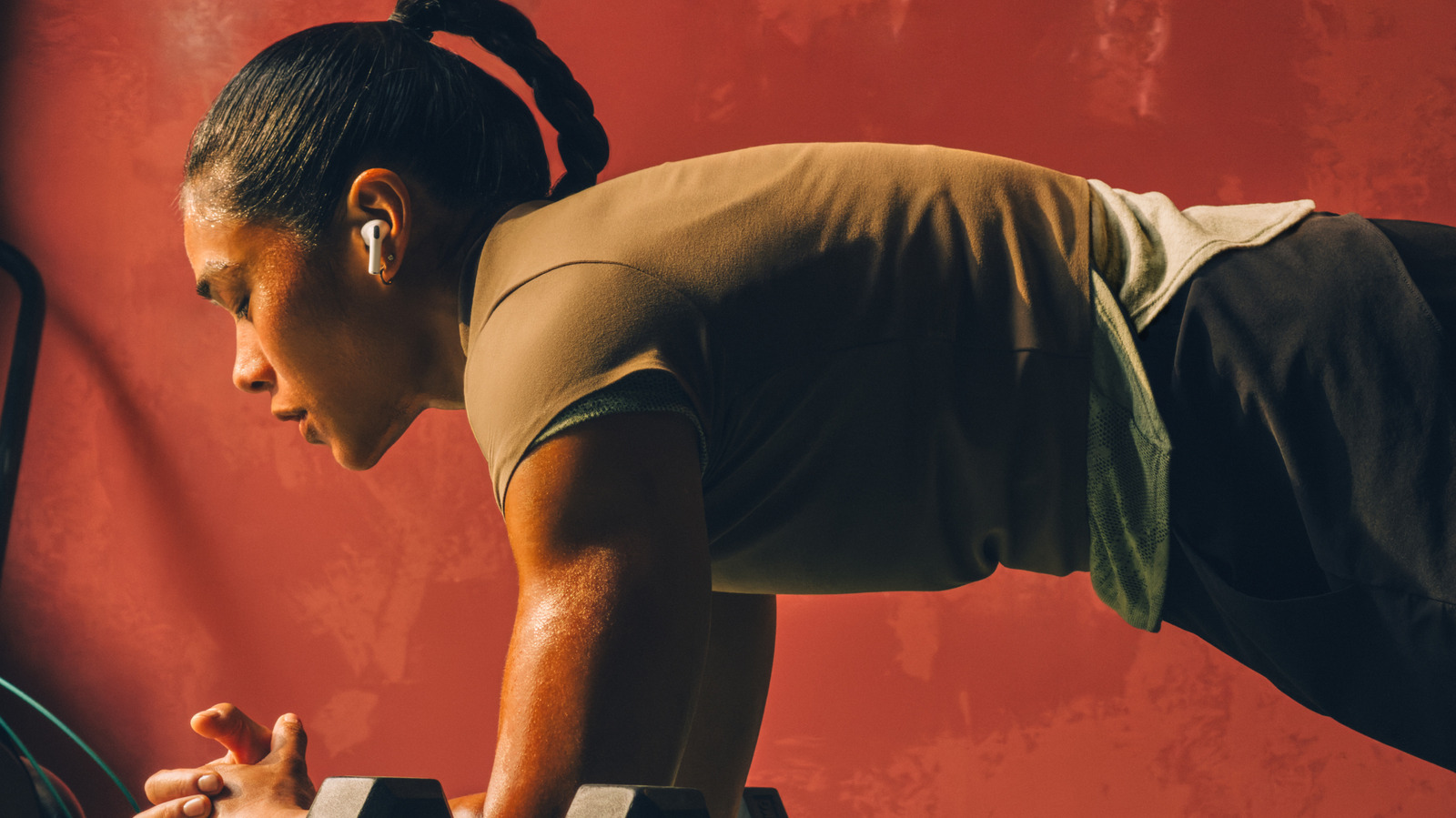
For anyone with smaller ear canals, the struggle to find comfortable, secure-fitting earbuds is real, and Apple's AirPods are no exception. While renowned for their seamless integration and sound quality, the 'one-size-fits-most' design of some AirPods models can leave users with small ears feeling left out. This detailed analysis dives into how well AirPods accommodate smaller ears and what solutions, both official and third-party, exist to improve your listening experience.
Quick Verdict/Summary: Adjusting Apple AirPods for small ears is a journey that often requires external accessories, especially for the standard AirPods. AirPods Pro models, with their included ear tips and advanced fit tests, offer a significantly better starting point and more effective solutions for achieving a secure, comfortable seal, which is crucial for optimal audio quality, bass, and noise cancellation. For those committed to AirPods despite smaller ear anatomy, the Pro lineup is unequivocally the superior choice.
Understanding the AirPods Lineup and Fit Challenges
Apple currently offers two primary types of AirPods that present different challenges and opportunities for users with small ears: the standard AirPods (like the AirPods 5 mentioned in the source) and the AirPods Pro line (including generations 1, 2, and 3). The fundamental difference lies in their design concerning the ear canal.
Standard AirPods, such as the AirPods 5, are designed as solid earbuds without interchangeable ear tips. Their fit relies solely on the shape of your outer ear. For individuals with smaller ear canals, this design often results in a loose fit, poor seal, and a higher propensity for the earbuds to fall out, particularly during physical activity. This design limitation directly impacts sound quality, reducing bass response and allowing more external noise to intrude, effectively compromising the listening experience.
In contrast, the AirPods Pro models are in-ear earbuds that come with silicone ear tips. These tips are designed to create a seal within the ear canal, which is paramount for active noise cancellation (ANC), rich bass, and overall audio fidelity. The key advantage of the Pro series for small ears is the inclusion of multiple ear tip sizes, allowing for a more customized fit.
User Experience: Tailoring Your AirPods Fit
Standard AirPods (e.g., AirPods 5): Limited Solutions
With standard AirPods, the user experience for those with small ears is inherently constrained. The primary method of adjustment involves physically pushing them into your ears and rotating the stem towards your face until they feel somewhat secure. However, without ear tips to create a seal, this often proves insufficient for small ear canals. For many, a tight, comfortable fit remains elusive.
To address this, users often turn to third-party accessories. Ear hooks, which loop around the outside of the ear to hold the AirPods in place, are a popular option. Manufacturers like KeyBudz and AhaStyle offer these hooks, typically costing between $10 and $15. While these hooks can prevent the AirPods from falling out, they don't solve the issue of a poor seal within the ear canal, meaning audio quality and bass response may still be compromised. For the best audio experience, standard AirPods are generally not recommended for small ears if a secure, sealed fit is a priority.
AirPods Pro: A More Adaptable Experience
The AirPods Pro models offer a significantly more user-friendly experience for those needing to adjust for smaller ears. They ship with a range of silicone ear tips, with the latest AirPods Pro 3 offering the widest selection from XXS to L. This increased variety is a direct response to diverse ear anatomies and is a major win for small-eared users.
Changing Ear Tips: The process is straightforward: firmly pull the current tip away from the oval connector until it snaps off, then align the new tip and push until it clicks into place. A crucial tip, often overlooked, is that your two ears may not be identical. It's perfectly normal to require a different size tip for each ear (e.g., an XS in one ear and an S in the other) to achieve the best seal.
Apple's Ear Tip Test: To ensure you've selected the optimal tips, Apple provides a built-in Acoustic Seal Test (or Ear Tip Fit Test for earlier Pro generations). This feature guides you through the process: with your AirPods Pro in, navigate to Settings > [Your AirPods] > Test Acoustic Seal (or Ear Tip Fit Test), tap Continue, then Play. The test plays a short piece of music and provides feedback, indicating a 'Good Seal' or prompting you to 'Adjust' or 'Try a Different Size.' This invaluable tool takes the guesswork out of finding the right fit, directly impacting audio performance and noise cancellation.
Third-Party Foam Ear Tips: While AirPods Pro models include silicone tips, some users find foam ear tips offer an even better, more comfortable seal, especially for smaller or irregularly shaped ear canals. Foam tips work by being compressed before insertion; once in the ear, they gently expand with body heat to mold precisely to the ear canal's shape. This often results in a superior seal, enhancing bass and noise isolation.
Brands like Comply and Foam Masters offer these for AirPods Pro, typically priced between $25 and $30 per set. However, a critical consideration is compatibility: Apple redesigned the ear tip connector for the AirPods Pro 3, so ensure any third-party foam tips are specifically designed for your AirPods Pro generation. The main drawback of foam tips is their durability; they generally need to be replaced more frequently than silicone tips.
Pros and Cons of AirPods Fit for Small Ears
Pros:
- AirPods Pro Adaptability: Multiple silicone ear tip sizes (up to XXS for Pro 3) significantly improve the chances of finding a secure and comfortable fit for small ears.
- Guided Fit Test: Apple's Acoustic Seal Test removes guesswork, helping users optimize their fit for sound quality and ANC.
- Enhanced Audio: A proper seal with AirPods Pro leads to significantly better bass, overall music playback, and effective noise cancellation.
- Third-Party Solutions: Ear hooks for standard AirPods prevent falling out, and foam tips for AirPods Pro offer an alternative for superior comfort and seal.
Cons:
- Standard AirPods Limitations: The AirPods 5 and similar models offer virtually no intrinsic adjustability for small ears, often resulting in a loose fit and poor sound.
- Reliance on Accessories: Achieving a good fit for standard AirPods usually requires additional purchase of third-party ear hooks, which don't address the in-ear seal.
- Foam Tip Maintenance: While effective, foam ear tips require more frequent replacement, adding to long-term costs.
- Compatibility Issues: Third-party accessory compatibility can be an issue, especially with new AirPods Pro generations that feature redesigned connectors.
- Added Cost: External accessories, whether hooks or foam tips, represent an additional expenditure on top of already premium-priced earbuds.
Buying Recommendation
For users with small ears contemplating Apple AirPods, the recommendation is clear: opt for AirPods Pro. The standard AirPods (like AirPods 5) are fundamentally ill-suited for achieving a proper, comfortable seal in smaller ear canals due to their fixed design. While third-party ear hooks can keep them from falling out, they do little to improve audio fidelity or noise isolation.
AirPods Pro models, especially the latest generation with its XXS ear tip option and the integrated Acoustic Seal Test, provide the most robust and user-friendly solution for small ears within the Apple ecosystem. The ability to customize ear tip sizes and verify the seal makes a significant difference in comfort, stability, sound quality, and the effectiveness of active noise cancellation.
If you already own standard AirPods and struggle with the fit, consider the upgrade to AirPods Pro. If an upgrade isn't feasible, third-party ear hooks are your best bet for security, but temper expectations regarding sound quality and noise isolation.
FAQ
Q: Will AirPods Pro definitely fit my small ears? A: AirPods Pro offer a much higher chance of fitting small ears compared to standard AirPods, thanks to their interchangeable silicone ear tips, including very small sizes (XXS, XS, S). The included Acoustic Seal Test also helps you confirm the best fit for your unique ear anatomy.
Q: Are third-party foam ear tips worth the investment for AirPods Pro? A: For many users with small ears or those who find silicone tips uncomfortable, foam ear tips from reputable brands like Comply or Foam Masters can significantly improve comfort and seal, leading to better sound and noise cancellation. However, they need to be replaced more frequently and require careful selection to ensure compatibility with your specific AirPods Pro generation.
Q: Can I improve the fit of my standard AirPods (without tips) for small ears? A: For standard AirPods, your options are limited. The primary solution is to use third-party ear hooks that loop around your outer ear to hold the earbuds in place. While these can prevent the AirPods from falling out, they typically do not create a seal within the ear canal, so improvements to bass response or noise isolation will be minimal.
Related articles

Gemini Memory Summary: Essential User Control
Google Gemini, like many advanced AI systems, aims to personalize your interactions by remembering details about you. While this can enhance your experience, it also brings up natural privacy concerns regarding what

analysis: Jensen Huang’s Resignation From Nvidia Could Complicate
Jensen Huang's resignation as Nvidia CEO amid personal misconduct raises significant questions about the future of the Jen-hsun & Lori Huang Foundation. The $9 billion charitable entity, co-founded by Huang and his wife, Lori, faces an uncertain path as the tech mogul departs the company he led for 33 years.

Android XR Smartglasses: Display-less Specs Redefine AI Wearables
For years, I've approached smartglasses without integrated displays with a healthy dose of skepticism. My thinking was simple: if I can't see augmented reality overlays or discrete notifications right in my line of

CNET's Wordle #1972 Guide: A Solid Daily Puzzle Companion
Quick Verdict CNET's daily offering of Wordle hints, answers, and strategic help for puzzle #1972 is a robust and reliable resource for both casual players and those seeking to refine their game. While the concept of a

AI-Powered "Microduck" Butler Signals Robotics' Future
WIRED Senior Writer Will Knight has unveiled a novel AI-powered "Microduck" robot, developed with an OpenAI model, designed to be a cat butler. This small, duck-like automaton represents a significant step in robotics, showcasing how advanced AI can be used to train specialized robots, potentially through virtual simulations, for practical and interactive roles in everyday life. The project highlights a future where AI-driven training simplifies robot development and expands their integration into our homes.

Pixel's Android Auto Gemini AI: A Proactive Leap Rivaling Siri
Pixel's Android Auto Gemini Intelligence: A Proactive Leap Rivaling Siri Quick Verdict: The latest Android Auto update brings Google's advanced Gemini Intelligence to eligible Pixel users, delivering a profoundly