7 results found
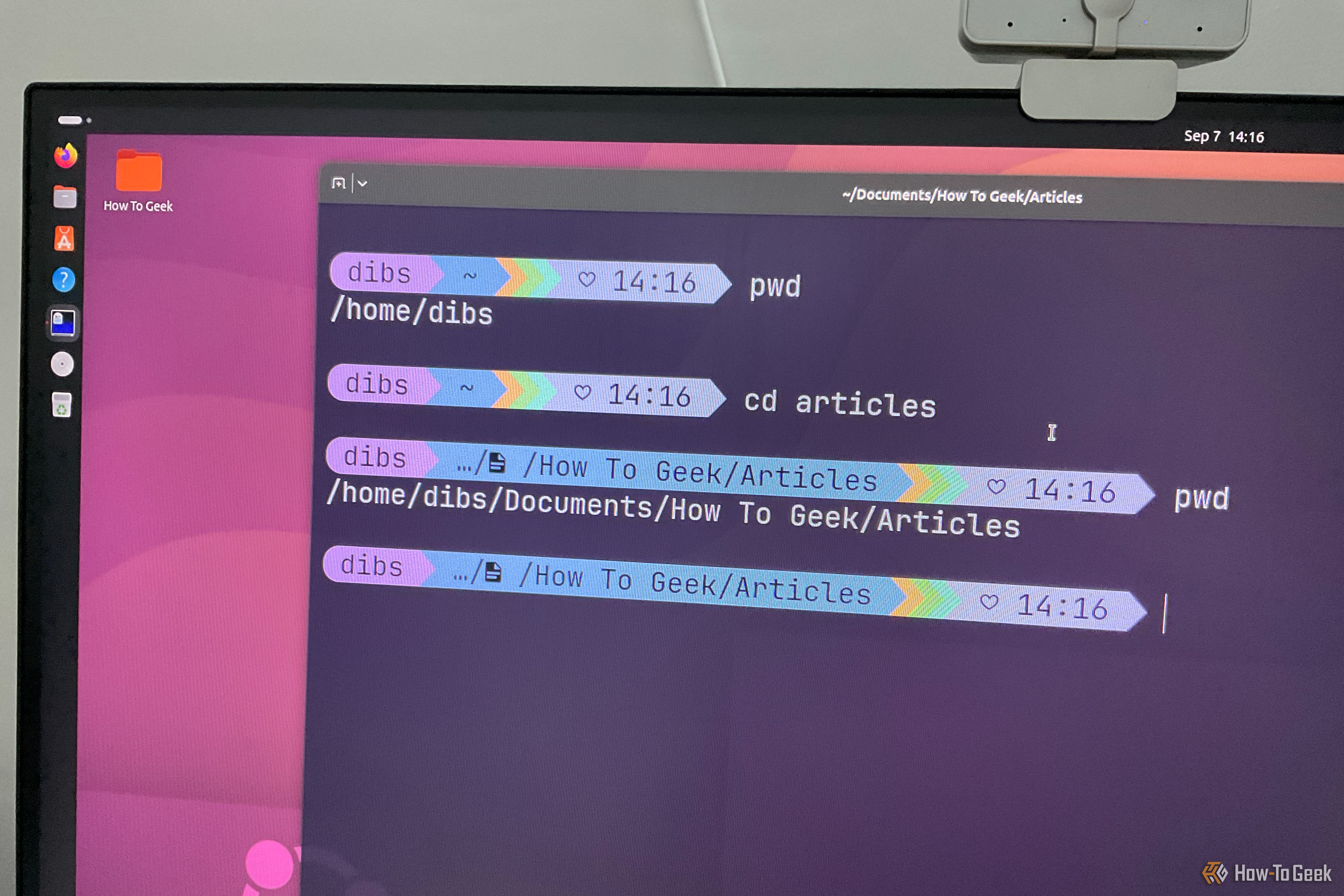
Master directory navigation in Linux by replacing the traditional 'cd' command with 'zoxide', an intelligent, 'frecency'-based tool that learns your habits for quicker jumps.

Dive into low-level graphics with C by building a software renderer from scratch, moving beyond terminal applications to gain a deep understanding of CPU architecture, memory management, and game engine foundations. This hands-on approach, utilizing the cross-platform SDL3 library, teaches direct pixel manipulation, custom frame buffer management, event handling, and frame rate control. The course culminates in rendering effects like the iconic Doom fire using only CPU instructions, offering invaluable practical experience for any developer.

Meta has released Muse Code (beta), a terminal coding agent powered by their new Muse Spark 1.2 model. Muse Code handles complex software engineering tasks, featuring persistent background agents and a robust, restart-safe runtime. Muse Spark 1.2, a coding-focused LLM, shows significant improvements in code generation and complex debugging through expanded training and a self-improvement loop.

'The Library' mission in *Halo: Campaign Evolved* is a notorious gauntlet against the Flood, but it also hides three game-changing skulls and a crucial lore terminal. This guide helps you navigate the relentless combat to unearth the Tilt, Pop, and Famine Skulls, as well as the Tangent III Terminal. Collecting these items enhances gameplay and deepens your understanding of the Halo universe's rich history.

ANSI escape codes, a standard nearly 50 years old, are the simple yet powerful backbone behind almost all modern terminal UIs, enabling everything from bold text and colors to interactive progress bars and full-screen applications. Understanding their basic structure – starting with the Escape character and followed by a Control Sequence Introducer – reveals how terminals interpret commands for text formatting, cursor control, and advanced coloring. These codes have adapted with modern libraries and continue to be a fundamental and enduring technology for developers.

This article guides developers through building Command Line Interface (CLI) tools with Dart. It covers the fundamental anatomy of CLI commands, Dart's core mechanisms for processing terminal input, and essential `dart:io` concepts like `stdout`, `stderr`, exit codes, file operations, and running external processes. The piece also introduces the `args` package for streamlined argument parsing, empowering developers to create robust, automatable, and publishable developer tools.
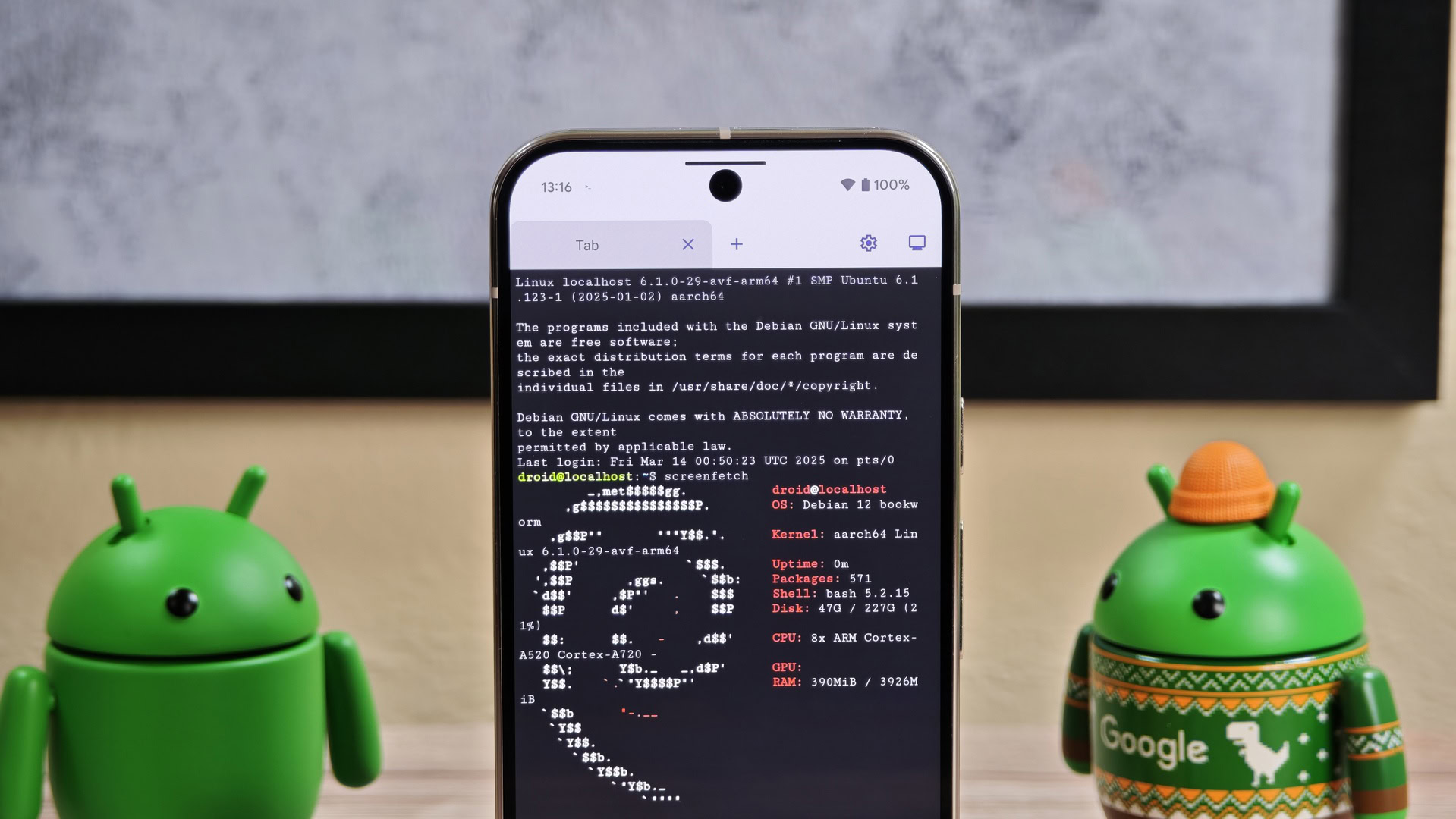
Android's built-in Linux Terminal is gaining powerful new resolution controls in Android 17, letting users sacrifice visual quality for max performance when running graphical Linux apps and games. It’s a significant upgrade for enthusiasts but comes with trade-offs.
