85 results found
Googlebook's app strategy prioritizes web apps over native Android apps for key services like Gmail and Docs, despite its Android-based foundation. This creates a restrictive user experience, especially on touchscreens, undermining a core selling point.

Netflix is ending major production deals with acclaimed directors like David Fincher and Shawn Levy, signaling a shift away from high-budget prestige films. This pivot aims to prioritize more cost-effective episodic content, reality shows, and live events to better retain subscribers amidst fierce streaming competition.

_Star Wars: Galactic Racer_ arrives October 6, promising a thrilling arcade racing experience with roguelike elements. Developed by ex-_Burnout_ devs, it represents a welcome shift towards genre diversity in Star Wars gaming, following the tactical strategy title _Zero Company_. Fans can expect high-speed thrills and strategic depth on iconic planets.

Meta unveiled the Muse Charm, a Tamagotchi-like wearable for its Muse AI agent, at the Connect event. The palm-sized device, featuring a digital avatar named Jolly, offers users a direct and quick way to interact with the AI via voice and a fingerprint sensor, shipping by December 2026. It represents Meta's strategy to expand AI distribution and experiment with dedicated AI hardware.

Xbox's ongoing "reset" brings another wave of devastating layoffs and major studio reshuffles, including Halo moving to Activision Blizzard and other beloved teams merging or facing closure. The gaming community reacts with frustration and disbelief, questioning Xbox's strategy amidst high-profile project announcements.

Seattle-based Truelist, founded by former Zillow VP Carey Armstrong, has been acquired by San Francisco's Mainstay as part of an $18 million funding round. The deal expands Mainstay's AI real estate tools to a broader market, with Armstrong joining as Chief Strategy Officer.

Waymo, an Alphabet-owned company, has announced its plans to launch a commercial robotaxi service in Singapore by 2028. This move follows an aggressive international expansion strategy, with vehicles arriving soon for mapping and testing in 2027. The deployment is contingent on regulatory approval from Singapore's Land Transport Authority, leveraging the city-state's progressive autonomous vehicle ecosystem.
The OEMpocalypse strategy offers a novel approach to rooting Android devices from an unprivileged app by targeting OEM-specific code. It bypasses generic Linux and chipset driver complexities, aiming for a stable page Use-After-Free (UAF) primitive in OEM kernel drivers, often after an initial sandbox escape through OEM IPC handlers. This method prioritizes reliability and portability across an OEM's lineup, accepting the trade-off of per-OEM exploitation.

Blizzard Entertainment announced a new StarCraft game, an open-world shooter, set to release in 2030. Unveiled at BlizzCon by VP Dan Hay, this marks the series' return after over a decade and a significant genre shift from its real-time strategy roots. The cinematic trailer showcased a gritty human-Zerg conflict, with many fans hoping for a traditional RTS follow-up.

MS NOW is launching a new strategy, led by President Rebecca Kutler, to transform its television and online viewers into a dedicated fan community. This initiative aims to deepen audience engagement, starting with interactive sessions like chatting with anchor Rachel Maddow. The move reflects a broader trend in media to foster stronger connections with audiences.

Longtime Apple executive Phil Schiller's decision to step down from his leadership role over the App Store was reportedly fueled by unease regarding new CEO John Ternus and services chief Eddy Cue's plans to boost the

Sony's traditional silent approach to PR is facing a strong challenge from an increasingly vocal fanbase, frustrated by the shift to digital-only games and perceived mishandling of live-service titles. While the recent State of Play delivered some good content, it couldn't drown out protests, prompting questions about the long-term viability of Sony's "impassive mask" strategy. Even *GTA 6* might not be enough to quell the widespread discontent.

Silicon Valley is experiencing a "Hot Girl Renaissance," a cultural shift challenging traditional dating stereotypes in San Francisco. This trend, highlighted by the "San Francisco's Hot List" from dating app Known, emphasizes charisma and holistic "dateability." It's also seen as a new marketing strategy, where personal appeal is becoming as crucial as technical innovation.

Meta is offering a significant 95% discount on its new Muse Spark AI model for users who agree to share their prompts and outputs for future model training. This strategy aims to gather crucial data for improving agentic AI tools, following the company's past data acquisition challenges. The move also intensifies competition among AI developers, introducing a new value exchange for user data.

Brian Ward, CEO of Saudi Arabia's $38 billion Savvy Games Group, is stepping down, with PIF Governor Turqi Alnowaiser taking over. Savvy owns major mobile companies like Niantic (*Pokémon Go*) and Scopely, and is acquiring Moonton Games. This shift highlights Saudi Arabia's deep dive into gaming, including the separate $55 billion EA acquisition, raising questions about strategy and the industry's future.

Ananta, an upcoming free-to-play open-world action game, is banking on a unique monetization strategy. Developers Naked Rain are openly designing the game to foster deep emotional attachments between players and its characters, hoping this bond will drive cosmetic microtransaction sales. It's a bold move that hinges on exceptional character development to overcome player resistance to F2P spending.

Learn about Krafton's five new game announcements and their global franchise plans revealed at Gamescom 2026, covering diverse genres and innovative gameplay.

Chinese AI and chip firms are implementing broad equity and cash incentives to retain engineers, countering fierce domestic competition and geopolitical pressures. Companies like Cambricon offer shares to over 85% of staff, while ByteDance and Tencent provide significant pay increases for AI talent. This approach contrasts sharply with the US's cash-first strategy and Europe's long-term training initiatives.

Starbucks has cut an additional 224 jobs at its Seattle headquarters, impacting tech and store development roles, as its corporate restructuring nears completion. These cuts bring the total Seattle reductions to 537 this year, part of CEO Brian Niccol's broader turnaround strategy aiming for $2 billion in cost savings.

Quick Verdict Samsung is reportedly gearing up for an incredibly aggressive and expansive foldable strategy in 2027, with plans to introduce no fewer than five new models. This ambitious move signals a significant

This blog post advocates for developers to write about topics they don't fully understand yet as a powerful learning strategy. By arguing a specific point, engaging in iterative writing, and leveraging feedback, developers can deepen their comprehension and foster clearer thinking. It addresses concerns about authority by emphasizing the value of a beginner's perspective and transparency.

The Trump administration has launched a new program allowing private firms to conduct international cyberattacks against foreign criminal networks under federal oversight. This marks a significant shift in U.S. cybersecurity strategy, aiming to leverage private sector capabilities. Experts, however, express concerns about the difficulty in identifying targets, the legal risks for operators, and the potential for collateral damage to innocent infrastructure.

OpenAI-backed Thrive Holdings secured $2 billion at a $12 billion valuation to expand its enterprise AI integration strategy. The firm acquires traditional businesses, infusing AI into their operations, and plans to extend its proven model beyond accounting and IT into regulatory services for physical assets. This major funding round highlights a growing trend of hands-on AI deployment in the enterprise.
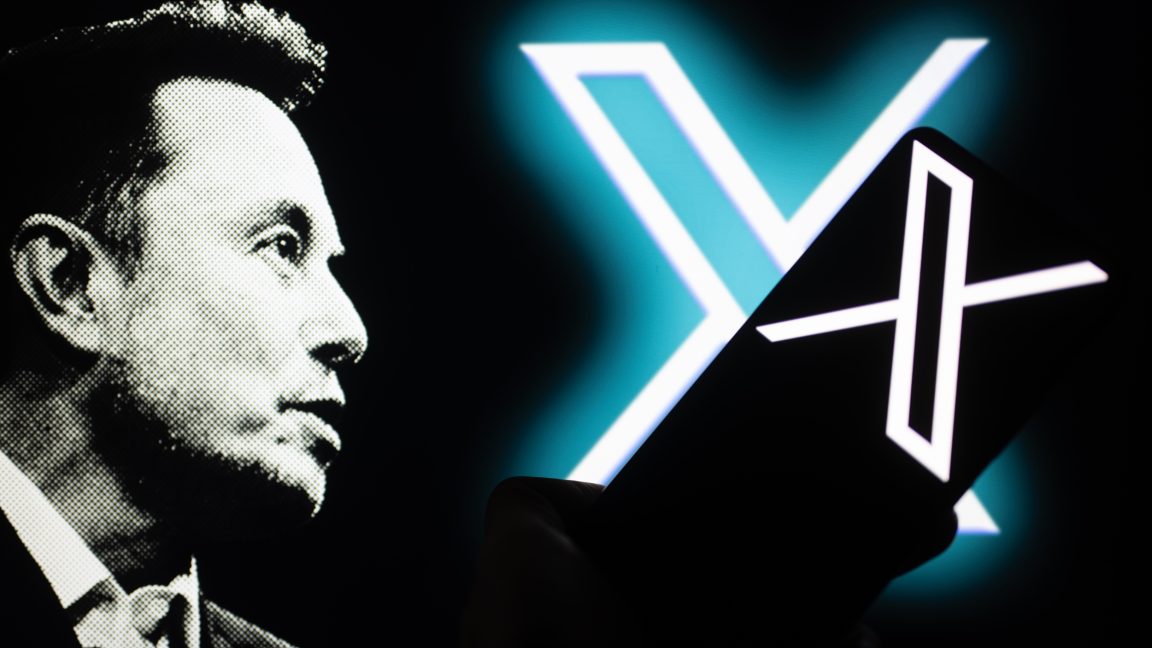
X's Legal Gambit: A High-Stakes Battle for Advertising Revenue Verdict: X, under Elon Musk, is pursuing an aggressive and highly unconventional legal strategy against advertisers, attempting to revive a lawsuit alleging
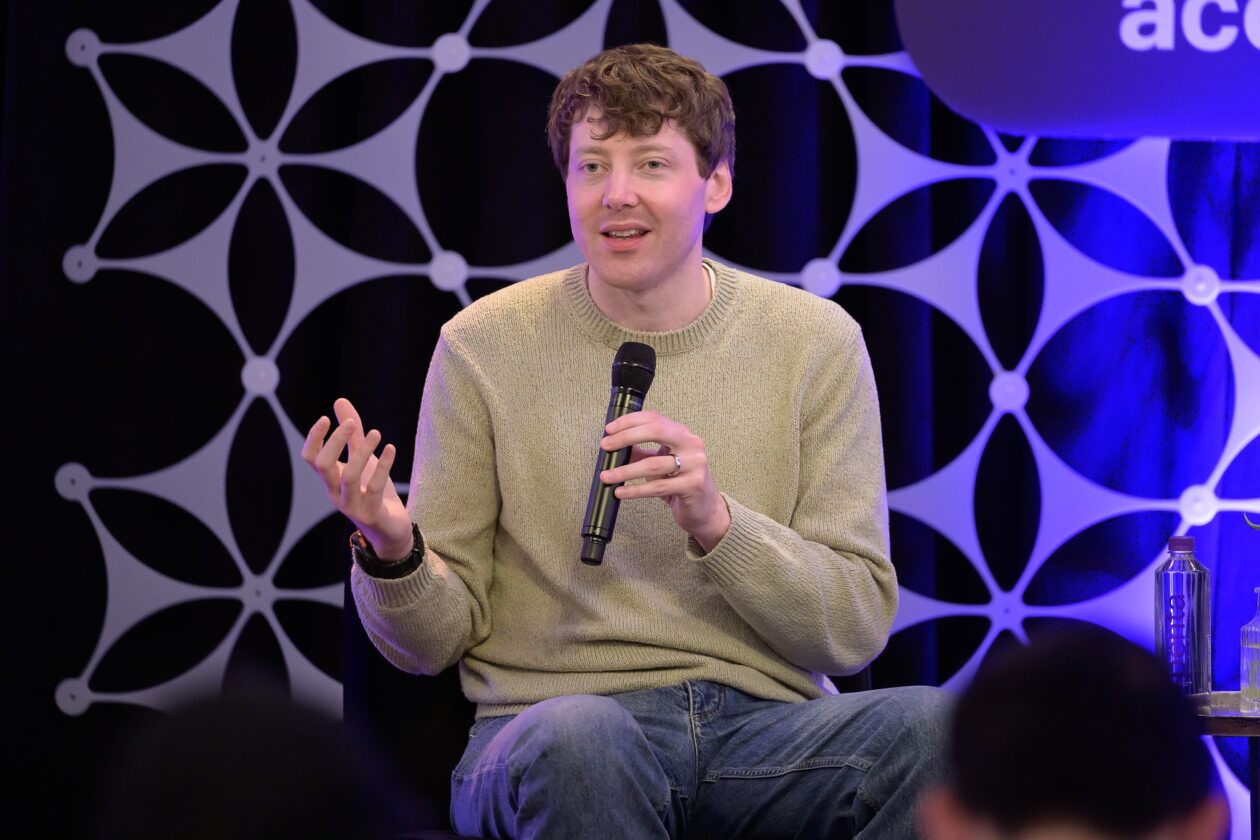
Microsoft is poised to launch its "Copilot Super App," a transformative move led by EVP Charles Lamanna, aimed at unifying the company's diverse AI offerings. This initiative seeks to establish Copilot as the central interface for all Microsoft services, addressing prior fragmentation and redefining user interaction with the tech giant's ecosystem. The strategy includes deep integration of core franchises and a shift towards usage-based pricing for AI services, signaling Microsoft's ambition to become the "Copilot company."
