20 results found
Galaxy Watch 8, Watch Ultra, and Watch 7 are receiving a new One UI 9 Watch beta build with bug fixes and a security patch. Active development signals progress, but a stable release date remains elusive.

Microsoft's October 2026 Windows update delivers a critical security overhaul, patching over 1,400 vulnerabilities including two zero-days, one already exploited. It's essential for all users, especially with several Windows 11 versions reaching end of support.
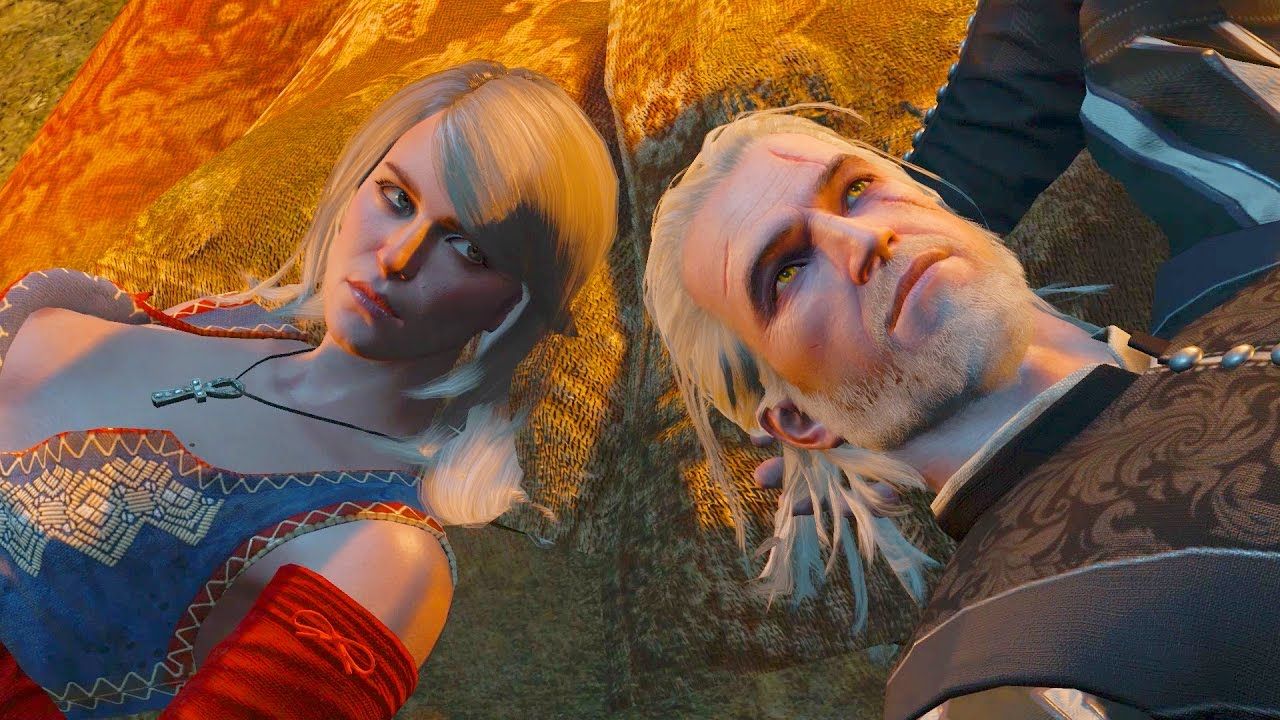
Geralt's World Shines Brighter: Witcher 3 Remastered Gets Key Visual Patch Ah, The Witcher 3: Wild Hunt. A game that, even years after its initial release, still holds a revered spot in the hearts of RPG fanatics
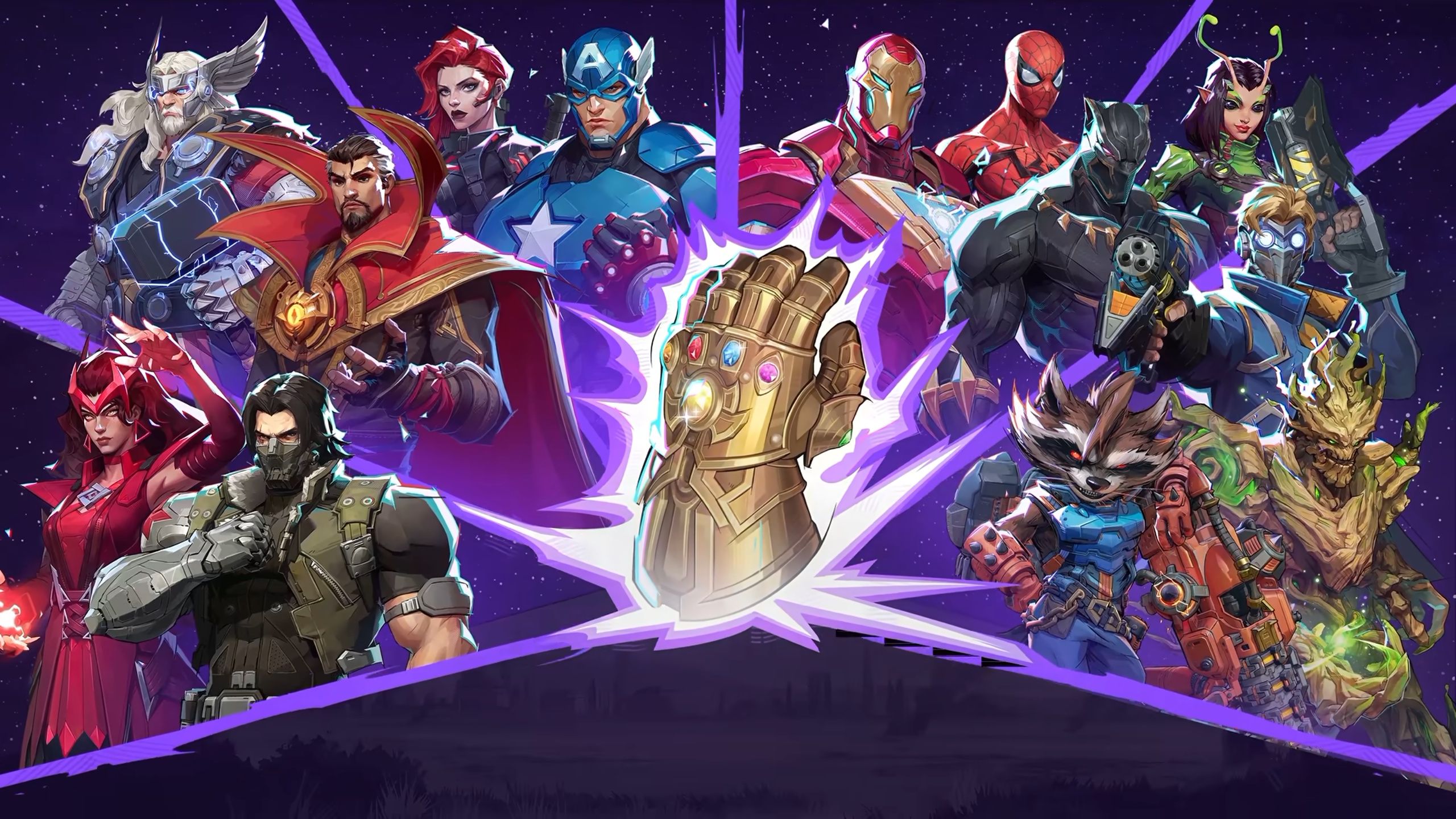
Get ready, Rivals! The clock is ticking down fast to the Marvel Rivals Season 10.5 mid-season update, and NetEase is really shaking things up. Forget what you thought you knew about mid-season patches; while there isn't

AI is rapidly changing the game for software security, shrinking the window between vulnerability discovery and exploitation. This necessitates a shift from traditional patching based solely on severity scores to a more context-aware approach called exposure management. Developers need to understand how AI accelerates threats and learn to prioritize real risks by analyzing code reachability, dependency trees, and leveraging SBOMs, alongside implementing practical compensating controls and least privilege principles.

Google has unveiled Gemini 3.8 Flash, a powerful AI model for agentic tasks, software development, and multi-step reasoning. Alongside it, Gemini 3.8 Flash Cyber focuses on autonomous vulnerability detection and patching, offering critical advancements for cybersecurity defenders.
Marvel Tokon: Fighting Souls has redefined the tag fighter genre with its fresh look, new developer, and innovative fighting system. Drawing comparisons to the legendary Marvel Vs. Capcom series, it not only lives up to expectations but actively raises the bar, proving Marvel still dominates this arena. Launching on PC and PS5, the game achieved impressive sales figures in its first week, demonstrating its broad appeal despite early technical refinements addressed by a swift PC patch.
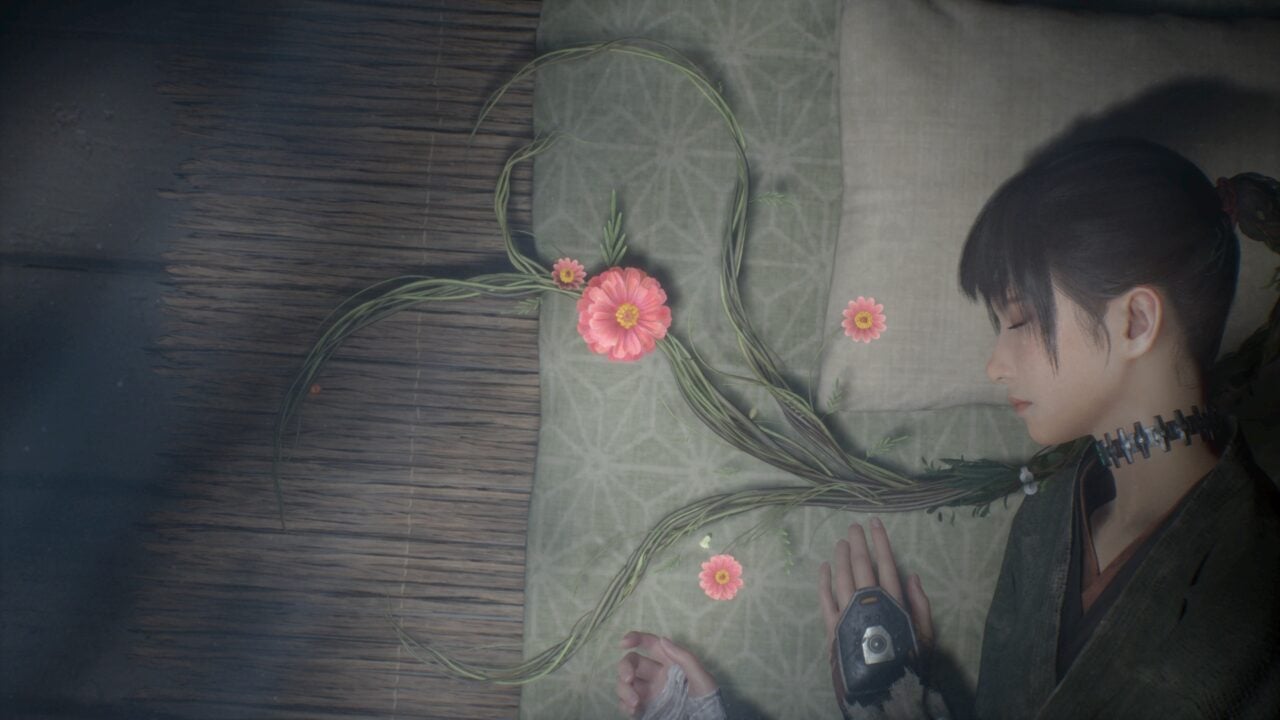
Game Freak is releasing a series of continuous updates for their new Soulslike, *Beast of Reincarnation*, addressing player feedback. The first patch, coming this week, will increase text size, adjust the camera, fix bugs, and change the default graphics mode to performance. These changes respond to early player concerns and Kotaku's review, aiming to help the game reach its full potential.

Alright, gamers, gather 'round! Your favorite tech journalists are back with the latest intel from the Pacific Northwest's bustling digital hub. Forget your next major game update; we're talking about the real-world

Microsoft's July Patch Tuesday delivers a record 570 security fixes, including two actively exploited zero-days. This critical update, also bringing UI improvements, is mandatory for most Windows users, with a temporary hold for specific Dell models.
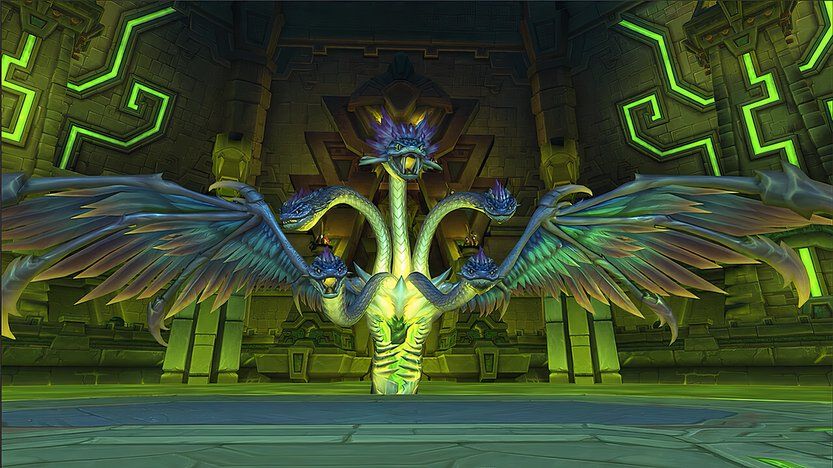
WoW 12.1: Curse of Ula'tek Unleashes a Monster Update for Midnight Alright, champions of Azeroth, gather 'round! The first major patch for World of Warcraft's Midnight expansion is on the horizon, and from the early PTR

Security researcher Chaotic Eclipse has publicly released "RoguePlanet," a seventh Windows zero-day exploit, just hours after Microsoft's record-breaking June Patch Tuesday. This vulnerability grants SYSTEM privileges on fully patched Windows 10 and 11 systems, deepening a dispute with Microsoft over previous disclosures. The exploit leverages a race condition in Windows Defender.

Google and the FBI have issued a joint warning about the Silent Ransom Group, a cybercriminal gang now dispatching fake IT workers to victims' offices for in-person data theft. Targeting law firms, these imposters steal sensitive data via USBs or set up remote access. This novel approach, combining physical intrusion with digital methods, marks a significant escalation in ransomware tactics.

Crimson Desert's latest patch, 1.05.00, tackles a unique endgame problem: Pywel becoming too peaceful. It introduces Re-blockades for strongholds and boss Rematches with scaling difficulty, injecting much-needed combat back into the world. The update also adds new pets, quality-of-life fixes, and performance improvements across all platforms.

Quick Verdict Apple's latest minor update, iOS/iPadOS 26.4.2, isn't just another incremental patch; it's a critical security fix addressing a significant privacy vulnerability. This update mends a flaw that allowed for

Crimson Desert has been on a meteoric rise since its launch, capturing the attention of millions and solidifying its position as one of Steam's most-played titles. With an impressive 5 million copies sold in less than a

Anthropic has launched its Claude Mythos Preview model, claiming it poses an unprecedented existential threat to cybersecurity by autonomously discovering vulnerabilities and developing exploits. Released initially to a select group via Project Glasswing, the AI’s ability to create complex "exploit chains" is forcing industry and government leaders to reconsider defensive strategies. Experts argue this signals a shift from reactive patching to a proactive "secure by design" approach in software development.

Crimson Desert, a graphically impressive open-world fantasy game, faced backlash after players discovered undisclosed AI-generated art. Developer Pearl Abyss quickly apologized, admitting the art was temporary placeholder content that should have been replaced. They are now auditing all in-game assets and will roll out patches to remove the problematic art, vowing greater transparency moving forward.

A potent new hacking tool, "DarkSword," has been found targeting iPhones running iOS 18.4-18.6.2, enabling suspected Russian hackers to steal extensive personal data via malicious links. Discovered by Google, Lookout, and iVerify, the exploit could impact 270 million devices. Apple has patched the vulnerabilities, urging users to update immediately.

DJI will pay security researcher Sammy Azdoufal $30,000 for discovering critical vulnerabilities in its Romo robot vacuums. Azdoufal accidentally accessed a network of 7,000 Romo devices, exposing privacy risks including PIN-less video access. While some issues are patched, a more severe vulnerability is still being addressed, with full system upgrades expected within a month.
