7 results found
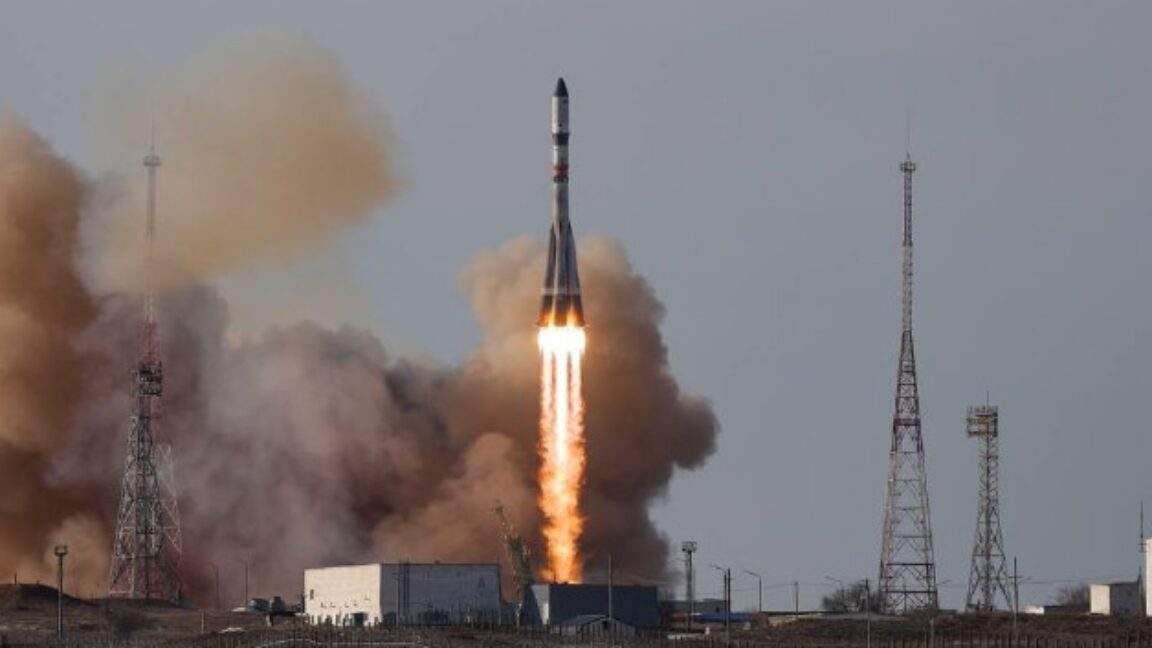
Ukraine's recent cruise missile strike on Russia's vital Progress Rocket Space Center demonstrates advanced long-range capabilities, hitting a critical military and civil space asset and potentially exacerbating Russia's rocket production shortages.

Apple, a tech giant known for its meticulous supply chain, finds itself entangled in a complex geopolitical challenge. Facing a tightening global chip supply and rising memory prices, the company sought to diversify its

Tesla is reportedly considering selling its entire China business to clear the path for a potential merger with Elon Musk's aerospace company, SpaceX. This strategic move aims to circumvent national security regulations tied to SpaceX's defense contractor status, which could be complicated by Tesla's deep ties in China. The divestiture would be a major concession, as China is a critical market and manufacturing hub for the EV giant.
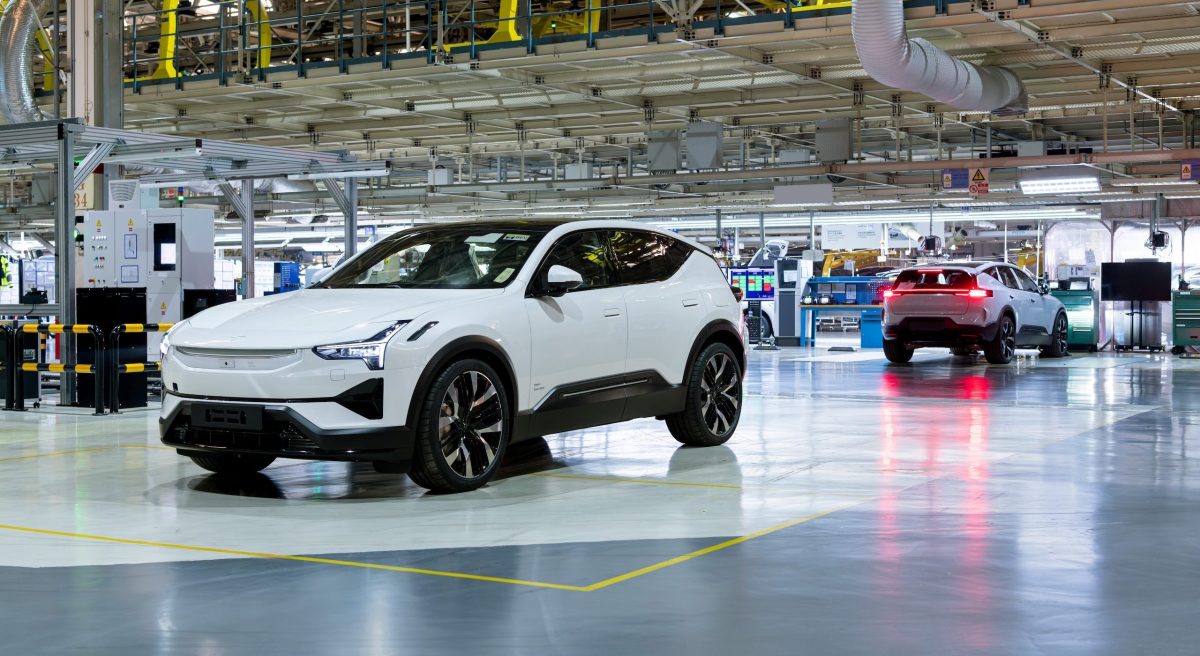
The U.S. government blocked Polestar from selling new vehicles due to its Chinese ownership, while oddly sparing its sister brand, Volvo, also owned by Geely. This opaque and inconsistent regulatory decision, despite Polestar's efforts to localize production, creates significant market unpredictability. It serves as a stark warning for developers and businesses operating in globalized tech sectors about the impact of arbitrary geopolitical interventions.
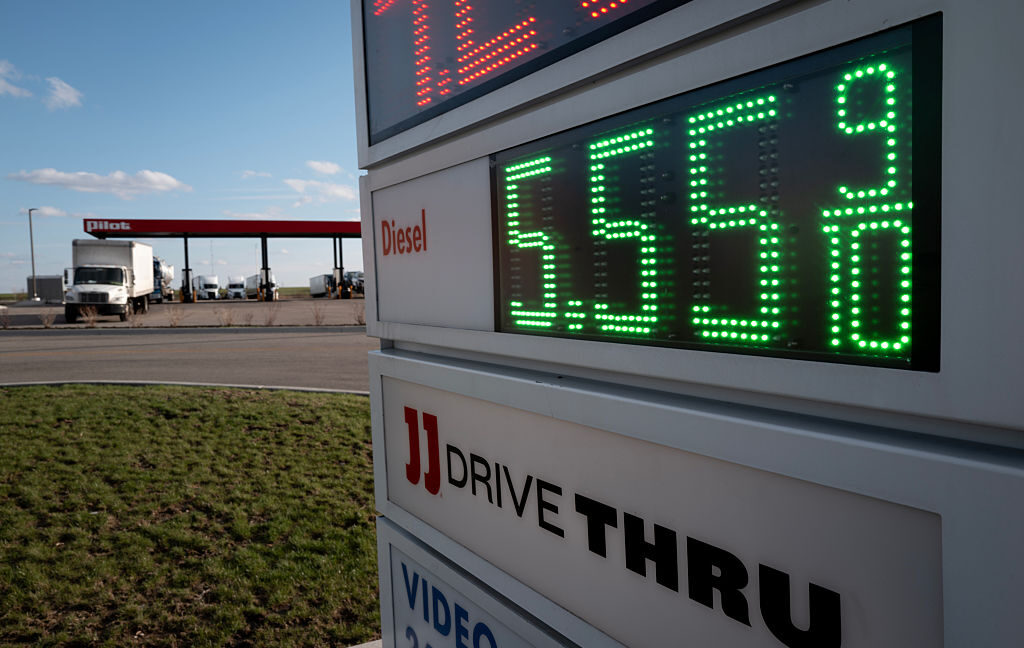
Trump's US energy dominance vision, despite record domestic production, failed to insulate consumers from global oil shocks caused by the Iran war, leading to significant price hikes. While natural gas shows more resilience, the overall approach ignores market realities and demand reduction.
Amidst surging gasoline prices caused by war in Iran disrupting global oil supplies, consumer interest in electric vehicles (EVs) is skyrocketing as of March 21, 2026. Car shoppers are increasingly exploring EVs to escape volatile fuel costs, with market research showing a significant uptick in inquiries. While new EVs still carry a higher upfront cost, the long-term financial and psychological benefits of energy independence are becoming more appealing.

The EU's €93 billion Horizon Europe program has undergone a significant transformation in 2026, largely blocking Chinese organizations from receiving EU funding in critical tech areas like AI and semiconductors. This strategic shift is driven by concerns over research security and intellectual property, reflecting Europe's evolving approach to global scientific partnerships amidst geopolitical complexities.
