15 results found

UKIE is urging the government to modernize the Video Games Expenditure Credit (VGEC) and introduce a new 'Games Scale-Up Fund' ahead of the Autumn Budget. This move is critical to keep the UK competitive in global game development, address outdated rules, and prevent studios and talent from relocating, ensuring a vibrant future for British-made games.

The recent closure of BioWare brought shockwaves, but for fans and developers of Star Wars: The Old Republic, it also brought a 'heartbreaking' snub. The MMO's lead writer, Caitlin Sullivan Kelly, expressed profound sadness that BioWare's farewell message completely omitted the game that's run for nearly 15 years, sustaining the studio with income and manpower, sometimes to its own detriment. It's a poignant reminder of the human element behind game development and corporate shifts.

Get ready, fellow adventurers and pixel pushers, because a legend in the gaming world has just dropped a bomb that could redefine how we think about game creation. Yuji Horii, the visionary mind behind the beloved

BAFTA Fuels Future Game Devs with £270k+ in Career-Changing Support Alright, gamers and aspiring creators, let's talk about something truly positive shaping the future of our beloved industry! BAFTA, an organization we

Wired staff writer Boone Ashworth's recent hands-on exploration of Google’s AI Playground resulted in "terrible games," highlighting the current limitations of generative AI in creative game development. Published October 11, 2026, his candid account reveals that while AI tools offer accessibility, achieving compelling results often requires significant human effort.

Microsoft has cut 277 jobs in Washington, with artists, game designers, and producers heavily impacted. This is part of a broader Xbox restructuring aiming for "growth and profitability." Notably, the next Halo game's development is shifting to Activision.

Northern Forge Studios and Runaway Play dominated the 2026 Green Games Jam Awards, each snagging two accolades for sustainable game development and environmental storytelling. Hosted by Playing for the Planet, the ceremony highlighted how games are inspiring millions to protect our planet. CD Projekt Red and Ustwo Games' Maria Sayans also received top honors.

The gaming industry is seeing a massive shift as unionization rises globally, securing vital worker protections, better pay, and AI safeguards. This collective movement is empowering developers and fundamentally changing workplace dynamics. It's a win for workers, and ultimately, for the games we play.
Why GTA Games Are a Paradox for an Immersive Sim Pioneer Ever wondered what goes through the minds of top-tier game developers when they play titles outside their own genre? Raphaël Colantonio, the industry veteran
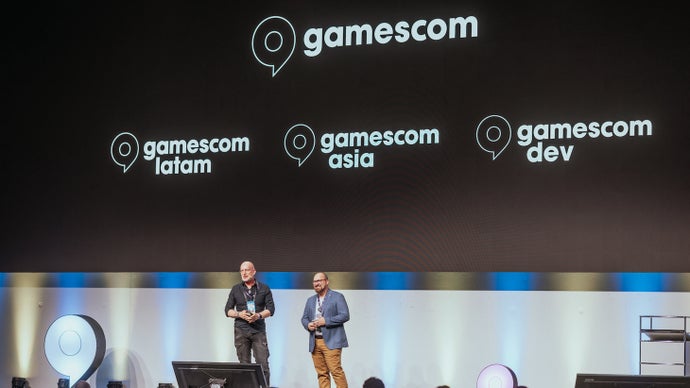
A Gamescom Dev speaker survey reveals 83% expect AI to impact game dev, with nearly half seeing it as the top trend for three years. Developers foresee AI changing roles over reducing team sizes, though economic hurdles like discoverability persist. Premium games still lead in monetization, but live service and F2P are close.
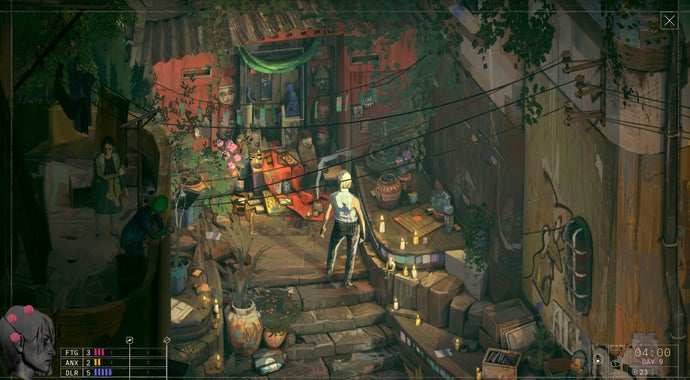
In a stark reminder of the volatile nature of game development, ZA/UM, the visionary studio behind the critically acclaimed Disco Elysium, has announced significant layoffs affecting 32 employees across various
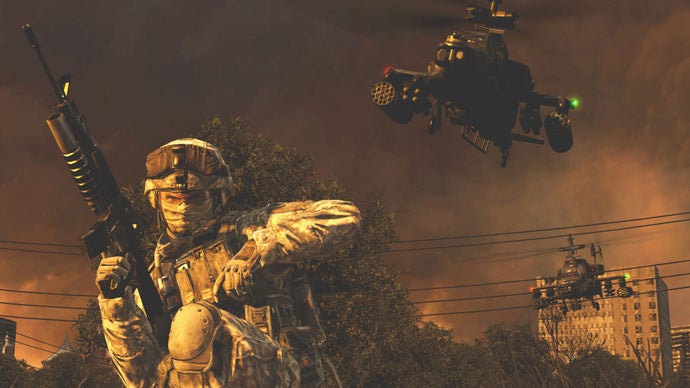
Robert Bowling, ex-Infinity Ward strategist, has launched //18.bravo, aiming for a "radically different approach" to game development. The studio plans to share profits with employees and contractors, reject the live service model, and design games for "forever play" with open-source contingency if they close.

The initial hype around Generative AI in game development is giving way to a more pragmatic view as rising costs expose limited, inconsistent utility. While AI offers incremental gains in specific tasks like code completion, its performance on complex creative work and large codebases falls short, requiring extensive human oversight. This, combined with an "enthusiasm gap" between executives and developers, suggests AI will be a niche tool rather than a revolutionary force.

Sony is increasing the monthly and quarterly prices for PlayStation Plus Essential starting May 20, citing "ongoing market conditions." The 1-month plan jumps to $11, while the 3-month goes to $27, though the annual $80 option remains unchanged. This hike mainly affects new subscribers and is speculated to support rising first-party game development costs.

Quick Verdict Sony is aggressively embracing AI in its game development pipeline, promising a surge in game releases, faster creation cycles, and more diverse content. While the efficiency gains are impressive, raising