75 results found

Seattle startup TriMagnetix has secured $1 million to develop semiconductor chips that consume 800 times less energy and are radiation-resistant. The two-person company, leveraging nanomagnetic technology, is targeting space applications and data centers. With new funding and key partnerships, TriMagnetix aims for commercial sales within a year.

BAFTA Fuels Future Game Devs with £270k+ in Career-Changing Support Alright, gamers and aspiring creators, let's talk about something truly positive shaping the future of our beloved industry! BAFTA, an organization we

TypeSafe AI, the creator of the non-text AI model Jev, has achieved a $7.5 billion valuation following a massive $870 million funding round led by Andreessen Horowitz. Launched just weeks ago, Jev quickly went viral, attracting a third of Fortune 500 companies with its unique approach to automation that is faster and more efficient than traditional LLMs.

Chaosium has renamed the Lovecraftian deity Shub-Niggurath to Shub-Gorath for their new board game, *Call of Cthulhu: Old Ones*. The change addresses potential associations with a racial slur and aligns with the Mythos' collaborative tradition. The decision has sparked discussion, but the game's crowdfunding campaign is a huge success.

New York-based Melius, an AI platform specializing in the generation of ad campaigns, images, and videos, has announced a substantial $25 million in total funding. This includes a $20 million Series A round led by CRV

Leading the charge in the burgeoning field of AI robot safety, Safeworld has emerged from stealth with over $12 million in seed funding. The startup aims to tackle the critical challenge of ensuring generative
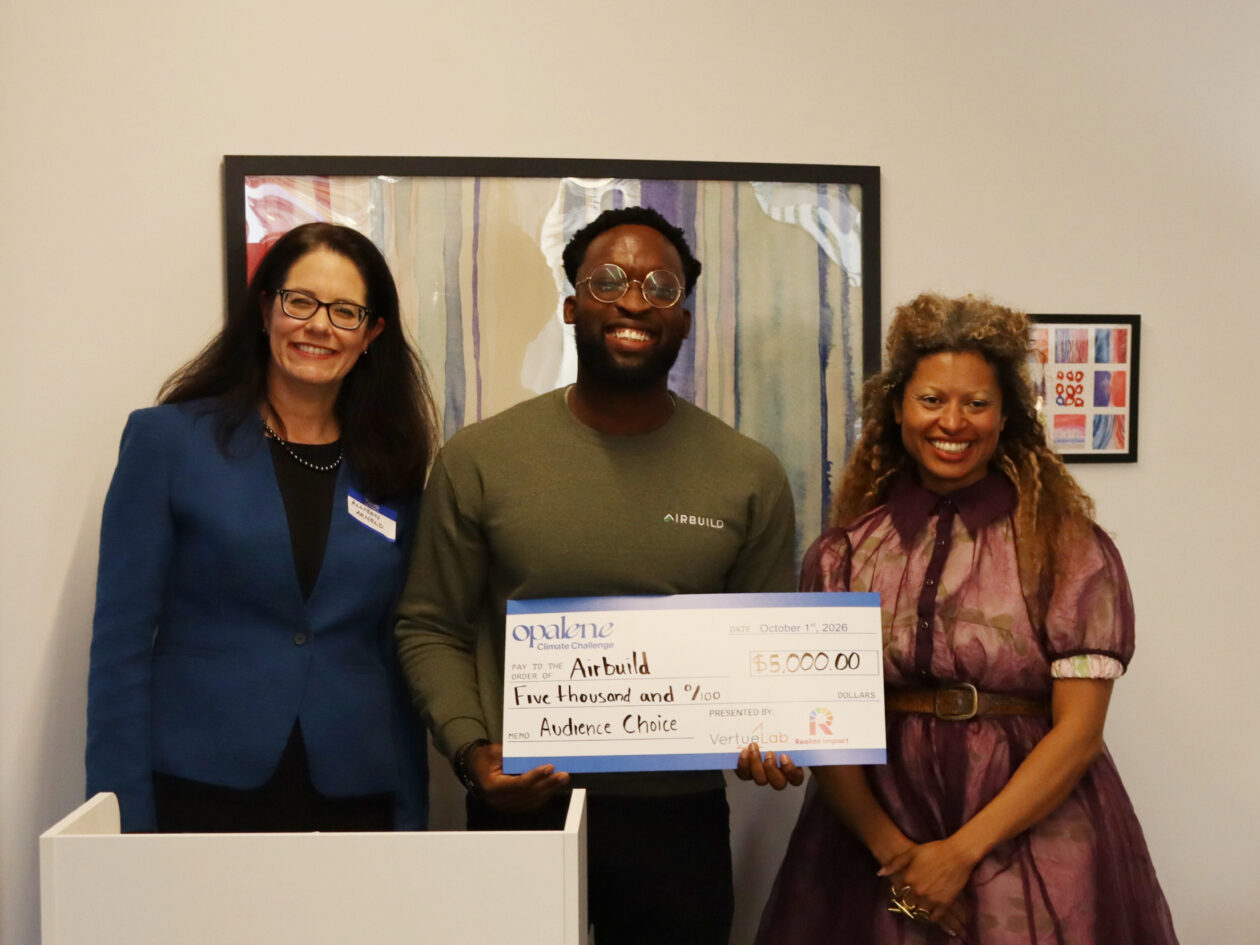
Washington's climate tech sector secured vital funding for six startups through the Opalene Climate Challenge, a VertueLab initiative. This capital injection addresses a critical gap as the AI boom diverts investor cash, making it harder for sustainability innovations to scale.
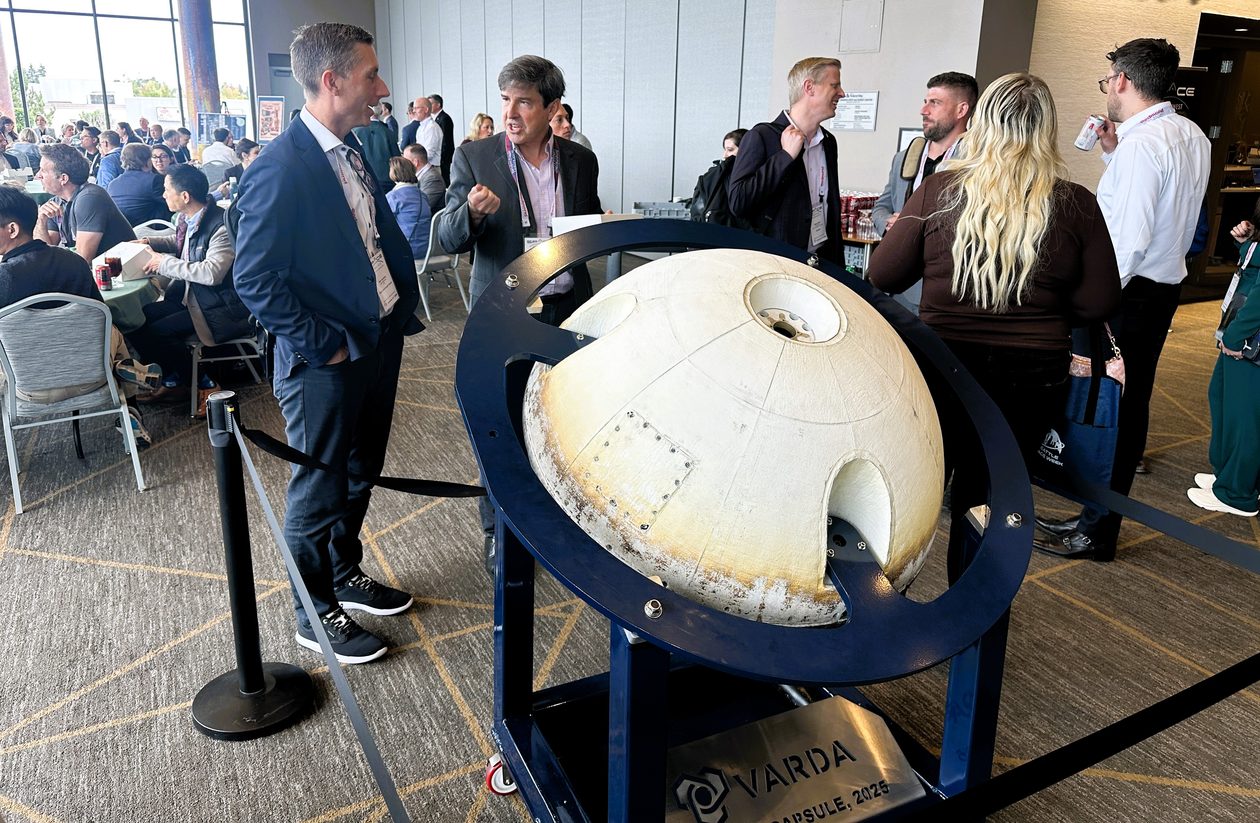
Seattle Space Week highlighted significant growth in Washington's space industry, alongside critical challenges like a launch crisis and workforce shortages. Leaders discussed four problems and four prospects, including securing local funding, competing with rival states, and the potential for new launchers and even a homegrown launchpad. State initiatives, like Governor Ferguson's Space Council, aim to foster public-private partnerships and retain key businesses.

Seattle-based Truelist, founded by former Zillow VP Carey Armstrong, has been acquired by San Francisco's Mainstay as part of an $18 million funding round. The deal expands Mainstay's AI real estate tools to a broader market, with Armstrong joining as Chief Strategy Officer.

Vals, a San Francisco startup, has secured $40 million in Series A funding led by Andreessen Horowitz to revolutionize AI benchmarking. The company aims to replace outdated, manipulable evaluation systems with rigorous, confidential, and task-specific assessments for AI models. Vals' approach focuses on real-world impact across industries, seeking to become the trusted standard for AI accountability and public trust.

Despite accumulating significant funding and industry buzz, leading world model companies such as Yann LeCun’s AMI Labs and Fei-Fei Li’s World Labs are maintaining an intense veil of secrecy around their actual product

The Gates Foundation is investing at least $1 billion over the next two years into artificial intelligence tools for global health, agriculture, and education, primarily targeting the poorest countries. This initiative aims to accelerate progress against disease and poverty, though CEO Mark Suzman clarifies that AI cannot replace vital government funding cuts to global health services. The foundation emphasizes AI's potential as an equalizer, but stresses the importance of equitable development and deployment.

Uber has significantly deepened its investment in India’s burgeoning ride-hailing ecosystem, announcing a $10 million Series B funding round into Carrum Mobility, an Indian fleet management startup. The move, disclosed
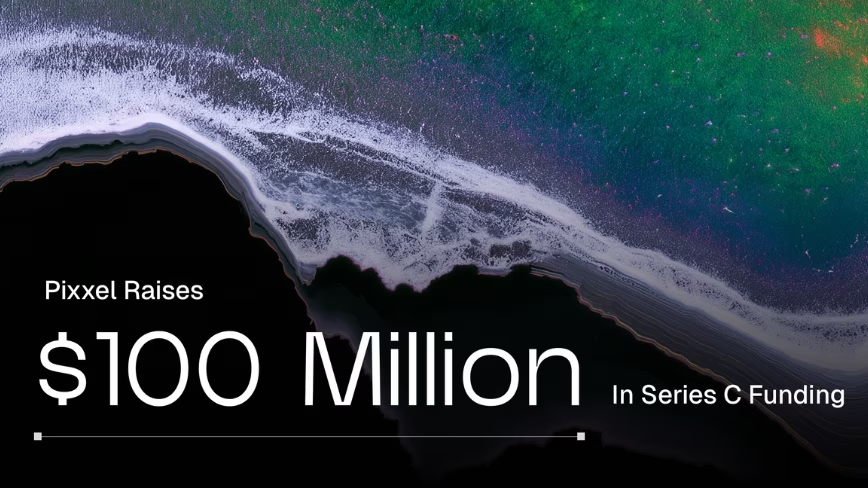
Indian hyperspectral imaging specialist Pixxel has achieved a significant milestone, raising $100 million in a Series C funding round. This landmark investment, led by Singapore's state investor Temasek and the
For developers deeply embedded in the open-source ecosystem, the challenge of sustainable funding is ever-present. Many projects rely on community donations, often facilitated by fiscal hosts that simplify legal and

Instinct, a year-old AI startup, has rapidly secured $350 million in total funding, reaching a $2.5 billion valuation after a fresh $250 million Series B round. Its AI assistant, led by 23-year-old Noah Shinn, has garnered immense user enthusiasm for organizing various life aspects but also faces significant privacy concerns.
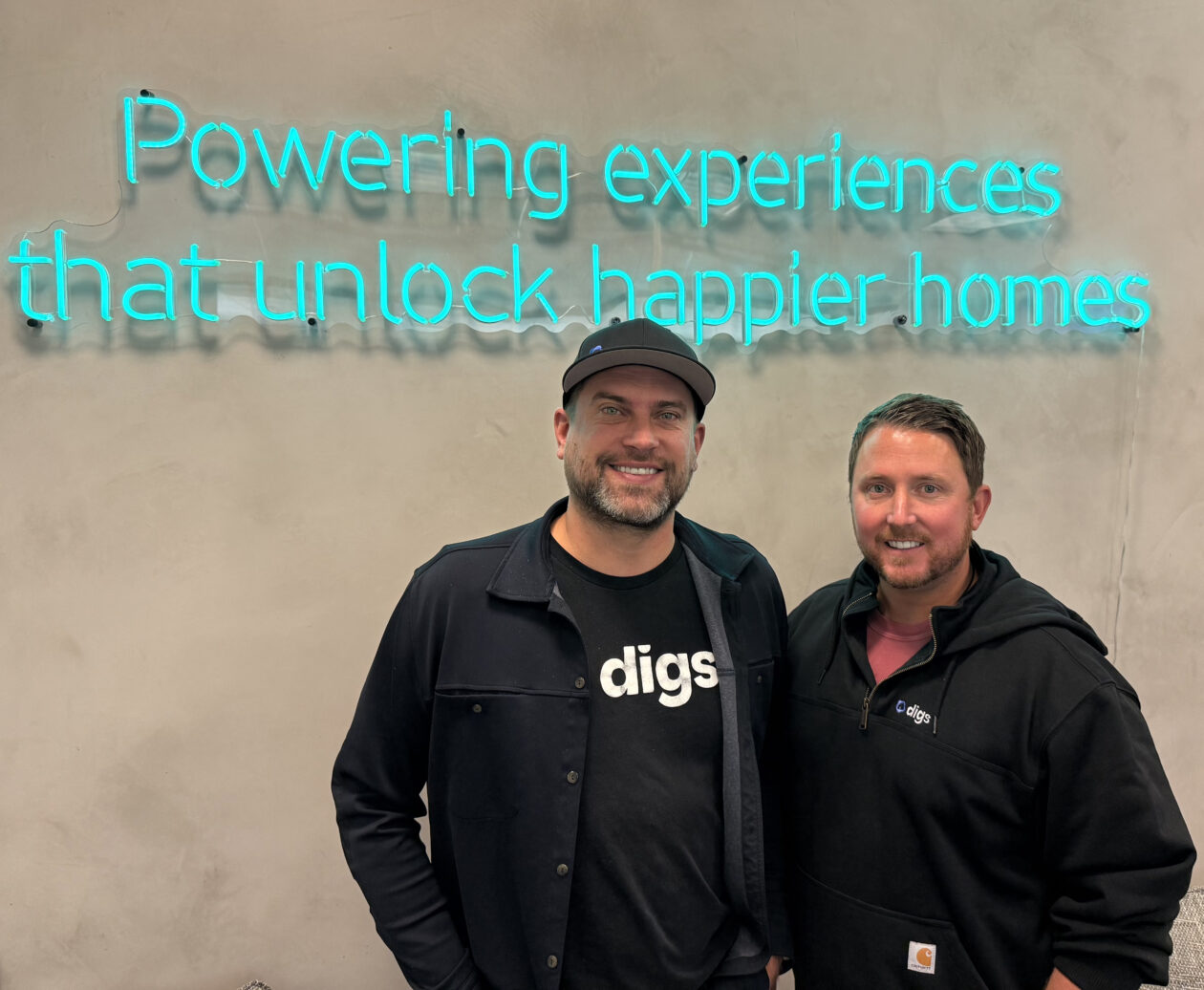
Vancouver-based AI startup Digs has secured $25.3 million in Series A funding, led by building products giant Builders FirstSource, and inked a five-year partnership. This collaboration integrates Digs' AI platform into Builders FirstSource's ecosystem, offering advanced tools to 140,000 builder clients. The technology aims to create "digital twins" of homes, streamlining construction and maintenance.

GoFundMe has transformed into a critical societal backup system, especially since 2020, addressing needs from medical expenses to small business support. CEO Tim Cadogan details how the platform balances its for-profit model, relying on voluntary donor tips, with its mission to facilitate community help and emotional support globally.

xpander.ai, founded by former AWS principal engineers, has launched its enterprise AI agent platform and secured $7.5M in seed funding. The platform offers a vendor-neutral control plane, featuring a 'Universal Harness,' to help companies manage, govern, and orchestrate the growing sprawl of AI agents, addressing challenges like isolated workflows and vendor lock-in.

Jeff Bezos has joined a consortium acquiring a minority stake in Liverpool FC, while a former Meta AI director launched Noosphere Labs, a physical AI startup with $10.25 million in funding. Simultaneously, supply chain company Auger moved its HQ from Seattle to Dallas, and Microsoft retired its Mico AI blob as it consolidates Copilot into a "Super App." These events reflect significant shifts in tech investment, AI development, and regional tech ecosystems.

Biotech startup InduPro has secured $77 million in Series B funding and commenced its first human clinical trial for lead cancer drug IDP-001. The company's novel proximity-guided platform aims to precisely target tumors by identifying specific protein combinations on cancer cell surfaces, sparing healthy tissue. This milestone, alongside a significant Eli Lilly partnership, marks a pivotal step for the Seattle and Cambridge-based firm.

OpenAI-backed Thrive Holdings secured $2 billion at a $12 billion valuation to expand its enterprise AI integration strategy. The firm acquires traditional businesses, infusing AI into their operations, and plans to extend its proven model beyond accounting and IT into regulatory services for physical assets. This major funding round highlights a growing trend of hands-on AI deployment in the enterprise.

US venture capital in H1 2026 saw 87.5% of funds go to megadeals, largely driven by AI. PitchBook's report reveals a stark market split: AI companies command huge premiums, while older startups are discounted by up to 59.1% based on their last funding round's vintage. The exit market remains challenging, even as unicorn numbers swell.

AI infrastructure startup Naïve has raised $28.5 million in Series A funding led by Nexus Venture Partners to automate the complex process of setting up and running a business. With over 30,000 developer customers, Naïve's platform allows AI agents to handle tasks from incorporation to payments, and is now focusing on optimizing the high operational costs of AI agent fleets.

Silicon Valley's startup scene is experiencing a dramatic shift for young founders. While AI has democratized building, enabling early success and significant funding, it also brings immense pressure for rapid growth and constant public performance. This creates a high-stakes environment where founders face intense scrutiny and ethical dilemmas alongside unprecedented opportunities.
