10 results found
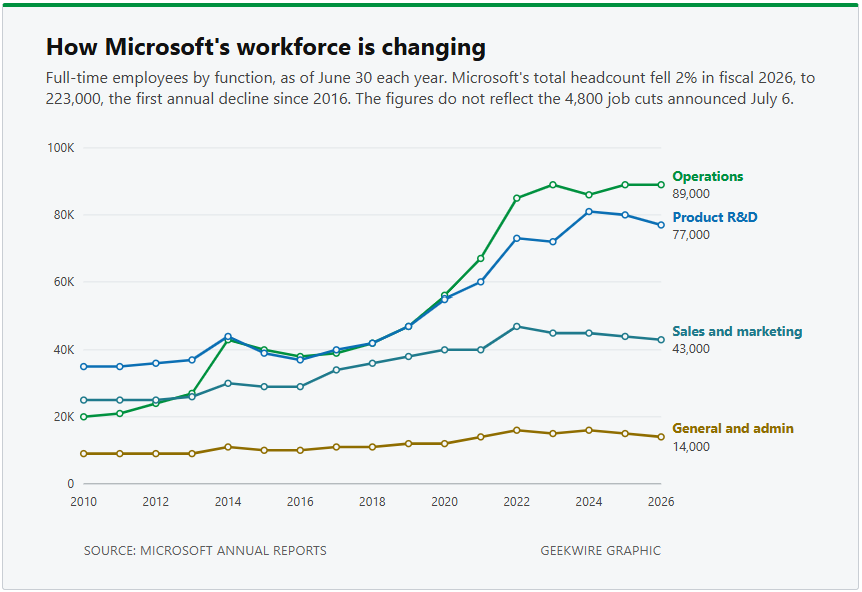
Microsoft's total headcount dropped for the first time in a decade, fueled by a second consecutive decline in R&D roles, despite record revenue growth. This strategic shift reflects the company's adaptation to the AI era, including significant investments in AI infrastructure and a reallocation of engineering talent to customer-facing roles.

Robinhood announced a 10% workforce reduction, impacting 290 employees, but CEO Vlad Tenev notably avoided blaming AI for the cuts. This marks a departure from other tech companies, with Robinhood instead emphasizing a move to leaner, flatter organizational structures despite strong financial performance.
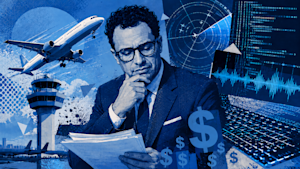
Anthropic CEO Dario Amodei is pushing for FAA-style regulation of powerful AI models, citing public safety concerns amid rapidly advancing AI capabilities and potential misuses. This call for oversight, backed by new policy frameworks and $350 million in funding, suggests future operational, regulatory, and workforce constraints for enterprises. Key implications include potential deployment holds for frontier models, elevating AI cybersecurity to critical infrastructure status, and the need for proactive strategies to manage structural labor displacement.

General Motors has laid off approximately 600 salaried IT employees, over 10% of its IT department, in a strategic move to pivot towards AI-focused talent. The automaker is replacing traditional roles with experts in AI-native development, data engineering, and cloud technologies, signaling a fundamental workforce restructuring for future AI adoption.

California gubernatorial candidate Tom Steyer has proposed a groundbreaking plan to guarantee jobs for workers displaced by AI, funding it through a novel "token tax" on big tech. The initiative aims to make California the first major economy to protect its workforce from automation's impact by creating jobs in key sectors and establishing an AI Worker Protection Administration. This long-shot proposal faces political challenges but highlights growing concerns over AI's economic effects.

Meta Platforms is set to commence a significant company-wide restructuring on May 20, initiating layoffs that will impact approximately 8,000 employees, representing 10% of its global workforce. This substantial

Portland, Oregon – Entrepreneur Taylor Marean has launched Fetchlist, a new delivery startup designed to streamline the notoriously awkward logistics of buying and selling secondhand items on platforms like Craigslist

Mirai Robotics, an Italian startup, has secured $4.2 million in pre-seed funding to develop autonomous surface vessels and a maritime intelligence platform. This investment targets the "blue economy," aiming to introduce software-defined control to oceans to combat rising costs, workforce shortages, and enhance surveillance. The company’s innovative technology promises to unlock new efficiencies and address critical security challenges in marine environments.

Block, led by Jack Dorsey, slashed over 4,000 employees, nearly half its global workforce, citing AI as a proactive strategy to boost agility. Dorsey predicted similar widespread cuts across the industry. The move sent Block's stock soaring over 24% in after-hours trading.

Microsoft is implementing a new return-to-office policy starting Feb. 23 for its Seattle-area workforce. Employees within a 50-mile radius of an office will be required to be in-person at least three days a week, a significant shift for the tech giant that aligns it with industry peers like Google and Meta.
