
GM just laid off hundreds of IT workers to hire those with stronger
General Motors has laid off approximately 600 salaried IT employees, over 10% of its IT department, in a strategic move to pivot towards AI-focused talent. The automaker is replacing traditional roles with experts in AI-native development, data engineering, and cloud technologies, signaling a fundamental workforce restructuring for future AI adoption.

General Motors has undertaken a significant transformation within its Information Technology department, laying off approximately 600 salaried employees. This reduction, impacting over 10% of its IT workforce, represents a deliberate “skills swap” aimed at replacing traditional roles with talent specializing in artificial intelligence, data engineering, and cloud technologies. The automaker confirmed the layoffs, framing the move as a strategic imperative to future-proof its operations and prepare for an AI-centric era.
A Strategic Shift Towards AI-Native Talent
The layoffs are not merely headcount reductions but part of a targeted initiative to reshape GM's technological capabilities. While some positions were eliminated, the company is actively recruiting for new roles within its IT department that demand advanced skills. Key capabilities sought include AI-native development, robust data engineering and analytics, cloud-based engineering expertise, along with agent and model development, and proficiency in prompt engineering and emerging AI workflows.
Essentially, GM is seeking individuals capable of building AI systems from the ground up — encompassing design, model training, and pipeline engineering — rather than simply utilizing AI as a productivity tool. This strategic pivot aligns with a broader pattern of white-collar workforce adjustments at GM over the past 18 months, as the company redirects resources towards high-priority initiatives, particularly in artificial intelligence. A notable instance occurred in August 2024 when GM cut approximately 1,000 software workers.
Leadership Reshuffle and New AI Focus
The automotive giant's software division has seen substantial changes since May 2025, when Sterling Anderson, co-founder of autonomous trucking startup Aurora and a seasoned veteran of the autonomous vehicle industry, joined as chief product officer. Following his arrival, three senior executives departed GM's software team last November as Anderson pursued efforts to consolidate the company’s various technology businesses into a unified organization.
Those who left included Baris Cetinok, senior vice president of software and services product management; Dave Richardson, senior vice president of software and services engineering; and Barak Turovsky, who served a brief nine-month tenure as GM’s chief AI officer after coming from Cisco.
To fill these crucial gaps and bolster its AI capabilities, GM has since brought in new, high-profile talent. Behrad Toghi, formerly of Apple, was hired in October as the company's AI lead. Additionally, Rashed Haq joined as vice president of autonomous vehicles, bringing five years of experience as head of AI and robotics at Cruise, the self-driving company initially acquired and later shut down by GM.
Broader Implications for Enterprise AI Adoption
GM's aggressive restructuring provides a tangible example of what large-scale enterprise AI adoption looks like in practice. It goes beyond merely integrating AI tools into existing teams; instead, it involves a fundamental rebuilding of the workforce from the ground up to support AI-driven operations. The specific skills GM is prioritizing for new hires, such as agent development, model engineering, and AI-native workflows, serve as a clear indicator of where demand within large enterprises is rapidly heading. This transformation underscores a critical shift in the labor market, emphasizing deep technical expertise in AI development and deployment.
FAQ
Q: Why did General Motors lay off hundreds of IT workers?
A: GM conducted these layoffs as part of a strategic "skills swap," aiming to transition its IT department from traditional roles to those focused on artificial intelligence, data engineering, and cloud-based technologies. The company stated this move is to better position itself for the future.
Q: What specific skills is GM now actively seeking in its new hires?
A: General Motors is specifically looking for talent with expertise in AI-native development, data engineering and analytics, cloud-based engineering, agent and model development, prompt engineering, and new AI workflows. The emphasis is on individuals who can build AI systems from scratch, not just use AI tools.
Q: What do these changes at GM signify for the broader enterprise technology landscape?
A: GM's restructuring signals a significant shift in enterprise AI adoption, indicating that companies are moving beyond simply adding AI tools to existing teams. It suggests a trend towards fundamentally rebuilding workforces from the ground up to integrate AI at a foundational level, highlighting where demand for specialized AI and data skills is heading across large organizations.
Related articles

Apple Unveils iPhone Duo: Pricey Foldable Sees Soaring Demand
Apple has officially entered the foldable smartphone arena with the long-anticipated launch of the iPhone Duo. Priced starting at a hefty $1,999, the device features a 5.4-inch outer display and a larger 7.6-inch inner

in-depth: Chicago-Area Cops Helped HSI Spy on Minnesota Anti-ICE
Chicago-area law enforcement, including local police and HSI agents, conducted undercover surveillance on Minnesota anti-ICE activists at an April 2, 2022, talk in Chicago. This operation was part of a federal conspiracy probe into 15 Minnesota activists facing felony charges related to immigration enforcement resistance. Civil liberties advocates have condemned the surveillance as a troubling intrusion into protected political activity.

Mark Wahlberg on using AI in film ‘the right way’ and being open to
Actor Mark Wahlberg believes AI has a place in filmmaking if used responsibly for enhancement, not script generation or actor replacement. At TechCrunch Disrupt, he expressed openness to an AI likeness carrying on his legacy, managed by his family, and emphasized storytelling.
Tesla Unveils Thruster-Equipped Roadster, 2028 Production Targeted
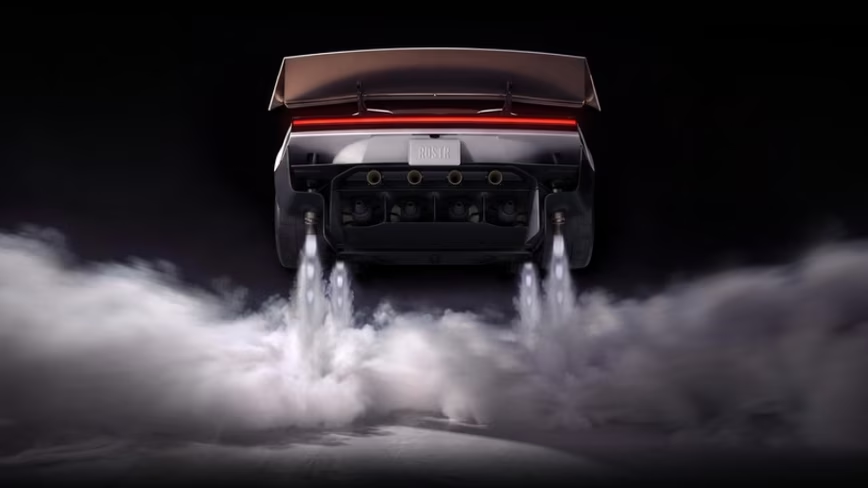
Tesla has unveiled its second-generation Roadster, featuring cold-gas thrusters co-developed with SpaceX, enabling it to jump and flip. The electric sports car demonstrated 0-60mph in an astonishing 0.81 seconds, with production targeted for 2028. This highly anticipated reveal also serves as a key recruitment tool for Tesla's ambitious AI and robotics initiatives.
Amazon Prime Video Launches AI-Powered Prime 360 for NBA Coverage
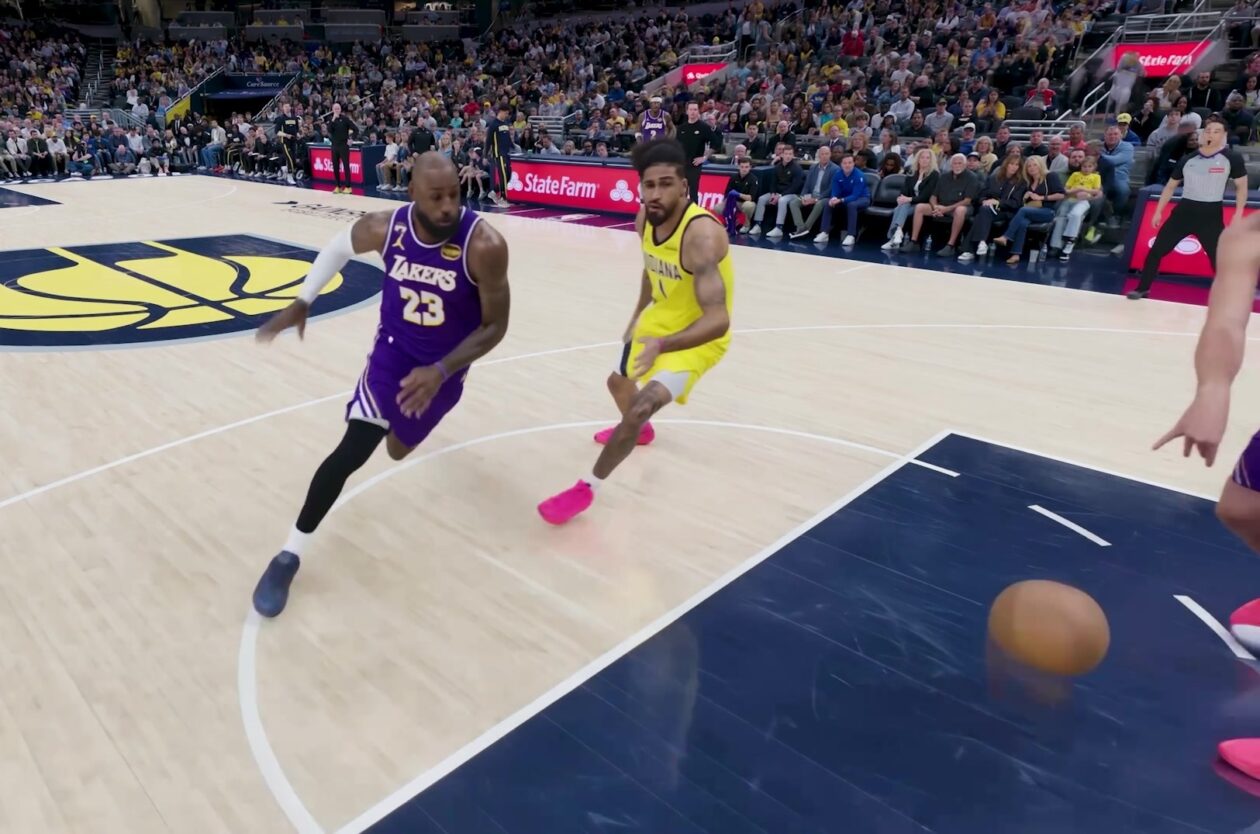
Amazon Prime Video is elevating its NBA coverage with the introduction of Prime 360, an AI-powered replay system offering immersive, 'fly through' views of the action. Kicking off its second season, Prime Video also adds Yahoo fantasy integration and gains exclusive Eastern Conference Finals rights, expanding its tech-driven sports broadcast. The new features aim to deliver a unique and interactive viewing experience for basketball fans.
regional: A two-person Seattle startup lands $1M to reinvent
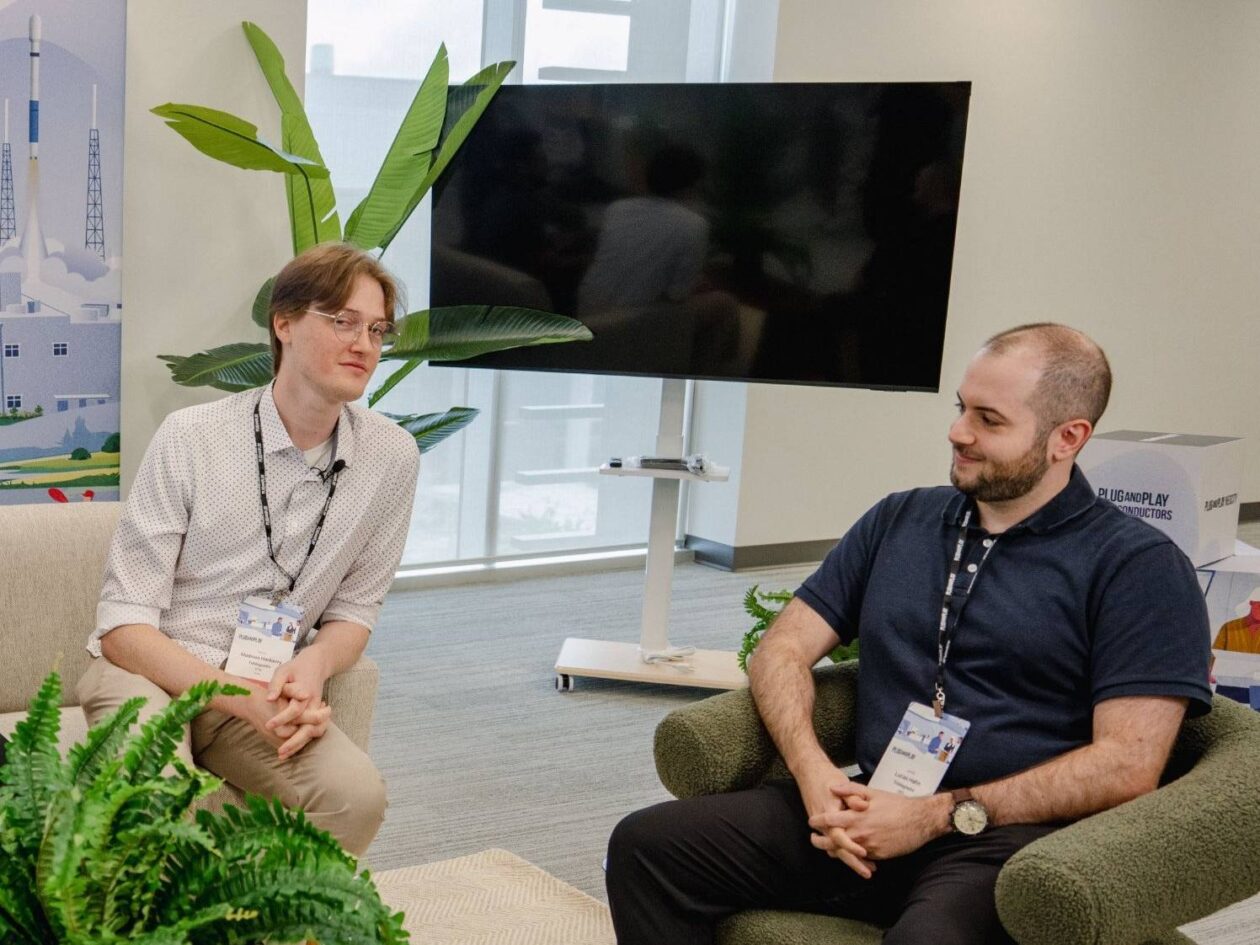
Seattle startup TriMagnetix has secured $1 million to develop semiconductor chips that consume 800 times less energy and are radiation-resistant. The two-person company, leveraging nanomagnetic technology, is targeting space applications and data centers. With new funding and key partnerships, TriMagnetix aims for commercial sales within a year.