11 results found

Java's origins, driven by creator James Gosling at Sun Microsystems, addressed critical challenges in early computing. The language tackled significant 'networking friction' to enable seamless interconnectedness across diverse systems. Simultaneously, the 'stringent reliability requirements' of consumer electronics inspired the robust design of the Java Virtual Machine (JVM) and its evolving garbage collectors, crucial for 'large-scale concurrent memory management.'

Minecraft is set to receive its first new dimension in over 14 years: The Sift, arriving in Java and Bedrock Edition in 2027. Revealed at Minecraft LIVE, The Sift will join the Overworld, Nether, and End as the game's fourth official realm. While details for vanilla Minecraft are scarce, clues from Minecraft Dungeons II describe it as "beautiful, vibrant, and teeming with souls," with biomes like the Meadow and Carapace, sparking immense anticipation.
Java's extensive history is a key AI superpower, offering a stable foundation for agent-generated code and an unparalleled dataset for training AI models. Its mature ecosystem of libraries and agentic harnesses further enable developers to build robust, integrated AI applications. This positions Java as a powerful, reliable choice for future AI-driven software development.

This article guides developers through building a browser-based PDF OCR to Text converter using JavaScript. It explains the problem of unsearchable scanned PDFs, details how client-side OCR works with PDF.js and Tesseract.js, and covers implementation steps for document upload, page preview, configurable OCR settings, text extraction, and progress tracking. The solution emphasizes privacy and performance by processing documents locally in the browser.

This article guides developers through building a browser-based PDF analyzer using JavaScript, emphasizing client-side processing for privacy and speed. It covers the problem of manual PDF inspection, the benefits of automation, and a practical implementation using `PDF-lib`, `PDF.js`, `Tesseract.js`, and `Chart.js`. The tutorial details workflow from file upload and preview to configurable analysis and report export.

JavaScript date and time management is notoriously challenging, leading to subtle production bugs. This article explores key concepts like epoch time and time zones, delves into the pitfalls of the native `Date` object, and highlights powerful solutions like the INTL and upcoming Temporal APIs for robust, modern web development.

PDF files often arrive with pages in an incorrect sequence, a common byproduct of scanning multiple documents, merging various exports, or batch processing. This can lead to significant manual effort in rearranging
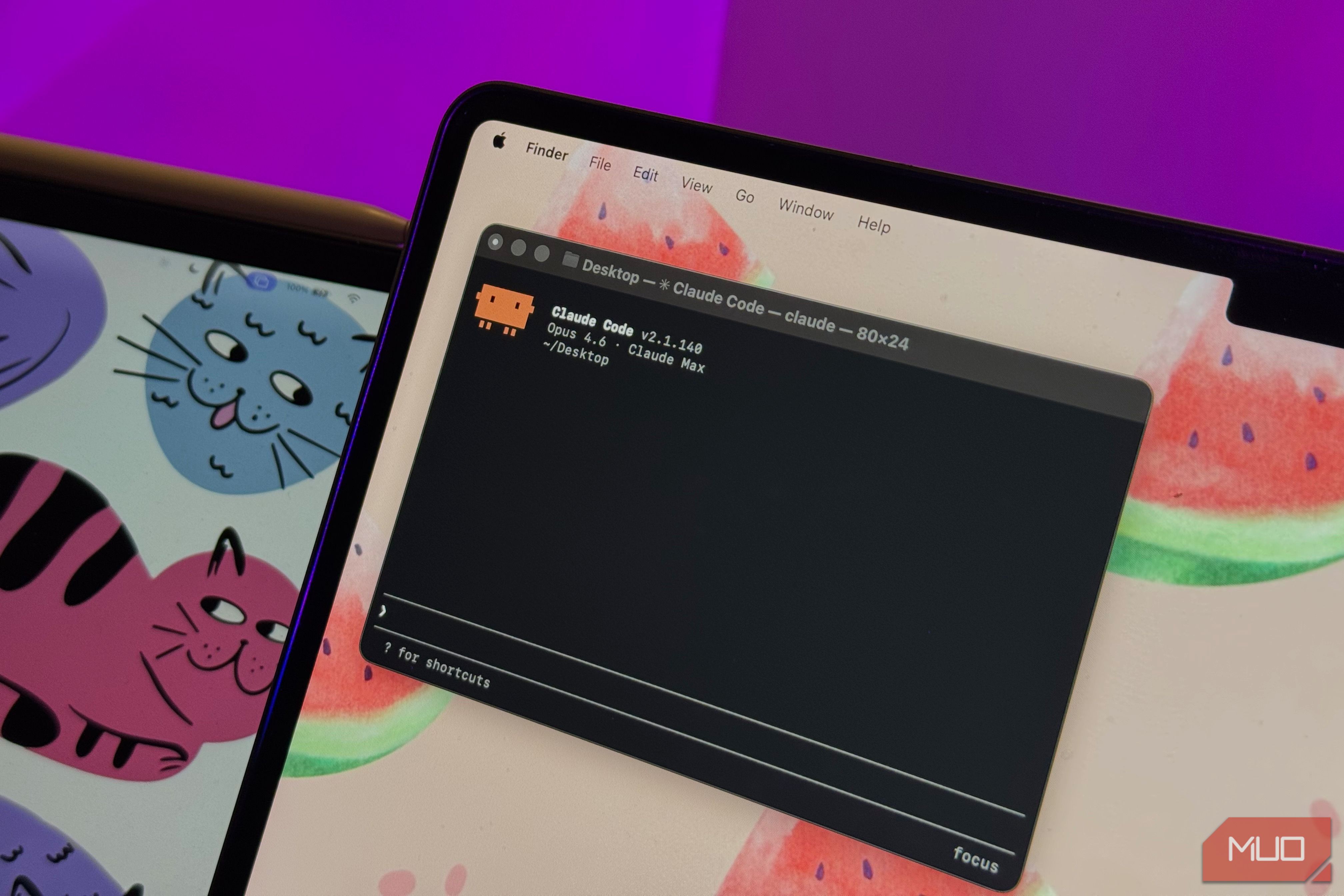
Learn to choose the best LLM for debugging JavaScript by understanding how Claude, ChatGPT, and Gemini perform on complex bugs, emphasizing accuracy over speed to fix root causes efficiently.
Time is an abstract concept, yet its precise handling is fundamental to nearly every piece of software we build. For JavaScript developers, grappling with dates and times has historically been a significant source of

This article details how to build a secure AI-powered pull request reviewer using JavaScript, Claude, and GitHub Actions. It focuses on critical security aspects like sanitizing untrusted diff input, validating probabilistic LLM output with Zod, and employing fail-closed mechanisms to ensure robustness and prevent vulnerabilities.

This article demonstrates how to build a browser-based image converter using JavaScript, leveraging client-side APIs to ensure fast, private, and efficient image processing. It covers setting up a basic HTML interface, reading local files with `FileReader`, converting images via the `Canvas` API's `toDataURL` method, and enabling direct downloads. The guide also discusses practical considerations like handling large images, controlling JPEG quality, and ensuring robust input validation.