15 results found

Neko Health, the body scan startup backed by Spotify co-founder Daniel Ek, has expanded to the U.S., opening in New York. The company, which has raised nearly $1 billion and boasts a 300,000-person waitlist, offers a $500 scan to screen for blood, skin, and metabolic issues. Investor Farooq Abbasi champions its potential to transform preventative care in the U.S. healthcare system.

The Blue Cross Blue Shield Association (BCBSA) alleges that artificial intelligence tools employed by hospitals for submitting insurance claims have contributed an additional $942 million to healthcare spending over a

A-list actor Mark Wahlberg is set to speak at TechCrunch Disrupt 2026 in San Francisco, shifting focus from his Hollywood career to his burgeoning role as a tech investor and entrepreneur. Alongside Bruce K. Lee, he'll share insights into his institutional investing strategies, particularly in healthcare and wellness startups, and discuss lessons learned from his business ventures.

Seattle health-tech startup DexCare has acquired Mila Health, a local company specializing in AI agents for automated patient scheduling. The deal, announced September 21, 2026, integrates Mila's rapidly deployable AI communication tools into DexCare's patient-access platform, which serves 57 million patients nationwide. This move aims to enhance care coordination and address staffing challenges within the healthcare sector.

Key leadership changes sweep the Pacific Northwest tech and healthcare scenes. Mehul Shah, a former AWS data leader, joins Oracle's OCI, while Dr. Natalie Pageler is named CIO of Seattle Children's. Zillow Group appoints its first Chief Legal and Policy Officer, Sandi Knight, amidst a major antitrust trial.

Australian AI Care Partner Heidi has successfully deployed its production-ready AI, Heidi Scribe, globally, automating administrative work for clinicians across over 190 countries. This achievement stems from strategic infrastructure decisions, including leveraging MongoDB Atlas for data flexibility and regional isolation to ensure compliance with diverse healthcare regulations like HIPAA and GDPR. The platform now supports millions of patient interactions weekly, demonstrating how robust data architecture is crucial for reliable AI in highly regulated sectors.
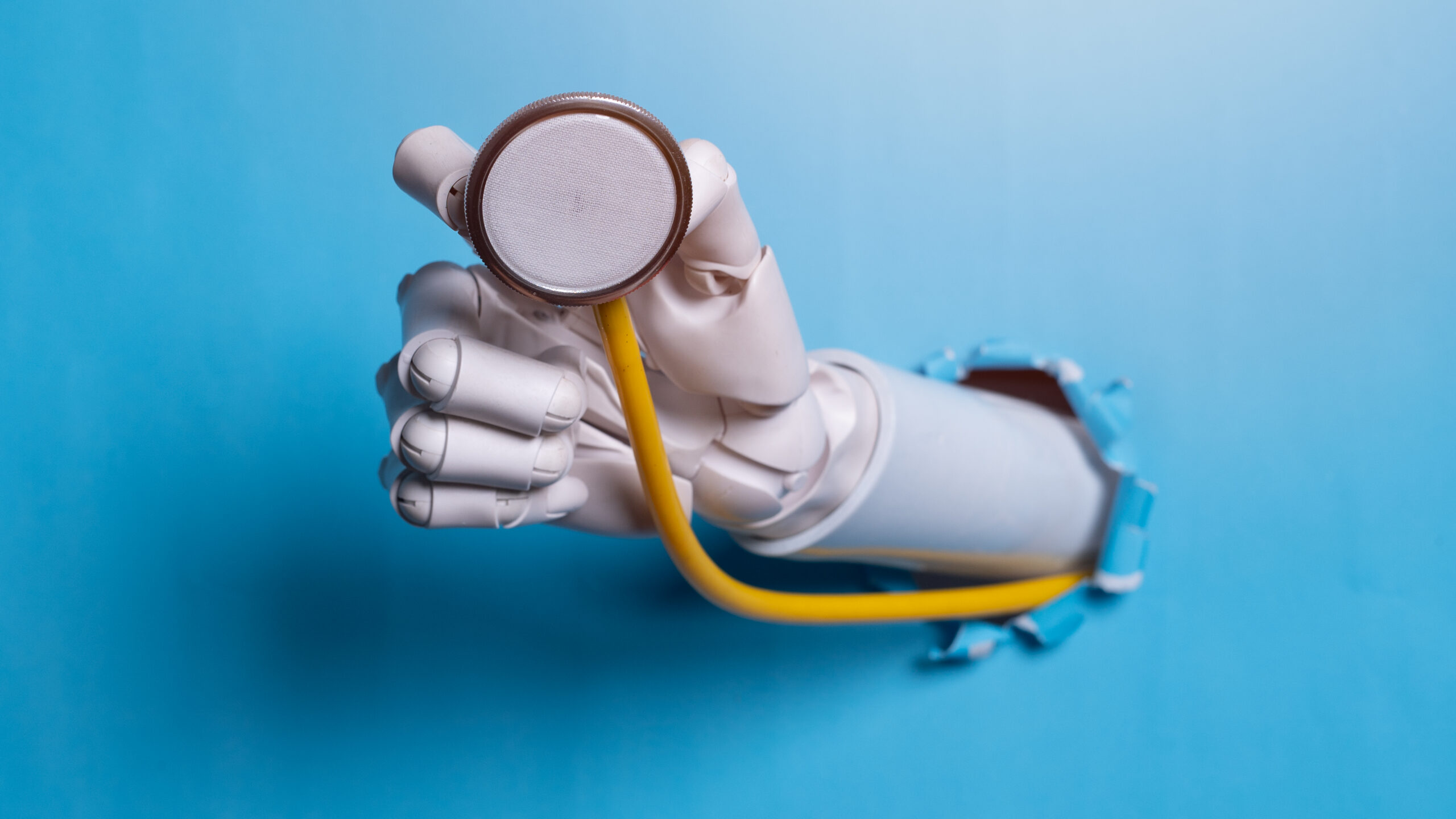
AI in prior authorization offers theoretical efficiency but faces strong criticism for potentially increasing wrongful denials and patient harm. While programs like WISeR aim to cut waste, concerns persist about transparency, profit incentives, and the automation of an already flawed system, suggesting a mixed prognosis.

The UK's NHS App will soon integrate AI for patient triage, directing users to GPs, pharmacies, or A&E. This initiative, part of a £10bn technology overhaul, aims to streamline access to care and reduce waiting times, with a full rollout expected by April 2028.
Midjourney, a name typically associated with generative AI art, is embarking on an ambitious and unexpected new venture: Midjourney Medical. This initiative aims to fundamentally reimagine healthcare by introducing a
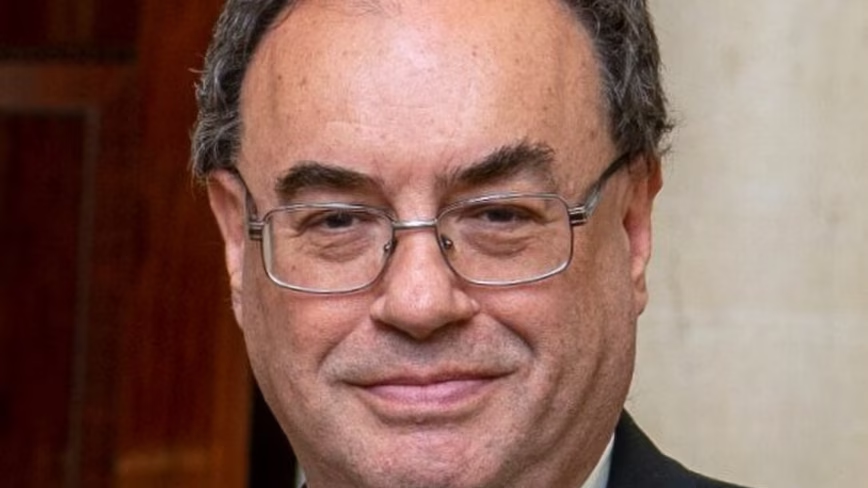
Bank of England Governor Andrew Bailey has warned that artificial intelligence may soon require rationing due to its escalating energy demands outstripping available power supplies. He stated that governments face "very big social choices" in prioritizing AI applications, citing examples like healthcare versus defense. Evidence of grid strain is already emerging in the EU and US, underscoring the urgency of this infrastructural challenge.

Neil Lindsay is stepping down as SVP of Amazon Health Services after five years, succeeded by telehealth veteran Dr. Roy Schoenberg. Concurrently, Avalara co-founder Scott McFarlane is resigning as CEO, with Hugo Sarrazin taking the top executive role. These significant leadership changes mark new eras for two prominent tech companies and their respective ventures.

Kenya's AI Health Policy: A Flawed Implementation Verdict: Kenya's Social Health Authority (SHA) system, touted as an AI-powered solution to expand healthcare access and affordability, has proven to be a deeply flawed

Mantis Biotech has secured $7.4 million in seed funding to advance its platform for creating 'digital twins' of humans. These physics-based, predictive models aim to solve the critical data availability issues in biomedical research, especially for rare diseases, by generating synthetic datasets. Currently, Mantis is applying its technology in professional sports to predict athlete performance and injury, with plans to expand into preventative healthcare and pharmaceutical research.
The U.S. healthcare system's staggering costs are a well-documented national conundrum. With the nation spending an estimated $14,570 per person annually—far exceeding other developed countries like Japan, which spends

HBO's *The Pitt* combines intense medical trauma with a slow-burning, unsettling subplot about hospitals adopting generative AI. While the gore makes the show feel like a horror series, the introduction of AI is presented as even more alarming, particularly in its second season. The series offers a sharp take on the digital future of healthcare, shifting the focus from physical chaos to the existential implications of artificial intelligence.
