
The Pitt: Beyond Gore, An Unsettling Look at AI in Healthcare
HBO's *The Pitt* combines intense medical trauma with a slow-burning, unsettling subplot about hospitals adopting generative AI. While the gore makes the show feel like a horror series, the introduction of AI is presented as even more alarming, particularly in its second season. The series offers a sharp take on the digital future of healthcare, shifting the focus from physical chaos to the existential implications of artificial intelligence.

When Medical Trauma Meets Digital Dread: The Pitt's Sharp Take on AI
Imagine a medical drama so intense, so visceral, that it borders on horror. That's precisely the experience offered by HBO's The Pitt. From the first gnarly laceration to the relentless battle against vicious blood infections threatening to rob patients of their limbs, the series doesn't shy away from the brutal realities of emergency medicine. Viewers are thrown into the heart of a chaotic ER, witnessing central characters left shaken by the constant life-or-death stakes. Yet, as alarming as these gore-forward moments can be, there's an even deeper, more insidious unease brewing beneath the surface: the show's slow-burning subplot concerning hospitals adopting generative artificial intelligence.
Beyond the Blood and Guts: A Medical Drama That Bites
The Pitt has established itself not just as a medical drama, but as a series that truly makes its audience squirm. It masterfully crafts scenarios where medical trauma isn't just a plot device; it's a character in itself, lurking in every corner of the hospital. Patients grappling with horrific injuries and severe infections are commonplace, showcasing the sheer fragility of the human body and the relentless fight for survival. The relentless pace and high stakes inherent in an emergency room environment are palpable, often leaving the dedicated medical professionals at the show's core reeling from the emotional and physical toll. These intense, physically demanding situations are what viewers might initially expect to be the most unsettling aspects of the show, pulling them into a world where every decision carries immense weight.
The Unsettling Undercurrent: Generative AI Enters The Pitt
However, it's not the visible wounds or the frantic cries for help that truly stand out in The Pitt's second season, according to insights from The Verge. Instead, the narrative pivots to explore a modern dilemma: the integration of generative artificial intelligence within hospital settings. This isn't a flashy, sudden takeover, but rather a "slow-burning subplot" that steadily permeates the show's world. While the immediate threat of a patient's declining health is undeniably gripping, the article points out that the introduction of AI in healthcare is portrayed as "even more unsettling" than the sheer gore. This suggests a more existential, perhaps less tangible, form of dread that challenges the very nature of medical care and human intervention.
A New Kind of Chaos: The Digital Frontier of Healthcare
The contrast between the tangible, gory chaos of the ER and the subtle, creeping influence of generative AI is where The Pitt truly carves out its unique perspective. While medical staff battle visible pathogens and physical injuries, a different kind of challenge emerges – one that operates on algorithms and data. The unsettling nature of AI in healthcare, as depicted in the series, likely stems from its potential to alter decision-making, human interaction, and perhaps even the ethical framework of medicine. How will these intelligent systems impact diagnosis, treatment plans, and the doctor-patient relationship? The show, through its second season, delves into these complex questions, presenting a future where cutting-edge technology promises efficiency but potentially at an unforeseen human cost. It transforms the definition of 'trauma' from physical harm to the potential disruption of established human-centric healthcare practices, prompting viewers to consider the broader implications of our increasingly automated world.
Embracing the Future's Unsettling Edge
The Pitt offers a compelling, dual-layered narrative, blending the raw, high-stakes drama of a medical emergency room with a profound exploration of technology's creeping influence. While its portrayal of medical trauma could easily make it feel like a horror series, it's the quiet, unsettling rise of generative AI in hospitals that truly sets it apart. The show challenges viewers to look beyond the immediate shock of physical gore and consider the deeper, more systemic anxieties of a world increasingly shaped by artificial intelligence. As the second season continues to chronicle these events, The Pitt serves as a stark, engaging, and highly relevant commentary on the evolving landscape of healthcare and technology, prompting vital conversations about where the future of medicine truly lies.
Related articles
Enterprise AI Beyond Chatbots: A Vision for Actionable Intelligence
Quick Verdict: Redefining Enterprise AI's Potential TechRadar Pro's opinion piece, "What it takes to move enterprise AI beyond the chatbot," delivers a refreshingly honest and vital perspective on the current state and

TGS 2026: These Forward-Looking Cosplays Are Already Living in the
Tokyo Game Show 2026 showcased incredible cosplay, with many fans embodying characters from unreleased games like *Blast Blade* and *Mononoke No Kuni*. This gallery highlights the community's foresight, alongside debut *Palworld* cosplay and refreshed takes on classics. It’s a testament to the passion that brings gaming's future to life.
Beyond the Bugs: Conquering Studio Headaches in Indie Dev
This guide, part three in a series on running an indie studio, tackles the crucial but often overlooked aspect of dealing with non-development related issues. It introduces creating a shared 'studio backlog' for collective problems and using the IDS (Identify, Discuss, Solve) framework to address them constructively. The core message is to build powerful habits that keep studios from getting quietly derailed by lingering challenges.
Android Auto 18 Beta: Glimpse into Google's Car Makeover
Verdict: A Sneak Peek at Tomorrow's Drive Android Auto 18.0 beta isn't the flashy, fully-realized redesign many might be hoping for, but it offers an invaluable look under the hood. What Google is signaling here,

VisionQuest Cameo Insight: A Pragmatic Look at MCU TV Realities
VisionQuest Cameo Insight: A Pragmatic Look at MCU TV Realities Verdict: The news surrounding VisionQuest's initial creative discussions offers valuable, albeit potentially disappointing, insight into the realities of
Beyond the Resume Noise: Developer Story Rethinks Tech Hiring
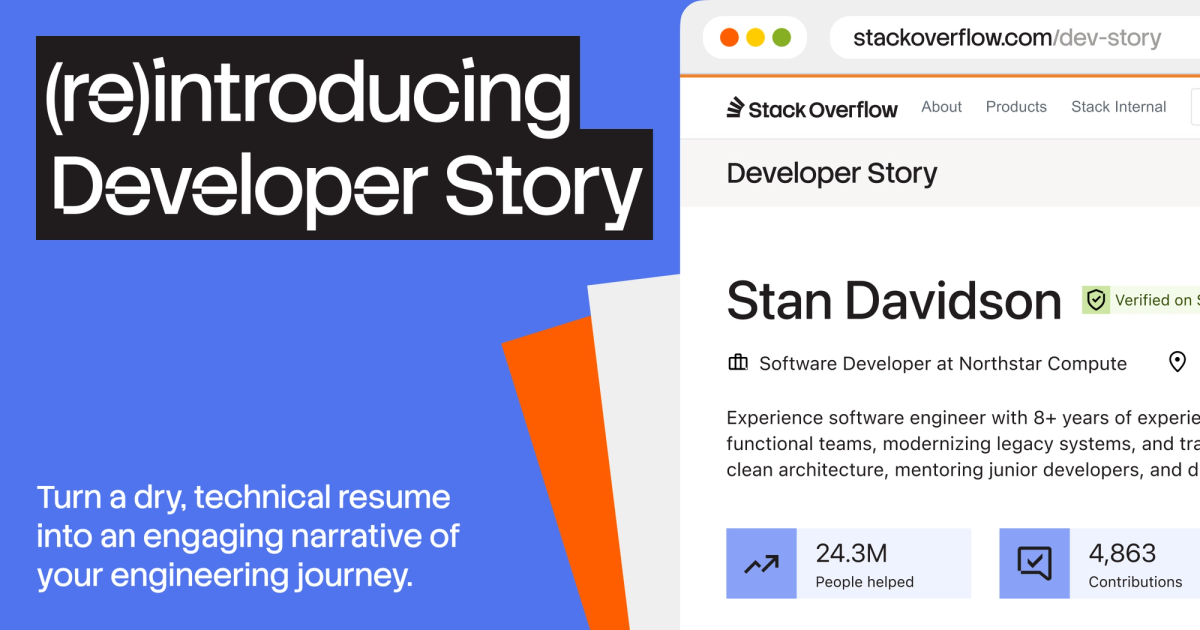
Stack Overflow is addressing the growing challenges in tech hiring, exacerbated by AI's influence leading to untrustworthy and generic resumes. Their solution, the re-introduced Developer Story, offers a platform for developers to authentically showcase their work, expertise, and impact through verifiable contributions and personal projects. This aims to provide hiring teams with more objective insights and help genuine talent stand out in a crowded market.