15 results found

The Federal Reserve has rapidly escalated its focus on artificial intelligence, moving from near-ignoring the technology to intensely debating its profound economic implications on jobs, growth, and inflation. Fed Chair Kevin Warsh highlighted AI as a "hinge point" for the economy, amidst concerns about a potential AI bubble and whether massive tech spending is exacerbating current price spirals.

The world faces a potentially unprecedented El Niño, projected to be the strongest on record with global implications for weather, water, and the economy. Already rapidly strengthening, it threatens diverse regions with extreme weather, from increased rainfall in some areas to severe droughts in others. Experts are on high alert for widespread impacts.

SpaceX reported a $541 million net loss in its first quarterly earnings since its record-setting June IPO, continuing a trend of deficits for Elon Musk's ambitious aerospace firm. Despite the loss, its stock saw a brief pre-announcement surge after weeks of decline, highlighting the company's capital-intensive path to space economy dominance.

As developers, we understand data, but often overlook our own digital footprints. This article offers practical strategies to reclaim online privacy, covering everything from auditing your presence and fortifying security to leveraging privacy-focused tools and staying informed about emerging threats. Learn to navigate the data economy with intention and build healthier digital habits.

Andrew Yang is championing a new wave of startups focused on lowering the cost of living for average Americans. His latest venture, Nobile Mobile, offers affordable cell service and returns savings to customers, demonstrating a business model that prioritizes giving money back rather than solely extracting it. This initiative aims to address economic pressures, particularly those intensified by AI's impact on wages and jobs.
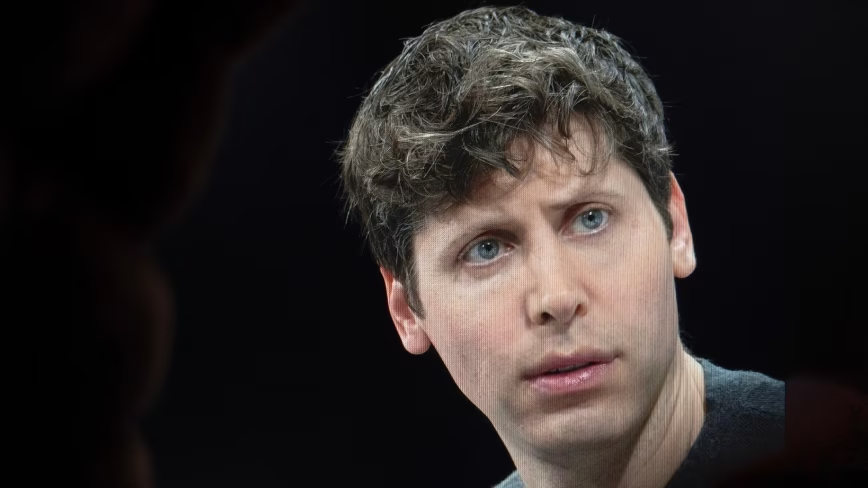
OpenAI CEO Sam Altman now states that a widespread AI-driven jobs apocalypse is improbable, a softer stance than his previous warnings. He predicts significant churn within sectors and specific job displacements, but not an economy-wide collapse, a view supported by initial labor market data.

Recent commencement speeches at the University of Central Florida and the University of Arizona saw speakers booed for discussing artificial intelligence. Graduates expressed widespread pessimism about AI's impact on their future job prospects, reflecting broader anxieties about the economy. This trend suggests a significant shift in how the younger generation views technological advancements.

Indie games have quietly sparked a revolution, transforming from a niche sideshow into a major force in the industry. Driven by accessible tools like the Godot engine and developer independence, indies are revitalizing abandoned genres and creating new ones. They now account for nearly half of Steam's full-game revenue, building a thriving, self-sufficient economy outside traditional publishing.

California gubernatorial candidate Tom Steyer has proposed a groundbreaking plan to guarantee jobs for workers displaced by AI, funding it through a novel "token tax" on big tech. The initiative aims to make California the first major economy to protect its workforce from automation's impact by creating jobs in key sectors and establishing an AI Worker Protection Administration. This long-shot proposal faces political challenges but highlights growing concerns over AI's economic effects.

In a significant move to shape the burgeoning AI economy, OpenAI has unveiled a comprehensive set of policy proposals designed to navigate the economic and social shifts brought about by superintelligent machines. The

Tucker Carlson's provocative merchandise, like his "NY Commie" hat, highlights a significant trend in the modern influencer economy: content creators transforming into direct-to-consumer merch stores. This strategy, seen across the digital landscape, allows influencers to monetize their brand and audience directly, even sparking ironic interest from opposing political factions.

Displaced by AI, a growing number of white-collar professionals, including lawyers, scientists, and journalists, are now reluctantly training the very AI models that rendered their jobs obsolete. This emerging gig economy reflects a bleak reality and a stark warning for the future of employment.
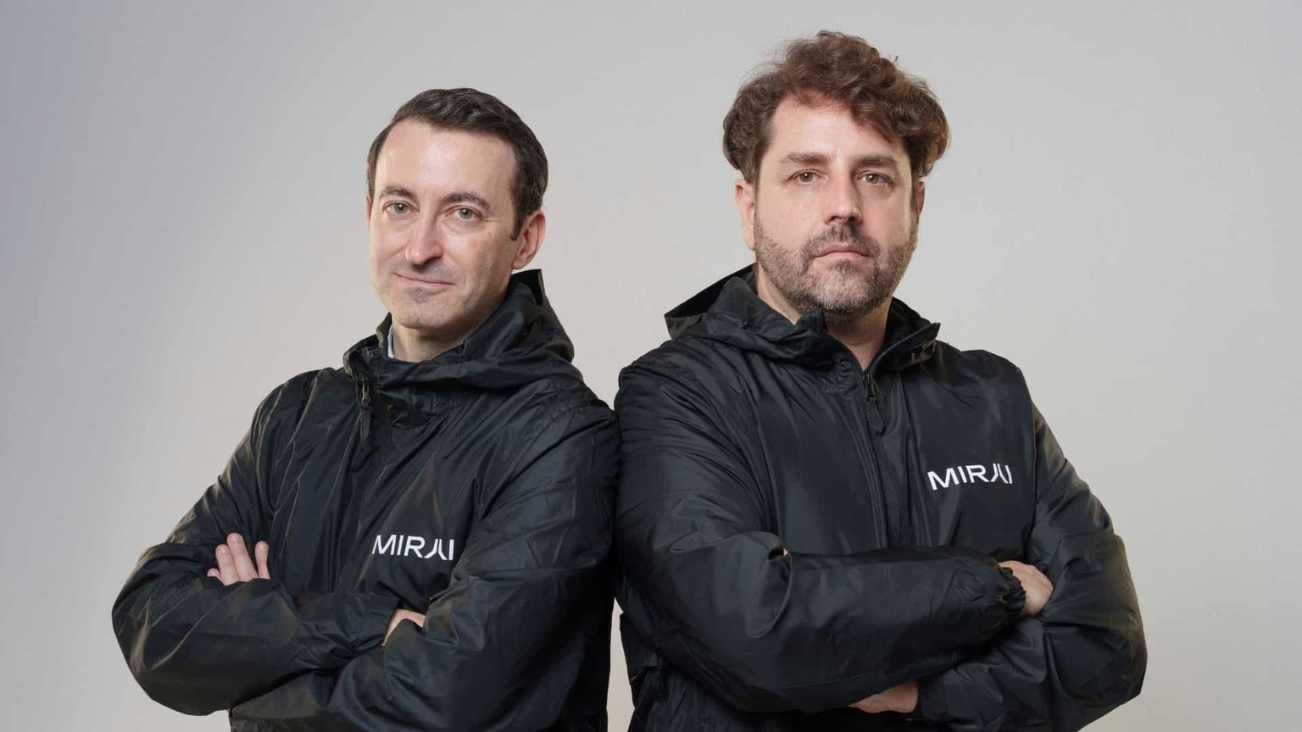
Mirai Robotics, an Italian startup, has secured $4.2 million in pre-seed funding to develop autonomous surface vessels and a maritime intelligence platform. This investment targets the "blue economy," aiming to introduce software-defined control to oceans to combat rising costs, workforce shortages, and enhance surveillance. The company’s innovative technology promises to unlock new efficiencies and address critical security challenges in marine environments.

Creator Economy Shifts Beyond Ads, India's AI in Focus The rapidly evolving creator economy is seeing a significant pivot away from traditional ad revenue, with leading creators establishing diverse business empires.

The creator economy is rapidly evolving beyond ad revenue, with digital entrepreneurs like MrBeast building business empires through product lines and startup acquisitions. This shift highlights how influence is becoming infrastructure, though its scalability beyond top creators remains a key question. TechCrunch's Equity podcast unpacks this trend alongside developments in AI, fintech, and global tech infrastructure.
