3 results found

A new OECD report highlights a massive gap in how US and European employers use software for algorithmic management. US firms sanction workers with software at 16 times the European rate, a disparity driven by regulatory differences. The report also warns that the EU's AI Act may not cover most of these tools, as they don't necessarily use AI.
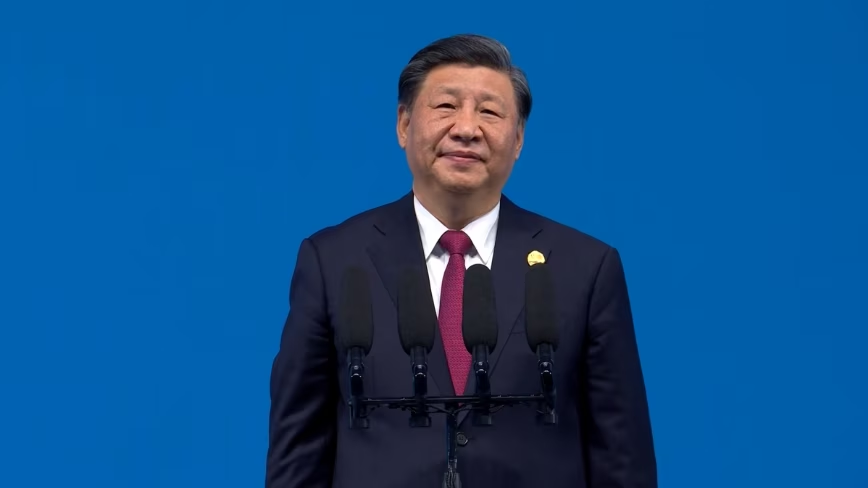
Chinese President Xi Jinping proposed a China-led open-source AI community and invited BRICS nations to join the World AI Cooperation Organization (WAICO) at the recent BRICS summit. This push for global collaboration contrasts sharply with Beijing's ongoing internal debates about restricting its own advanced AI models. Meanwhile, the EU's comprehensive AI Act, with its clear, enforceable rules for open-source AI, highlights a significant divergence in global AI governance approaches.

The European Commission's selection of Siemens Chairman Jim Hagemann Snabe as its special envoy for industrial AI has ignited a major conflict-of-interest controversy. This appointment comes swiftly after Siemens actively lobbied to significantly amend the EU AI Act, notably securing an exemption for industrial AI. Critics argue this decision grants advisory power to the very industry that recently weakened the regulatory framework.