8 results found
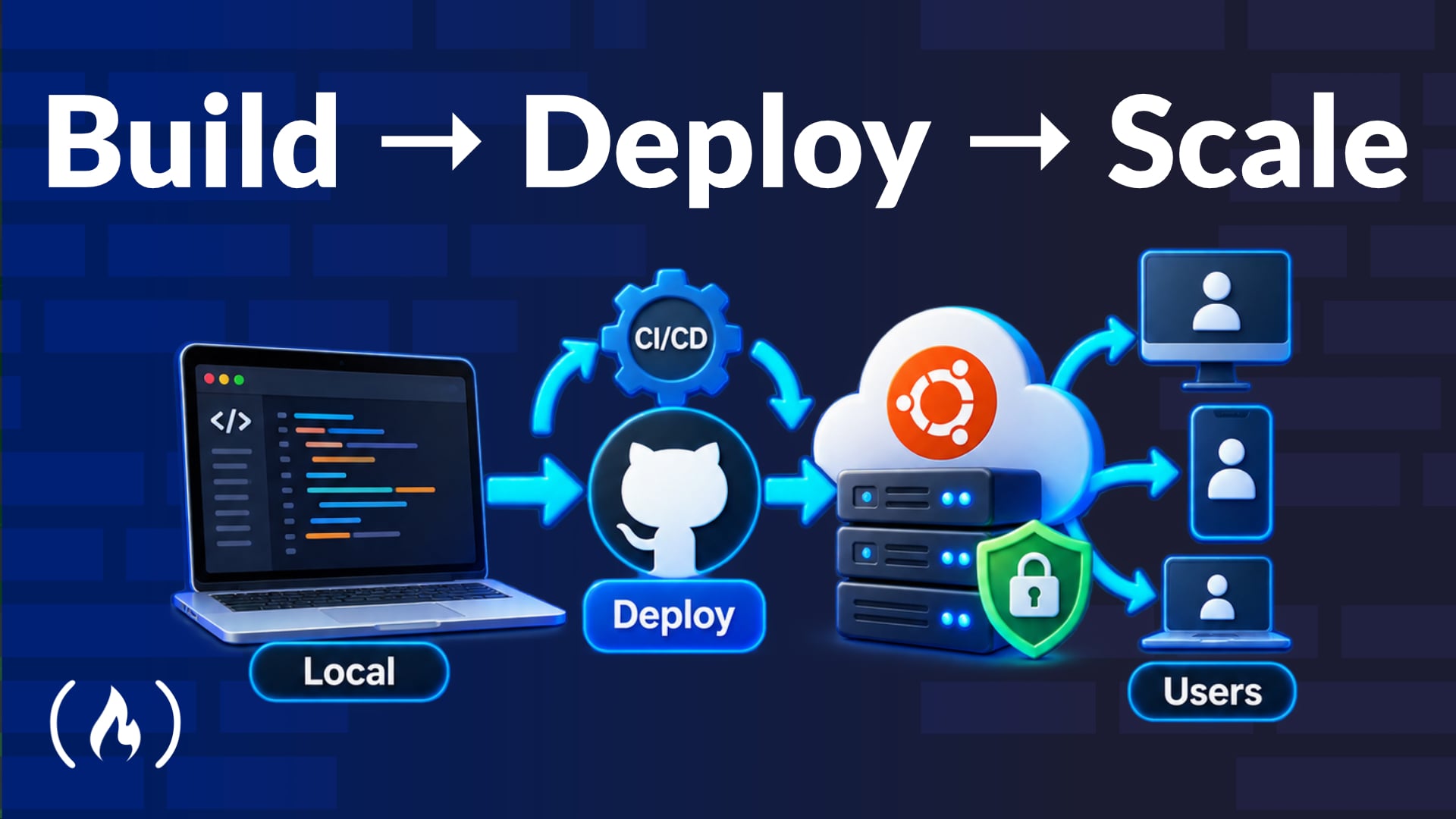
This article highlights a comprehensive freeCodeCamp.org course on deploying, securing, and automating full-stack web applications. It covers crucial steps from server provisioning and foundational security with UFW and Fail2Ban, to application runtime setup, data management, global access via Nginx and Cloudflare, and robust CI/CD pipelines with GitHub Actions. The course emphasizes a hands-on approach, integrating continuous security testing and observability, culminating in a production-ready application.
VentureBeat has appointed Rob Strechay as its first Lead Analyst, spearheading a significant expansion into specialized enterprise AI research. This strategic move aims to provide technical decision-makers with objective, data-driven insights into the complex challenges of evaluating and deploying AI solutions. Strechay, with nearly three decades of experience, will cover critical areas like cloud infrastructure, advanced data, DevOps, and AI security, while also hosting a revitalized "VB In Conversation" series.

The role of a modern QA engineer extends far beyond simply finding bugs. With rapid development cycles and complex systems, QA engineers now proactively engage throughout the entire software development lifecycle, from requirement clarification to production issue investigation. They utilize diverse technical skills like API testing, SQL, and automation, focusing on preventing issues and ensuring quality is built into the product collaboratively.

For startups building an MVP, embracing complex infrastructure like Kubernetes too early can be a major hindrance. This article, inspired by insights from Render's CEO Anurag Goel, argues for prioritizing product development over operational overhead. Learn why simpler, managed platforms are often the best choice for accelerating time-to-market and validating your core business idea.
AI is set to revolutionize Infrastructure as Code (IaC) by automating code generation and deployment, shifting the developer role from direct authors to architects and validators. While this promises increased agility, it highlights critical needs for robust guardrails and policy-as-code. Deep systems knowledge remains crucial for human oversight, validation, and complex problem-solving in this evolving landscape.

This guide helps developers understand and implement informal threat modeling. It outlines seven critical questions, from identifying assets and adversaries to documenting assumptions and unaddressed threats, emphasizing that threat models are living documents. Using examples like Matrix's flawed approach and the benefits of passkeys, it demonstrates how this practice leads to more robust and user-friendly software designs.

This guide demonstrates how to self-host an S3-compatible object store using MinIO on your staging server. By leveraging Docker Compose and Traefik for HTTPS, you can significantly reduce cloud storage costs while maintaining a production-like environment for development and testing. It covers setup, application configuration, and secure file interactions.

Dana Lawson, Netlify's CTO, shares insights on building and leading a lean, globally distributed engineering team. Her approach emphasizes a strong written culture, intentional in-person connections, and pragmatic tech choices to power 5% of the internet with only ~50 R&D staff. AI agents play a crucial role in augmenting communication and documentation.
