6 results found

Astronomers have achieved a significant breakthrough, confirming the existence of LHS 1140 b, a rocky exoplanet boasting an atmosphere within its star's habitable zone. Located 48 light-years away, this discovery marks the first time all three crucial criteria for potential habitability—rocky composition, suitable orbital distance, and a confirmed atmosphere—have been met. The findings propel the search for life beyond Earth into an exciting new phase.
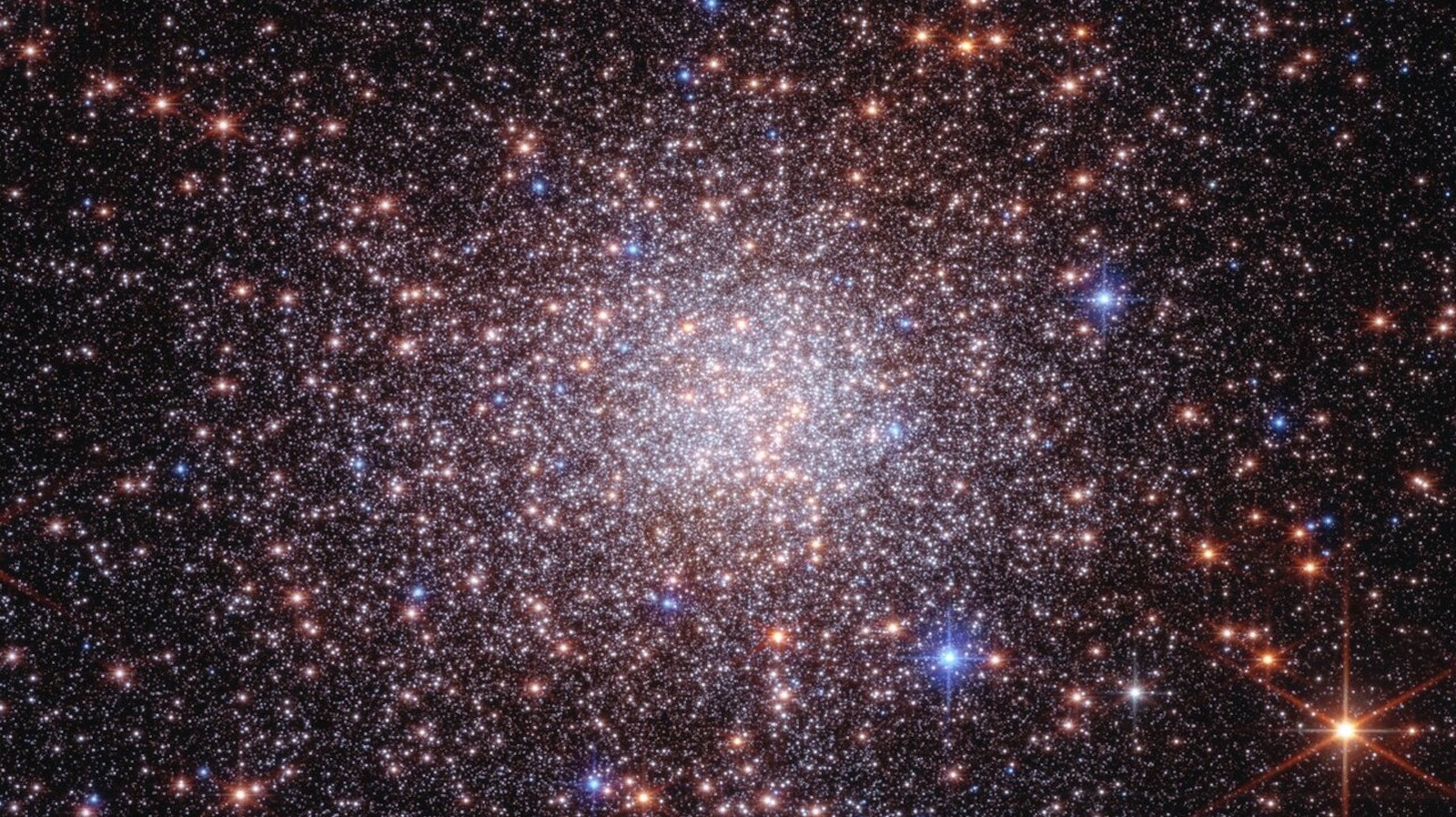
The James Webb Space Telescope, in collaboration with Hubble, has revealed Terzan 5 as a "bulge fossil fragment," challenging previous classifications and offering profound new insights into galaxy formation. This discovery showcases Webb's unparalleled capabilities in exploring the universe's most elusive secrets.

Verdict: A Captivating Look into Medieval Science and Legend Ars Technica's piece, "Did a medieval flying monk spot Halley’s comet, twice? It’s complicated," delivers a fascinating exploration of a niche historical

NASA has confirmed that a meteor exploding over New England caused a powerful sonic boom felt across multiple states on Saturday, May 31, 2026. Traveling at 75,000 mph, the meteor fragmented 40 miles high, releasing energy equivalent to 300 tons of TNT. This natural celestial event explains the widespread noise and shaking experienced by residents.
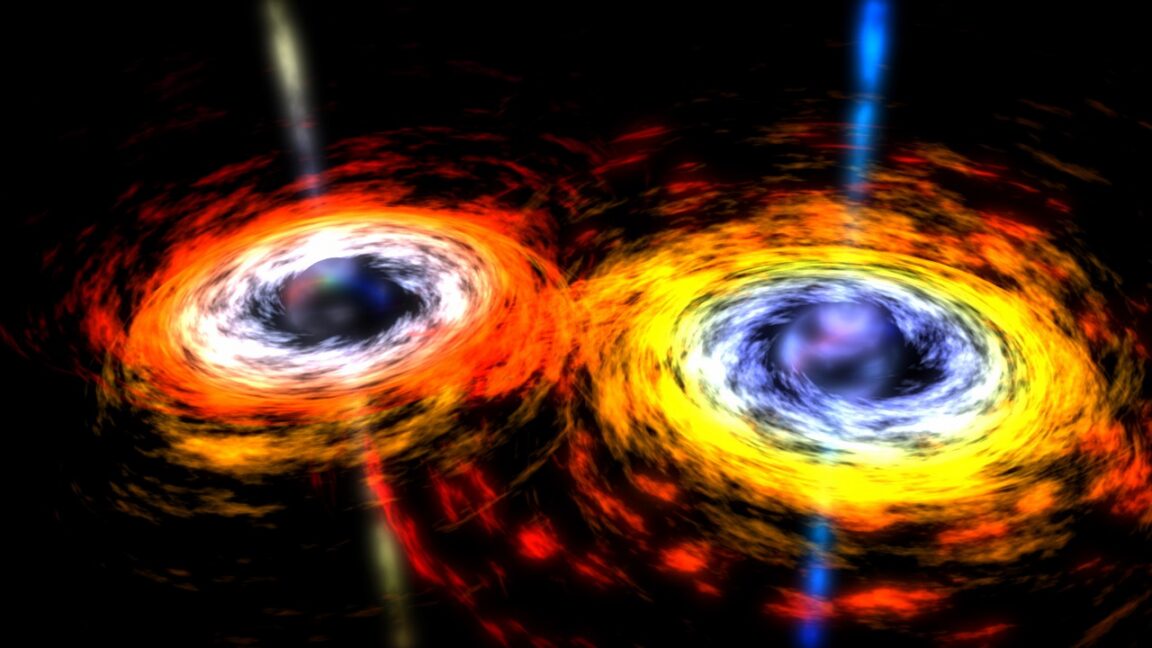
Verdict Gravitational wave data from LIGO and other detectors has provided compelling new evidence supporting a long-theorized cosmic phenomenon: the 'mass gap' in black hole populations. This isn't a consumer product,
This comprehensive review dives into six fascinating scientific breakthroughs, from revived battery tech and smart wearable sensors to AI deciphering ancient games and lab-grown brain cells playing Doom. We explore the innovation, potential impact, and current limitations of these cutting-edge developments, offering a peek into the future of science.
