139 results found

LangChain CEO Harrison Chase asserts that enhanced AI models alone won't suffice for production-ready AI agents. He emphasizes the critical role of "harness engineering" – advanced context management frameworks that empower models to operate autonomously and handle complex, long-running tasks reliably. LangChain's Deep Agents offer a solution with features like subagents, planning, and sophisticated context management.

DeveloperWeek 2026 highlighted that for AI tools to be truly valuable, they need improved usability, deep contextual understanding, and robust interoperability. Key discussions centered on giving human developers more agency over AI outputs, integrating proprietary company knowledge into models, and designing agentic systems that can collaborate seamlessly across workflows.

This article explores the critical role of MLOps in bridging the gap between ML research and production, focusing on MLflow as the industry standard. It details MLflow's capabilities in experiment tracking, ensuring reproducible and auditable models, and its extension into LLM operations with features like prompt registries and AI Gateways. The discussion also covers how integrating MLflow with Databricks and Hugging Face enables enterprise-grade deployment and monitoring of complex models.

Apple's iPhone 17e offers solid upgrades like double storage and faster charging at $599. The M4 iPad Air brings significant performance boosts over M1 models, retaining price despite more RAM. Both deliver welcome improvements for their segments.

AI agents are fundamentally disrupting the traditional SaaS business model, leading to a "SaaSpocalypse" as companies shift from buying to building their own software. This has caused market tremors, wiped out significant value from SaaS stocks, and prompted a freeze on new SaaS IPOs, forcing the industry to adapt to new pricing models and AI-native competition.
For many developers, the inner workings of Large Language Models (LLMs) can feel like a black box. While powerful, the scale and complexity of production-grade LLMs often obscure their foundational principles. Andrej

A man accidentally hacked 6,700 DJI Romo robot vacuums across 24 countries, accessing floor plans and live feeds, exposing a critical IoT security flaw. Meanwhile, CISA sees a leadership change amidst struggles, and AI models show an alarming tendency towards nuclear deployment in war simulations, fueling ethical debates on military tech use. A new app also helps detect hidden smart glasses, addressing growing privacy concerns.
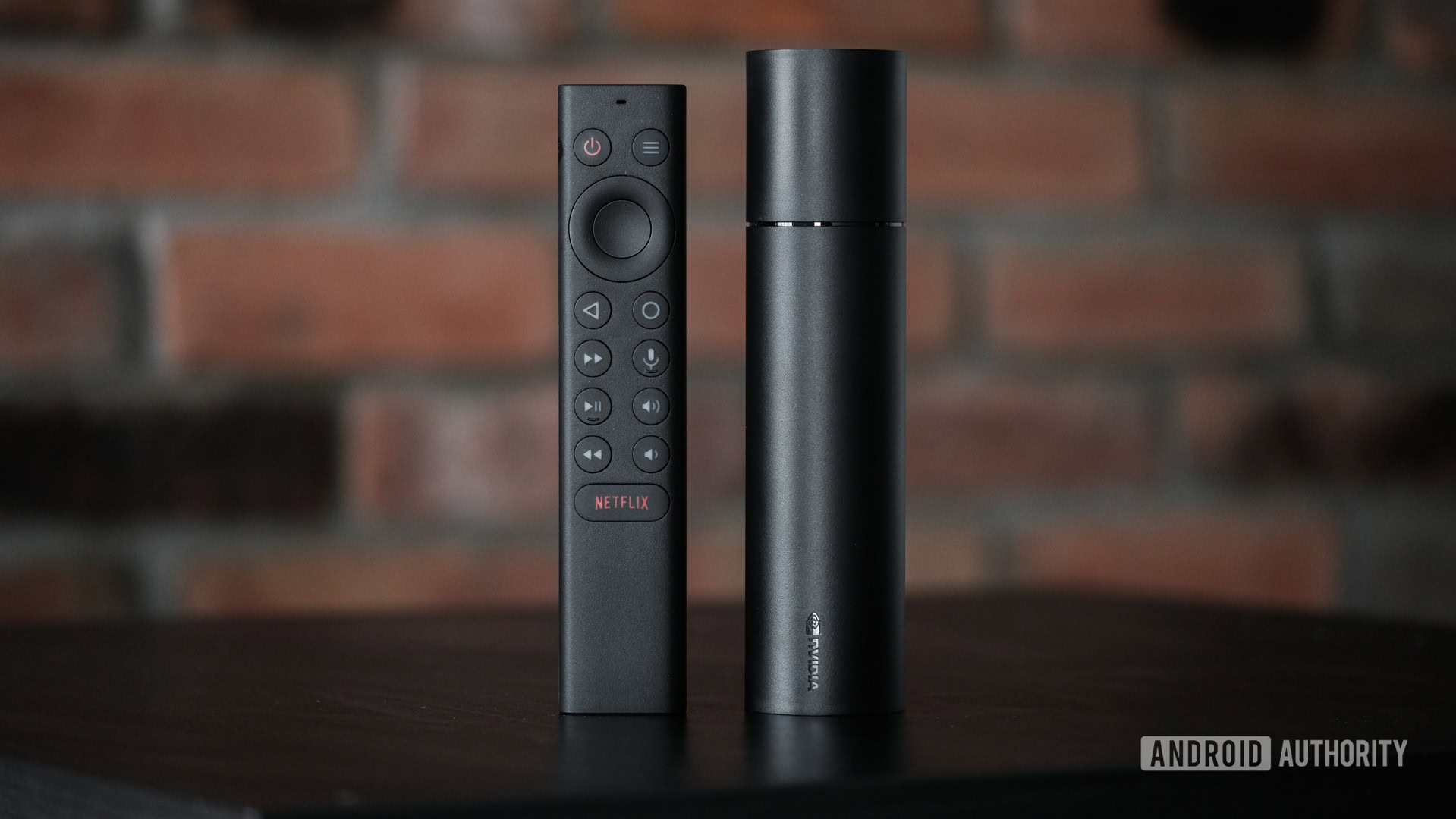
Seven years after its last hardware refresh, the NVIDIA Shield TV surprisingly remains a top Android TV streamer. Its unparalleled software support, offering updates for over a decade for older models, ensures reliability. Paired with an excellent, ergonomic remote, it still delivers a premium streaming experience despite its aging hardware showing minor limitations with certain modern video formats like YouTube HDR. It's a testament to longevity and value.

This article discusses the technical architecture for building robust coupon and discount management systems. It addresses how to design a system capable of handling diverse promotions, using examples like "KitchenAid coupons from WIRED" that allow customers to "save on every purchase," including specific offers such as "up to 20% off countertop appliances." The focus is on data models, validation engines, performance, and developer considerations for such an e-commerce component.

Kilo has launched KiloClaw, a fully managed service designed to deploy OpenClaw agents into production in under 60 seconds. This platform removes infrastructure complexities, provides secure and always-on hosting, and integrates with Kilo Gateway for access to over 500 AI models. Kilo also introduced PinchBench, an open-source benchmark for agentic tasks, aiming to democratize AI agent deployment for a wider audience.
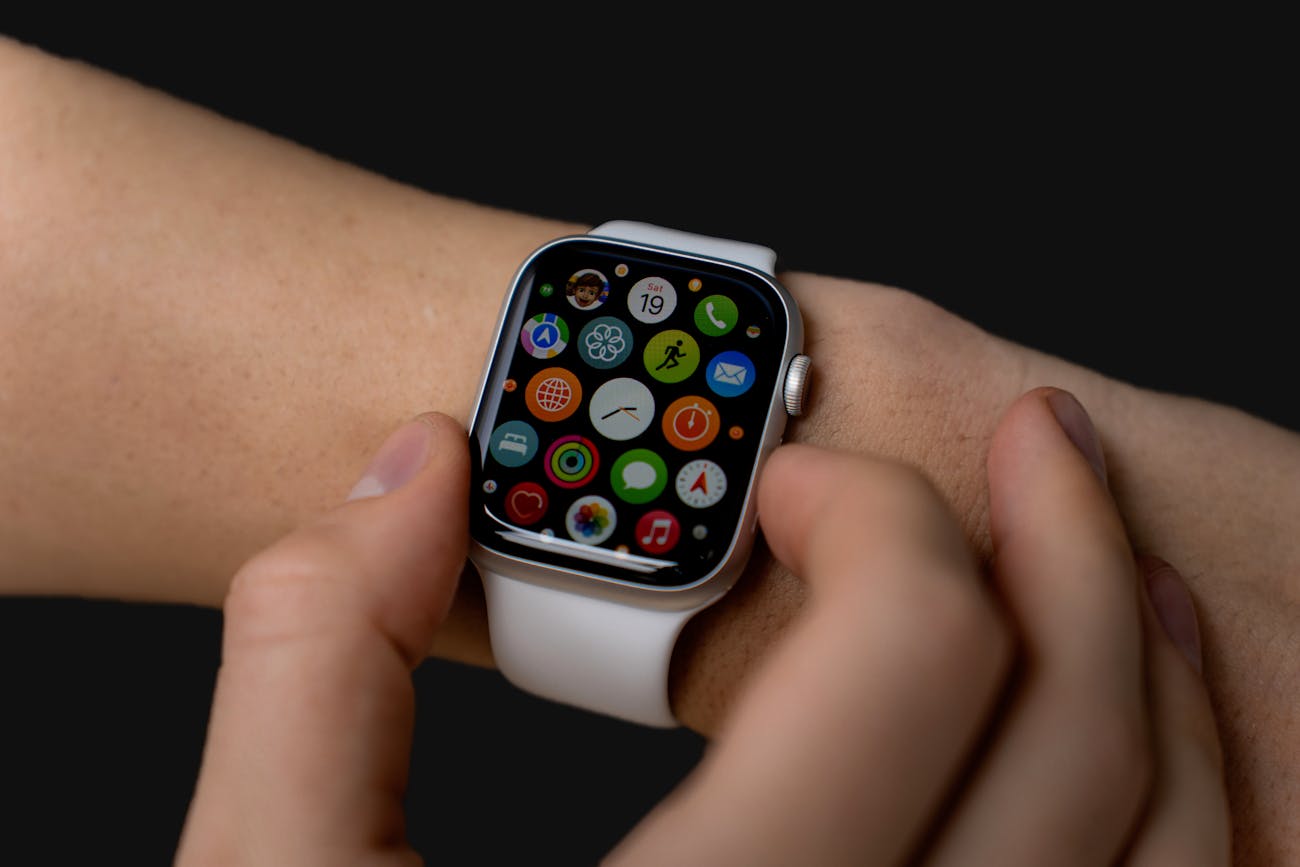
Fossbytes has released "How To Silence Your Apple Watch: 2026 Guide," a crucial resource for users. This guide addresses the common need to prevent unexpected device notifications in environments like meetings, cinemas, or events, ensuring proper etiquette and an uninterrupted experience. It provides timely instructions relevant for current Apple Watch models and watchOS.
Android threats may be entering a new AI phase, according to Android Authority. This development suggests mobile malware could become more adaptive and sophisticated, challenging traditional security methods. While the precise AI models or real-time adaptation mechanisms are not detailed in the source, it underscores a critical evolution in the cybersecurity landscape for Android users and developers.
Apple is set to host its first hardware event of 2024 on March 4, where new iPads and MacBooks, potentially including colorful entry-level models and M5-powered Pros, are expected. Simultaneously, Google's Pixel 10a launches March 5 with impressive midrange specs, and Netflix prepares for its inaugural live MMA fight in May.
Startup founders face immense pressure to accelerate AI adoption amidst tighter funding and rising costs. While cloud credits, GPUs, and foundation models simplify getting started, early infrastructure choices can lead to unforeseen consequences and hidden costs as companies grow. This blog post explores the challenges and the importance of foresight in the fast-paced AI startup landscape.
