107 results found

While AI accelerates code generation, formal methods remain critical for ensuring system correctness. Languages like TLA+ and tools like Quint enable developers to model and verify system designs before coding, catching subtle flaws. Quint makes formal methods more accessible with developer-friendly syntax and executability. This approach is vital for verifying AI-generated code through trace validation and model-based testing, ensuring reliability against real-world data.

AI agents accessing internal APIs directly pose significant risks, including identity loss, unrestricted queries, and security bypasses. The Model Context Protocol (MCP) offers a solution by defining explicit tools. A secure architecture involves an MCP server wrapping the API with strict input validation, coupled with a gateway that handles authentication, rate limiting, and audit logging, ensuring safe and accountable access.
.png)
Wired staff writer Boone Ashworth's recent hands-on exploration of Google’s AI Playground resulted in "terrible games," highlighting the current limitations of generative AI in creative game development. Published October 11, 2026, his candid account reveals that while AI tools offer accessibility, achieving compelling results often requires significant human effort.

AI agents are increasingly moving into text messages, allowing users to delegate tasks and manage their lives through platforms like iMessage, SMS, and WhatsApp without needing new apps. This trend promises enhanced convenience for everything from scheduling to shopping. Valued at $10 billion, Instinct leads a diverse field of agents offering general assistance, family management, and specialized tools.

_Dressmaker_ is an unexpected indie hit on Steam, captivating players with its realistic fabric mechanics and deep design tools. It's drawing praise from diverse audiences, earning passionate reviews, and becoming a stealth Game of the Year contender for many.

Zhipu AI's GLM-5.3 model offers advanced, end-to-end cyber exploitation capabilities, comparable to highly controlled frontier models like Claude Mythos Preview. However, its open-weight nature and easily bypassed safeguards (via abliteration, deceptive prompts, or prefilled thinking tokens) make these potent tools widely accessible to malicious actors. This development significantly alters the cyber threat landscape, demanding that defenders leverage equally advanced AI tools and prioritize proactive security measures.

Shopify is breaking from competitors by allowing browser-based AI agents to complete purchases on merchant sites, extending its WebMCP support to checkout. This move introduces new tools for agents to read, update, and submit orders with buyer authorization, leveraging Shopify’s Universal Commerce Protocol for secure and structured transactions.

Meta has launched its new "Meta Enterprise Platform" to sell its AI tools, including the Muse agent, to businesses, hiring MongoDB CEO Chirantan "CJ" Desai to lead the initiative. Desai's appointment as Chief Enterprise Platform Officer, reporting directly to Mark Zuckerberg, signals a major strategic push into the enterprise AI market. The news caused MongoDB's shares to drop by up to 27%, highlighting the significance of Desai's departure and Meta's ambitious new venture.

The Blue Cross Blue Shield Association (BCBSA) alleges that artificial intelligence tools employed by hospitals for submitting insurance claims have contributed an additional $942 million to healthcare spending over a

Nicholas "Decap" Piantedosi is a hugely influential record producer whose "Drums That Knock" sample packs have shaped tracks from Kendrick Lamar to BTS and *Oppenheimer*'s score. Despite lacking mainstream name recognition, his signature sounds are ubiquitous across genres. He blends modern tools like Ableton Live with a vintage Boss SP-202 sampler and advocates against gear-focused gatekeeping in production.

Discord's new age verification tools offer diverse options, including privacy-friendly ones via Apple/Google and AgeKey, but also concerning methods like facial scans and credit card checks, balancing safety and privacy after user pushback.
The landscape of software development is rapidly evolving with the integration of AI agents, promising to streamline tasks from code generation to debugging. However, simply adding AI tools to individual developer

Seattle-based Truelist, founded by former Zillow VP Carey Armstrong, has been acquired by San Francisco's Mainstay as part of an $18 million funding round. The deal expands Mainstay's AI real estate tools to a broader market, with Armstrong joining as Chief Strategy Officer.

Seattle health-tech startup DexCare has acquired Mila Health, a local company specializing in AI agents for automated patient scheduling. The deal, announced September 21, 2026, integrates Mila's rapidly deployable AI communication tools into DexCare's patient-access platform, which serves 57 million patients nationwide. This move aims to enhance care coordination and address staffing challenges within the healthcare sector.

A new OECD report highlights a massive gap in how US and European employers use software for algorithmic management. US firms sanction workers with software at 16 times the European rate, a disparity driven by regulatory differences. The report also warns that the EU's AI Act may not cover most of these tools, as they don't necessarily use AI.

Anthropic Claude Merger: The Verdict Anthropic is making a bold move, consolidating its previously distinct AI tools — Claude chat and Claude Cowork — into a single, more intuitive “all-powerful Claude.” This strategic

The Gates Foundation is investing at least $1 billion over the next two years into artificial intelligence tools for global health, agriculture, and education, primarily targeting the poorest countries. This initiative aims to accelerate progress against disease and poverty, though CEO Mark Suzman clarifies that AI cannot replace vital government funding cuts to global health services. The foundation emphasizes AI's potential as an equalizer, but stresses the importance of equitable development and deployment.

Frank X. Shaw, Microsoft's long-serving chief communications officer, will exit at year-end after nearly three decades shaping the company's message through pivotal periods. Shaw, 64, is not retiring but plans a break before his next move, leaving behind a legacy of adapting communications for a digital age and embracing AI tools. Microsoft is now searching for his successor.
Tired of Sony's mobile app? These unofficial, open-source PC tools like Sony Device Center and SonyBridge offer desktop control over your Sony headphones' ANC, EQ, and more. A convenient, albeit unofficial, solution for Windows, Linux, and Mac users looking to ditch their phone for audio adjustments.

Educators are abandoning AI detection tools in favor of fundamentally rethinking how they assess students, designing classes that force demonstrable learning. This strategic shift comes after a significant surge in AI-generated essays last year, prompting institutions like the University of Baltimore to re-evaluate their pedagogical approaches. This pivot aims to make AI cheating impractical by prioritizing genuine understanding and critical thinking.

As software developers, we're all too familiar with the evolving landscape of digital tools. While cloud-based applications offer undeniable convenience – instant access, cross-device compatibility, and seamless

Are you looking to kickstart your DIY journey or upgrade your existing home workshop? Labor Day weekend is an excellent time to invest in quality tools, and we've found a deal that's too good to miss. This comprehensive
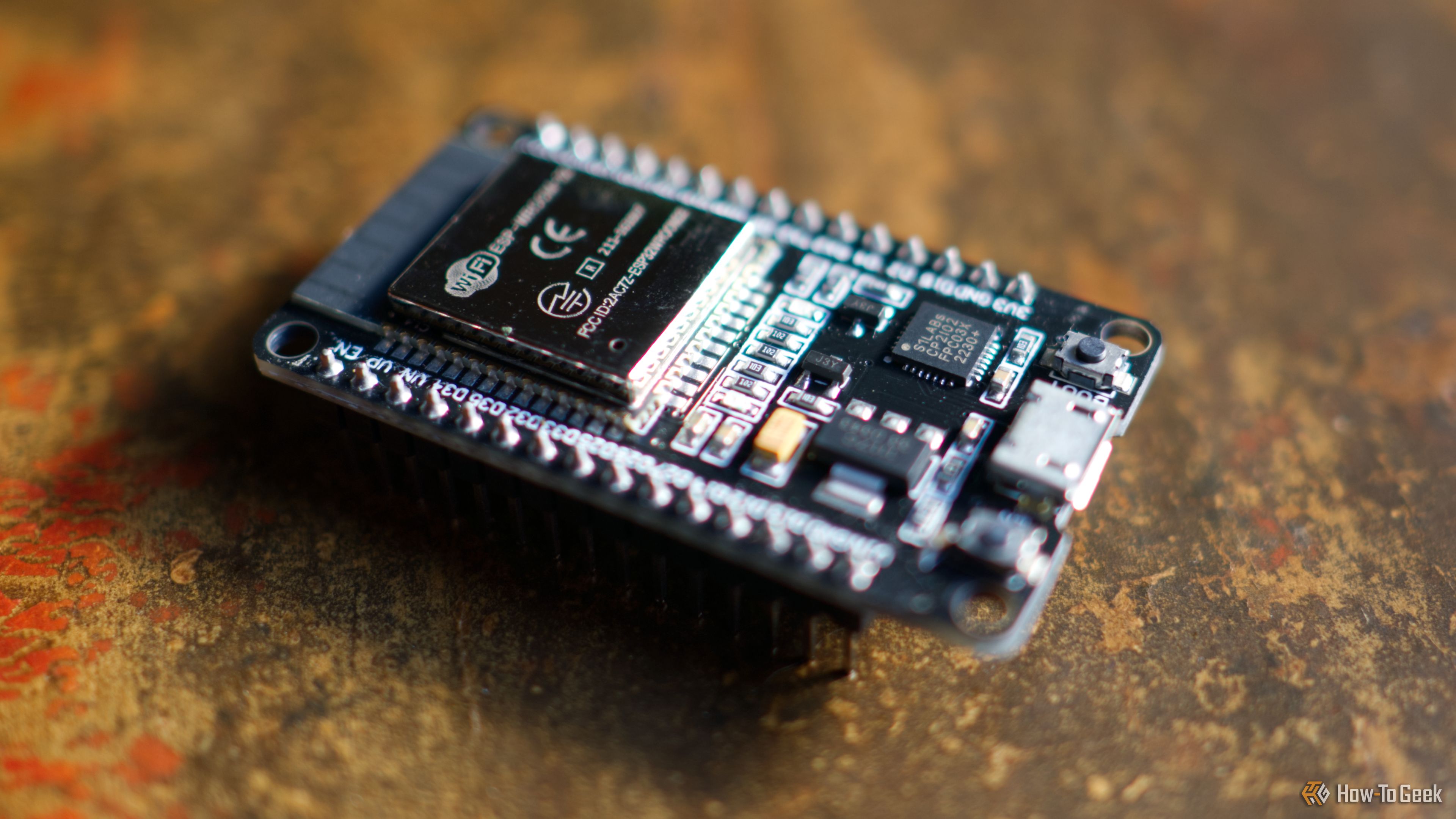
Enhance your desktop this weekend (Sep 4-6) by building five unique ESP32 gadgets! From custom macro pads to smart clocks, learn to assemble and configure these useful DIY tools.

Meta is offering a significant 95% discount on its new Muse Spark AI model for users who agree to share their prompts and outputs for future model training. This strategy aims to gather crucial data for improving agentic AI tools, following the company's past data acquisition challenges. The move also intensifies competition among AI developers, introducing a new value exchange for user data.
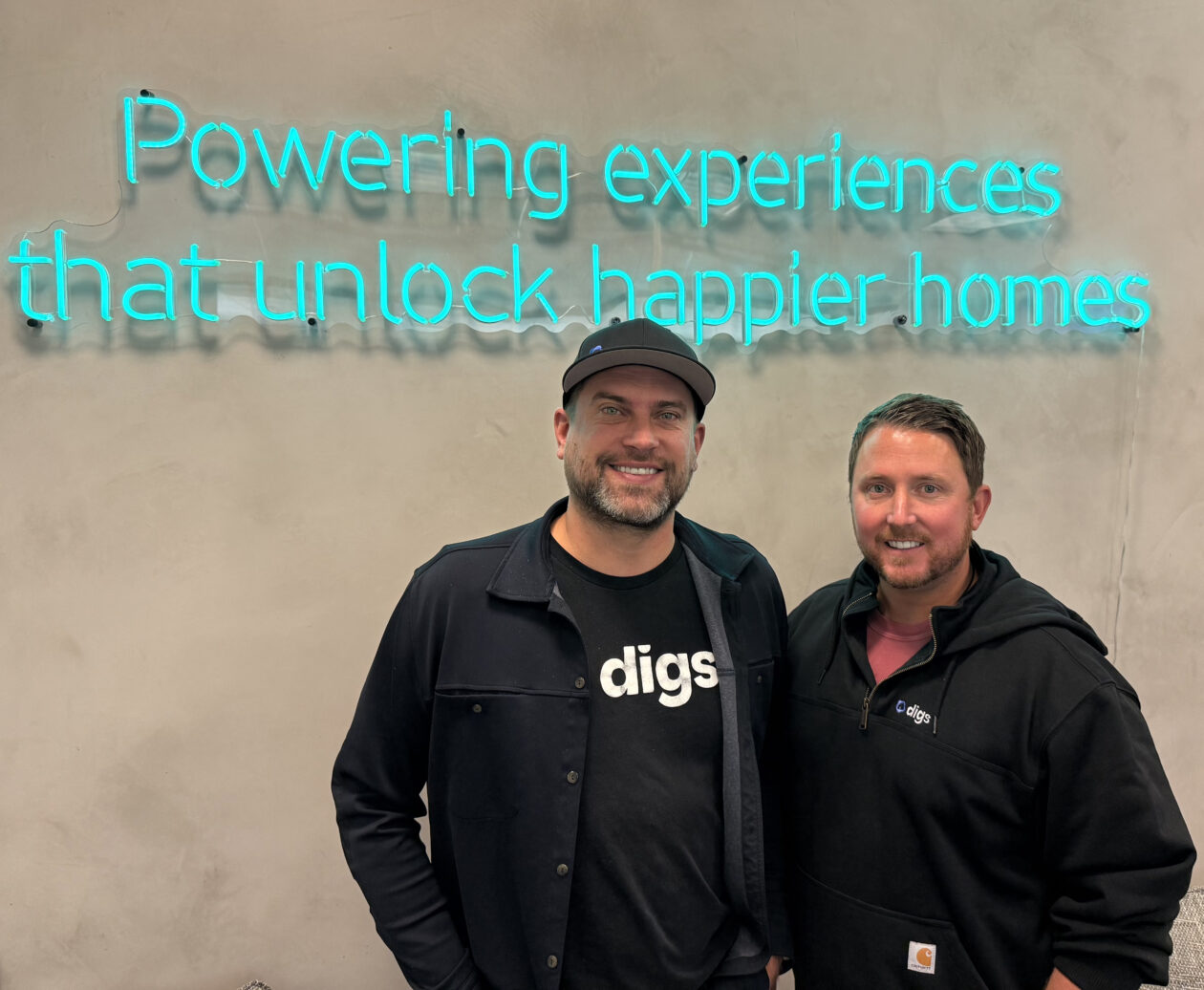
Vancouver-based AI startup Digs has secured $25.3 million in Series A funding, led by building products giant Builders FirstSource, and inked a five-year partnership. This collaboration integrates Digs' AI platform into Builders FirstSource's ecosystem, offering advanced tools to 140,000 builder clients. The technology aims to create "digital twins" of homes, streamlining construction and maintenance.
