
ZDNet's 2026 RAM Advice: Practical Guidance for PC & Mac
Quick Verdict ZDNet’s deep dive into RAM requirements for 2026 offers a pragmatic, consumer-focused guide for Windows, Mac, and Chromebook users. It clearly establishes 16GB as the new standard for most Windows PCs and

Quick Verdict
ZDNet’s deep dive into RAM requirements for 2026 offers a pragmatic, consumer-focused guide for Windows, Mac, and Chromebook users. It clearly establishes 16GB as the new standard for most Windows PCs and new Macs, while acknowledging Apple’s efficiency allows 8GB to still be viable for lighter Mac workloads. The article provides solid, actionable advice, distinguishing between everyday users and demanding professionals, making it a valuable resource for anyone considering a PC upgrade.
Understanding the Digital Backbone: RAM in 2026
In the ever-evolving landscape of personal computing, the question of 'how much RAM do I need?' remains a perennial challenge for many. ZDNet’s recent article, 'How much RAM does your PC need in 2026? My advice after using Windows and Mac for years,' tackles this head-on, leveraging years of experience across different operating systems. The author emphasizes the 'performance trifecta' of processor, storage, and RAM, positioning RAM as the computer’s critical short-term memory, essential for seamless multitasking and overall system responsiveness. It's the digital workspace where active applications and data reside, ready for instant access, preventing slowdowns often associated with constantly pulling from slower permanent storage.
Key RAM Recommendations by Operating System
ZDNet provides clear, distinct recommendations tailored to the major operating systems, acknowledging their varying efficiencies:
-
Windows PCs: For Windows machines, the article firmly states that 16GB of RAM has become the operational minimum for new consumer laptops. While Microsoft's official minimum for Windows 11 is 4GB, the reviewer strongly advises 16GB as a baseline for a smooth user experience, especially given modern workloads involving numerous browser tabs, background applications, and increasingly, generative AI tools. Anything less, it suggests, will restrict users to basic tasks.
-
MacBooks: Apple's ecosystem, known for its optimization, presents a slightly different scenario. ZDNet notes that 8GB of RAM on a Mac can 'go a bit further' than on a Windows laptop for daily workflows. However, it highlights that Apple themselves moved to make 16GB the starting point for the MacBook Air M4 and M5 models. For general daily use, even new Neo models with 8GB are deemed solid, but for more intensive tasks, MacBook Pro models offer 24GB, 36GB, or more, making them some of the most powerful and priciest laptops available.
-
Chromebooks: For Chromebooks, which run the lightweight ChromeOS, the advice is even more modest. 8GB or less is considered perfectly adequate for handling browser-based tasks and Google Suite applications, offering snappy performance at a lower price point. The trade-off, of course, is limited access to Windows-specific desktop applications.
The DDR5 Standard Explained
The article also touches upon a crucial technical detail: DDR, or 'double data rate.' It explains that DDR technology enhances data transfer speeds between RAM and other components, notably the processor. DDR5 is presented as the latest and fastest standard, effectively becoming the new default for modern RAM modules. A specific, more energy-efficient variant, LPDDR5X (low-power double data rate 5X), is also mentioned as being designed for mobile devices. The article notes that while the next generation, LPDDR6, has been announced by JEDEC, its implementation in consumer devices is yet to be seen, implying that DDR5 and LPDDR5X will remain prevalent for some time.
When to Consider an Upgrade: Beyond the Baseline
For users with more demanding requirements, ZDNet's advice extends beyond the 16GB baseline:
-
32GB for Gamers and Creative Professionals: This capacity is strongly recommended for those who play resource-intensive games (especially mod-heavy ones, a recommendation echoed by Microsoft) or use video editing and photography software. The author shares a personal anecdote, noting his 32GB setup adequately handles gaming, photo/video editing, and virtual machines, though he occasionally sees RAM usage exceeding 70% under heavy loads.
-
48GB or 64GB for Extreme Workloads: For truly specialized tasks, such as 8K video editing or running multiple heavy applications simultaneously, the article suggests that 48GB or even 64GB of RAM might be necessary. It cites high-end laptops like the M5 MacBook Pro or Dell Premium 16 as examples capable of delivering this level of performance.
Pros and Cons of ZDNet's Advice
Pros:
- Clear, Actionable Tiers: The advice is presented in easily understandable tiers (basic, average, heavy, extreme user), making it simple for consumers to identify their needs.
- Operating System Nuance: It effectively differentiates RAM requirements across Windows, Mac, and ChromeOS, acknowledging the architectural efficiencies of each.
- Future-Proofing Mentality: By recommending 16GB as a baseline for Windows and new Macs, it steers users towards a setup that should handle increasing software demands for a reasonable lifespan.
- Personal Experience Backing: The author's professional and personal use cases lend credibility and relatability to the recommendations.
- Simple DDR Explanation: The brief explanation of DDR5 helps demystify a technical spec without overwhelming the reader.
Cons:
- Limited Deep Dive on Mac 8GB vs. 16GB: While it states 8GB on Mac 'goes further,' the article could have provided a more detailed explanation of how Apple's optimization specifically impacts real-world usage and why it still considers 8GB for some new models while pushing 16GB as a new standard for others. This might confuse users trying to decide between 8GB and 16GB Macs.
- General Examples for Extreme Use: While 8K video editing is a clear use case for 48GB/64GB, more diverse examples of 'heavy apps simultaneously' could have enhanced the guidance for users who don't specifically edit 8K video.
- Cost vs. Performance Unexplored: A linked article mentions 'RAM prices are ridiculous in 2026,' but this specific piece doesn't integrate the cost factor into its buying advice or discuss the 'poor return on investment' for excessive RAM in more detail beyond a brief analogy, which would be crucial for a consumer making a purchasing decision in a high-price environment.
Buying Recommendation
Based on ZDNet's comprehensive advice, my recommendation is straightforward: start with 16GB of RAM for any new Windows PC or Mac. This provides a strong foundation for current and near-future workloads, ensuring a smooth multitasking experience. If you’re a serious gamer, a video editor, or a graphic designer, 32GB is the sweet spot for optimal performance without excessive overspending. Only consider 48GB or 64GB if your professional workflow explicitly involves extremely demanding tasks like high-resolution video production or complex scientific simulations, where every bit of memory directly translates to productivity.
FAQ
Q: Is 8GB of RAM still acceptable for any new computer in 2026?
A: According to ZDNet, 8GB of RAM is generally acceptable for Chromebooks and, thanks to Apple's optimization, can still suffice for basic daily tasks on a Mac. However, for a new Windows PC, 16GB is now considered the operational minimum for a smooth user experience with modern software and multitasking demands.
Q: What is DDR5, and do I need it?
A: DDR5 is the latest and fastest standard for RAM, improving data transfer speeds. ZDNet indicates that DDR5 has effectively become the new standard for RAM in modern computers due to user demand for faster performance. While you don't necessarily need to specifically seek it out, most new PCs offering 16GB or more will likely come equipped with DDR5 (or LPDDR5X for mobile devices) as a standard feature, contributing to overall system speed.
Q: How do I know if I need 32GB of RAM instead of 16GB?
A: ZDNet advises considering 32GB if you're a gamer who plays resource-demanding or mod-heavy titles, or a creative professional who regularly edits photographs and videos, runs virtual machines, or uses other similarly intensive applications. If your current 16GB system frequently feels sluggish or shows high RAM usage (e.g., above 70%) during your typical workload, an upgrade to 32GB would likely provide a significant performance boost.
Related articles

Ars Technica's Rocket Report: Your Essential Space Industry Briefing
Quick Verdict Ars Technica's Rocket Report, presented by veteran space reporter Stephen Clark, offers an invaluable and meticulously organized weekly (or similar frequency, implied by "Edition 9.15") digest of the most
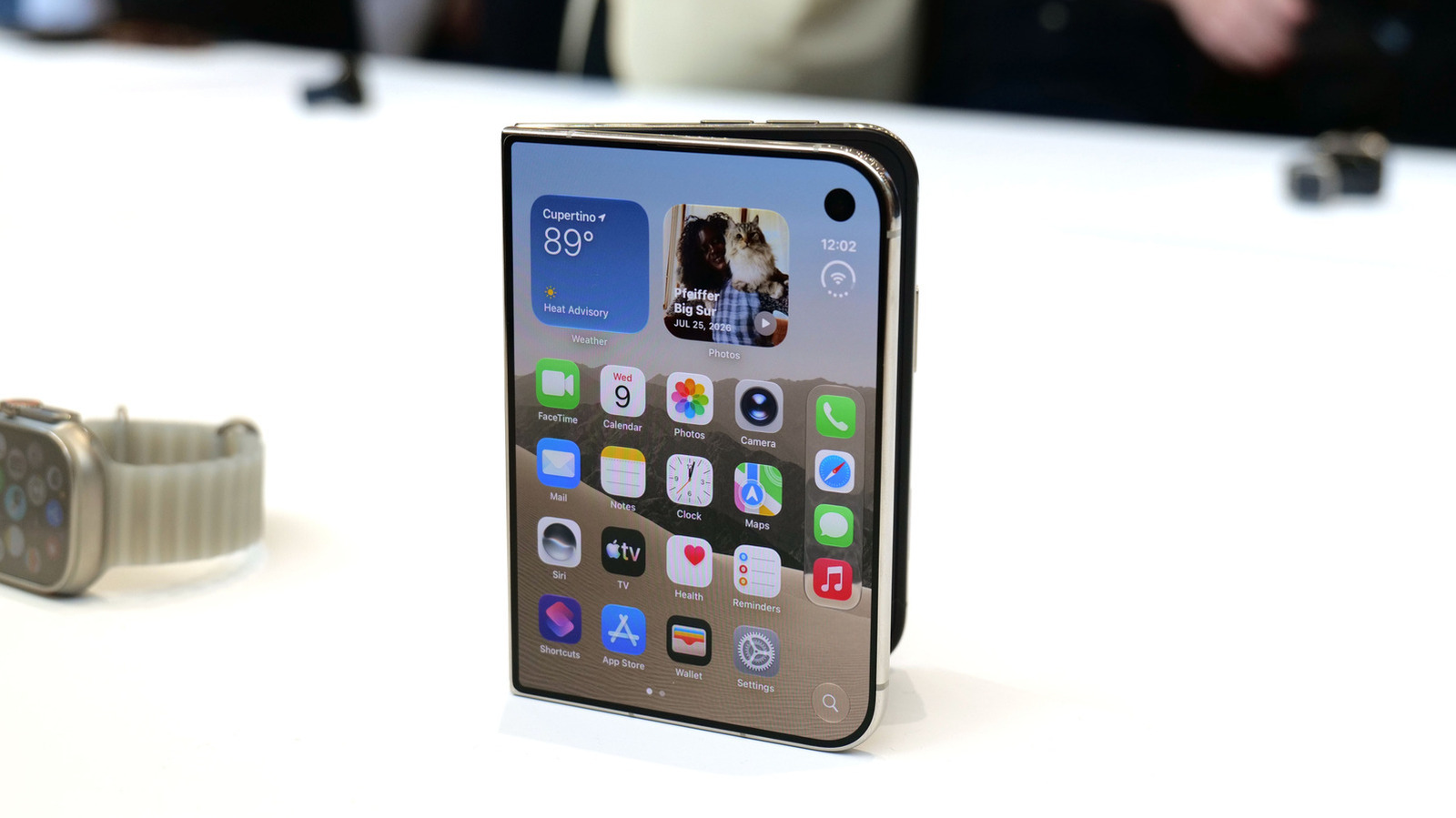
Apple iPhone Duo: A Daring Debut with Notable Compromises
Apple's highly anticipated iPhone Duo, priced at $2,000, has gone on pre-order. While hailed as "Apple's most exciting device in a decade" for its innovative foldable design and immersive display, it comes with significant drawbacks like the absence of FaceID and a premium camera.
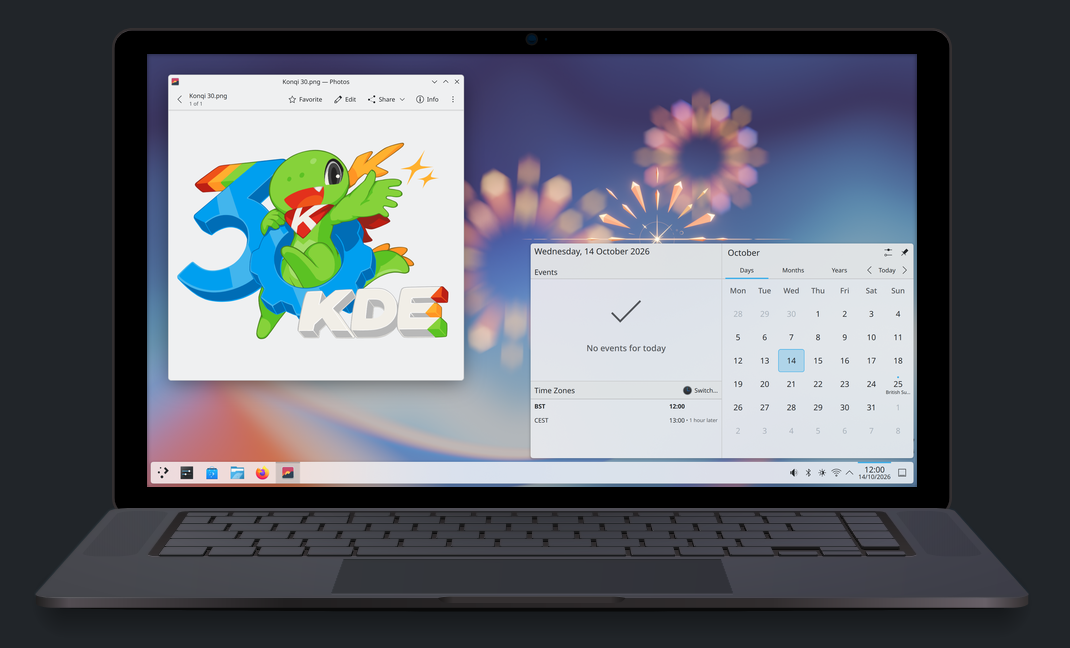
KDE Plasma 6.8: A Future-Focused 30th Anniversary Update
Quick Verdict KDE Plasma 6.8, arriving as the "30th Anniversary Edition," is a pivotal release that decisively pushes the desktop environment into the future. With a definitive farewell to native X11 sessions and a

Kojima Compares Divisive New Film 'Digger' to MGS2's Prescient Vision
Gaming icon Hideo Kojima has praised the divisive 2026 film *Digger*, drawing intriguing parallels to his own prophetic game, *Metal Gear Solid 2*. Both works, he explains, uniquely explore the dangers of misinformation and a fragmented digital reality, anxieties he shares with *Digger*'s director, Alejandro González Iñárritu.
Galaxy Watch One UI 9 Beta: Promising Progress, But Patience Needed
Galaxy Watch 8, Watch Ultra, and Watch 7 are receiving a new One UI 9 Watch beta build with bug fixes and a security patch. Active development signals progress, but a stable release date remains elusive.
%20102026%20top%20art%20SOURCE%20Govee.jpg)
in-depth: The Best Permanent Outdoor Lights (2026): Govee, Eufy
WIRED, a leading voice in technology journalism, has just released its updated guide for 2026 on the best permanent outdoor lights, spotlighting top contenders Govee, Eufy, and Cync. These innovative eave lights are