
Your Vinyl Records Aren't Pure Analog – Here's Why That's Perfectly
Learn why most vinyl records have digital origins and how that's perfectly fine. Understand the history, production, and playback realities to enhance your appreciation for your music collection.
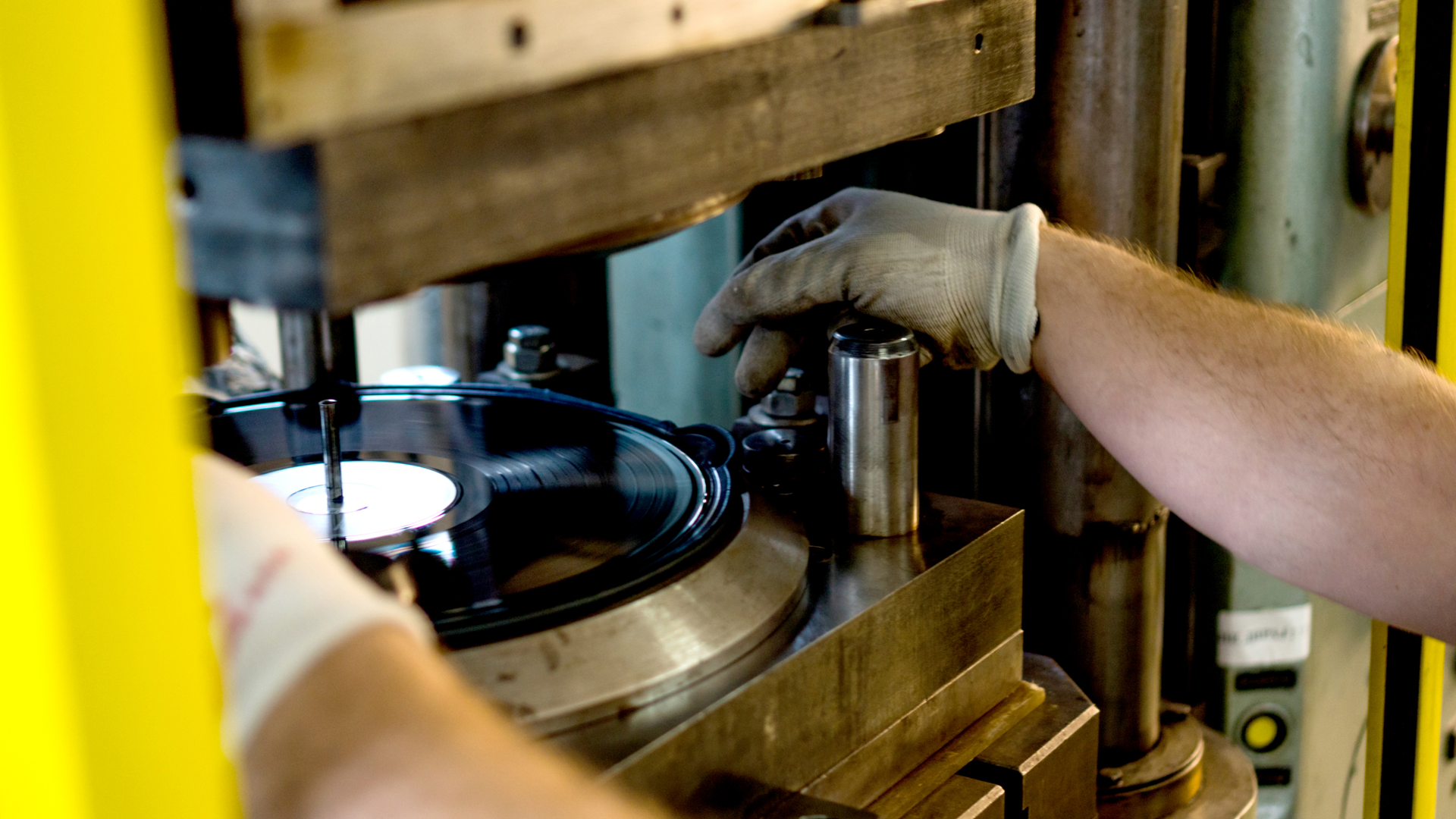
Whether you're a seasoned audiophile or just starting your vinyl collection, there's a certain mystique around the idea of vinyl as a purely "analog" medium. Many believe that this analog nature offers a superior, more detailed sound compared to digital music. But what if we told you that the vast majority of vinyl records you own, especially those from the last several decades, have a significant digital backbone? And, more importantly, what if we told you that knowing this doesn't have to diminish your enjoyment one bit?
This guide will walk you through the surprising digital history and production methods behind your beloved vinyl records. We'll explore how digital technology integrated into the recording process, from the studio to your turntable, and explain why embracing this reality can actually enhance your appreciation for the art of music production. You'll learn to understand the true journey of sound from artist to groove, ultimately empowering you to simply enjoy the music for what it is.
What You'll Need (An Open Mind and Ears!)
To get the most out of this guide, all you really need is:
- An open mind: Be ready to challenge some common perceptions about vinyl.
- A love for music: Your passion for sound is the most important prerequisite.
- Perhaps your favorite record: Listen with new ears as you learn.
Ready to dive in and discover the fascinating truth about your vinyl collection? Let's get started.
Step 1: Debunking the "All-Analog" Myth – A Look Back at Digital's Early Days
The idea that vinyl is, and always has been, a completely analog medium is a widespread misconception that simply hasn't held true for decades. Digital audio recording isn't a new invention; it began making significant strides as early as the 1970s.
- 1971: The Digital Dawn: Denon introduced the world to its PCM (Pulse-Code Modulation) digital recorder. This wasn't just a lab experiment; it was used to create what's believed to be the first commercial digital recording, Steve Marcus with Jiro Inagaki and Soul Media's album, Something.
- Mid-to-Late 1970s: Digital technology advanced rapidly. By the mid-70s, 16-bit PCM recording became feasible, offering greater fidelity. Towards the end of the decade, digital multi-track recorders emerged, revolutionizing studio production. Ry Cooder's Bop Till You Drop is widely considered the first all-digital mainstream album, hitting shelves in 1979.
- The 1980s: Digital Becomes the Norm: The advantages of digital recording – including lower costs, higher quality, and increased control for engineers – were undeniable. Digital multi-track studio recordings, often using DAT (Digital Audio Tape) tapes, became the industry standard. While CDs brought this precision and clarity directly to homes, the studios had already embraced digital for recording almost everything.
Takeaway: Long before the CD era, digital recording was already an integral part of music production. So, even some vintage vinyl records might have digital origins.
Step 2: The CD Era's Lasting Impact on Vinyl Production
The 1980s saw the explosive rise of compact discs, a format celebrated for its crystal-clear digital audio. Yet, despite the popularity of CDs, vinyl records continued to be produced for millions of listeners who still owned turntables. This period marked a significant shift in how vinyl was made.
- Efficiency in the Studio: Music studios weren't going to record and produce albums twice – once for an analog master and again for a digital master. As digital workflows became the preferred and more efficient method for creating master recordings, these digital masters were then used to press vinyl albums.
- Digital Roots for "Analog" Records: This means that a vinyl record released in the post-digital recording era (roughly from the 1980s onwards) was often an analog pressing of audio that originated as a digital recording. The very "cold," "choppy," or "lossy" digital audio that some vinyl purists criticize was frequently the source material for the records they cherish.
Takeaway: The transition to digital master recordings during the CD era meant that much of the vinyl produced from that point onward, even if it physically spins on a turntable, started its life in the digital domain.
Step 3: Modern Vinyl Production: Almost Always Born in a DAW
Fast forward to today, and the trend towards digital origination for vinyl is even more pronounced. If you're buying new vinyl releases, chances are extremely high that the music was recorded, mixed, and mastered using digital tools.
- Digital Audio Workstations (DAWs): These software platforms, like Pro Tools or Logic Pro, are the undisputed standard in modern recording studios. Today's audio engineers are primarily trained on DAWs, making them the central hub for most music production.
- Analog Tape's Digital Journey: Even when artists choose to record directly to analog tape, a technique some embrace for its perceived warmth, that audio nearly always gets digitized at some point. It might be transferred to a DAW for editing, mixing, or mastering, ensuring flexibility and precision that analog tape alone cannot always offer.
- The Point of Digitization: It's crucial to remember: if audio is converted to a digital format at any stage before being pressed onto a vinyl disc, you are ultimately listening to digitally sourced audio. Any presumed additional detail or sonic characteristic attributed to a purely analog recording would be lost at that conversion point.
Dispelling a Myth: The unique sound often associated with vinyl isn't necessarily due to inherent analog superiority, but rather how records are mastered. Vinyl mastering involves specific techniques to accommodate the physical limitations of the medium (like dynamic range and frequency response). Digital recordings can be mastered to replicate these very characteristics, proving that the "vinyl sound" can be achieved through digital means.
Try it Yourself: If you're skeptical, make a high-quality digital recording of one of your own vinyl records. In a blind listening test, you'll likely find it incredibly difficult, if not impossible, to distinguish it from the original vinyl. This illustrates how well digital can capture and reproduce the "analog" sound.
Step 4: Your Playback Chain Isn't Always Pure Analog Either
Even if you diligently seek out rare "AAA" (All Analog) vinyl pressings – meaning the music was recorded, mixed, and mastered exclusively using analog technology – your journey to pure analog isn't over. Your home playback system can easily introduce digital steps.
- Obvious Digital Links: Some modern conveniences explicitly introduce digital conversion. If you're using a Bluetooth-enabled turntable, for example, your audio is being digitized and compressed (unless you're using advanced codecs like aptX Lossless, which still involves digital processing) before it even reaches your speakers. This is a clear case of digital playback.
- Hidden Digital Links: What's less obvious are the digital stages integrated into many modern audio components:
- Receivers with DSP: Many contemporary stereo receivers and integrated amplifiers convert incoming analog signals (including those from your turntable's phono input) to digital internally. This allows for features like room correction, bass management, and various digital signal processing (DSP) effects, all of which require analog-to-digital conversion (ADC) and digital-to-analog conversion (DAC).
- Built-in Phono Stages: Some turntables or receivers with integrated phono preamplifiers might include an ADC step within the phono stage itself, digitizing the signal even before it reaches the main amplifier circuits.
Takeaway: To achieve a truly end-to-end analog experience, every single component in your playback chain, from the cartridge to the speaker drivers, must be purely analog. This is a far more challenging and rare setup than most people realize.
Step 5: Why This Knowledge is Liberating (Not Disappointing)
Learning about the pervasive digital influence in vinyl production and playback might initially feel like a letdown if you've clung to the "pure analog" ideal. However, this realization is actually incredibly freeing.
- The MoFi Revelation: Consider the case of Mobile Fidelity Sound Lab (MoFi), a company highly regarded by high-end vinyl enthusiasts for its supposedly "all-analog" audiophile pressings. When it was revealed that MoFi had been using a digital step in its mastering process for many of these records, it sparked a considerable debate. What's crucial to understand is that for years, these records were lauded as the pinnacle of analog sound by listeners who, in a real-world blind test, simply couldn't discern the digital step.
- Your Ears Don't Lie (About What You Like): If you loved the sound of your records before learning this, you still love that exact same sound now. The objective quality hasn't changed. The enjoyment comes from the sonic characteristics, the ritual of playing a record, the album art, and the connection to the music – not necessarily from a theoretical purity of signal that often doesn't exist.
- Focus on the Music: This knowledge allows you to let go of the need to chase an elusive "pure analog" ideal and instead focus on what truly matters: the music itself. Great recordings, skilled mastering, and a well-maintained playback system will always deliver an enjoyable experience, regardless of the digital steps involved.
Troubleshooting Your Analog Expectations
If you're feeling a bit disappointed or even angry that your vinyl isn't as "analog" as you thought, here are some tips to reframe your perspective:
- Remember the MoFi lesson: Audiophiles, often with very expensive systems, genuinely believed they were hearing pure analog. Their experience was still fantastic. Your experience can be too.
- Your enjoyment is real: The pleasure you get from listening to your records is subjective and valid. This new information doesn't invalidate your past enjoyment.
- Focus on mastering: Instead of fixating on 'analog vs. digital,' appreciate the art of mastering. A well-mastered record will sound excellent regardless of its digital or analog origins.
Best Practices for Enjoying Your Vinyl
Embrace the reality of modern music production and focus on what truly enhances your listening pleasure:
- Invest in quality, not just ideology: Instead of obsessing over "analog purity," invest in good quality components (turntable, cartridge, phono stage, amplifier, speakers) and well-mastered records. These factors have a much greater impact on sound quality.
- Maintain your records and equipment: Clean records, a properly aligned stylus, and well-maintained gear will always make a significant difference in sound.
- Listen to the music: Ultimately, the goal is to enjoy the music. Don't let theoretical debates detract from the experience. Appreciate the unique sonic character that vinyl offers, which is often a result of specific mastering choices for the format, regardless of its original recording medium.
Next Steps and Related Topics
Now that you have a clearer understanding of your vinyl's true nature, consider exploring these related topics:
- Learn more about mastering: Understand how engineers prepare music specifically for vinyl, and how these choices shape the sound.
- Explore different pressings: Compare various pressings of the same album (e.g., an original 70s pressing versus a modern reissue) and listen for differences, acknowledging that mastering and source material might vary.
- Focus on your listening environment: Room acoustics can dramatically impact sound quality. Look into simple ways to improve your listening space.
FAQ
Q: Does this mean all my vinyl records sound the same as streaming digital files?
A: Not necessarily. While many vinyl records originate from digital masters, the mastering process for vinyl is often distinct from that for digital streaming or CD. Vinyl mastering involves specific adjustments to accommodate the physical limitations of the groove, which can result in a different sonic presentation. Additionally, your playback equipment and its characteristics contribute significantly to the final sound.
Q: If my "analog" records aren't truly analog, why do they still have a unique sound?
A: The unique sound of vinyl often comes from several factors: the mastering process tailored for the medium, the subtle coloration introduced by the cartridge and turntable, and even the physical interaction of the stylus in the groove. These elements combine to create a distinct listening experience, even if the original recording was digital.
Q: Should I stop buying new vinyl if it's digitally sourced?
A: Absolutely not! If you enjoy the experience of collecting and playing vinyl, continue to do so. The digital source doesn't diminish the artistry of the music, the tangible experience of owning a physical album, or the unique sonic qualities that can result from vinyl mastering. Focus on enjoying the music and the ritual that vinyl provides.
Related articles

Apple Unveils iPhone Duo: Pricey Foldable Sees Soaring Demand
Apple has officially entered the foldable smartphone arena with the long-anticipated launch of the iPhone Duo. Priced starting at a hefty $1,999, the device features a 5.4-inch outer display and a larger 7.6-inch inner
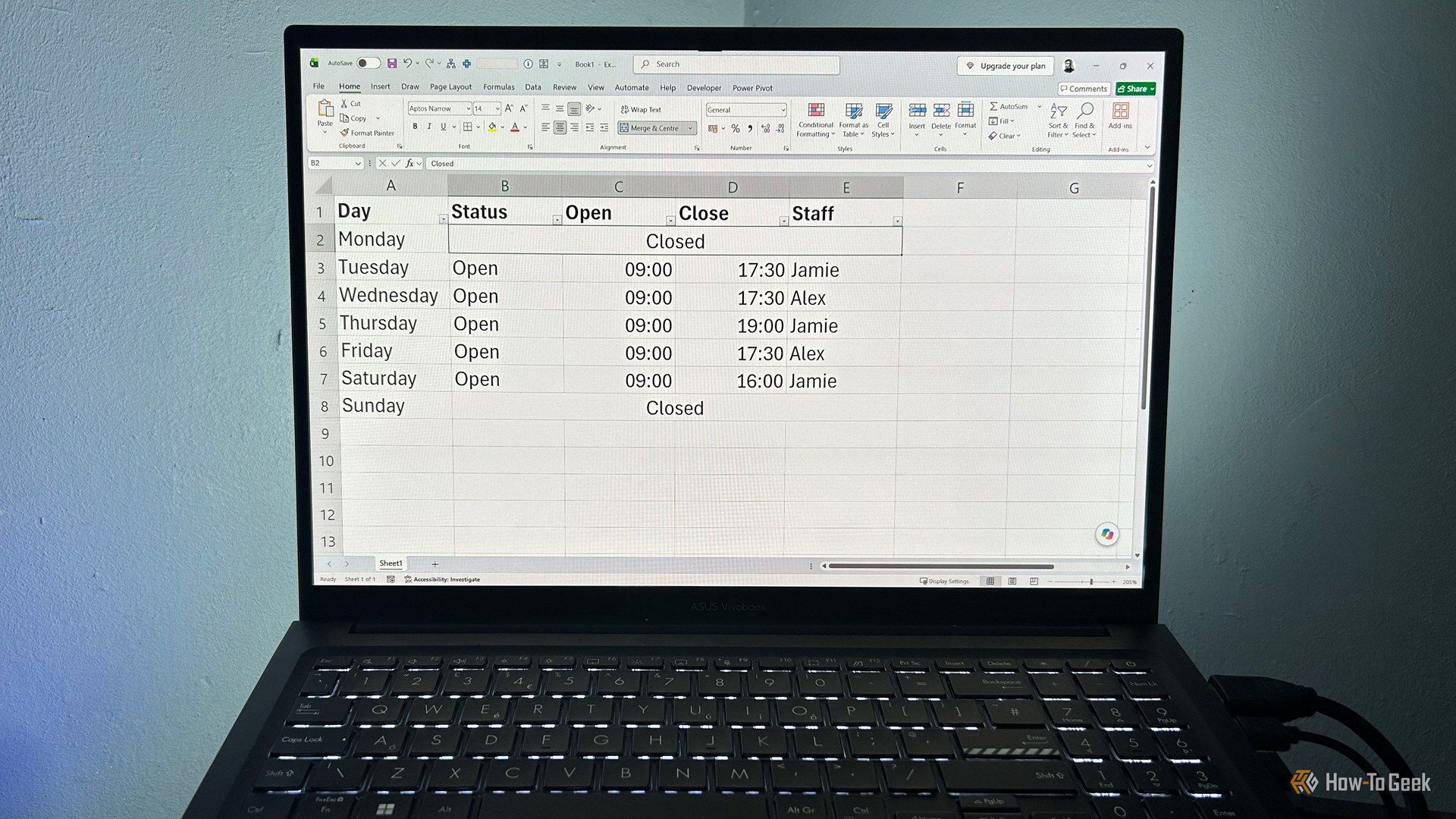
Ditch Merge & Center: The Better Way to Align Text in Excel
Learn to use Excel's "Center Across Selection" to align text across cells without merging, avoiding common data manipulation issues. This guide provides steps to utilize this newly accessible feature and add it to your Quick Access Toolbar.

Ars Technica's Rocket Report: Your Essential Space Industry Briefing
Quick Verdict Ars Technica's Rocket Report, presented by veteran space reporter Stephen Clark, offers an invaluable and meticulously organized weekly (or similar frequency, implied by "Edition 9.15") digest of the most
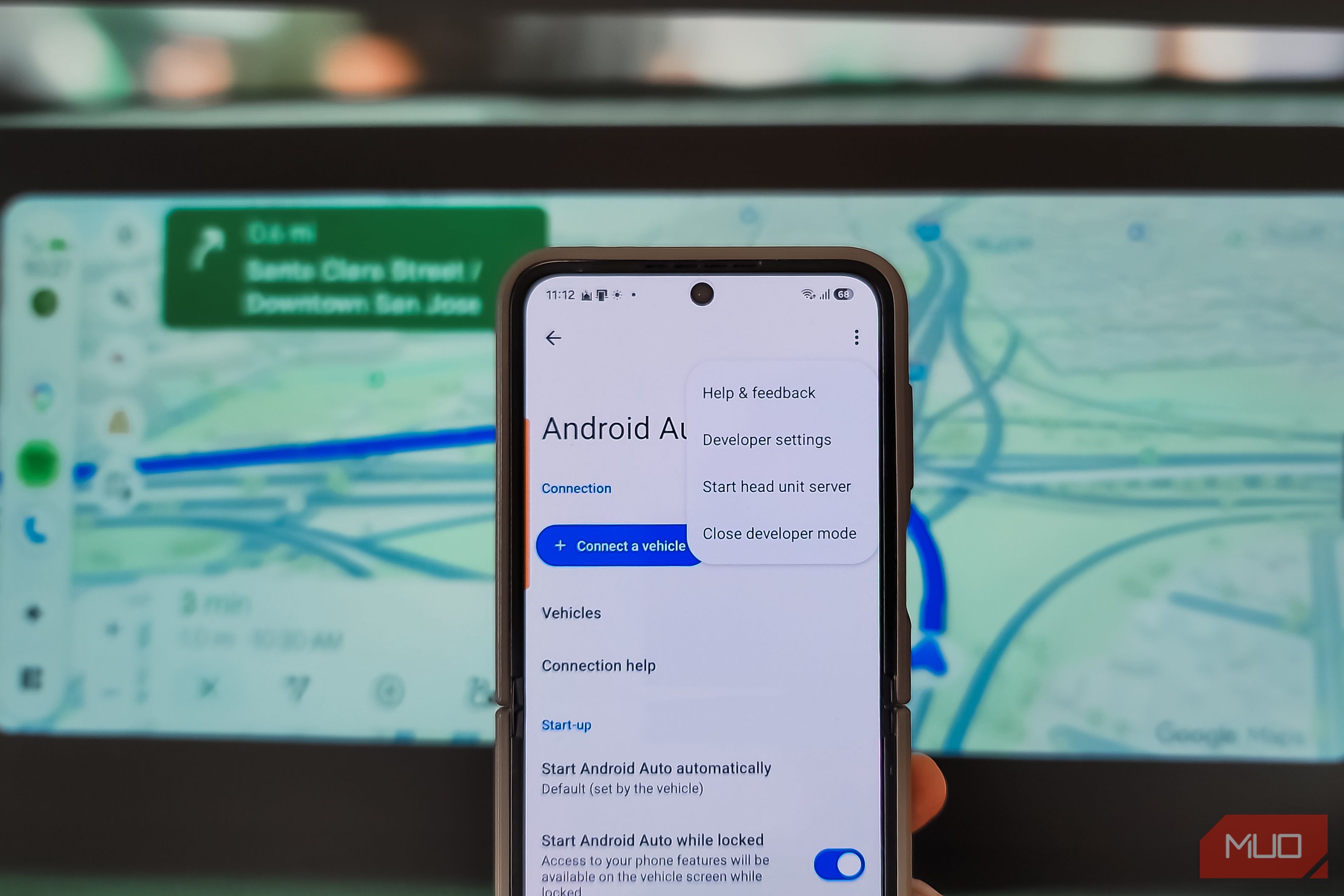
Stop Android Auto Battery Drain: Essential Features to Disable and
Android Auto offers unparalleled convenience, bringing your phone's most useful features directly to your car's display. From navigation and calls to messages and music, it keeps you connected without distracting you
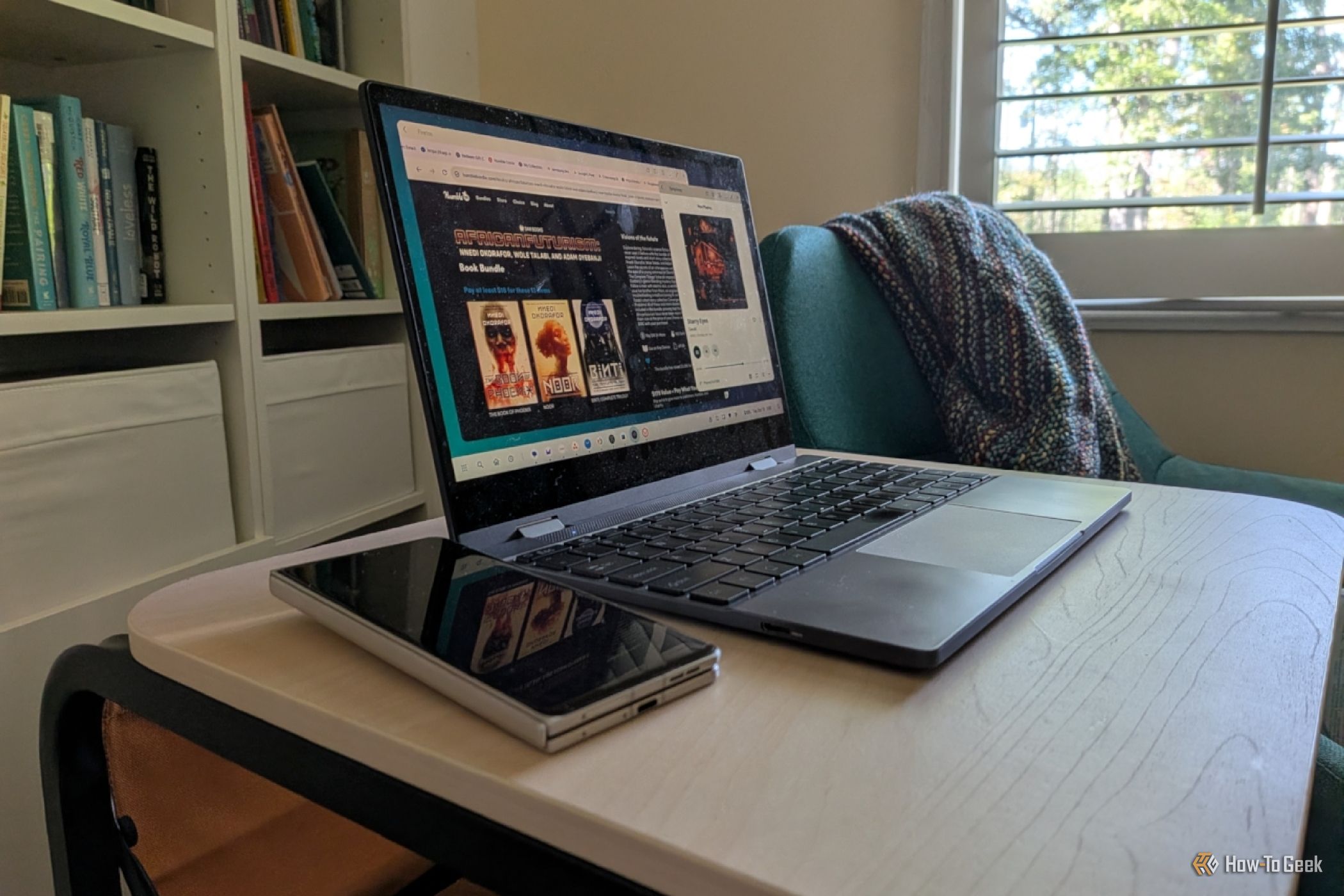
Turn Your Android Phone into a Powerful Desktop Replacement
Learn how to transform your Android phone into a full-fledged desktop computer using external displays and accessories, providing a cost-effective and integrated alternative to new Googlebooks.

howto: Four Ways the Fitbit Edge Is Better Than the Charge 6, and Two
Learn the key differences between the Fitbit Edge and Charge 6, including four advantages of the Edge and two areas where it falls short, to help you choose the best fitness tracker for your needs.