
Boom Supersonic: High Hopes & Shifting Focus
Boom Supersonic is attempting to revitalize supersonic travel with its Overture airliner, while also pivoting into AI data center power with Superpower turbines. The company faces significant delivery doubts from key airline partners and has lost a major data center customer, raising questions about its ambitious timelines and dual-pronged strategy.
Verdict: A Promising Yet Precarious Dual Venture
Boom Supersonic presents a compelling narrative of innovation, aiming to disrupt both air travel and the booming AI data center industry. However, recent developments suggest the company is navigating significant turbulence. While their vision for a next-generation supersonic airliner, Overture, captures the imagination, doubts from critical airline partners and a notable setback in their AI power generation business raise serious questions about their projected timelines and overall execution capabilities. This dual focus, leveraging a shared core technology, is ambitious but inherently risky, demanding careful observation before committing.
The Supersonic Dream: Overture Airliner
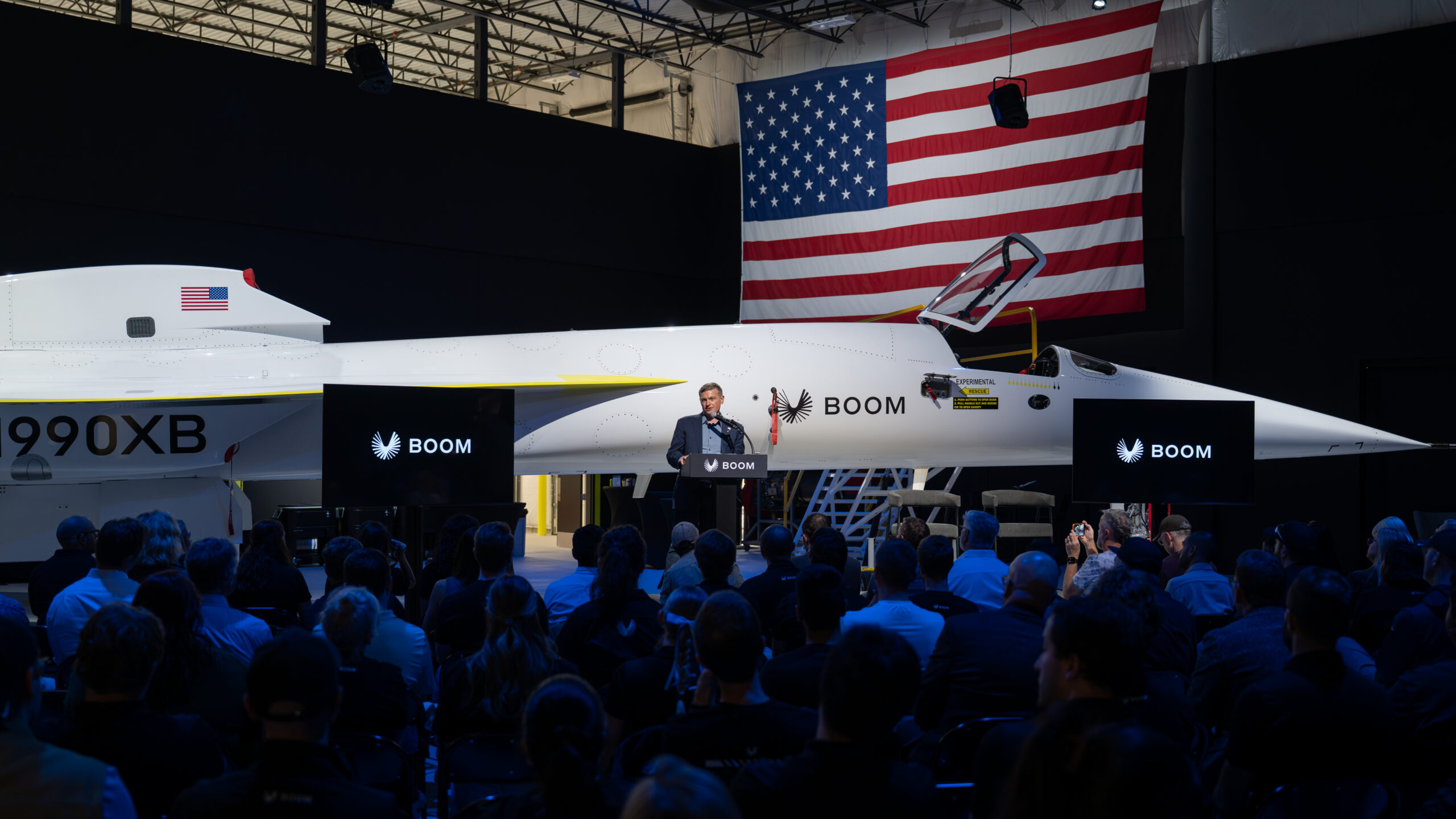
Boom's aspiration to bring back supersonic commercial flight with the Overture airliner is a bold one. The company garnered early attention with the successful flights of its XB-1 demonstrator in 2024 and 2025, which showcased a "boomless cruise" concept utilizing the Mach cutoff phenomenon to mitigate ground impact from shockwaves. This innovative approach, coupled with a proposed FAA rule change in June 2026 (following an executive order) that could lift the long-standing ban on supersonic flights over the United States, painted a picture of clear skies ahead for high-speed travel.
The Overture airliner has conditional agreements with major carriers like United Airlines, American Airlines, and Japan Airlines, involving non-refundable deposits for future purchases. Boom's press releases previously aimed for aircraft certification and the first paying customers by 2029. However, United Airlines CEO Scott Kirby recently cast significant doubt on this timeline, stating, "'29 is their official timeline... It’s not going to happen in ‘29—it’s going to take longer." Kirby highlighted the numerous hurdles Boom still needs to overcome for Overture’s development and FAA certification, noting it's "not a guarantee that they’ll overcome" them, despite his general praise for CEO Blake Scholl. These comments echo his earlier, more blunt assessment in March that put Overture's chances of commercial service at a "50-50" probability.
Further complicating the Overture narrative is the status of its dedicated factory in Greensboro, North Carolina. Completed in 2024 with over $50 million in taxpayer funding from state leaders, the facility has reportedly remained largely dormant. This raises concerns about the tangible progress on the aircraft itself. It's also worth noting that NASA is pursuing a different approach to quiet supersonic flight with its experimental X-59, testing a long, needle-like nose design, indicating there's no single, easy path to overcoming sonic boom challenges.
The AI Power Pivot: Superpower Turbines
Amidst the uncertainty surrounding Overture, Boom Supersonic has made a significant strategic pivot into the energy sector, developing natural gas turbines specifically for AI data centers. This move, announced with the unveiling of a new factory in Centennial, Colorado, on October 22, is designed to produce a 42-megawatt natural gas turbine called Superpower. The initiative has even garnered public support from the Trump administration, with US Secretary of Energy Chris Wright participating in the factory unveiling alongside Colorado Governor Jared Polis.
Boom aims to deliver its first Superpower gas turbines to customers by mid-2027, with plans to scale production to 25 turbines annually by 2028 and 50 by 2029. This foray into data center power capitalizes on the urgent demand for reliable energy sources in the rapidly expanding AI industry, where some developers are reportedly resorting to mobile or aeroderivative turbines.
However, this new venture has not been without its own significant challenges. CEO Blake Scholl acknowledged in September the loss of a substantial $1.25 billion deal with Crusoe, a data center developer that had intended to purchase 29 of Boom’s gas turbines. While Scholl stated Boom would deliver "about 250MW of Superpowers next year to other sites," the specific AI data center customers remain unnamed, leaving a degree of ambiguity regarding future sales.
Shared Core Technology: Sprint Core
A crucial element of Boom's dual strategy is the development of a common prototype turbine core, named Sprint Core. This core is intended to eventually power both the Superpower gas turbines for data centers and the Symphony engine for the Overture airliner. The company plans to conduct initial testing of this core at the Colorado Air & Space Port, with the first firing expected before Thanksgiving. This shared technological foundation could, in theory, offer synergies in R&D and manufacturing. However, it also means that setbacks or delays in one area could potentially impact the other, increasing the stakes for the successful development and testing of the Sprint Core. The ambitious nature of designing a single core for such disparate applications, albeit both high-performance turbine-based, will be a key factor in Boom's long-term viability.
Pros & Cons
Pros:
- Ambitious Vision: Boom is tackling two high-impact, technologically challenging sectors, showcasing significant ambition in both aerospace and energy.
- Government & Industry Support: The company has received backing from the Trump administration for supersonic flight regulations and public support from government officials for its data center energy venture. It also has conditional airline agreements.
- Addressing Market Needs: The Superpower turbines aim to provide a solution for the pressing energy demands of AI data centers, a rapidly growing market.
- Innovative Approach: The "boomless cruise" concept for Overture and the shared Sprint Core for both products demonstrate a commitment to innovative engineering solutions.
Cons:
- Significant Delays & Doubts: Key airline partners express strong skepticism regarding the Overture's 2029 delivery timeline, suggesting it will be pushed back.
- Dormant Infrastructure: The Overture factory, built with taxpayer money, has largely sat unused, raising questions about progress and resource allocation.
- Major Customer Loss: The Superpower turbine business suffered a significant blow with the cancellation of a $1.25 billion deal, and future customers remain undisclosed.
- Unproven Synergy: While the Sprint Core offers potential for synergy, its dual-purpose nature for an airliner engine and a stationary power turbine is yet to be fully proven at scale and under real-world conditions.
- Financial & Execution Risk: Pursuing two capital-intensive, technically complex ventures simultaneously, especially with noted setbacks, presents substantial financial and execution risks.
Recommendation
For potential investors or those keenly watching Boom's progress, a cautious, wait-and-see approach is advisable. The company's vision is certainly exciting, but the tangible evidence of overcoming significant engineering, certification, and market hurdles is still largely theoretical. While the pivot to AI data center power could offer a quicker revenue stream, its early loss of a major client tempers expectations. Both Overture and Superpower represent high-risk, high-reward propositions. We recommend observing the upcoming Sprint Core tests and further developments regarding customer commitments for Superpower, as well as concrete progress on the Overture prototype, before considering any deep involvement. The path to market for both products appears longer and more challenging than initially projected.
FAQ
Q: Is the Overture supersonic airliner still happening by 2029? A: Based on recent statements from United Airlines CEO Scott Kirby, it is highly unlikely. Kirby believes the 2029 timeline is unrealistic and will take longer, citing numerous development and FAA certification hurdles yet to be overcome.
Q: Why is Boom Supersonic also building power turbines for AI data centers? A: The company has pivoted to developing natural gas turbines (Superpower) as an additional revenue stream, capitalizing on the high demand for energy in the rapidly expanding AI data center market. They also suggest a synergy, intending to use a shared core technology (Sprint Core) for both the turbines and the Overture's engine.
Q: Should I consider investing in or purchasing from Boom Supersonic's ventures now? A: As an experienced tech reviewer, I advise extreme caution. While the long-term potential is there, both the Overture airliner and Superpower turbines face significant challenges, including customer doubts, project delays, and a major deal cancellation. It would be prudent to await more concrete milestones, such as successful Sprint Core testing and confirmed, substantial customer orders for the Superpower turbines, before making significant commitments.
Related articles

Binance Reopens After Historic Heist: A Fragile Recovery
Verdict Binance, one of the world's largest cryptocurrency exchanges, has reopened transactions after suffering a staggering $6.3 billion crypto heist, one of the largest in history. While the platform has commendably

Touchscreen MacBook Pro: Uninspired and Unconvincing
Apple's new touchscreen MacBook Pro with its PROLED XDR Display feels like an uninspired addition. Despite the beautiful OLED panel, the touchscreen functionality is uncomfortable for extended use and doesn't justify its premium.

GeekWire Week in Review: A Curated Dose of PNW Tech News
Verdict: Your Weekly Dose of Pacific Northwest Tech Insights GeekWire's "Week in Review" for October 25, 2026, serves as a highly efficient digest for anyone looking to stay abreast of the significant tech and startup
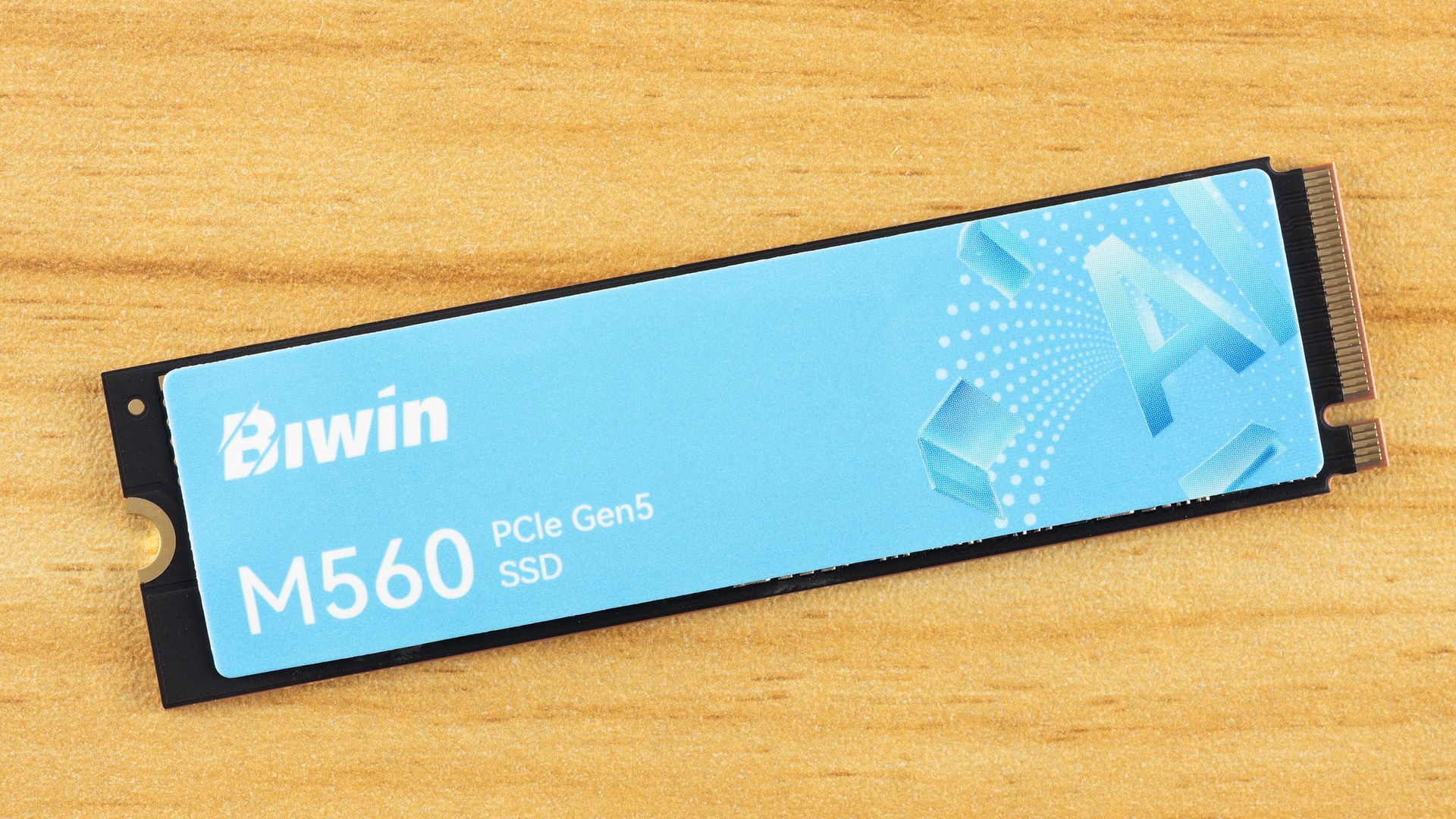
Biwin M560 2TB SSD Review: A DRAM-less PCIe 5.0 Powerhouse
The Biwin M560 2TB SSD is a top-tier PCIe 5.0 DRAM-less drive, delivering exceptional application and gaming performance with impressive efficiency. Its SMI SM2504XT controller shines, making it a strong contender for next-gen storage.
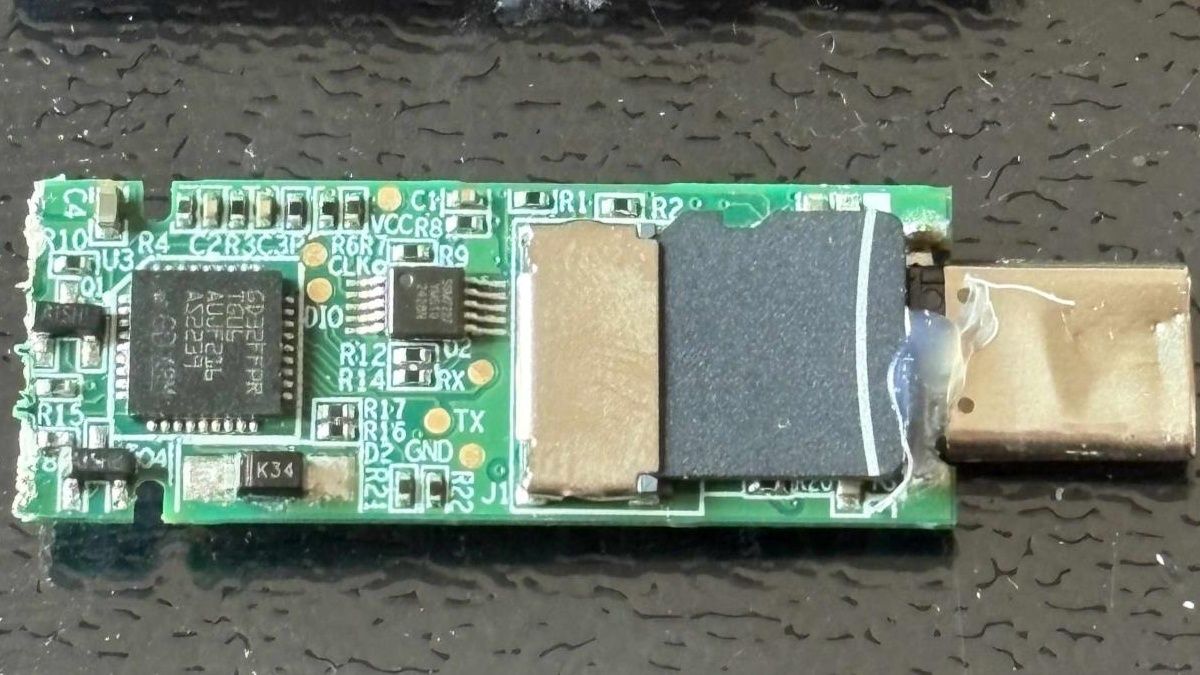
Lenovo Fingerprint USB: Security Mirage Exposed
Lenovo's ThinkPlus FU100 fingerprint USB, advertised with AES-256 encryption, was found to be a simple unencrypted SD card. Further research revealed critical vulnerabilities, backdoors, and hardcoded keys in other "secure" USB products from Lenovo and other vendors, turning supposed data protection into a dangerous illusion.

Blockbuster Launches: Zelda and GTA Signal Industry Shift
Rockstar's Grand Theft Auto VI and Nintendo's new Zelda title are launching in November 2026, marking a significant moment for the gaming industry. These highly anticipated blockbusters are seen as a reprieve in a challenging year, yet also symbolize a bygone era of game development.