
Waymo and Uber Quietly End Robotaxi Partnership in Phoenix
Waymo and Uber have quietly ended their nearly three-year robotaxi partnership in Phoenix, Arizona, as confirmed by both companies. The pilot program concluded in May 2026, reaching its contracted end date. Uber is seeking a new AV partner in Phoenix, while Waymo has re-absorbed the vehicles into its own fleet.

Phoenix, Arizona — Waymo’s self-driving robotaxis are no longer available through Uber’s ride-hail app in Phoenix, marking the quiet conclusion of a nearly three-year partnership between the Alphabet-owned autonomous vehicle company and the global ride-sharing giant. Both companies confirmed the cessation of their Phoenix collaboration to TechCrunch on Monday, with the deployment officially ending in May 2026 as it reached its contracted conclusion.
Uber stated it is preparing to launch a new autonomous vehicle partnership in the city, though it did not disclose the identity of its upcoming partner. Meanwhile, Waymo confirmed that the vehicles previously utilized in this pilot program have already been re-integrated into its own Phoenix fleet, where they will continue to serve customers directly through the Waymo app.
The End of a Three-Year Pilot
Users began to notice the absence of Waymo vehicles from Uber’s network in Phoenix over recent days, prompting speculation about the status of the partnership. While the Phoenix program has ended, Waymo vehicles remain accessible on the Uber platform in other key markets, including Austin and Atlanta, where the collaboration continues. Uber described the Phoenix deployment as its inaugural pilot market with Waymo, intentionally limited to just over a dozen vehicles.
This quiet separation in Phoenix coincides with significant developments for Waymo, including the deployment of its newest Zeekr-made robotaxis, dubbed “Ojai,” onto public roads. The evolving dynamics also highlight a potential intensification of competition, particularly as Waymo and Uber are poised to enter into direct rivalry in London as early as this year.
Praising a Productive Collaboration
Despite the parting of ways in Phoenix, both Waymo and Uber lauded the collaboration as a successful and valuable learning experience that laid groundwork for future autonomous vehicle strategies. “This was a productive pilot that paved the way for future expansions and partnerships across the globe. After hundreds of thousands of trips with Uber, we have integrated these vehicles back into our Phoenix fleet, where they will continue to serve riders through Waymo, including our public transit integration with Via, and delivery with DoorDash,” Waymo stated.
Uber echoed this sentiment, emphasizing the insights gained: “Phoenix was our first pilot market with Waymo and was an intentionally limited deployment, reaching just over a dozen vehicles dedicated to the program. We learned a lot from that collaboration, which helped us to quickly scale Austin and Atlanta, where hundreds of Waymo AVs are available exclusively on Uber and our coverage area continues to expand.”
A Rapidly Evolving Robotaxi Landscape
The robotaxi industry has undergone a dramatic transformation since Waymo and Uber first announced their partnership in 2023. At that time, such a collaboration seemed improbable, given their prior legal disputes that culminated in a 2018 settlement. The technology itself was in a nascent stage, with no operator having achieved significant scale, and competitors like Cruise still considered formidable players before their own subsequent challenges.
In the intervening three years, Waymo has expanded its fleet to approximately 4,000 vehicles, now operating in 11 major U.S. metropolitan areas and facilitating over 500,000 trips weekly. Uber, in turn, has forged numerous partnerships to integrate various autonomous vehicle providers into its network. The Phoenix partnership was notably unique as it was the only city where Waymo maintained both its direct operations and an active collaboration with Uber simultaneously. Waymo is currently planning launches in approximately 20 new cities this year, underscoring its aggressive expansion strategy.
FAQ
Q: Why did Waymo and Uber end their partnership in Phoenix?
A: The partnership concluded because it reached its contracted end date, as confirmed by Uber. It was initially designed as a limited pilot program.
Q: Will Waymo robotaxis still be available on Uber’s app in other cities?
A: Yes, Waymo vehicles remain available on Uber’s network in cities like Austin and Atlanta.
Q: What will happen to the Waymo vehicles previously used in the Uber pilot program in Phoenix?
A: Waymo has re-integrated these vehicles into its primary Phoenix fleet, where they will continue to serve riders directly through the Waymo app, as well as via public transit integration with Via and delivery services with DoorDash.
Related articles

Apple Unveils iPhone Duo: Pricey Foldable Sees Soaring Demand
Apple has officially entered the foldable smartphone arena with the long-anticipated launch of the iPhone Duo. Priced starting at a hefty $1,999, the device features a 5.4-inch outer display and a larger 7.6-inch inner

in-depth: Chicago-Area Cops Helped HSI Spy on Minnesota Anti-ICE
Chicago-area law enforcement, including local police and HSI agents, conducted undercover surveillance on Minnesota anti-ICE activists at an April 2, 2022, talk in Chicago. This operation was part of a federal conspiracy probe into 15 Minnesota activists facing felony charges related to immigration enforcement resistance. Civil liberties advocates have condemned the surveillance as a troubling intrusion into protected political activity.

Mark Wahlberg on using AI in film ‘the right way’ and being open to
Actor Mark Wahlberg believes AI has a place in filmmaking if used responsibly for enhancement, not script generation or actor replacement. At TechCrunch Disrupt, he expressed openness to an AI likeness carrying on his legacy, managed by his family, and emphasized storytelling.

Tesla Unveils Thruster-Equipped Roadster, 2028 Production Targeted
Tesla has unveiled its second-generation Roadster, featuring cold-gas thrusters co-developed with SpaceX, enabling it to jump and flip. The electric sports car demonstrated 0-60mph in an astonishing 0.81 seconds, with production targeted for 2028. This highly anticipated reveal also serves as a key recruitment tool for Tesla's ambitious AI and robotics initiatives.
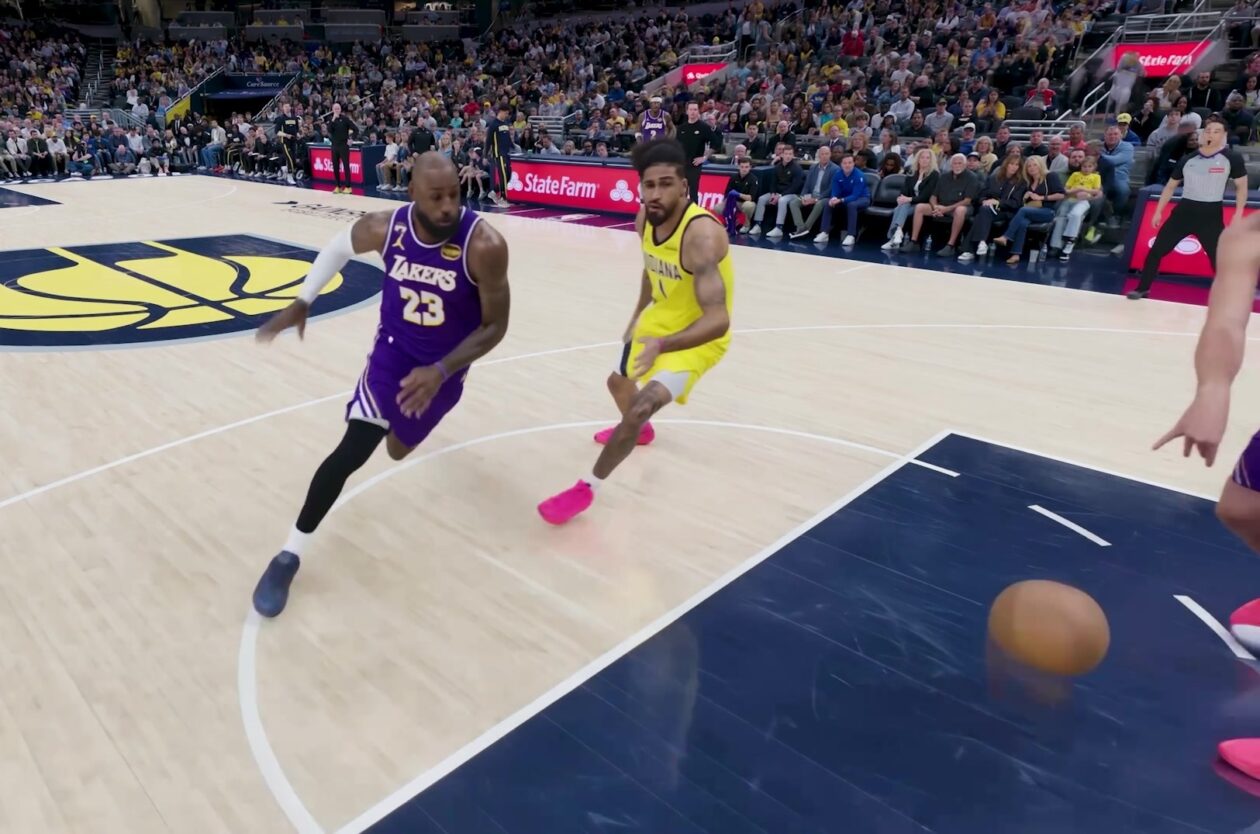
Amazon Prime Video Launches AI-Powered Prime 360 for NBA Coverage
Amazon Prime Video is elevating its NBA coverage with the introduction of Prime 360, an AI-powered replay system offering immersive, 'fly through' views of the action. Kicking off its second season, Prime Video also adds Yahoo fantasy integration and gains exclusive Eastern Conference Finals rights, expanding its tech-driven sports broadcast. The new features aim to deliver a unique and interactive viewing experience for basketball fans.
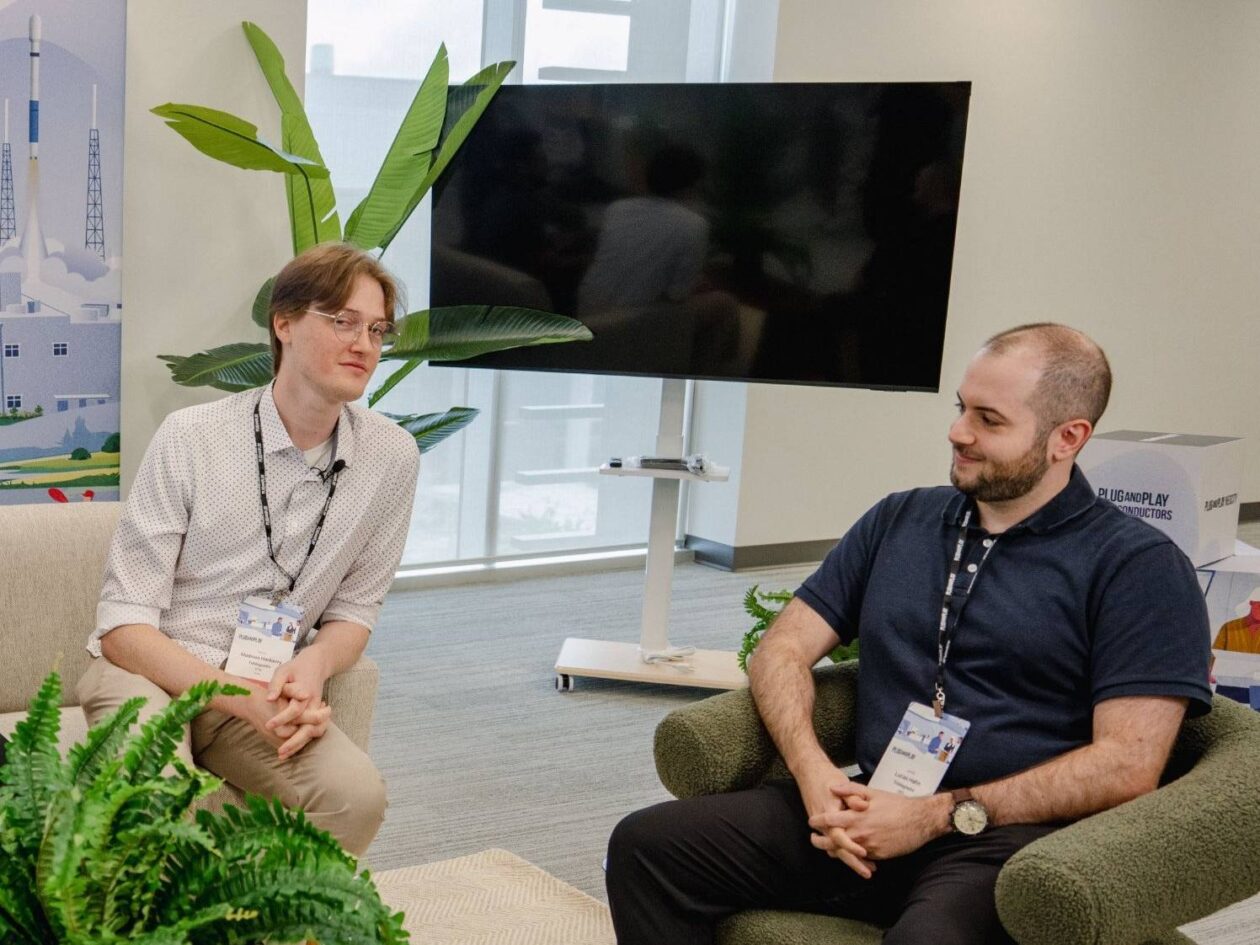
regional: A two-person Seattle startup lands $1M to reinvent
Seattle startup TriMagnetix has secured $1 million to develop semiconductor chips that consume 800 times less energy and are radiation-resistant. The two-person company, leveraging nanomagnetic technology, is targeting space applications and data centers. With new funding and key partnerships, TriMagnetix aims for commercial sales within a year.