
Upgrade Your Windows File Management: Ditch File Explorer for Good
Modern Windows File Explorer often falls short. This guide explains its issues and helps you discover powerful, feature-rich third-party alternatives for a faster, more efficient file management experience.
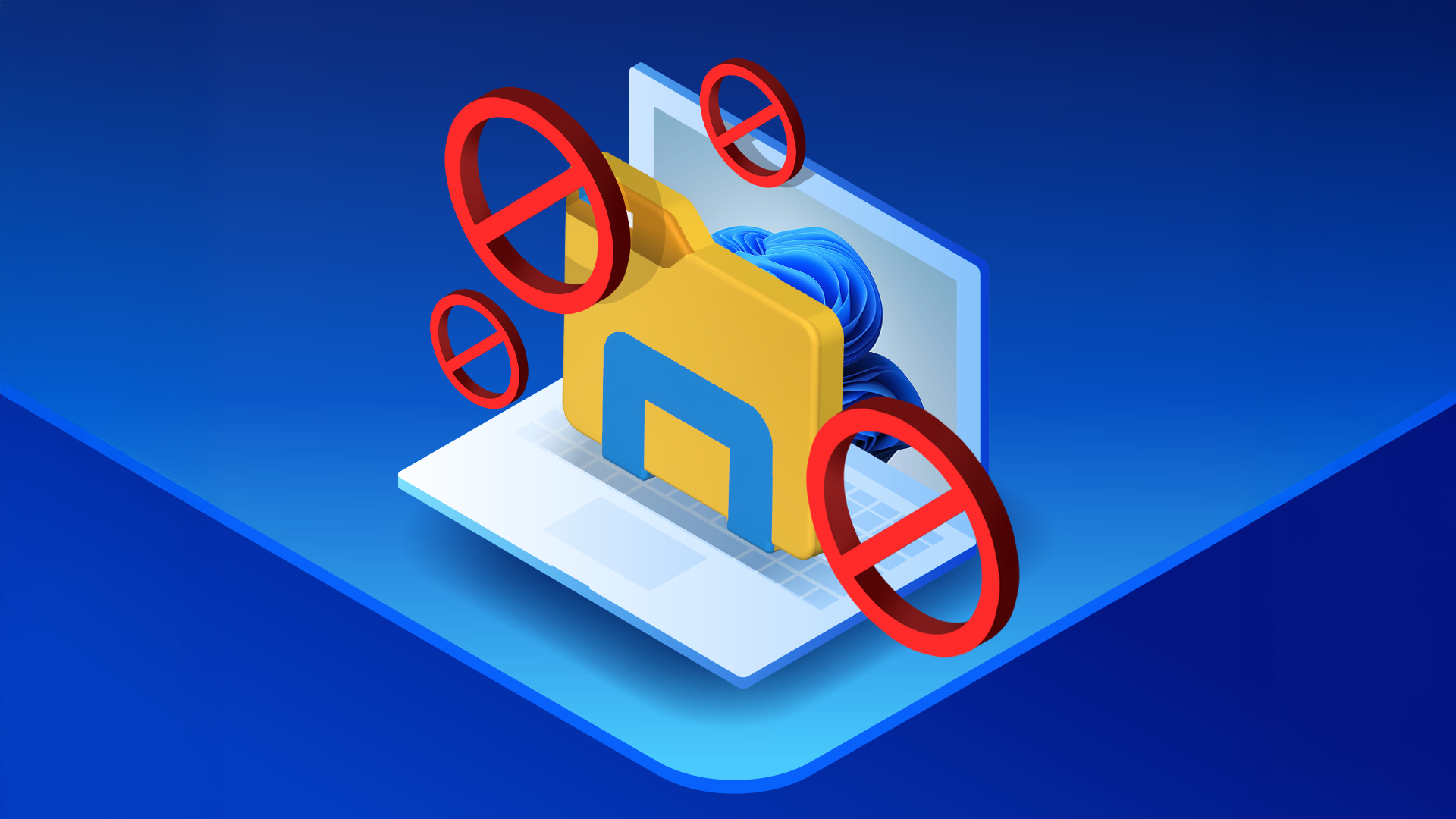
Ever find yourself groaning as Windows File Explorer lags, crashes, or simply frustrates you with its missing features? You're not alone. While once a stellar component of Windows, File Explorer has, for many users, become a bottleneck to productivity. Fortunately, you don't have to settle for a subpar experience. A vibrant ecosystem of third-party file managers offers superior performance, robust features, and a much smoother workflow.
This guide will walk you through why File Explorer might be falling short for you and introduce you to some fantastic alternatives that can transform your file management experience. Get ready to discover a faster, more efficient way to interact with your files!
Why Ditch File Explorer?
File Explorer's once stellar reputation has been tarnished by a stream of issues. It's become noticeably sluggish, experiencing delays even with basic tasks like opening folders. This performance hit is largely due to its underlying WinUI/XAML elements, a problem Microsoft's 'preload' workaround failed to resolve.
Beyond performance, File Explorer is plagued by bugs. Recent updates have caused UI elements to "explode" and led to frequent crashes, compounded by poor OneDrive integration and other long-standing glitches. For power users, this instability is a major hindrance.
Finally, it suffers from a significant feature deficit. While tabs are a welcome addition, essential tools like dual-pane browsing are still missing. Search remains slow, file organization is barebones, and customization options are severely limited. Even bulk renaming is cumbersome. The focus on unrequested AI features further diverts development time from fixing core issues and implementing genuinely useful functionalities.
Prerequisites
Before you embark on your journey to a better file management experience, ensure you have:
- A Windows PC (these alternatives are designed for Windows).
- An active internet connection to download the new software.
- Administrator rights on your PC, which might be required for installation.
Choosing Your Ideal File Manager
The good news is that the market is rich with excellent File Explorer alternatives, each with its unique strengths. Here are some top contenders that offer a significantly better experience:
1. Files
If you appreciate a modern, slick interface combined with powerful features, Files is an excellent open-source choice. It boasts a beautiful design that aligns with Windows 11's aesthetic, but don't let its looks fool you—it's packed with functionality. Key features include dual-pane views for efficient drag-and-drop operations, file tagging for better organization, and a compact overlay that keeps your manager on top of other windows. It also integrates smoothly with cloud services and offers extensive customization options, making it a powerful and visually appealing upgrade.
2. Total Commander
For those who prioritize raw productivity and don't mind a utilitarian interface, Total Commander is a legend. This veteran file manager, which has been a personal favorite for decades for many power users, is designed for speed and efficiency. While its menus might seem convoluted and icons dated at first glance, investing a little time to learn its ropes will transform it into an unparalleled tool for managing files. It’s a paid app, but its generous trial version allows you to use it for an indefinite period, letting you truly master it before committing.
3. OneCommander
Seeking a balance between modern aesthetics and robust functionality? OneCommander blends the sleek design language of 'Files' with the productivity-first philosophy often found in tools like Total Commander. It's visually appealing while offering a solid set of advanced features that advanced users will find highly beneficial for streamlined workflows.
4. Directory Opus
This fan-favorite is a comprehensive file management powerhouse. Directory Opus integrates numerous features that would typically require separate applications, such as file compression, image conversion, and even photo slideshows. It offers amazing file previews, plays nicely with Command Prompt and PowerShell, and looks just as good as any other modern Windows file manager. The main consideration is its pricing: after a 60-day trial, you'll need to purchase a license (around AUD$89 or $63 USD) to continue using it.
These are just a few of the many exceptional options available. Others worth exploring include xplorer², XYplorer, Q-Dir, FreeCommander XE, and FileVoyager, all offering distinct advantages.
Getting Started with Your New File Manager
Ready to make the switch? Follow these general steps to install and begin using your chosen alternative:
Step 1: Research Your Ideal Manager
Consider your priorities—modern interface, productivity, or integrated features. Review options like Files, Total Commander, OneCommander, or Directory Opus. Many offer free trials, allowing you to test before committing.
Step 2: Download Securely
Always download from the official website of your chosen file manager to ensure authenticity and avoid security risks. Look for clear 'Download' or 'Free Trial' links.
Step 3: Install the Application
Double-click the installer file (typically in your 'Downloads' folder) and follow the on-screen instructions. You'll likely need to accept terms, choose an installation path, and may require administrator privileges.
Step 4: Explore and Customize
Launch your new file manager. Spend time navigating its interface, familiarizing yourself with basic operations, and exploring customization options like themes, layouts (e.g., dual-pane), and keyboard shortcuts to tailor it to your workflow.
Step 5: Integrate into Your Workflow
Begin using the new manager for daily file tasks. Practice actions that were problematic in File Explorer, such as advanced searches or bulk operations. Consistent use will build proficiency and efficiency.
Tips for a Smooth Transition
- Gradual Transition: Use your new manager alongside File Explorer initially, gradually shifting your tasks as you become more comfortable.
- Unlock Features: Dive into the documentation or online tutorials to discover advanced functionalities that can significantly boost your productivity.
- Personalize Your Setup: Utilize the extensive customization options for themes, layouts, and shortcuts to perfectly match your preferences.
- Default Status: Once confident, consider setting your chosen manager as the default for opening folders (if the option is available and desired).
- Experiment Freely: Don't hesitate to try multiple trial versions to find the perfect fit before making a long-term commitment.
Troubleshooting
- Performance Check: If sluggish, ensure your PC meets specifications, close background apps, or restart the application/PC.
- Installation Issues: Verify administrator rights and redownload the installer. Temporarily disabling antivirus (from trusted sources only) may help, but re-enable immediately.
- Feature Problems: Consult the application's documentation or community forums for specific guidance.
- Graphical Glitches: Update graphics drivers or experiment with the file manager's internal theme/display settings.
Conclusion
File Explorer, while a built-in solution, has undeniable shortcomings that can hamper productivity and user experience. By exploring the robust world of third-party file managers, you're not just finding an alternative—you're upgrading your entire interaction with your computer's files. Embrace a tool that is faster, more stable, and rich with features designed for efficiency. Your productivity will thank you. Take the leap, download a trial, and discover how much smoother file management can be!
FAQ
Q: Is it safe to replace File Explorer? A: You're not typically "replacing" File Explorer in a way that removes it from your system. Instead, you're installing a separate application that you'll use instead of File Explorer. File Explorer will remain on your system, but you'll simply choose to open your new file manager when you need to manage files. Always download software from official sources to ensure safety.
Q: Will installing a new file manager slow down my PC? A: Reputable third-party file managers are generally optimized for performance and resource efficiency. In fact, many are designed to be faster and use fewer resources than the current, often sluggish, Windows File Explorer. They should improve your file management experience rather than hinder overall PC performance.
Q: Can I use both File Explorer and an alternative simultaneously? A: Absolutely! You can have multiple file managers installed on your system and use them interchangeably. You might find certain tasks are better suited for one over the other, or you might prefer to gradually transition by using both for a period until you're fully comfortable with your new choice.
Related articles
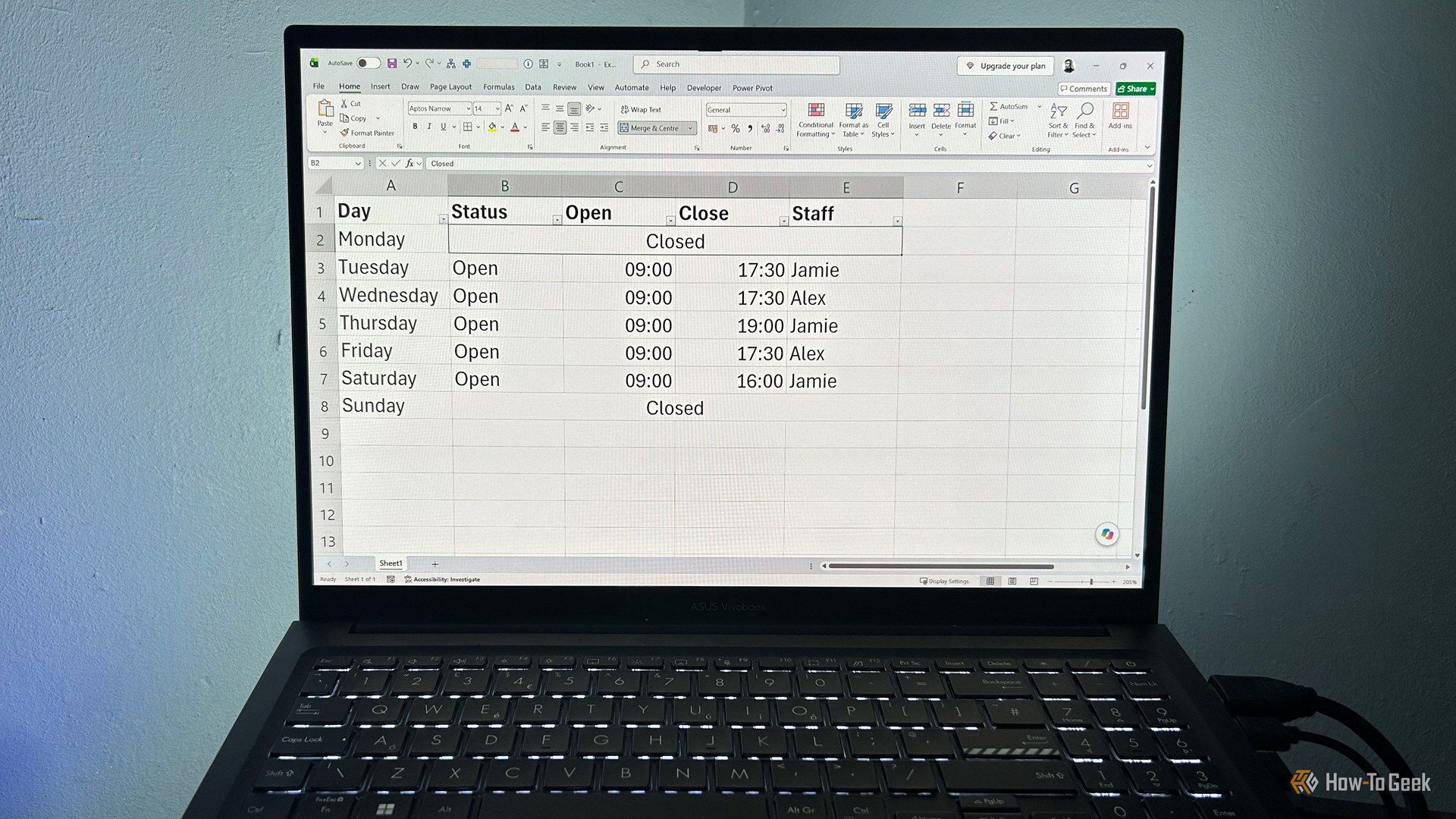
Ditch Merge & Center: The Better Way to Align Text in Excel
Learn to use Excel's "Center Across Selection" to align text across cells without merging, avoiding common data manipulation issues. This guide provides steps to utilize this newly accessible feature and add it to your Quick Access Toolbar.

Ars Technica's Rocket Report: Your Essential Space Industry Briefing
Quick Verdict Ars Technica's Rocket Report, presented by veteran space reporter Stephen Clark, offers an invaluable and meticulously organized weekly (or similar frequency, implied by "Edition 9.15") digest of the most

Stop Android Auto Battery Drain: Essential Features to Disable and
Android Auto offers unparalleled convenience, bringing your phone's most useful features directly to your car's display. From navigation and calls to messages and music, it keeps you connected without distracting you

Windows October Update: A Must-Have Security Overhaul
Microsoft's October 2026 Windows update delivers a critical security overhaul, patching over 1,400 vulnerabilities including two zero-days, one already exploited. It's essential for all users, especially with several Windows 11 versions reaching end of support.
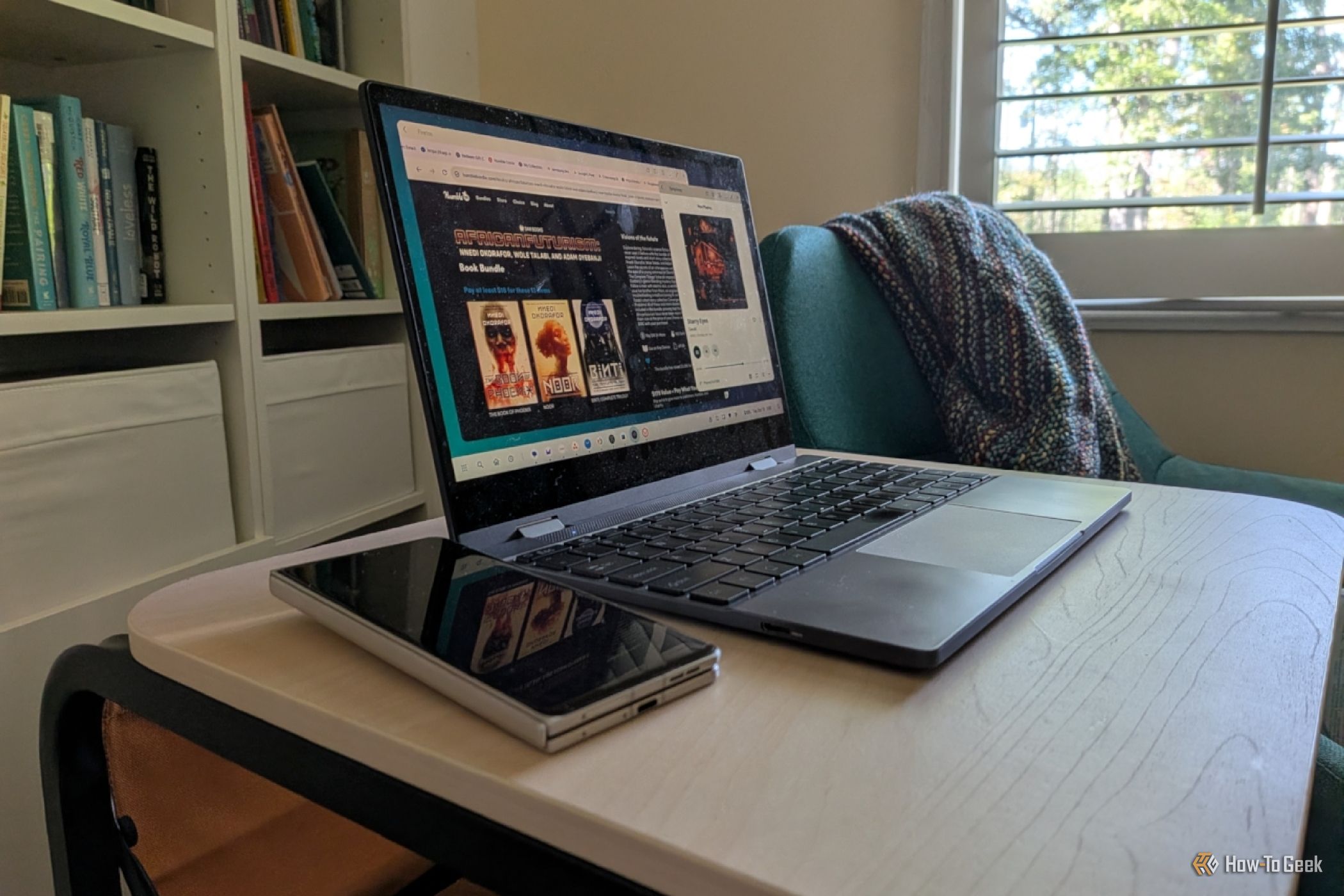
Turn Your Android Phone into a Powerful Desktop Replacement
Learn how to transform your Android phone into a full-fledged desktop computer using external displays and accessories, providing a cost-effective and integrated alternative to new Googlebooks.

howto: Four Ways the Fitbit Edge Is Better Than the Charge 6, and Two
Learn the key differences between the Fitbit Edge and Charge 6, including four advantages of the Edge and two areas where it falls short, to help you choose the best fitness tracker for your needs.