
The Accidental Genius: How Call of Cthulhu's Sanity System Terrified
Sandy Petersen, creator of the Call of Cthulhu tabletop RPG, shares the surprising origin of its iconic Sanity system. During an early playtest, players instinctively acted terrified when confronted with horror, revealing the mechanic's power to make players *feel* dread, not just track it. This accidental discovery profoundly shaped horror gaming forever.

Ever wondered why almost every horror game, digital or tabletop, boasts some kind of sanity or dread mechanic? That feeling of losing your mind as you face unspeakable horrors is a genre staple. But Call of Cthulhu’s legendary Sanity system didn't just make players track their characters’ mental state; it accidentally made the players themselves act terrified. That's the wild story recently shared by Sandy Petersen, the mastermind behind the seminal horror tabletop RPG, and it's a tale that genuinely changed roleplaying forever.
The Architect of Madness: Sandy Petersen's Vision
Sandy Petersen, primary designer of the Call of Cthulhu tabletop RPG, sculpted a universe where cosmic horrors lurk. Petersen knew a Sanity mechanic was a natural fit, mirroring Lovecraft’s tales where characters succumb to madness. He envisioned ‘Sanity Points’ depleting as characters encountered grotesque creatures and phenomena. Significant loss could lead to insanity or actions outside player control, reflecting a slow descent. He simply expected it to be another engaging stat for players to manage intellectually.
Just Another Stat? The First Playtest
Eager to test his vision, Petersen assembled college students for an early playtest. His expectation was straightforward: Sanity Points would be a numerical representation of mental fortitude, a resource to manage. He believed players would intellectually process this loss, making strategic decisions based on dwindling reserves. It was a thematic addition that made perfect sense. What he didn't foresee was the profoundly visceral, almost instinctual reaction his players would soon display, setting the stage for a pivotal moment in tabletop gaming history.
The Unexpected Revelation: Players Acting Afraid
The scene was set: the college students, immersed in their roles, were confronted with a 'Malign Being' – a creature of pure, cosmic horror. Then, something extraordinary happened, defying Petersen’s expectations. Before a single Sanity roll or deduction, the players began to act. Petersen vividly recalled their reactions: one student instinctively covered their face, physically shielding their eyes. Another declared, 'I'm going to face the corner of the room,' and ran to a corner. A third yelled, 'I'm running upstairs to get away!' This wasn’t a strategic decision; this was raw, unscripted, character-driven panic manifesting physically at the table.
The Eureka Moment: From Stats to Sensation
This spontaneous display of terror was a lightning bolt for Petersen. He immediately recognized the profound difference from other RPGs like D&D, where ‘knowledge is power.’ Yet, here were his players, physically cowering and attempting to flee – all before the rules compelled them. It was then that the true genius of the Sanity mechanic clicked. 'Until that moment, I had not realized that the Sanity rules would make the players act as if their characters were afraid!' Petersen explained. He clarified that the players weren't actually afraid, but their characters’ simulated fear elicited a physical response. This accidental discovery became the bedrock of the Sanity system’s ultimate design: having players act scared, he realized, was the crucial first step to genuinely making them feel scared.
A Legacy of Dread: Sanity's Enduring Influence
The implications of Petersen’s accidental discovery were monumental, extending far beyond Call of Cthulhu’s rulebooks. What started as a thematic stat evolved into a groundbreaking psychological tool. The Sanity mechanic has become Call of Cthulhu's undeniable legacy, a blueprint for instilling dread and mental fragility. From countless other tabletop RPGs to acclaimed video games like Eternal Darkness: Sanity's Requiem, Amnesia: The Dark Descent, and modern psychological horror, its influence is undeniable. Games now routinely feature mechanics that distort perception, induce hallucinations, or alter player control as mental states deteriorate. It redefined an entire genre’s approach to fear.
The Other Side of the Story: A Note on Collaboration
While this origin story is captivating, it's important to acknowledge a piece of context from the Polygon report. Gaming legend John Romero has, on occasion, voiced concerns regarding the accuracy of some of Petersen's recollections concerning their shared time at id Software. However, the source makes it clear: Petersen was the primary designer of the original Call of Cthulhu tabletop RPG. This particular account of how that game's most influential mechanic was forged comes directly from its creator, and its significance remains undiminished. It’s a testament to the unpredictable nature of game design, where profound innovations can emerge from the most unexpected player reactions.
In the end, Sandy Petersen didn't just create a horror RPG; he discovered a fundamental truth about interactive terror. The Sanity system wasn't just about numbers; it was about provoking a primal, empathetic reaction from players, drawing them deeper into their characters' harrowing experiences. It was an accident of genius, a moment of serendipity that gifted the world of gaming a mechanic so powerful, so evocative, that its echoes are still felt in every scream, every jump scare, and every creeping moment of dread we experience today. And for that, we can thank a group of college students who, for a brief moment, genuinely acted scared.
FAQ
Q: What is the Sanity mechanic in Call of Cthulhu?
A: In Call of Cthulhu, players have Sanity Points that decrease as they encounter Lovecraftian horrors. A significant loss can cause a character to become insane or perform actions outside the player's control, adding a layer of psychological horror.
Q: Who created Call of Cthulhu and its Sanity system?
A: Sandy Petersen is the primary designer and creator of the Call of Cthulhu tabletop role-playing game and its iconic Sanity mechanic.
Q: How did the Sanity mechanic change roleplaying forever?
A: Petersen's accidental discovery during a playtest showed that the Sanity rules could make players act scared even before rolls were made. This revelation shaped the mechanic to leverage player immersion, influencing countless horror games, both tabletop and digital, to make players feel dread and mental fragility.
Related articles
Android 17 QPR2 Beta 7.1: The Performance Relief You've Been Waiting
Android 17 QPR2 Beta 7.1: Finally Fixing the QPR1 Performance Woes Verdict: Android 17 QPR2 Beta 7.1 is a crucial and highly anticipated software update for Google Pixel users, specifically targeting and resolving the
TCG Pocket Responds: A Much-Needed Pace Shift for Pokémon Fans
Pokémon TCG Pocket is rolling out a major update for its second anniversary, primarily addressing player concerns about overwhelming content releases by shifting to a six-week set schedule. This aims to curb player decline and improve overall engagement by giving trainers more time to collect and strategize. The update also adds new collection methods, improved deck-building features, and enhanced trading functionality.

AI's Confidence vs. Formal Methods' Rigor: Design Flaws & Verification
While AI accelerates code generation, formal methods remain critical for ensuring system correctness. Languages like TLA+ and tools like Quint enable developers to model and verify system designs before coding, catching subtle flaws. Quint makes formal methods more accessible with developer-friendly syntax and executability. This approach is vital for verifying AI-generated code through trace validation and model-based testing, ensuring reliability against real-world data.
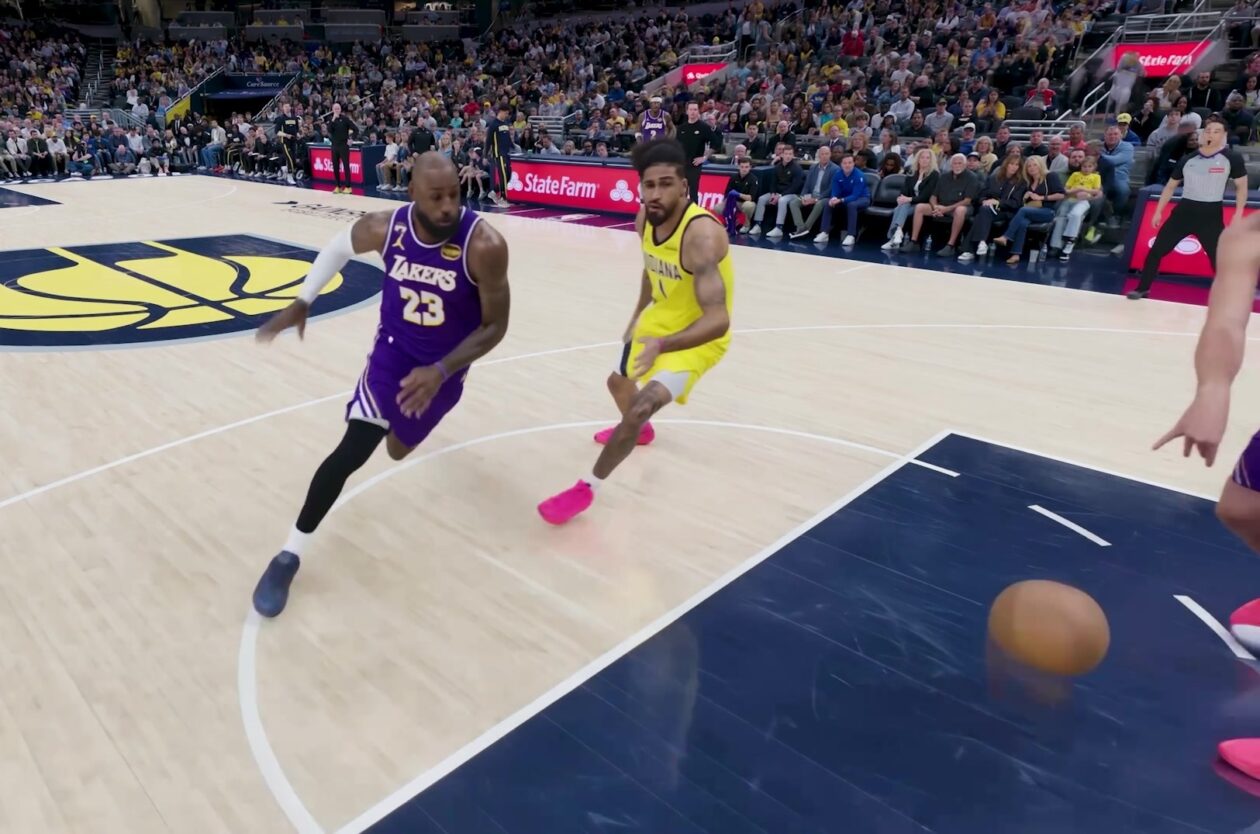
Amazon Prime Video Launches AI-Powered Prime 360 for NBA Coverage
Amazon Prime Video is elevating its NBA coverage with the introduction of Prime 360, an AI-powered replay system offering immersive, 'fly through' views of the action. Kicking off its second season, Prime Video also adds Yahoo fantasy integration and gains exclusive Eastern Conference Finals rights, expanding its tech-driven sports broadcast. The new features aim to deliver a unique and interactive viewing experience for basketball fans.

Kojima Compares Divisive New Film 'Digger' to MGS2's Prescient Vision
Gaming icon Hideo Kojima has praised the divisive 2026 film *Digger*, drawing intriguing parallels to his own prophetic game, *Metal Gear Solid 2*. Both works, he explains, uniquely explore the dangers of misinformation and a fragmented digital reality, anxieties he shares with *Digger*'s director, Alejandro González Iñárritu.

Ubisoft Proposes German Studio Workforce Reduction Amidst
Ubisoft is planning a voluntary departure program for about 100 employees across its Düsseldorf, Berlin, and Mainz studios in Germany. This move is part of a larger, ongoing cost-reduction and restructuring effort by the publisher, aiming to better position its studios for future projects.