
Secure Your Smart Home: 4 Essential Steps Before Adding Devices
Bringing new smart devices into your home is exciting! From automating your lights to monitoring your energy use, smart home tech offers incredible convenience. However, a little preparation goes a long way in ensuring
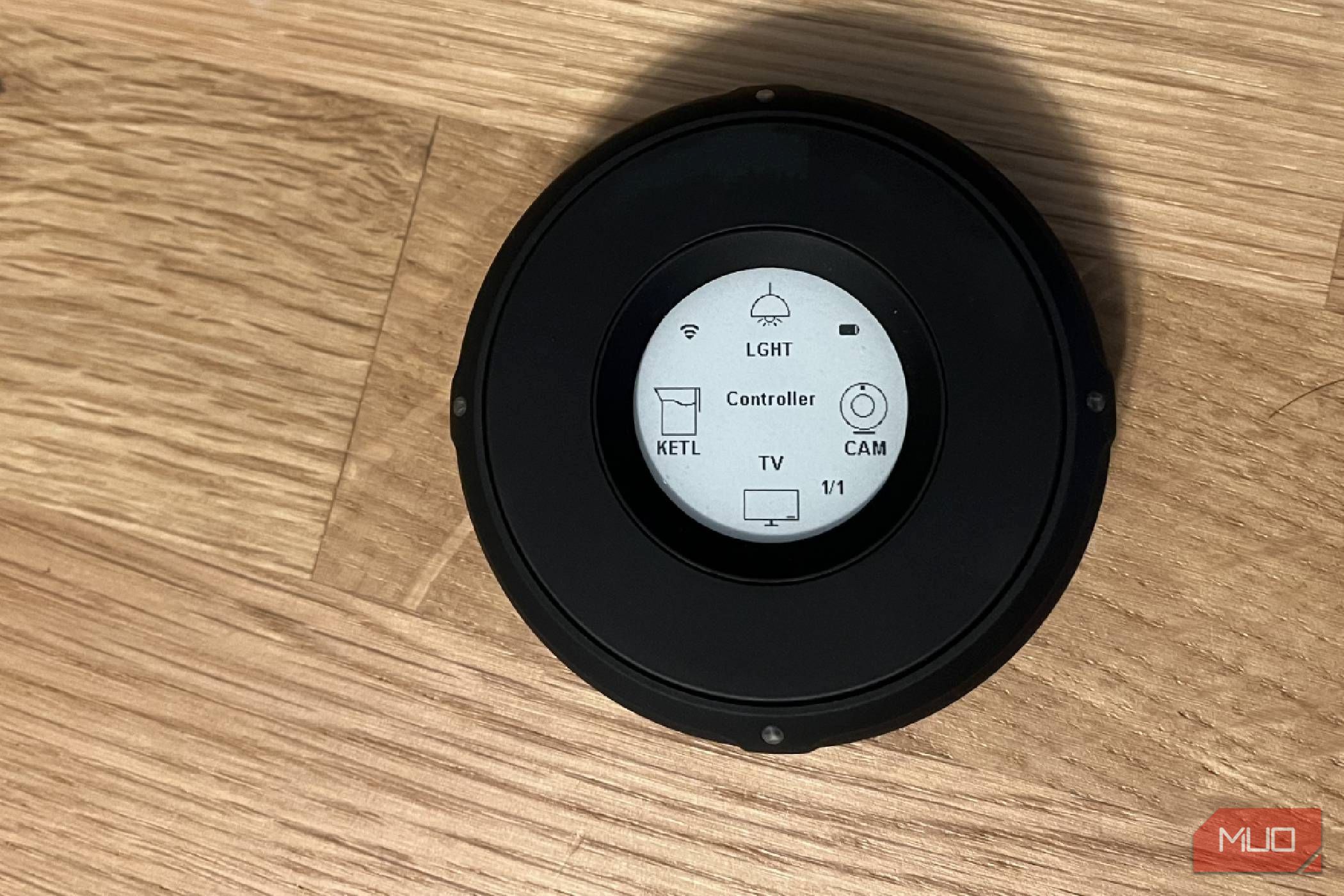
Bringing new smart devices into your home is exciting! From automating your lights to monitoring your energy use, smart home tech offers incredible convenience. However, a little preparation goes a long way in ensuring your new gadgets integrate seamlessly, perform optimally, and, most importantly, keep your entire home network secure.
Before you unbox that smart plug or mount that new camera, take a moment to set yourself up for success. This guide will walk you through four crucial steps to take before adding any new smart device, helping you build a connected home that's both efficient and safe.
What You'll Accomplish
By following these steps, you will:
- Create a more secure network environment for your smart devices, protecting your personal data.
- Improve the performance and reliability of all your home's connected devices.
- Minimize frustration often associated with smart device setup and connectivity issues.
- Set a strong foundation for a robust and private smart home ecosystem.
Prerequisites
To effectively follow this guide, you'll need:
- Your new smart devices: Still in their boxes, ready for setup.
- Access to your home router: This includes physical access and login credentials for its administrative interface.
- A router that supports:
- Guest networks: (Common on most modern routers).
- VLANs (Virtual Local Area Networks): (More advanced, requires specific hardware/software like pfSense or OPNsense).
- Separate 2.4GHz and 5GHz Wi-Fi bands: (Often an option in router settings).
- A basic understanding of your home's Wi-Fi coverage: Where your signal is strong and weak.
The 4 Essential Steps Before Adding Smart Devices
Step 1: Isolate Your Smart Devices on a Dedicated Network
Why this is crucial: Most smart home devices fall under the "Internet of Things" (IoT) category. They connect to the internet to exchange data, and many primarily use the 2.4GHz Wi-Fi band. Placing these devices on a separate network enhances your home's security by isolating them from your primary devices (laptops, phones, personal computers) in case an IoT device is compromised. It also prevents network overcrowding, allowing your high-bandwidth devices to run faster on the 5GHz band.
How to do it: There are a few approaches depending on your router's capabilities and your technical comfort level:
-
Utilize a Guest Network (Easiest Method):
- Log into your router's administrative interface (usually via a web browser by typing your router's IP address).
- Look for "Guest Network" settings.
- Enable the guest network, give it a unique name (SSID), and set a strong, distinct password.
- Connect all your new smart devices to this guest network. This automatically segregates them from your main home network.
-
Create a VLAN (Advanced Method):
- This requires a router that supports micro-segmentation and VLAN creation.
- In your router's settings, create a new network and assign it a specific VLAN ID and an IP subnet.
- You can then assign a dedicated SSID to this new VLAN specifically for your smart devices.
-
Separate 2.4GHz and 5GHz Wi-Fi Bands (Performance Focus):
- Many routers combine these bands under a single SSID, automatically steering devices.
- Access your router settings and look for options to split the bands, giving the 2.4GHz and 5GHz networks separate SSIDs (e.g., "MyHome_2.4GHz" and "MyHome_5GHz").
- Since many smart devices only use or work best on 2.4GHz, connecting them to this dedicated band ensures they have stable connectivity without congesting your faster 5GHz band used by devices like streaming TVs and laptops.
Step 2: Fortify Your Network with Firewalls
Why this is crucial: Smart devices are often programmed to "phone home" – connecting to remote servers for updates or to exchange data. While necessary for firmware updates, this constant communication can track user behavior, consume bandwidth, and potentially create vulnerabilities for hackers if not managed. Creating firewalls helps control what your smart devices can communicate with.
How to do it: This step is primarily applicable if you've chosen the VLAN route for network isolation and requires specialized hardware and software.
- Required Hardware/Software: You'll need a router that supports advanced firewall rules and software like pfSense or OPNsense.
- Implement a "DROP ALL" Rule: Once your IoT VLAN is set up, you can configure a firewall rule to "DROP ALL" traffic originating from that VLAN that attempts to connect to remote servers or other devices on your main network. This creates a strong barrier.
- Allow Essential Traffic: You might need to selectively allow certain outbound traffic if devices require internet access for firmware updates or essential cloud services. For example, you can set up rules to permit DNS access to your gateway from the IoT VLAN, but block broader, unneeded connections.
- Block DNS Access: A good practice is to block DNS access from the IoT VLAN to your main gateway, further restricting its ability to communicate beyond its intended scope.
Step 3: Update All Device Firmware for Maximum Security
Why this is crucial: Just like your computer or phone, smart devices receive firmware updates that often include critical security patches. Running outdated firmware leaves your devices and, by extension, your entire home network vulnerable to known exploits. Ensuring everything is up-to-date is a fundamental step in maintaining a secure smart home.
How to do it: Make this a priority immediately after initial setup, and regularly thereafter.
- For Smart Devices: Once a smart device is connected to your network (ideally your dedicated IoT network), open its companion app on your smartphone or tablet. Navigate to the device's settings or information panel. Look for an option like "Check for updates," "Firmware," or "About Device" to find and install any available updates.
- For Your Router: Your router is the gateway to your entire network, so its security is paramount. Log into your router's administrative interface (as you did in Step 1). Look for sections like "System Tools," "Advanced Settings," or "Firmware Update" to check for and apply the latest firmware. This keeps your central network defense strong.
Step 4: Strategically Plan Device Placement
Why this is crucial: Connectivity is key for smart devices. Placing a device too far from your router or a hub can lead to dropped connections, slow responses, and frustrating repeated setup processes. Thinking logically about where each device will go ensures reliable operation.
How to do it: Consider your home's layout and device technology:
- Wi-Fi-Only Devices: Devices that rely solely on Wi-Fi (like many smart bulbs or plugs) are susceptible to distance and physical obstructions (walls, floors). Before purchasing multiple devices, envision their placement. If you have areas far from your router, you might experience frequent disconnections. Be realistic about your Wi-Fi range.
- Smart Home Hubs: If your smart home relies on a central hub for protocols like Zigbee, Z-Wave, Thread, or Matter, place this hub in a central location within your home. Ideally, it should be near your router to ensure good internet connectivity while also being able to reach devices across a wider area. A well-placed hub can significantly improve the coverage for these types of devices.
- Mesh Network Devices (Thread, Matter, Z-Wave, Zigbee): These devices are more forgiving with placement. They create a low-power mesh network, meaning devices can relay signals to one another, extending the effective range. While a central hub is still beneficial, individual devices don't need to be in direct range of the main router or hub as long as they can connect to another device in the mesh.
Conclusion
Taking these four proactive steps before fully integrating new smart devices into your home will save you time, reduce headaches, and significantly boost your home network's security and performance. A smart home truly shines when it's built on a solid, secure foundation. Embrace these practices, and enjoy the convenience and peace of mind that comes with a well-managed smart ecosystem.
FAQ
Q: Why is separating IoT devices so important? A: Separating IoT devices is crucial for two main reasons: security and performance. Many IoT devices have less robust security features, making them potential entry points for hackers. Isolating them means that if one is compromised, your main network (with personal computers, phones, and sensitive data) remains protected. From a performance standpoint, many IoT devices operate on the 2.4GHz Wi-Fi band. Separating them or dedicating a 2.4GHz network prevents congestion on your faster 5GHz band, ensuring your high-bandwidth devices run smoothly.
Q: Do I need a special router for these steps? A: For basic separation via a guest network or splitting 2.4GHz/5GHz bands, most modern consumer routers will suffice. However, to implement more advanced firewall rules or create dedicated VLANs, you'll generally need a more capable router or network hardware that supports micro-segmentation, such as enterprise-grade routers or open-source solutions like pfSense or OPNsense.
Q: What if my smart device won't update its firmware? A: First, ensure your device has a stable internet connection. Try power cycling the smart device and your router, then attempt the update again. Verify that the device's app is also up-to-date. If the issue persists, check the manufacturer's support website for known issues or specific troubleshooting steps for your device model. As a last resort, contact the device manufacturer's customer support for assistance.
Next Steps
Now that your foundation is solid, you're ready to explore the exciting world of smart home automation! Start linking devices, setting up routines, and enjoying the seamless convenience of your securely configured smart home.
Related articles

Apple Unveils iPhone Duo: Pricey Foldable Sees Soaring Demand
Apple has officially entered the foldable smartphone arena with the long-anticipated launch of the iPhone Duo. Priced starting at a hefty $1,999, the device features a 5.4-inch outer display and a larger 7.6-inch inner

DJI Solo Video Setups: Smart Choices for Lone Creators
This review delves into DJI's recommended solo video setups, highlighting the Osmo Pocket 3 Creator Combo as a top pick for its integrated camera, gimbal, and mic. It also covers stabilizers like the Osmo Mobile 8 and RS 4, and the DJI Mic Mini series for enhanced audio, providing honest pros, cons, and clear buying advice.
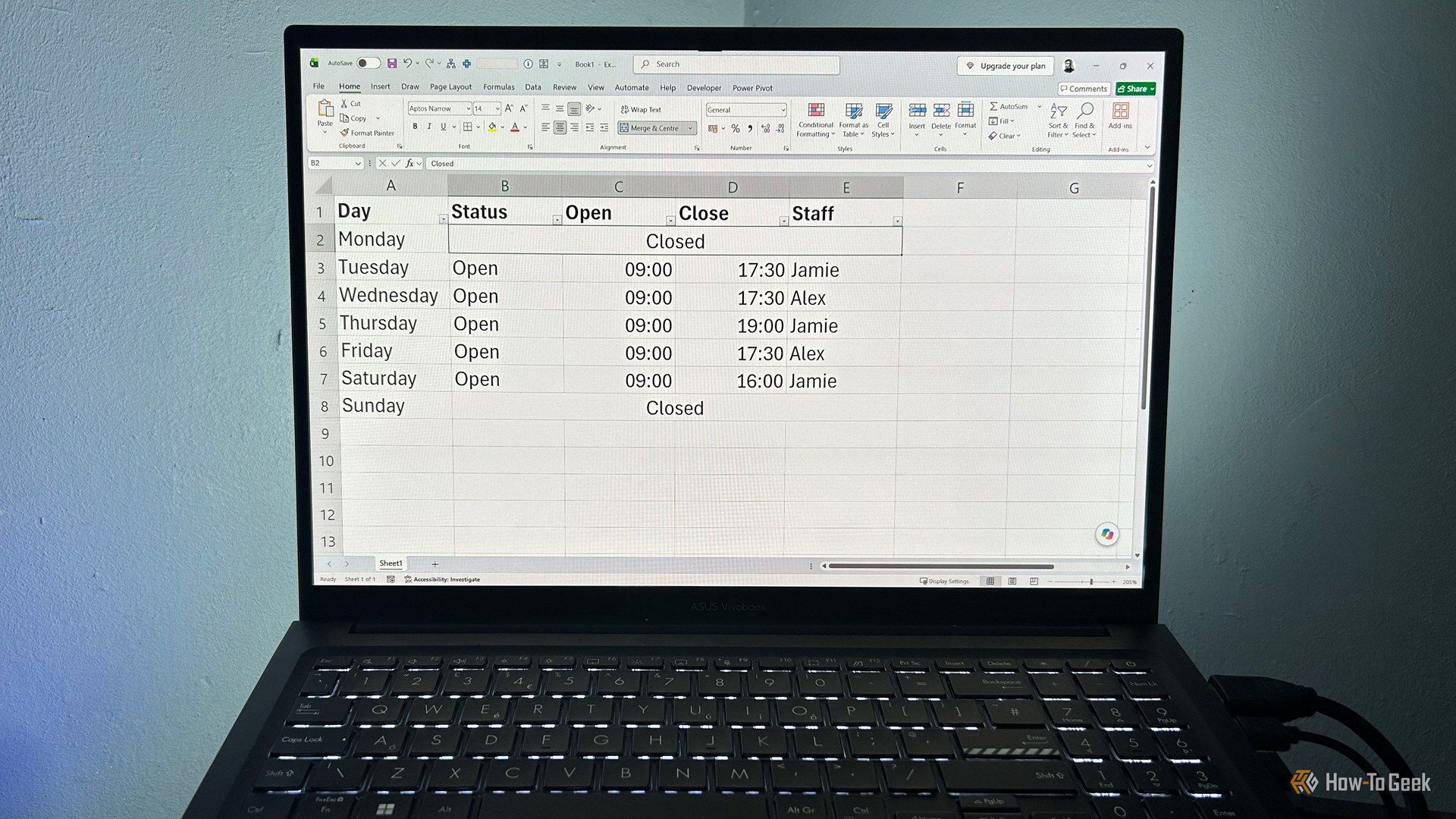
Ditch Merge & Center: The Better Way to Align Text in Excel
Learn to use Excel's "Center Across Selection" to align text across cells without merging, avoiding common data manipulation issues. This guide provides steps to utilize this newly accessible feature and add it to your Quick Access Toolbar.

Ars Technica's Rocket Report: Your Essential Space Industry Briefing
Quick Verdict Ars Technica's Rocket Report, presented by veteran space reporter Stephen Clark, offers an invaluable and meticulously organized weekly (or similar frequency, implied by "Edition 9.15") digest of the most

regional: A two-person Seattle startup lands $1M to reinvent
Seattle startup TriMagnetix has secured $1 million to develop semiconductor chips that consume 800 times less energy and are radiation-resistant. The two-person company, leveraging nanomagnetic technology, is targeting space applications and data centers. With new funding and key partnerships, TriMagnetix aims for commercial sales within a year.

Secure Internal API Access for AI Agents with MCP
AI agents accessing internal APIs directly pose significant risks, including identity loss, unrestricted queries, and security bypasses. The Model Context Protocol (MCP) offers a solution by defining explicit tools. A secure architecture involves an MCP server wrapping the API with strict input validation, coupled with a gateway that handles authentication, rate limiting, and audit logging, ensuring safe and accountable access.