
Remembering Marcia Lucas: The Secret Weapon Behind Star Wars
Marcia Lucas, the Oscar-winning editor behind the original Star Wars and a 'secret weapon' for the saga's story, has passed away at 80. Her profound influence shaped key plot points like Obi-Wan's death, earning her an indelible place in film history alongside a career working on classics like Taxi Driver and American Graffiti. Her legacy extends beyond the screen, remembered as a trailblazer who made cinema feel more vivid.
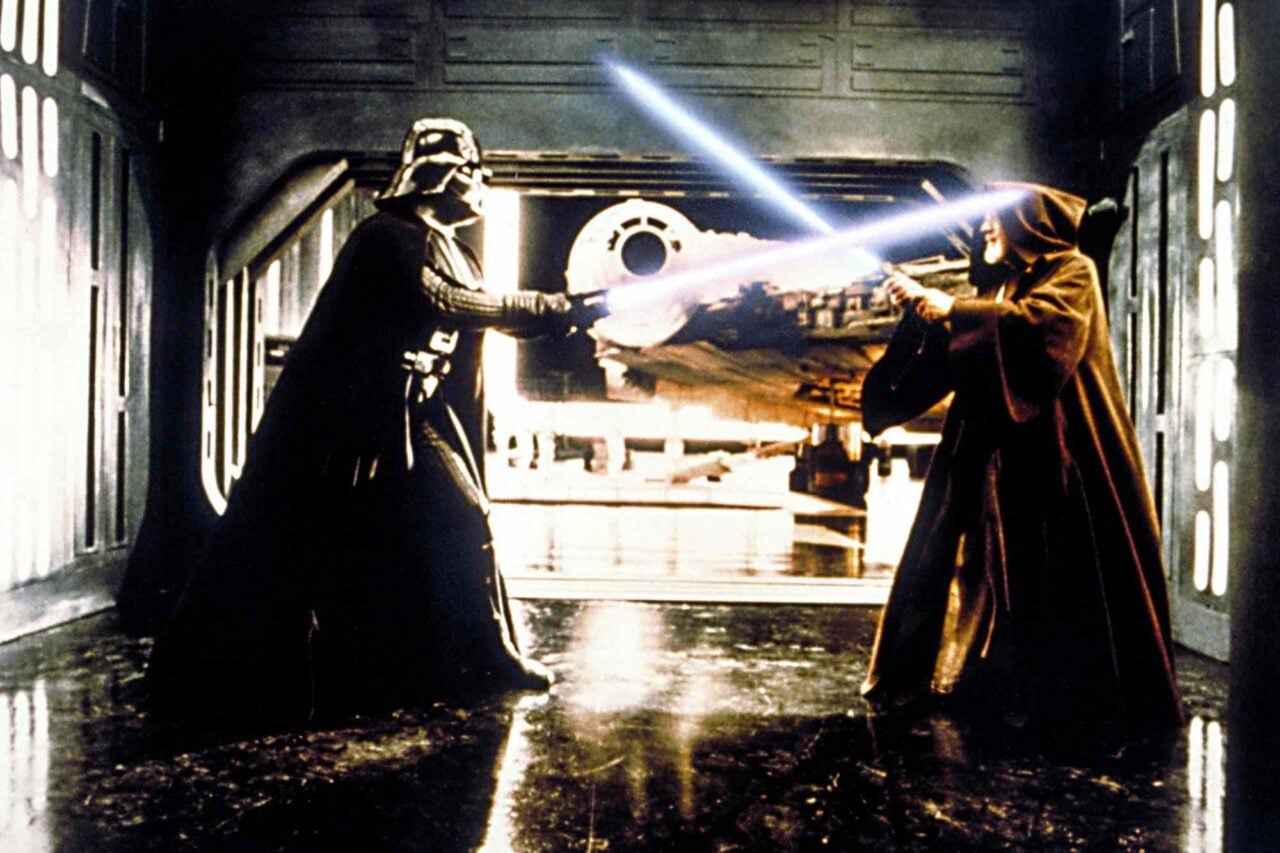
Remembering Marcia Lucas: The Unsung Architect of the Star Wars Saga
It’s with a heavy heart that we acknowledge the passing of a true titan of cinema, Marcia Lucas, at the age of 80 due to cancer. For many, the name George Lucas is synonymous with Star Wars, but behind the scenes, shaping the very fabric of that galaxy far, far away, was his then-wife and brilliant film editor, Marcia Lucas. Often called the saga’s “secret weapon,” her influence stretched far beyond the cutting room, earning her an Academy Award and an indelible place in film history. For enthusiast audiences like us, who pore over every detail of our favorite narratives, understanding her impact is crucial to appreciating the magic she helped create.
A Groundbreaking Career Beyond a Single Star System
Marcia Lucas’s journey into filmmaking began decades before any Star Destroyer graced the screen. Born in Modesto, California, she moved to Hollywood and started as a film librarian, quickly rising through the ranks. By just 20, she was an assistant editor at Sandler Films, demonstrating an early aptitude for the craft. Her professional path soon crossed with legendary Jaws editor Verna Fields, under whom she met George Lucas. This meeting would spark not only a marriage but a formidable creative partnership.
Her filmography reads like a masterclass in modern cinema. Before Star Wars even existed, Lucas was already leaving her mark on groundbreaking works. She served as assistant editor on George’s cult sci-fi debut, THX 1138, and played a crucial role editing the beloved coming-of-age classic American Graffiti alongside Fields. But her talents weren't confined to the Lucasfilm orbit; she collaborated with some of the most influential directors of her era. She brought her sharp editorial eye to Martin Scorsese’s gritty masterpiece Taxi Driver and his tender drama Alice Doesn’t Live Here Anymore. She also worked on Haskell Wexler’s surreal Medium Cool, showcasing a versatility few editors could match. Her contributions to these films alone cemented her status as a prolific and essential figure in 60s and 70s American cinema.
Forging the Galaxy: An Oscar-Winning Touch
When it came to Star Wars: A New Hope, Marcia Lucas wasn't just assembling footage; she was a core storyteller. Her visionary editing helped shape the film’s iconic pace, emotional beats, and ultimately, its legendary status. It was a monumental task, and her exceptional work earned her an Academy Award, an honor she shared with Richard Chew and Paul Hirsch. The initial reception of Star Wars owes much to her ability to weave disparate elements into a cohesive, thrilling, and emotionally resonant narrative. Her talent for pacing and character development through judicious cuts and sequences was pivotal in making audiences truly connect with Luke, Leia, and Han.
The Saga’s True 'Secret Weapon'
What truly sets Marcia Lucas apart in the Star Wars legacy is that her influence wasn't limited to post-production. She was deeply involved in the story development, often challenging George Lucas’s choices and pushing for stronger emotional arcs. Famously, she was instrumental in shaping some of the original saga’s most crucial plot points. Perhaps her most significant contribution was insisting that Obi-Wan Kenobi must die in his duel with Darth Vader in A New Hope. This narrative decision was revolutionary, sacrificing a beloved mentor figure to raise the stakes, deepen Luke’s emotional journey, and provide a clear impetus for his growth. Without her intervention, the emotional weight and dramatic tension of the original film, and indeed the entire saga, might have been profoundly different.
While she skipped editing The Empire Strikes Back, which many consider the pinnacle of the saga, her fingerprints are still evident in the narrative structures and character developments that carried through. She returned to the editing bay for Return of the Jedi, once again helping to craft the epic conclusion to the original trilogy, ensuring that the saga’s emotional core remained intact for its grand finale.
A Legacy Beyond the Lens
The immense success and demands of Star Wars eventually led Marcia Lucas to a significant life change. After her pivotal work on Return of the Jedi, she felt comfortable stepping away from the intense world of filmmaking to focus on her personal life. She and George Lucas divorced in 1983, a decision reportedly influenced by his relentless workaholic tendencies. This choice highlights a remarkable individual who, despite her extraordinary talent and accomplishments, prioritized her well-being over the continuous grind of Hollywood.
Her family’s statement beautifully encapsulates her essence: “Marcia will be remembered as a brilliant storyteller, a trailblazer for women in film, a loving mother and grandmother, a generous host… Her influence on film is indelible, but those who knew her best will remember the way she made life feel more vivid, more beautiful, more fun, and more full of love.” This sentiment reminds us that while her professional achievements are monumental, her impact as a person was equally profound.
Marcia Lucas was more than just an editor; she was an architect of emotion, a sculptor of narrative, and a quiet force who ensured that some of the most beloved films of all time resonated deeply with audiences. Her work shaped not just Star Wars, but the very landscape of modern blockbuster filmmaking. As we revisit these cinematic treasures, let’s remember the brilliant mind and empathetic heart that helped bring them to life. Her legacy, like the Force itself, will forever flow through them.
FAQ
Q: What was Marcia Lucas's primary role in the Star Wars saga?
A: Marcia Lucas was the acclaimed editor for the original Star Wars: A New Hope, for which she won an Academy Award, and later returned to edit Return of the Jedi. She was also known as the saga's "secret weapon" for her significant story contributions, including her insistence on Obi-Wan Kenobi's death.
Q: Did Marcia Lucas work on other famous films besides Star Wars?
A: Absolutely. Her impressive filmography includes editing Martin Scorsese's Taxi Driver and Alice Doesn't Live Here Anymore, Francis Ford Coppola's American Graffiti, and Haskell Wexler's Medium Cool, showcasing her wide-ranging talent.
Q: Why did Marcia Lucas step away from filmmaking after Star Wars?
A: After the overwhelming success of Star Wars, Marcia Lucas made the decision to depart from the intense world of filmmaking to focus on her personal life. She divorced George Lucas in 1983, reportedly due to his workaholic nature.
Related articles
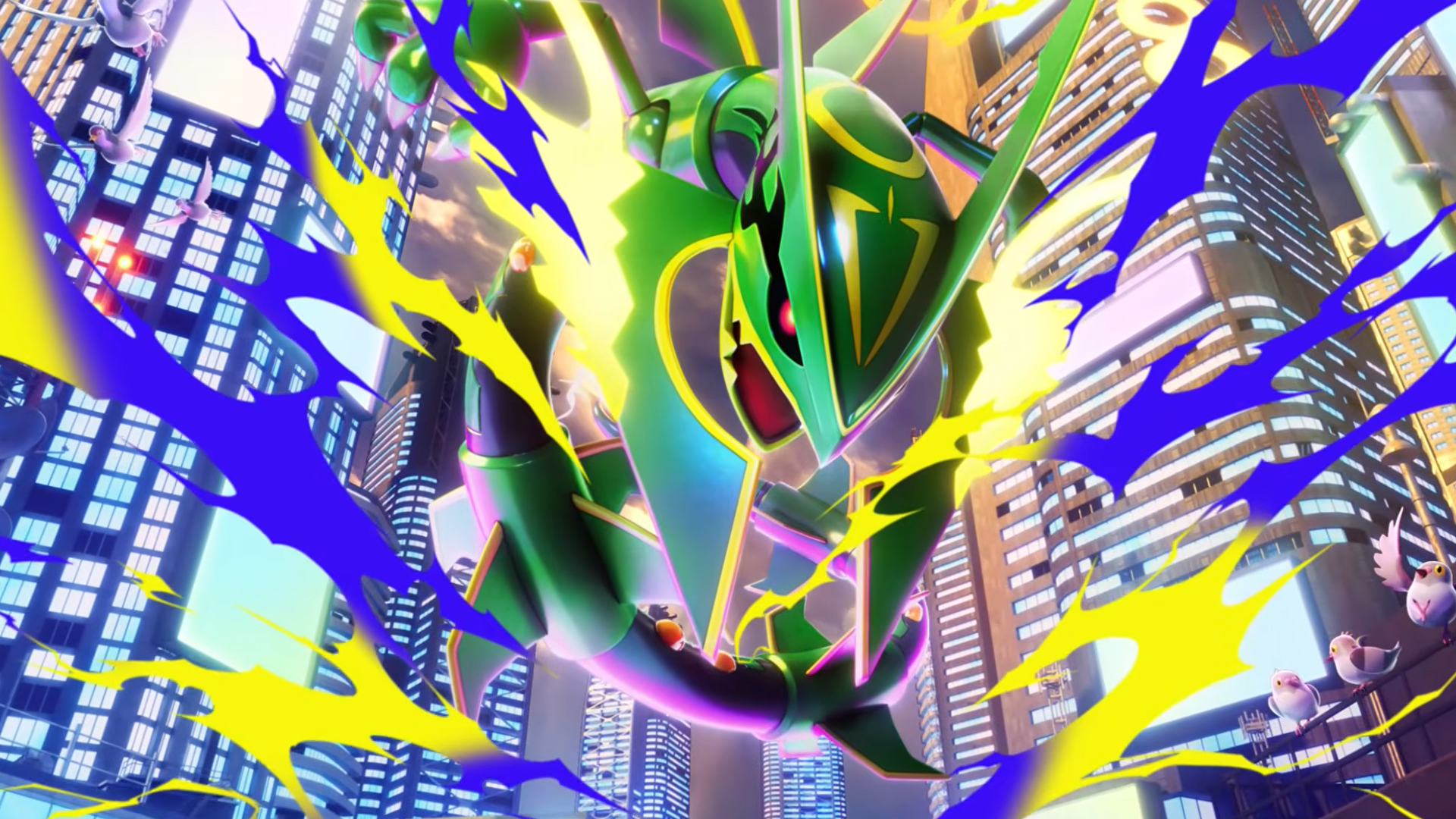
TCG Pocket Responds: A Much-Needed Pace Shift for Pokémon Fans
Pokémon TCG Pocket is rolling out a major update for its second anniversary, primarily addressing player concerns about overwhelming content releases by shifting to a six-week set schedule. This aims to curb player decline and improve overall engagement by giving trainers more time to collect and strategize. The update also adds new collection methods, improved deck-building features, and enhanced trading functionality.
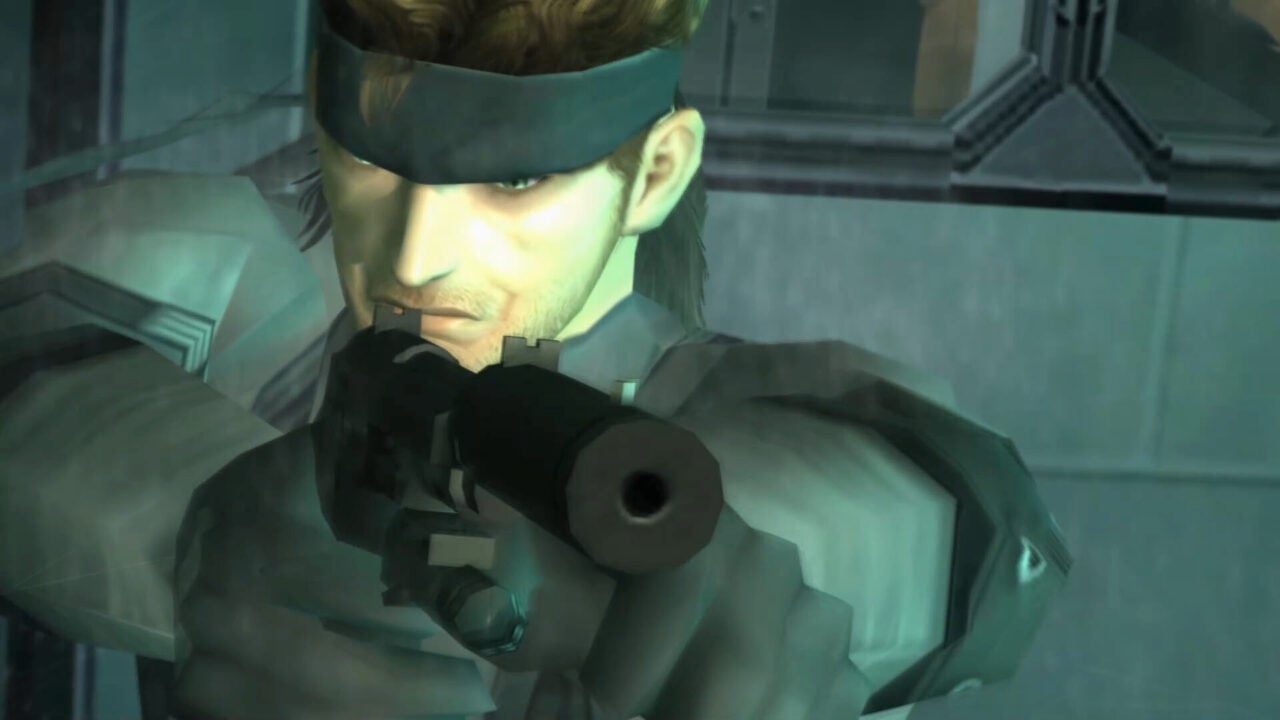
Kojima Compares Divisive New Film 'Digger' to MGS2's Prescient Vision
Gaming icon Hideo Kojima has praised the divisive 2026 film *Digger*, drawing intriguing parallels to his own prophetic game, *Metal Gear Solid 2*. Both works, he explains, uniquely explore the dangers of misinformation and a fragmented digital reality, anxieties he shares with *Digger*'s director, Alejandro González Iñárritu.

Ubisoft Proposes German Studio Workforce Reduction Amidst
Ubisoft is planning a voluntary departure program for about 100 employees across its Düsseldorf, Berlin, and Mainz studios in Germany. This move is part of a larger, ongoing cost-reduction and restructuring effort by the publisher, aiming to better position its studios for future projects.
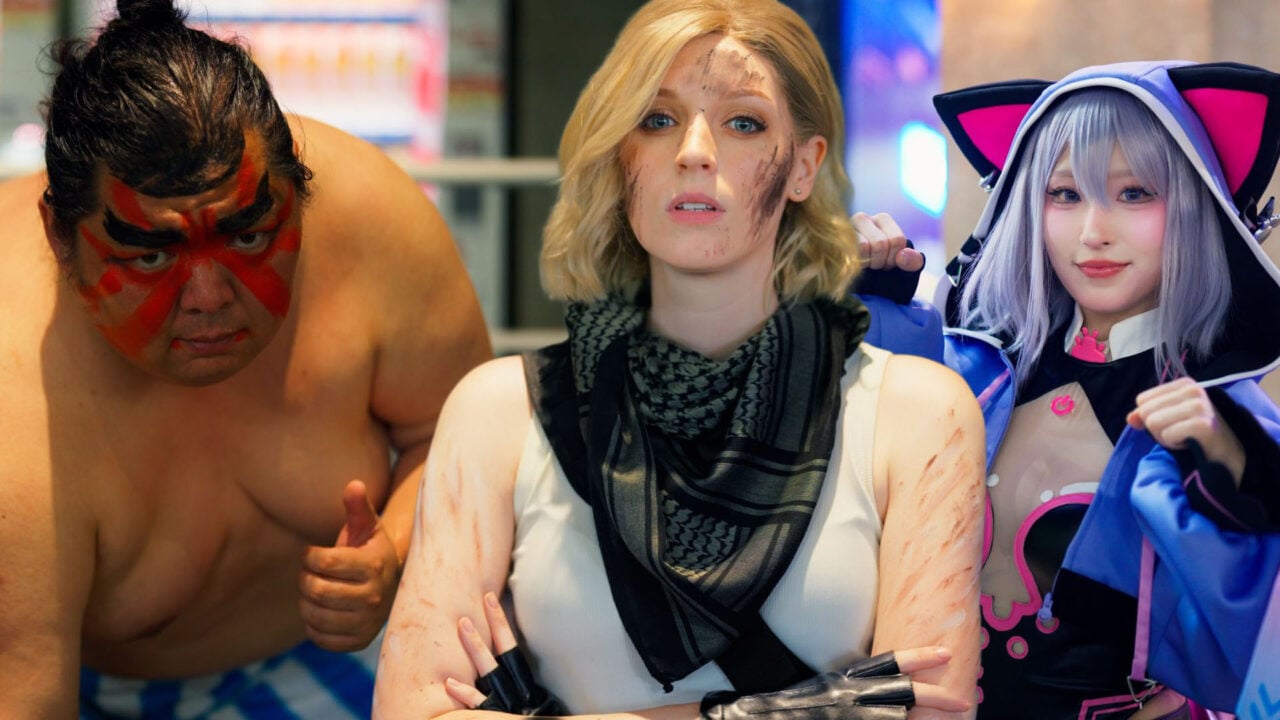
TGS 2026: These Forward-Looking Cosplays Are Already Living in the
Tokyo Game Show 2026 showcased incredible cosplay, with many fans embodying characters from unreleased games like *Blast Blade* and *Mononoke No Kuni*. This gallery highlights the community's foresight, alongside debut *Palworld* cosplay and refreshed takes on classics. It’s a testament to the passion that brings gaming's future to life.
Beyond the Bugs: Conquering Studio Headaches in Indie Dev
This guide, part three in a series on running an indie studio, tackles the crucial but often overlooked aspect of dealing with non-development related issues. It introduces creating a shared 'studio backlog' for collective problems and using the IDS (Identify, Discuss, Solve) framework to address them constructively. The core message is to build powerful habits that keep studios from getting quietly derailed by lingering challenges.
How to Understand Why the Steam Deck's GPU is Falling Behind
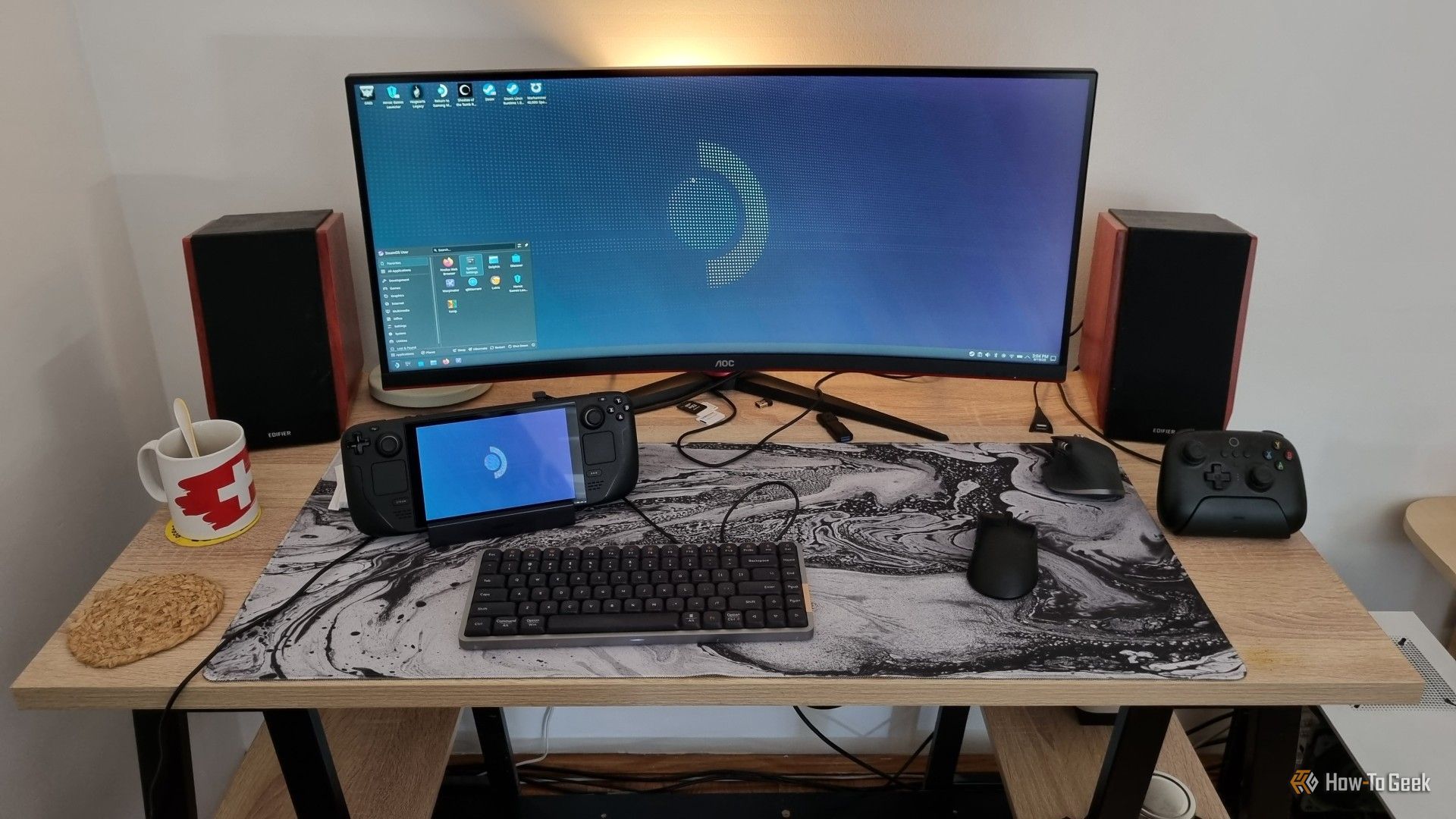
The Valve Steam Deck revolutionized portable PC gaming, bringing a vast library of games to your hands. However, technology moves fast, and even great designs can show their age. This guide will help you understand why