
Ray-Ban Meta Optics Review: Premium Fit, Premium Price
The Ray-Ban Meta Optics smart glasses represent a significant step forward for those who need prescription eyewear but also desire the integrated tech of Meta's wearables. While the improved fit and subtle design make
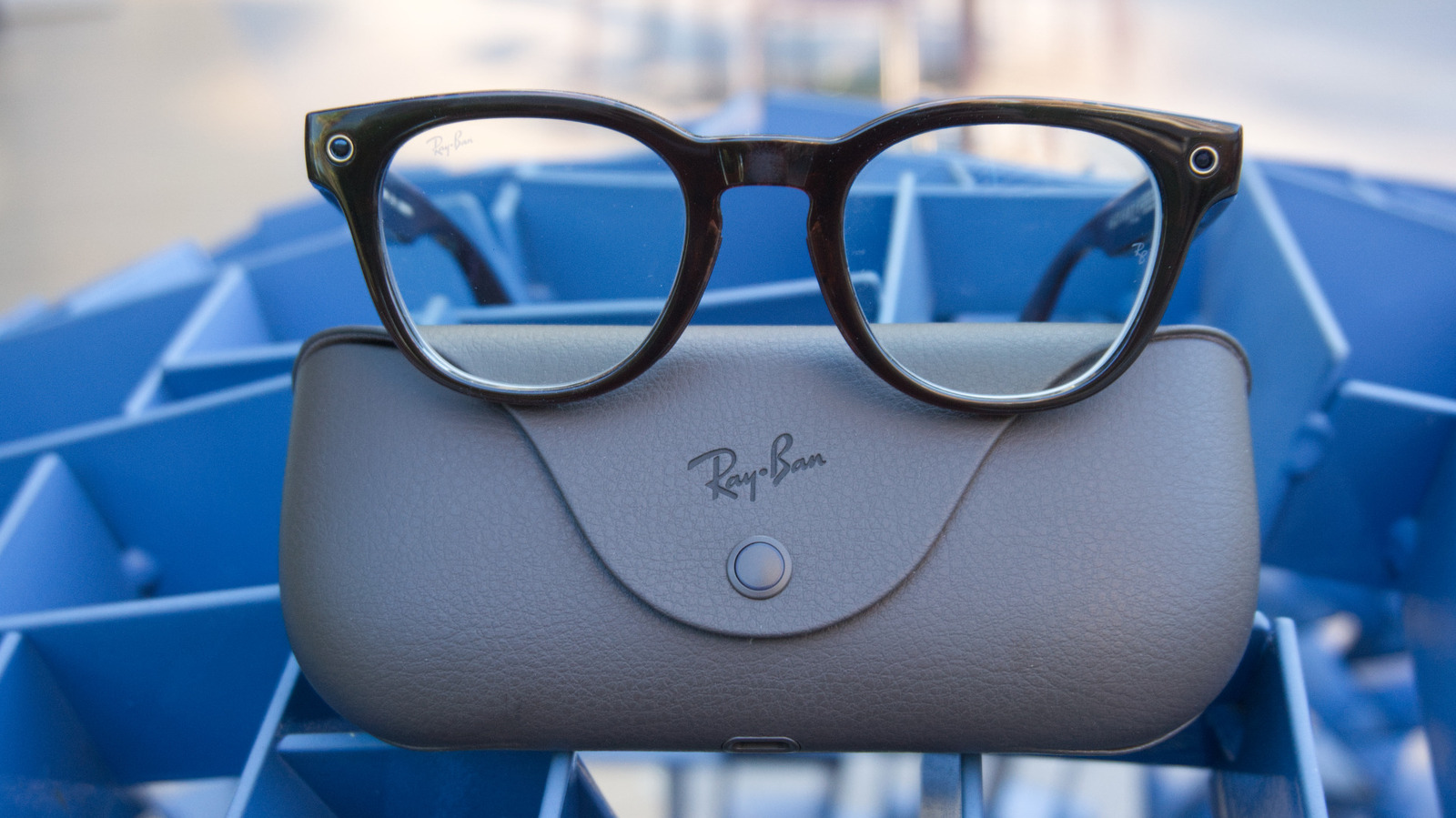
The Ray-Ban Meta Optics smart glasses represent a significant step forward for those who need prescription eyewear but also desire the integrated tech of Meta's wearables. While the improved fit and subtle design make them the most comfortable and 'normal' looking smart glasses from Meta to date, their extremely high price point, combined with ongoing privacy concerns, makes them a niche product for a specific, well-resourced user.
First Impressions: A Step Towards Everyday Wear
Meta's "Optics" line, developed with Essilor Luxottica, refines the second-generation Ray-Ban frames with a primary focus on prescription users. As someone who routinely wears glasses, previous iterations with clear, non-prescription lenses felt less practical for daily use. However, after two weeks with the Optics as my primary eyewear, the appeal of integrated smart features in prescription frames became clearer.
These glasses are structurally similar to the broader Gen 2 lineup but incorporate crucial upgrades for enhanced comfort and wearability. A persistent issue with earlier Ray-Ban Meta models, namely their tendency to slide down the nose due to oversized frames, has been addressed. The Optics frames feature swappable inner nosepads – offering “universal fit,” “high bridge,” and “low bridge” options. Switching to the “high bridge” pads significantly reduced slippage for me. Additionally, the tips of the glasses are moldable by an optician, allowing for a truly precise fit, and the overextension hinges prevent uncomfortable pressure around the ears.
The aesthetic has also seen a subtle improvement. While the "Scriber" style I tested remained larger than my typical frame preference, its color scheme felt more natural and less conspicuous than previous brightly-colored or heavily-tinted options. Multiple people failed to identify them as smart glasses, mistaking them for regular Ray-Bans – a testament to Meta's progress in making these devices blend into everyday life.
Under the Hood: Battery, Buttons, and AI Evolution
Beyond the refined fit, the Optics line offers minor yet impactful performance enhancements. Battery life, a critical factor for all-day wear, has seen a slight boost, with the Blayzer and Scriber frames rated for "more than 8 hours" compared to the standard Gen 2's "up to 8 hours." In practical use, I comfortably exceeded 8 hours with intermittent audio and Meta AI usage, making them reliable companions for extended periods.
A notable addition, first seen on the Oakley Meta Vanguard, is the customizable action button. Positioned subtly on the end of the main capture control, this tiny button provides a shortcut for frequently used commands. I found its most effective use to be the "read my latest text message" custom prompt. This allows me to discreetly access texts with a quick push, avoiding the disruptive experience of Meta AI automatically reading messages aloud, especially in social situations. It's a more subtle and efficient interaction than traditional voice commands or pulling out a phone.
Meta AI itself has received substantial updates, though these improvements are universal across Meta's smart glasses, not exclusive to the Optics. Powered by the new Muse Spark AI model, the assistant is more responsive and conversational. You can interrupt responses or ask follow-up questions without repeatedly invoking the "Hey Meta" prompt, and it generally grasps context better and responds faster.
However, these AI advancements come with new considerations. The assistant's listening window has been extended, staying active for up to 20 seconds after you finish speaking. While this aids conversational flow, it raises privacy concerns, particularly given Meta's data collection practices. This default setting, which can be disabled, led to awkward moments where Meta AI inadvertently listened to other conversations, babbling unrelated information. While Meta allows disabling this, a customizable shorter listening window would be a welcome alternative.
New health-related features, such as getting nutrition information by asking Meta about food you're looking at, were less consistent. While identifying an avocado and providing general details, it often struggled with specific calorie counts or accurately identifying complex dishes like pizza toppings and slice counts. While these are likely early-stage features that Meta will refine, the current inconsistencies can be frustrating.
The Elephant in the Room: Price and Privacy
This brings us to the most significant hurdle for the Ray-Ban Meta Optics: the price. The base frames retail for $499, but adding prescription lenses can dramatically inflate the cost. My configuration, including a moderate prescription, blue light filter, and scratch-resistant coating, exceeded $700 before taxes and shipping. More advanced options, like transition lenses, would further increase this. This price point is exceptionally high for a pair of glasses, especially considering that prescriptions often change annually. Furthermore, navigating vision insurance for these specialized frames might be challenging, as not all opticians may carry Ray-Ban Meta styles.
Beyond the financial investment, privacy remains a paramount concern. Meta no longer allows US users to opt out of storing voice recordings in the cloud. Moreover, utilizing multimodal features – asking Meta AI to analyze images from your surroundings for information – means consenting to the use of those images for training Meta's AI models. This data could potentially be viewed and labeled by outside contractors. While Meta states it doesn't use video or images saved to your camera roll for AI training, the broader data collection practices are a valid concern.
Recent reports about Meta exploring facial recognition capabilities, including the discovery and subsequent removal of an unreleased "name tag" feature's code, have only intensified suspicion. While Meta has not finalized such a feature, these developments amplify the perception that wearing these glasses could contribute to a surveillance-state scenario. This public perception is a significant factor, as many would be hesitant to spend $700 on a device that draws accusations of being "creepy."
Final Verdict
For existing fans of Ray-Ban Meta glasses who require prescription lenses and prioritize a comfortable, integrated smart experience, the Optics line is undeniably the most polished and premium option available. The improved fit and subtle design make them genuinely suitable for all-day, everyday wear. However, the exorbitant cost, coupled with legitimate and intensifying privacy concerns surrounding Meta's AI and data practices, makes this a very niche recommendation. It's an investment that only makes sense for those deeply committed to the Meta ecosystem and unperturbed by the privacy implications and public perceptions.
FAQ
Q: Are the Ray-Ban Meta Optics worth the high price for someone who already wears prescription glasses? A: If you are fully committed to the Meta smart glasses ecosystem and want the convenience of integrated tech in your daily prescription eyewear, and you're comfortable with the significant cost (potentially over $700) and privacy trade-offs, then they offer the most comfortable and refined experience in this category. For most, however, the price is prohibitively high, especially given annual prescription changes and insurance complexities.
Q: How do the privacy concerns with the Meta Optics compare to other smart glasses? A: Privacy concerns are intensified with the Meta Optics due to Meta's recent policy changes, such as mandatory cloud storage of voice recordings for US users and the use of multimodal feature data (images from your surroundings) for AI model training. The recent discussions around potential facial recognition features further heighten these concerns, making them a more significant factor than with many other smart wearables.
Q: Can I use my vision insurance to help cover the cost of Ray-Ban Meta Optics? A: While the frames support prescription lenses, the actual coverage will depend heavily on your specific vision insurance policy and whether your optician carries Ray-Ban Meta styles. Given the high base price and added costs for custom lenses and coatings, it's highly recommended to check with your insurance provider and preferred optician before purchase, as full coverage is unlikely and out-of-pocket costs will still be substantial.
Related articles

Apple Unveils iPhone Duo: Pricey Foldable Sees Soaring Demand
Apple has officially entered the foldable smartphone arena with the long-anticipated launch of the iPhone Duo. Priced starting at a hefty $1,999, the device features a 5.4-inch outer display and a larger 7.6-inch inner
Android 17 QPR2 Beta 7.1: The Performance Relief You've Been Waiting
Android 17 QPR2 Beta 7.1: Finally Fixing the QPR1 Performance Woes Verdict: Android 17 QPR2 Beta 7.1 is a crucial and highly anticipated software update for Google Pixel users, specifically targeting and resolving the

DJI Solo Video Setups: Smart Choices for Lone Creators
This review delves into DJI's recommended solo video setups, highlighting the Osmo Pocket 3 Creator Combo as a top pick for its integrated camera, gimbal, and mic. It also covers stabilizers like the Osmo Mobile 8 and RS 4, and the DJI Mic Mini series for enhanced audio, providing honest pros, cons, and clear buying advice.

Ars Technica's Rocket Report: Your Essential Space Industry Briefing
Quick Verdict Ars Technica's Rocket Report, presented by veteran space reporter Stephen Clark, offers an invaluable and meticulously organized weekly (or similar frequency, implied by "Edition 9.15") digest of the most

Apple iPhone Duo: A Daring Debut with Notable Compromises
Apple's highly anticipated iPhone Duo, priced at $2,000, has gone on pre-order. While hailed as "Apple's most exciting device in a decade" for its innovative foldable design and immersive display, it comes with significant drawbacks like the absence of FaceID and a premium camera.

KDE Plasma 6.8: A Future-Focused 30th Anniversary Update
Quick Verdict KDE Plasma 6.8, arriving as the "30th Anniversary Edition," is a pivotal release that decisively pushes the desktop environment into the future. With a definitive farewell to native X11 sessions and a