
Pixel Watch: Update Woes Undermine Core Fitness Tracking
Quick Verdict The Google Pixel Watch, across various models including the Pixel Watch 2 and Pixel Watch 4, is currently facing significant software issues stemming from the March 2026 Wear OS update. These problems are

Quick Verdict
The Google Pixel Watch, across various models including the Pixel Watch 2 and Pixel Watch 4, is currently facing significant software issues stemming from the March 2026 Wear OS update. These problems are severely impacting the device's fundamental fitness tracking capabilities, with users reporting wildly inaccurate step and calorie counts, alongside the complete disappearance of crucial health metrics like skin temperature and blood oxygen. Until a reliable fix is rolled out, the Pixel Watch cannot be genuinely recommended as a dependable fitness companion, as its core data, which users rely on daily, is now highly questionable.
The Heart of the Problem: Activity Data Gone Awry
For any smartwatch, especially one that deeply integrates with a robust health platform like Fitbit, accurate activity tracking is paramount. Unfortunately, the latest March 2026 software update for the Pixel Watch has introduced a series of critical bugs that are directly undermining this core functionality. Users have been quick to report these issues, initially noting missing health metrics, but the complaints have rapidly escalated to encompass primary tracking features that form the backbone of daily fitness monitoring.
The most prominent and concerning issue is the widespread overcounting of daily activity. Owners are observing their step counts and corresponding calorie burn estimates surge far beyond what their actual movement would justify. This isn't a minor discrepancy; some reports suggest numbers are effectively doubling, painting an artificially boosted picture of physical activity. Whether it's a brisk walk or a low-activity day, the watch seems to be misinterpreting movement, leading to inflated figures for steps, distance, and energy expenditure. This makes it virtually impossible for users to get an accurate read on their actual effort or progress toward fitness goals.
Beyond the overcounting, there's a troubling issue of data simply vanishing. Health metrics that are often used for long-term trend analysis, such as skin temperature and blood oxygen levels, are reportedly disappearing entirely after the update. These readings, while perhaps not daily essentials for everyone, are vital for those who monitor subtle changes in their health or recovery patterns. Their absence creates frustrating gaps in an otherwise comprehensive health profile. The unconfirmed cause of these issues, with some speculation pointing to a recent Fitbit app rollout rather than the Wear OS update alone, only adds to the user uncertainty.
User Experience and the Impact on Fitness Goals
These software glitches are more than just technical inconveniences; they directly erode the user experience and, more importantly, sabotage the effectiveness of personal fitness tracking. The primary value of a smartwatch as a health tool lies in its ability to provide consistent and reliable data. When that consistency is shattered, the device's utility for measuring progress becomes severely compromised.
Imagine setting daily step goals or tracking calorie burn for weight management. With inflated numbers, users might falsely believe they've achieved their targets without putting in the necessary effort. This false sense of accomplishment can lead to distorted habits and, over time, diminish the motivation and value associated with tracking altogether. The trust between the user and their device, built on the premise of accurate feedback, is fundamentally broken when the data no longer reflects reality. What's the point of wearing a sophisticated health tracker if you can't trust what it tells you?
The disappearance of metrics like blood oxygen and skin temperature further exacerbates this problem. These aren't just arbitrary numbers; they contribute to a holistic understanding of one's well-being. For users who rely on these trends to identify potential health shifts or optimize recovery, their sudden absence creates a void. This makes it harder to spot emerging patterns, potentially missing early indicators that consistent data might otherwise reveal. The overall picture painted by the watch's health data becomes fragmented and unreliable, rendering it less a helpful companion and more a source of confusion.
What's Next for the Pixel Watch?
As of now, Google has not officially acknowledged these widespread issues or provided a public statement regarding a timeline for a fix. This silence leaves Pixel Watch owners in limbo, unsure if a solution is actively in development or still under investigation. Given the nature and scope of the problems – affecting core tracking accuracy and data availability – a software patch is undoubtedly the most probable path forward. Such issues are typically resolved through subsequent software updates rather than requiring hardware alterations.
Until Google addresses these concerns with a robust and tested solution, Pixel Watch users are advised to approach their daily activity statistics with extreme caution. If you're noticing unusually high step counts or missing health data, it's prudent to cross-check with another device if possible, or at the very least, reduce reliance on your watch's daily totals for critical fitness decisions. Keeping an eye on future updates, particularly those related to the Fitbit ecosystem, will be crucial, as this is where a resolution is most likely to emerge.
Buying Recommendation
Given the current state of affairs, where the Pixel Watch's fundamental fitness tracking capabilities are severely compromised by recent software updates, it's incredibly difficult to recommend the device for anyone whose primary use case involves accurate health and activity monitoring. While the source material doesn't provide details on other aspects like design or general smartwatch features, the core function of a fitness-centric wearable is simply not performing as expected. Until Google releases a verified and effective software patch that restores confidence in its data accuracy and completeness, potential buyers should exercise significant caution. If reliable fitness tracking is a top priority, it would be wise to hold off on purchasing a Pixel Watch or consider alternatives that offer proven data integrity. Existing owners are left waiting for Google to rectify a situation that undermines the very purpose of their device.
FAQ
Q: What are the main issues affecting the Pixel Watch after the March 2026 update?
A: The primary issues reported include significant overcounting of steps, distance, and calories burned, making activity data appear artificially boosted. Additionally, some crucial health metrics, such as skin temperature and blood oxygen levels, are disappearing entirely from user tracking.
Q: How do these issues impact a user's fitness goals?
A: These inaccuracies can severely distort a user's understanding of their daily activity and progress. Inflated numbers can lead to a false sense of achievement, potentially reducing actual effort. Missing health metrics create gaps in long-term health trends, making it harder to monitor overall well-being or spot changes over time.
Q: Has Google provided a solution or timeline for a fix?
A: As of the information available, Google has not publicly addressed these issues or provided a specific timeline for a resolution. Users are currently waiting for a software patch, which is the most likely way to resolve tracking accuracy and missing metric problems.
Related articles
Android 17 QPR2 Beta 7.1: The Performance Relief You've Been Waiting
Android 17 QPR2 Beta 7.1: Finally Fixing the QPR1 Performance Woes Verdict: Android 17 QPR2 Beta 7.1 is a crucial and highly anticipated software update for Google Pixel users, specifically targeting and resolving the

DJI Solo Video Setups: Smart Choices for Lone Creators
This review delves into DJI's recommended solo video setups, highlighting the Osmo Pocket 3 Creator Combo as a top pick for its integrated camera, gimbal, and mic. It also covers stabilizers like the Osmo Mobile 8 and RS 4, and the DJI Mic Mini series for enhanced audio, providing honest pros, cons, and clear buying advice.

TCG Pocket Responds: A Much-Needed Pace Shift for Pokémon Fans
Pokémon TCG Pocket is rolling out a major update for its second anniversary, primarily addressing player concerns about overwhelming content releases by shifting to a six-week set schedule. This aims to curb player decline and improve overall engagement by giving trainers more time to collect and strategize. The update also adds new collection methods, improved deck-building features, and enhanced trading functionality.

Ars Technica's Rocket Report: Your Essential Space Industry Briefing
Quick Verdict Ars Technica's Rocket Report, presented by veteran space reporter Stephen Clark, offers an invaluable and meticulously organized weekly (or similar frequency, implied by "Edition 9.15") digest of the most

Apple iPhone Duo: A Daring Debut with Notable Compromises
Apple's highly anticipated iPhone Duo, priced at $2,000, has gone on pre-order. While hailed as "Apple's most exciting device in a decade" for its innovative foldable design and immersive display, it comes with significant drawbacks like the absence of FaceID and a premium camera.
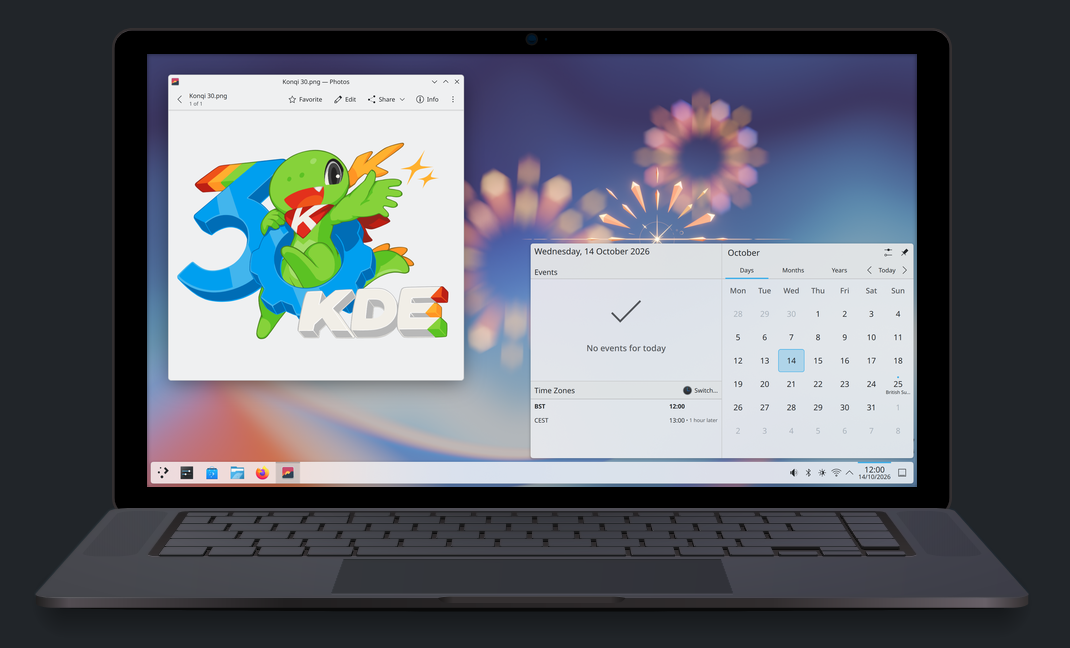
KDE Plasma 6.8: A Future-Focused 30th Anniversary Update
Quick Verdict KDE Plasma 6.8, arriving as the "30th Anniversary Edition," is a pivotal release that decisively pushes the desktop environment into the future. With a definitive farewell to native X11 sessions and a