
Meta Faces Over $22 Billion Income Hit Due to Child Safety Settlement
Meta's Q3 2026 earnings reveal a $9.89 billion payment towards a child safety settlement, impacting its operating income by over $22 billion. Despite this, the company reported robust revenue growth of 26 percent year-over-year. Meta faces further legal challenges, including a $25 billion penalty from a New Mexico court related to the Cambridge Analytica scandal.

Social media giant Meta Platforms revealed in its third-quarter 2026 earnings report that its operating income would have surpassed $22 billion were it not for a substantial child safety settlement payment. The company disclosed it allocated $9.89 billion during the quarter to address a nationwide lawsuit, a significant financial hit that overshadowed otherwise robust revenue growth.
Billions Lost to Child Safety Settlement
Meta’s earnings report, released on Wednesday, Oct 21, 2026, highlighted that its income from operations would have reached $22.89 billion without the specific expense related to the child safety settlement. This means the $9.89 billion payment directly reduced the company's profitability metric by nearly half for the quarter.
The Details of the Nationwide Agreement
The $9.89 billion payout represents a portion of a broader $17.1 billion settlement Meta reached in August with US attorneys general. This extensive lawsuit contended that Meta’s social media platforms knowingly incorporated features designed to foster addiction among young users, leading to widespread harm. The settlement terms included a provision where Meta would only be required to pay $5.3 billion of the total amount if competing platforms like YouTube and TikTok adopted stricter child safety settings and safeguards, which Meta also committed to implementing.
Strong Revenue Growth Amidst Legal Hurdles
Despite this considerable legal expenditure, Meta reported a strong quarter, achieving $64.60 billion in total revenue. This figure represents a notable 26 percent increase compared to the same period last year, indicating that the company's core business continues to perform robustly. With the settlement factored in, Meta's total costs and expenses for the quarter reached $51.61 billion.
Meta CEO Mark Zuckerberg remained optimistic about the company's trajectory. In a press release accompanying the earnings report, Zuckerberg stated, “We hit major milestones this quarter toward delivering personal superintelligence for everyone. Our investments are paying off, the core business is strong, and we’re seeing velocity across the board.” His remarks underscore the company's focus on long-term strategic initiatives, including advancements in artificial intelligence, despite facing concurrent legal and financial pressures.
Looming Legal Bills: Cambridge Analytica Adds $25 Billion Penalty
The child safety settlement is not the only significant legal challenge Meta is contending with. On the very same day its Q3 earnings were announced, a New Mexico court ordered the tech giant to pay an astounding $25 billion in penalties related to the lingering Cambridge Analytica data scandal. This separate ruling highlights the ongoing and multifaceted legal scrutiny Meta faces across various jurisdictions.
The magnitude of the New Mexico judgment suggests potentially “even bigger litigation costs” on the horizon for Meta, compounding the financial implications of its existing settlements. While the Q3 report details the immediate impact of the child safety agreement, the Cambridge Analytica ruling signals that Meta’s legal battles and associated expenditures are far from over and could significantly influence future financial outlooks.
Navigating a Costly Regulatory Environment
Meta’s latest earnings paint a picture of a company generating substantial revenue, yet simultaneously navigating an increasingly complex and costly legal landscape. The Q3 2026 report clearly illustrates the direct financial consequence of regulatory and public pressure regarding platform safety, particularly concerning minors. As Meta pushes forward with ambitious technological goals, including “personal superintelligence,” its ability to manage these colossal legal obligations will remain a critical factor in its overall financial performance and public perception.
FAQ
Q: How much did Meta pay in the child safety settlement this quarter?
A: Meta reported spending $9.89 billion in its third-quarter 2026 earnings report as a payment towards the child safety settlement.
Q: What was the total value of the child safety settlement Meta agreed to?
A: Meta agreed to a total settlement of $17.1 billion with US attorneys general. However, a portion of this, $5.3 billion, is contingent on YouTube and TikTok implementing stricter child safety measures.
Q: What other major legal cost did Meta face around the time of its Q3 earnings report?
A: On the same day its Q3 earnings were released, a New Mexico court ordered Meta to pay $25 billion in penalties concerning the Cambridge Analytica data scandal.
Related articles

Blackstone's Jas Khaira Dismisses AI Debt Fears Amid Market Jitters
Blackstone's AI head, Jas Khaira, asserted at TechCrunch Disrupt that concerns over the surging debt in AI infrastructure are exaggerated. The private equity giant is a pivotal financier in the capital-intensive AI transition, pioneering massive loans backed by GPUs and contracts with top-tier clients. Despite recent market jitters and rising borrowing costs, Khaira maintains the underlying creditworthiness of hyperscalers mitigates widespread risk.

FFXIV's Keybound Brawler: Already Ruffling Feathers Before Release
Final Fantasy XIV's upcoming Keybound Brawler typing minigame, part of an FFVII crossover, is already drawing player ire. Concerns stem from its mandatory keyboard requirement for console players and the gender-locked nature of its highly anticipated Barret and Tifa costume rewards.
FADU FS-SSD: A Glimpse into the Future of Storage
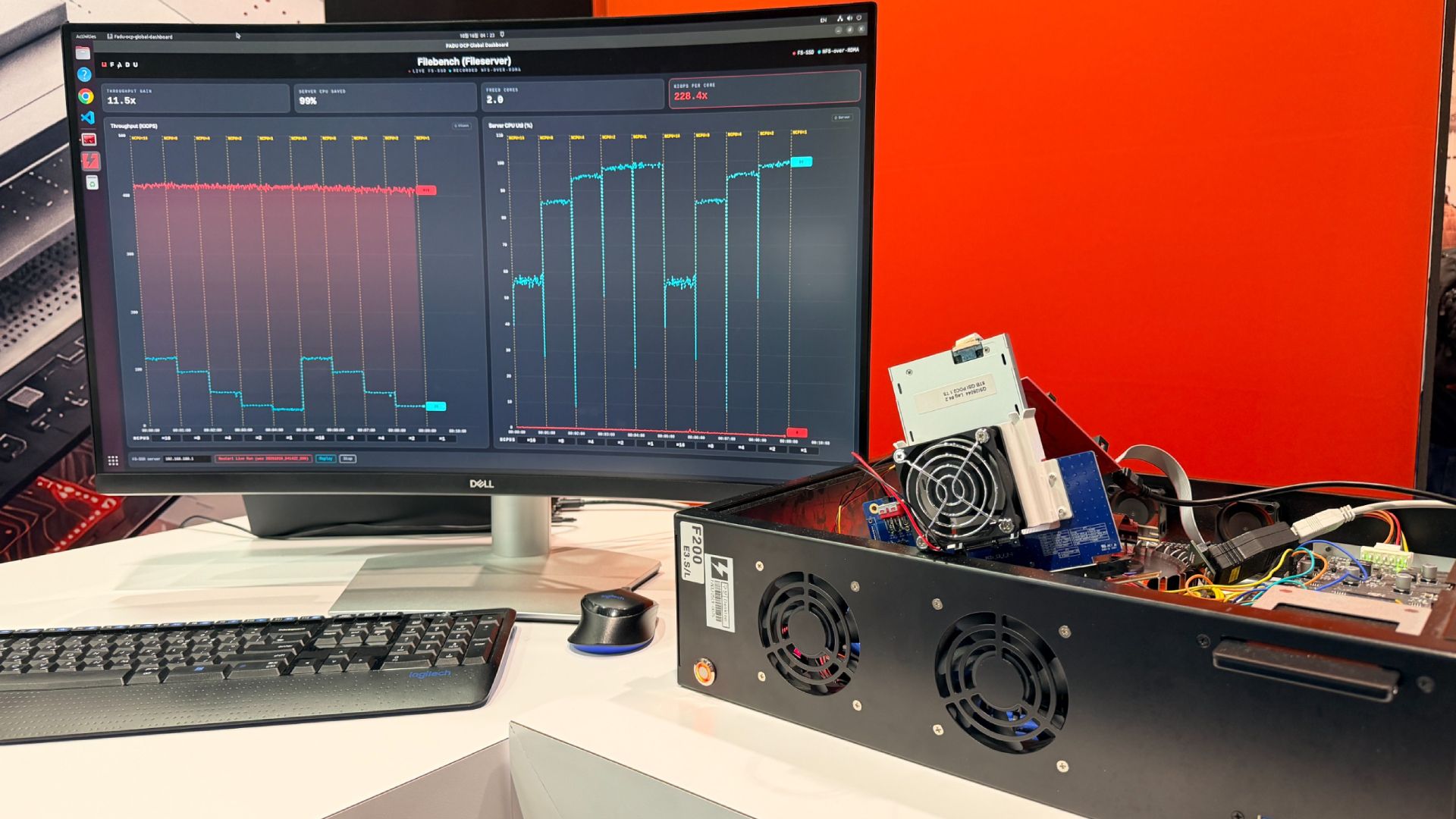
FADU's File-Semantic SSD moves the filesystem directly into the drive, aiming to dramatically reduce host CPU overhead for file operations, especially for GPUs and DPUs. Promising early results, but a long wait for samples (Q3 2027).

Get Ready for iQOO 16: India Launch, Expected Features & Specs
Discover the highly anticipated iQOO 16, confirmed for India. This guide covers its expected features, powerful specifications, design, camera, battery life, and potential pricing to help you prepare for its launch.

Anthropic Pitches AI Safety Bill: Blocking Models at 50+ Deaths
Anthropic has pitched a draft AI safety bill to Congress that would allow blocking an AI model's release if it poses a "catastrophic risk" – defined as potentially causing over 50 deaths or $1 billion in damages through specific threats. The controversial proposal mandates that federal agencies seek judicial approval to halt a model's distribution, limiting their independent authority. This move comes amid ongoing debates over AI regulation and concerns about agentic hacking.

Google's Personalized Gemini AI Hits Cars, Leveraging User Data
Google is introducing "Personal Intelligence" to Gemini AI in cars, allowing the assistant to leverage user data from Google apps like Gmail, Calendar, and Maps for highly personalized assistance. Rolling out to Android Auto today and to cars with Google built-in soon, this update offers contextual help like checking flight statuses or navigating to appointments. Users must opt-in to enable this feature, and personalized responses only work when a phone is connected, emphasizing user control over privacy.