
it: Nvidia superchip infusion finally coming to Windows PCs, report
Nvidia Superchip Infusion Finally Coming to Windows PCs, Report Says Key Takeaways Nvidia is reportedly poised to bring consumer-focused Systems on a Chip (SoCs) to Windows PCs, moving beyond its traditional GPU role.
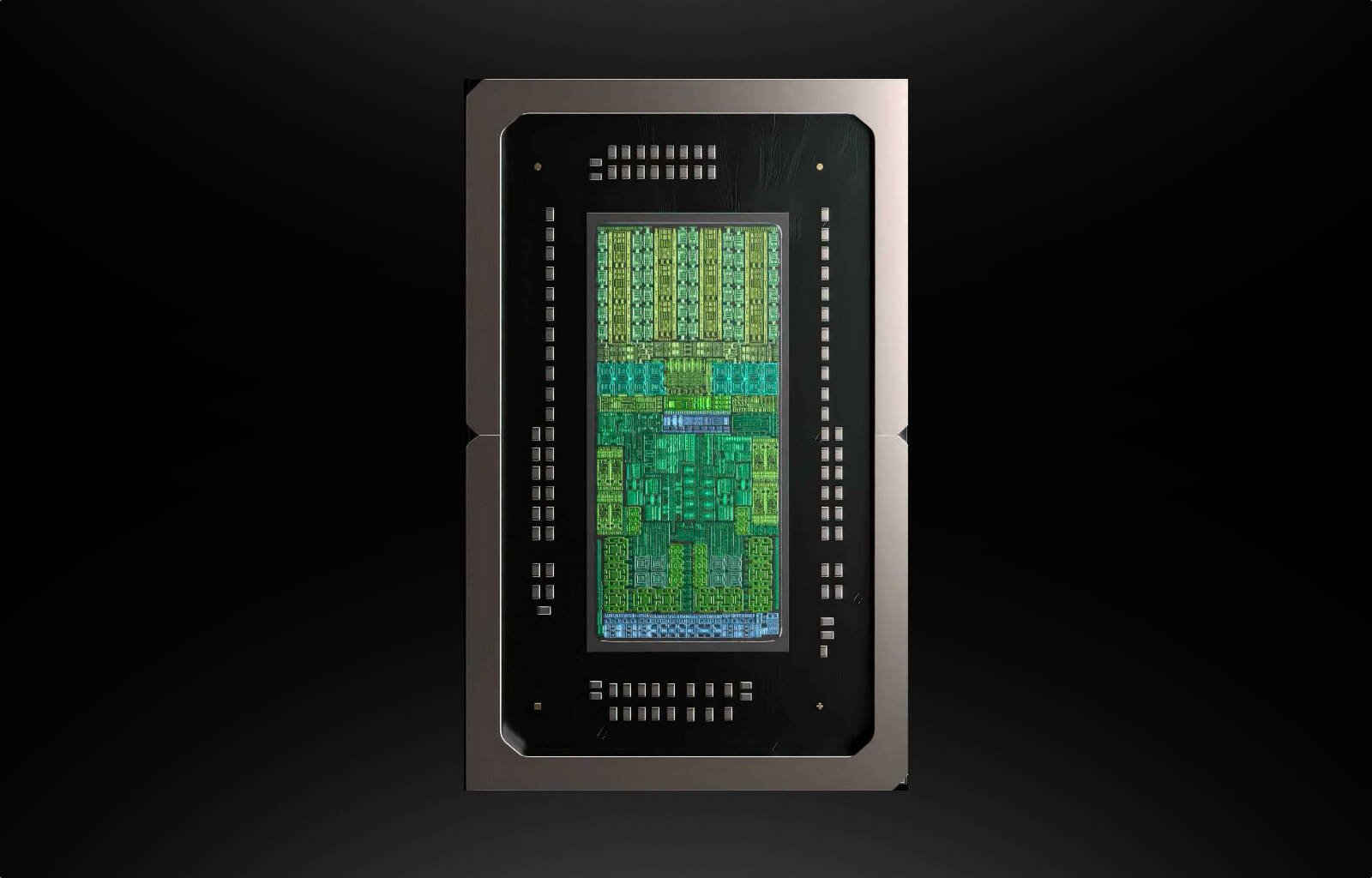
Nvidia Superchip Infusion Finally Coming to Windows PCs, Report Says
Key Takeaways
- Nvidia is reportedly poised to bring consumer-focused Systems on a Chip (SoCs) to Windows PCs, moving beyond its traditional GPU role.
- Dell and Lenovo are said to be planning new notebooks featuring these Nvidia-powered SoCs for release later this year.
- This marks a significant move for Nvidia to challenge Intel and AMD in the mainstream Windows PC market, potentially offering Arm-based systems comparable to Apple's MacBooks.
- The new SoCs are expected to build on Nvidia's existing collaboration with MediaTek, which currently powers high-end Linux AI workstations with the GB10 chip.
- Nvidia also has a separate agreement with Intel to integrate its GPU chiplets with Intel's CPUs.
What happened
According to a recent report from the Wall Street Journal, citing sources familiar with the matter, Nvidia is preparing to introduce consumer-focused System on a Chip (SoC) solutions for Windows PCs. This development could see Nvidia's technology integrated directly into the core of mainstream laptops and desktops, a departure from its current primary role as a discrete GPU provider.
Major PC manufacturers Dell and Lenovo are reportedly planning to release systems, including notebooks, powered by these new Nvidia SoCs later this year. This strategic move positions Nvidia to directly compete with established CPU giants Intel and AMD in the lucrative Windows PC market.
Nvidia has already made inroads with its GB10 SoC, launched last fall in collaboration with MediaTek. This chip, featuring a MediaTek-designed CPU and an Nvidia GPU, currently powers high-end Linux AI workstations from various OEMs like Dell, Asus, MSI, Gigabyte, and Lenovo. However, these systems are priced between $3,000-$4,000 and run a customized version of Ubuntu Linux, not Windows, limiting their mainstream appeal.
Why it matters
Nvidia's potential entry into the Windows PC SoC market signals a significant shift in the competitive landscape. By offering integrated CPU and GPU solutions, Nvidia aims to directly challenge Intel and AMD, particularly in the growing segment of Arm-based Windows PCs that seek to emulate the power efficiency and performance seen in Apple's MacBook line.
This move aligns with previous statements from Nvidia CEO Jensen Huang, who noted the
Related articles

Apple Unveils iPhone Duo: Pricey Foldable Sees Soaring Demand
Apple has officially entered the foldable smartphone arena with the long-anticipated launch of the iPhone Duo. Priced starting at a hefty $1,999, the device features a 5.4-inch outer display and a larger 7.6-inch inner
Android 17 QPR2 Beta 7.1: The Performance Relief You've Been Waiting
Android 17 QPR2 Beta 7.1: Finally Fixing the QPR1 Performance Woes Verdict: Android 17 QPR2 Beta 7.1 is a crucial and highly anticipated software update for Google Pixel users, specifically targeting and resolving the

DJI Solo Video Setups: Smart Choices for Lone Creators
This review delves into DJI's recommended solo video setups, highlighting the Osmo Pocket 3 Creator Combo as a top pick for its integrated camera, gimbal, and mic. It also covers stabilizers like the Osmo Mobile 8 and RS 4, and the DJI Mic Mini series for enhanced audio, providing honest pros, cons, and clear buying advice.

in-depth: Chicago-Area Cops Helped HSI Spy on Minnesota Anti-ICE
Chicago-area law enforcement, including local police and HSI agents, conducted undercover surveillance on Minnesota anti-ICE activists at an April 2, 2022, talk in Chicago. This operation was part of a federal conspiracy probe into 15 Minnesota activists facing felony charges related to immigration enforcement resistance. Civil liberties advocates have condemned the surveillance as a troubling intrusion into protected political activity.

TCG Pocket Responds: A Much-Needed Pace Shift for Pokémon Fans
Pokémon TCG Pocket is rolling out a major update for its second anniversary, primarily addressing player concerns about overwhelming content releases by shifting to a six-week set schedule. This aims to curb player decline and improve overall engagement by giving trainers more time to collect and strategize. The update also adds new collection methods, improved deck-building features, and enhanced trading functionality.
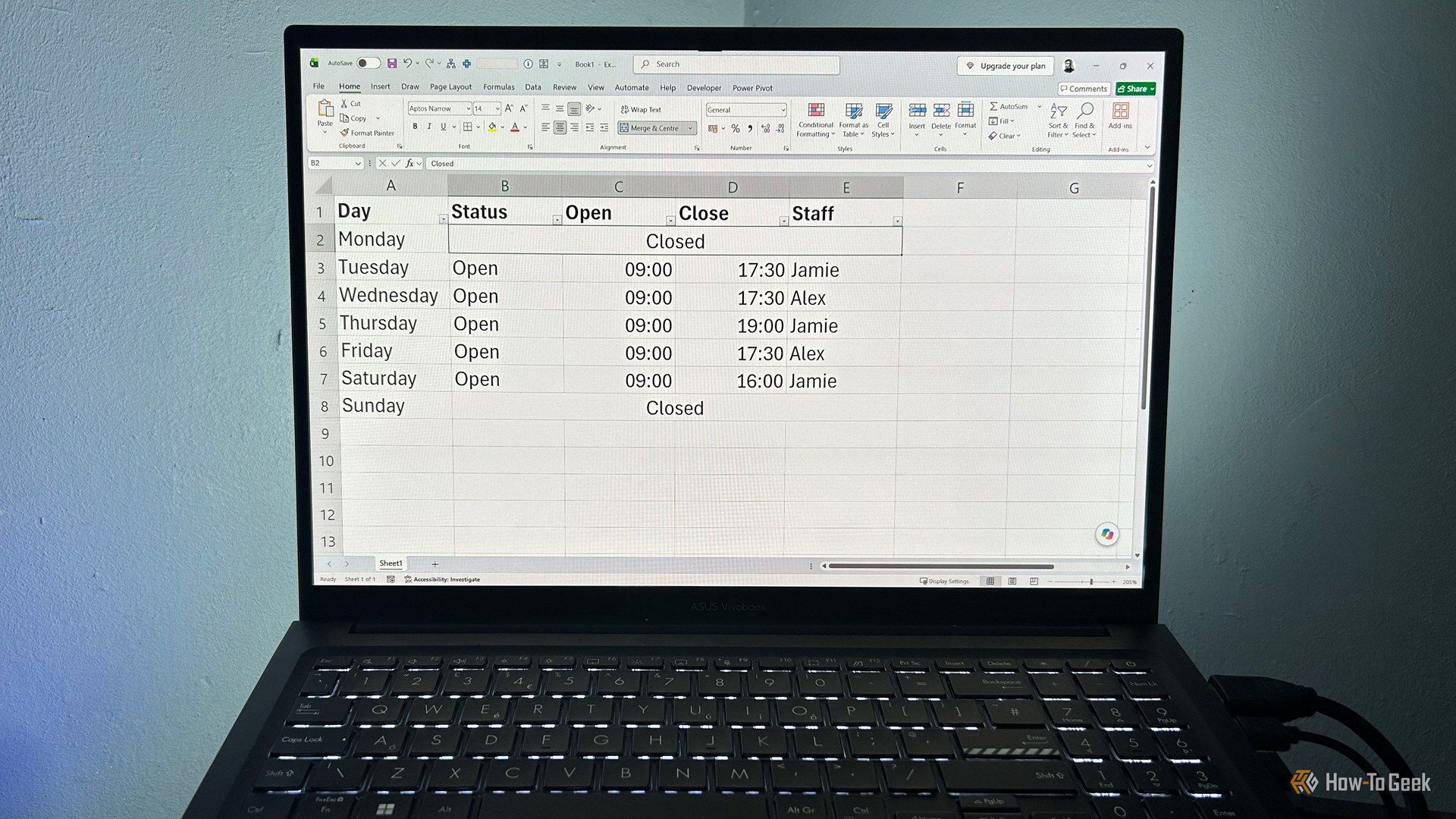
Ditch Merge & Center: The Better Way to Align Text in Excel
Learn to use Excel's "Center Across Selection" to align text across cells without merging, avoiding common data manipulation issues. This guide provides steps to utilize this newly accessible feature and add it to your Quick Access Toolbar.