
iPhone Fold: Apple's Risky Bid for Foldable Dominance
Apple’s entry into the foldable phone market has been a topic of fervent speculation for years. Now, with rumors pointing to a potential 2026 release for the 'iPhone Fold,' the anticipation is palpable. As an

Apple’s entry into the foldable phone market has been a topic of fervent speculation for years. Now, with rumors pointing to a potential 2026 release for the 'iPhone Fold,' the anticipation is palpable. As an experienced tech reviewer, my stance remains clear: I’m ready for a foldable iPhone, but only if Apple executes this monumental shift flawlessly. This isn't just about a new form factor; it's about a complete reimagining of the iPhone experience, demanding a deep dive into software, user interface, and overall utility.
The Vision: A New Era for iPhone
Reports from sources like Bloomberg’s Mark Gurman suggest the iPhone Fold will represent the 'most significant overhaul' in the history of iPhones. Slated for 2026, it aims to join a competitive landscape where rival phone makers have already made significant strides in minimizing screen creases, integrating versatile cameras, and enhancing durability to match traditional slab phones. The iPhone Fold cannot merely be a novelty; it must deliver genuine, tangible utility.
The rumored design leans towards a wide-screen device, akin to the Oppo Find N2 or the original Google Pixel Fold. This wider aspect ratio is a smart move, primarily intended to minimize letterboxing – those thick black borders – when consuming video content. However, the current iteration of iOS, even on larger devices like the iPhone 17 Pro Max, struggles to fully utilize expansive screen real estate. This is where Apple's biggest challenge and opportunity lie.
The Crucial Software Overhaul
For the iPhone Fold to truly capitalize on its foldable design, it necessitates true multitasking capabilities – a feature conspicuously absent from current iPhones. Competitors like Samsung, Oppo, and Vivo have long offered robust split-screen and multi-window experiences. Imagine running two apps side-by-side on a Galaxy Z Fold 7, or even three simultaneously on an Oppo Find N6. The closest an iPhone gets today is picture-in-picture mode, which simply isn't the same. Apple has its work cut out for it.
Further reports indicate an 'iPad-like interface when opened' for the foldable iPhone, potentially making dual-app usage easier with sidebars. While this signals a step in the right direction – no iPhone has ever natively supported multiple on-screen apps – it also raises concerns. The current state of multitasking on iPadOS 26 isn't without its quirks. Gestures can be unintuitive; for instance, a swipe intended for the Control Center on an iPad Air can sometimes register as an attempt to resize an app window. Similarly, adding quick-action pop-up windows can be a struggle, a problem that generally doesn’t plague current-generation Android foldable phones.
Apple will need to fine-tune these gestures and enhance window management. A Samsung-like quick action sidebar, allowing for drag-and-drop functionality for pop-up windows (like a calculator over an invoice), would be invaluable. While I don't use such features constantly, their utility for specific tasks, like tax preparation, is undeniable.
Apple does, however, have a foundation to build upon with Stage Manager, a feature recently adopted by Vivo for its Atomic Workbench. Stage Manager excels at having reference articles readily accessible alongside a document, a productivity boon that could make the iPhone Fold significantly more useful for professional tasks.
Design & Durability Expectations
Beyond the software, the physical design and build quality are paramount. The iPhone Fold must be as durable as its non-folding counterparts, and Apple must find a way to minimize the screen crease effectively, as rivals have already achieved. This isn't just about aesthetics; it's about the longevity and perceived quality of a premium device.
Bridging Use Cases: Entertainment & Productivity
The wide-screen format of the rumored iPhone Fold presents a unique opportunity to bridge the gap between entertainment and productivity. Its design is ideal for video consumption in landscape mode, promising minimal letterboxing. Conversely, rotating the device to a vertical orientation could transform it into a highly efficient productivity tool, especially when leveraging features like Stage Manager and improved multitasking. This duality could set it apart from taller foldables like the Z Fold 7 or Honor Magic V5, which prioritize productivity but often compromise on video viewing.
The Road Ahead: Pros and Cons
Let's be honest about what Apple is stepping into:
Pros:
- Wide Screen for Media: The rumored wide aspect ratio is excellent for video consumption with minimal letterboxing.
- Potential for True Multitasking: If Apple delivers on a robust, intuitive multi-window experience, it could unlock new levels of productivity for iPhone users.
- Apple Ecosystem Integration: Seamless integration with Apple's existing services and devices is a given and a significant advantage.
- Stage Manager Foundation: The existing Stage Manager feature provides a strong starting point for advanced window management.
- Significant Design Overhaul: Promises a genuinely fresh and innovative iPhone form factor.
Cons:
- Current iOS Limitations: The existing iOS is simply not designed for large, multi-app screens, requiring a monumental overhaul.
- Unpolished iPadOS Multitasking: Apple's current iPadOS multitasking, which the iPhone Fold might draw from, suffers from gesture quirks and lack of polish compared to Android rivals.
- Late Entry to Market: Apple is entering a market where competitors have several generations of experience, having already refined design, durability, and software.
- High Expectations for Software Polish: Given Apple's reputation, any shortcomings in the software experience will be heavily scrutinized.
Feature Comparison: Where Apple Needs to Catch Up/Excel
To understand the landscape, it's helpful to see what Apple's rumored offering needs to achieve against established players:
| Feature | Apple iPhone Fold (Rumored) | Competitors (e.g., Samsung Galaxy Z Fold 7, Oppo Find N6, Google Pixel Fold) |
|---|---|---|
| True Multitasking | Critical need; currently absent on iPhones | Already robust, supporting 2-3 apps side-by-side or floating windows |
| Polished Gestures/Window Mgmt. | iPadOS issues need fixing; requires Samsung-like sidebar | Generally smoother, with dedicated quick action sidebars and intuitive controls |
| Durability/Crease Minimization | Must match slab phones; rivals already achieving this | Advanced in minimizing crease, increased device durability |
| Wide Screen for Video | Planned for minimal letterboxing | Existing models with similar design focus (Oppo Find N2, original Pixel Fold) |
Buying Recommendation
The rumored iPhone Fold of 2026 is an exciting prospect, but my recommendation is cautiously optimistic. For the discerning consumer, the success of this device will hinge entirely on Apple's ability to deliver a seamless and intuitive software experience. This means an iOS that is not just adapted, but truly reimagined for a foldable display, offering robust multitasking without the current iPadOS frustrations. It needs to move beyond the 'wow' factor and provide genuine productivity and entertainment enhancements.
If Apple achieves this, the iPhone Fold could be a game-changer for early adopters and power users seeking the ultimate mobile computing experience within the Apple ecosystem. If it merely slaps an existing, unoptimized iOS onto a foldable screen, it risks being a very expensive novelty. Wait for detailed reviews and real-world usage reports to confirm that Apple has truly 'done it right' before making the leap.
FAQ
Q: What is the rumored release date for the iPhone Fold?
A: According to reports, Apple is rumored to release a foldable iPhone, potentially called the iPhone Fold, in 2026.
Q: Will the iPhone Fold offer true multitasking like Android foldables?
A: The iPhone Fold will critically need true multitasking capabilities, such as split-screen and multi-window features, to utilize its design. While current iPhones lack this, the rumored device is expected to feature an 'iPad-like interface' when opened to support two apps side-by-side.
Q: What are the main challenges Apple faces with the iPhone Fold?
A: Apple's main challenges include a significant overhaul of iOS to support true multitasking, refining iPadOS-like gestures for intuitive use, ensuring the device is as durable as slab phones, and integrating advanced window management features that surpass current competitor offerings.
Related articles

Apple Unveils iPhone Duo: Pricey Foldable Sees Soaring Demand
Apple has officially entered the foldable smartphone arena with the long-anticipated launch of the iPhone Duo. Priced starting at a hefty $1,999, the device features a 5.4-inch outer display and a larger 7.6-inch inner
Android 17 QPR2 Beta 7.1: The Performance Relief You've Been Waiting
Android 17 QPR2 Beta 7.1: Finally Fixing the QPR1 Performance Woes Verdict: Android 17 QPR2 Beta 7.1 is a crucial and highly anticipated software update for Google Pixel users, specifically targeting and resolving the

DJI Solo Video Setups: Smart Choices for Lone Creators
This review delves into DJI's recommended solo video setups, highlighting the Osmo Pocket 3 Creator Combo as a top pick for its integrated camera, gimbal, and mic. It also covers stabilizers like the Osmo Mobile 8 and RS 4, and the DJI Mic Mini series for enhanced audio, providing honest pros, cons, and clear buying advice.

Ars Technica's Rocket Report: Your Essential Space Industry Briefing
Quick Verdict Ars Technica's Rocket Report, presented by veteran space reporter Stephen Clark, offers an invaluable and meticulously organized weekly (or similar frequency, implied by "Edition 9.15") digest of the most
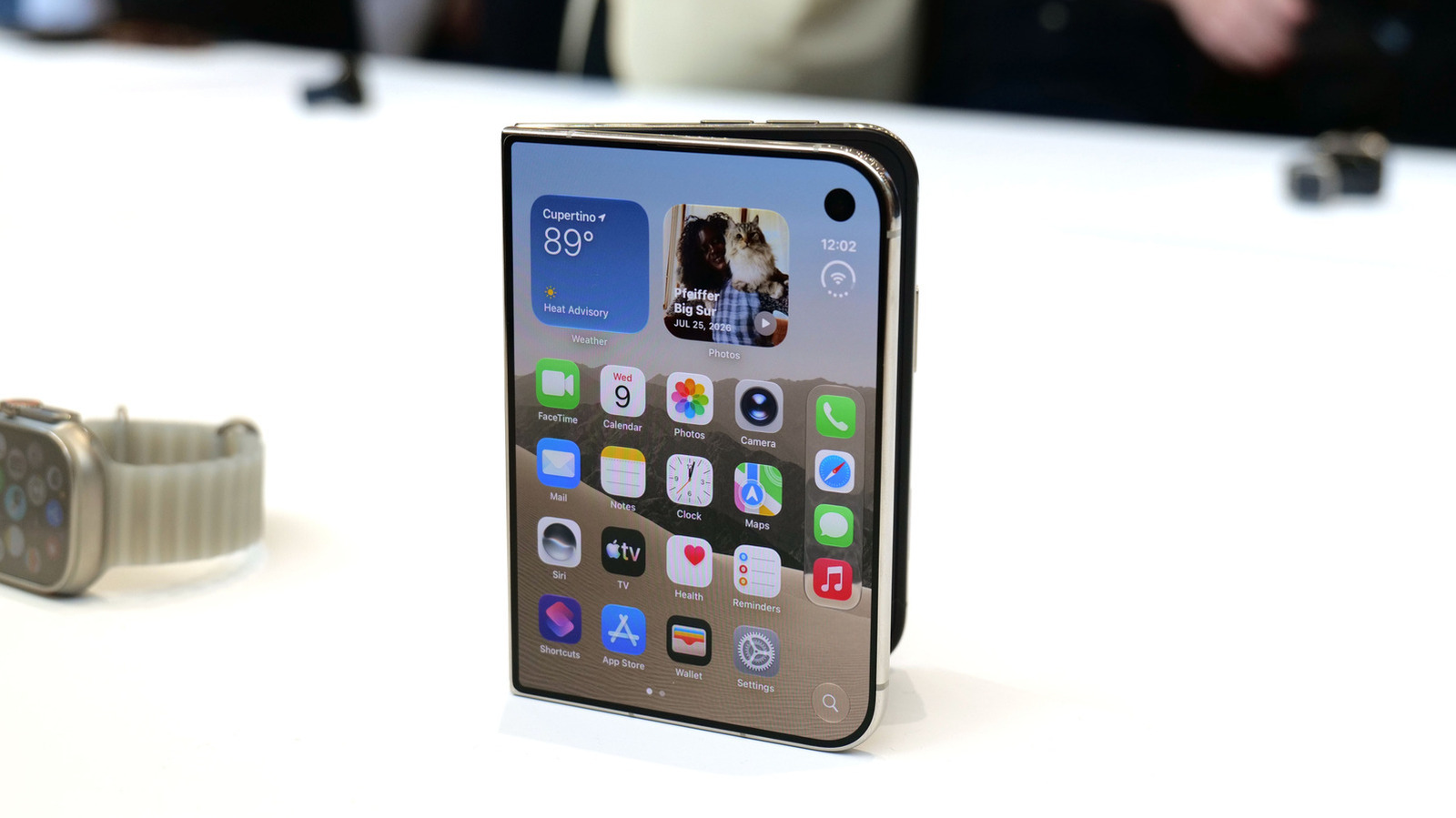
Apple iPhone Duo: A Daring Debut with Notable Compromises
Apple's highly anticipated iPhone Duo, priced at $2,000, has gone on pre-order. While hailed as "Apple's most exciting device in a decade" for its innovative foldable design and immersive display, it comes with significant drawbacks like the absence of FaceID and a premium camera.
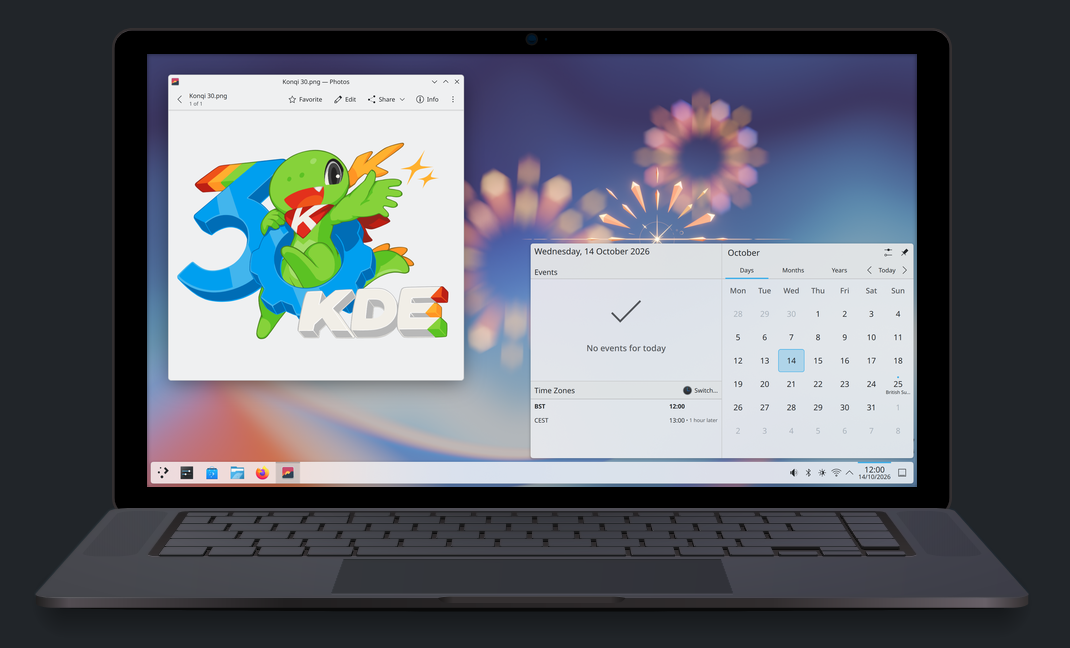
KDE Plasma 6.8: A Future-Focused 30th Anniversary Update
Quick Verdict KDE Plasma 6.8, arriving as the "30th Anniversary Edition," is a pivotal release that decisively pushes the desktop environment into the future. With a definitive farewell to native X11 sessions and a