
in-depth: Everyone’s Mad at the World Cup’s New ‘Hydration
The 2026 FIFA World Cup, hosted across the US, Mexico, and Canada, has introduced a significant, and controversial, new feature: mandatory three-minute hydration breaks. These stoppages, scheduled around the 22nd and

The 2026 FIFA World Cup, hosted across the US, Mexico, and Canada, has introduced a significant, and controversial, new feature: mandatory three-minute hydration breaks. These stoppages, scheduled around the 22nd and 67th minutes of every match, are officially framed by FIFA as a crucial player welfare measure to combat extreme heat. However, the move has ignited widespread backlash from fans and players alike, who argue the breaks are primarily designed to create lucrative new commercial advertising windows, disrupting the continuous flow that defines football.
The New Game Clock
For the first time in the tournament's history, games will halt predictably, regardless of actual weather conditions, even in milder climates like New York or Los Angeles. While FIFA insists the breaks prioritize player safety in an increasingly warming world, critics are quick to point out the substantial financial implications of these scheduled intermissions. The three-minute duration, many argue, is far longer than needed for a simple water break, suggesting a deeper commercial motive.
A Flood of Ad Revenue
These new, guaranteed stoppages introduce predictable commercial windows into live broadcasts, significantly increasing available advertising inventory. Industry analysis suggests that broadcasters like Fox in the US stand to gain substantially, with estimates indicating Fox could generate around $250 million from commercials aired during these hydration breaks in the US alone. This windfall is part of a broader financial strategy for the 2026 World Cup, which anticipates $3.9 billion from broadcast rights and an additional $1.8 billion from sponsorship and marketing. The tournament is projected to inject approximately $10.5 billion into the global advertising market.
Fans and Players Cry Foul
Football aficionados and athletes have voiced strong objections to the new policy. Fans describe the hiatuses as "concealed advertisement breaks," lamenting the disruption of a sport traditionally defined by 90 minutes of largely uninterrupted play. Virgil Van Dijk, a prominent player, has publicly expressed his disapproval, while historian David Goldblatt questions the necessity of a full three minutes for hydration, reinforcing the perception of commercial opportunism.
FIFA's Official Line
FIFA staunchly defends the hydration breaks as a player welfare initiative, citing concerns about extreme heat and a desire to ensure consistent conditions for all teams across all matches. A FIFA source stated that the policy was a direct response to player complaints regarding scorching temperatures during last summer’s Club World Cup in the US. Furthermore, FIFA contends that most broadcast deals were finalized before the breaks were even announced in December 2025, suggesting financial gain was not the primary driver.
Beyond Hydration: The Spectacle
The hydration breaks are not an isolated change but rather one component of a broader commercialization effort seen in the 2026 World Cup. Critics highlight an apparent "Americanization" of the tournament, echoing the entertainment-driven model of events like the Super Bowl. This includes dynamic ticket pricing, which has significantly inflated costs and alienated many fans, and the introduction of a Super Bowl-style halftime show for the final match, featuring global stars like Shakira, Madonna, and BTS. Tickets for the final, for instance, are fetching upwards of $25,000, and even $30,000 for better seats from resellers.
Mark Dyreson, a professor of sports history, acknowledges that FIFA is borrowing tactics from the NFL playbook, albeit noting that football has always had commercial ties. He points out that the sport's commercialization dates back decades, citing early examples like Jägermeister sponsoring a German club's jersey in 1973. Meanwhile, Simon Chadwick, a professor of sport and geopolitical economy, suggests that FIFA is actively adapting to remain competitive in a crowded global sports and entertainment market, with a clear focus on leveraging the immense commercial potential of the US.
A Commercial Legacy, A Warming Future
While the commercial aspects are undeniable, the context of a warming climate adds another layer to the discussion. Climate scientists predict more record-breaking heat in the coming years, making player safety an increasingly pertinent issue. The 2022 World Cup in Qatar was famously moved to cooler months, a precursor to the challenges faced by future tournaments. Experts like Chadwick believe that features like hydration breaks are likely to remain, and even become more critical, as football continues to adapt to environmental changes. The debate may shift from their existence to their frequency or duration.
FAQ
Q: Why did FIFA introduce mandatory hydration breaks for the 2026 World Cup?
A: FIFA officially states the breaks are for player welfare, to combat extreme heat and ensure equal playing conditions across all matches. Critics, however, argue they are primarily designed to create new commercial advertising opportunities.
Q: How much revenue is associated with these new hydration breaks?
A: While FIFA hasn't specified exact figures for the breaks alone, expert analysis suggests broadcasters like Fox could earn around $250 million from US commercials during these stoppages. The overall 2026 World Cup is projected to inject approximately $10.5 billion into the global advertising market.
Q: Are these hydration breaks expected to be a permanent feature of future World Cups?
A: Given the ongoing concerns about climate change and player safety, experts anticipate that features like hydration breaks will likely remain part of future World Cups. The specific duration or frequency might be adjusted, but the general concept is expected to persist as the sport adapts to a warming world.
Related articles

Apple Unveils iPhone Duo: Pricey Foldable Sees Soaring Demand
Apple has officially entered the foldable smartphone arena with the long-anticipated launch of the iPhone Duo. Priced starting at a hefty $1,999, the device features a 5.4-inch outer display and a larger 7.6-inch inner

in-depth: Chicago-Area Cops Helped HSI Spy on Minnesota Anti-ICE
Chicago-area law enforcement, including local police and HSI agents, conducted undercover surveillance on Minnesota anti-ICE activists at an April 2, 2022, talk in Chicago. This operation was part of a federal conspiracy probe into 15 Minnesota activists facing felony charges related to immigration enforcement resistance. Civil liberties advocates have condemned the surveillance as a troubling intrusion into protected political activity.

Mark Wahlberg on using AI in film ‘the right way’ and being open to
Actor Mark Wahlberg believes AI has a place in filmmaking if used responsibly for enhancement, not script generation or actor replacement. At TechCrunch Disrupt, he expressed openness to an AI likeness carrying on his legacy, managed by his family, and emphasized storytelling.
Tesla Unveils Thruster-Equipped Roadster, 2028 Production Targeted
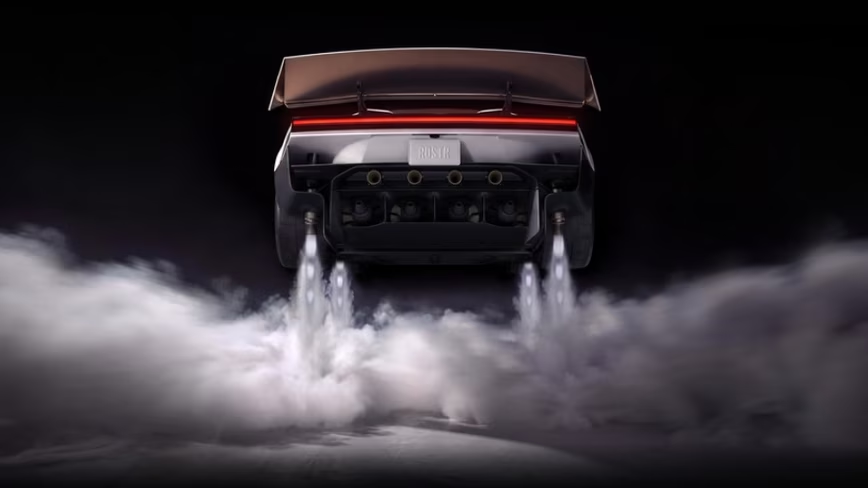
Tesla has unveiled its second-generation Roadster, featuring cold-gas thrusters co-developed with SpaceX, enabling it to jump and flip. The electric sports car demonstrated 0-60mph in an astonishing 0.81 seconds, with production targeted for 2028. This highly anticipated reveal also serves as a key recruitment tool for Tesla's ambitious AI and robotics initiatives.

AI's Confidence vs. Formal Methods' Rigor: Design Flaws & Verification
While AI accelerates code generation, formal methods remain critical for ensuring system correctness. Languages like TLA+ and tools like Quint enable developers to model and verify system designs before coding, catching subtle flaws. Quint makes formal methods more accessible with developer-friendly syntax and executability. This approach is vital for verifying AI-generated code through trace validation and model-based testing, ensuring reliability against real-world data.
Amazon Prime Video Launches AI-Powered Prime 360 for NBA Coverage
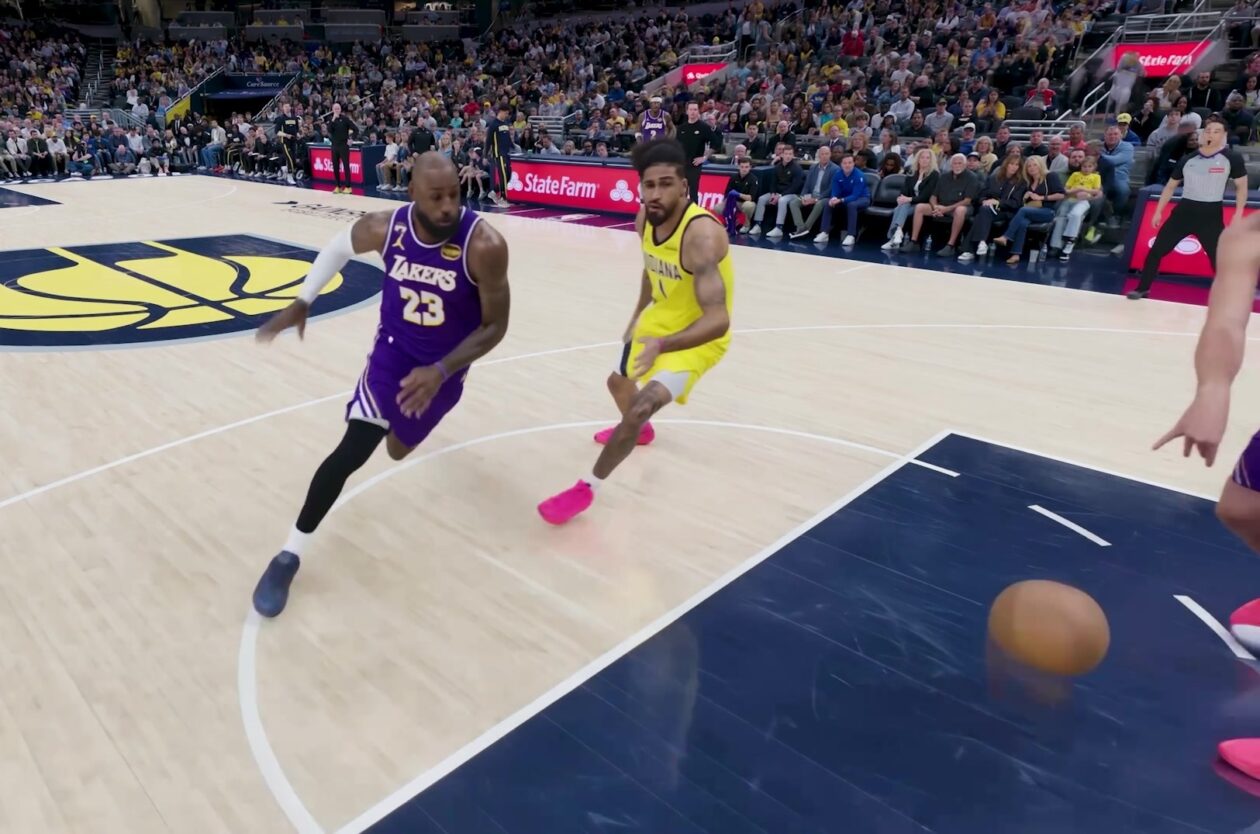
Amazon Prime Video is elevating its NBA coverage with the introduction of Prime 360, an AI-powered replay system offering immersive, 'fly through' views of the action. Kicking off its second season, Prime Video also adds Yahoo fantasy integration and gains exclusive Eastern Conference Finals rights, expanding its tech-driven sports broadcast. The new features aim to deliver a unique and interactive viewing experience for basketball fans.