
IMAX Theaters: The Quest for the Ultimate Cinematic Experience
Quick Verdict Finding the "biggest" IMAX theater isn't as straightforward as it sounds; it's a debate between sheer physical size and the purity of the cinematic format. While Germany boasts the largest screen by
Quick Verdict
Finding the "biggest" IMAX theater isn't as straightforward as it sounds; it's a debate between sheer physical size and the purity of the cinematic format. While Germany boasts the largest screen by surface area with digital projection, purists will argue that the true grandeur of IMAX is found in its traditional 15/70mm film projections, which, while sometimes smaller in total area, offer a superior aspect ratio and unparalleled clarity. Your ultimate IMAX experience depends entirely on what you prioritize: raw size or faithful adherence to IMAX's original film vision.
The Quest for Cinematic Immersion
In an era dominated by streaming, the allure of the grand cinematic experience remains potent, especially for blockbusters from visionary directors like Christopher Nolan. Films such as The Odyssey (as mentioned in a parallel universe, perhaps referring to Oppenheimer) and Dune: Part 3 are pushing audiences to seek out premium formats, with IMAX leading the charge. However, with over 1,800 IMAX screens worldwide, discerning cinephiles are discovering that not all IMAX experiences are created equal. The discussion quickly moves beyond simple screen dimensions to delve into aspect ratios, projection technology, and the very definition of a "true" IMAX presentation.
Defining "Biggest": More Than Just Square Footage
The crux of the "biggest IMAX" debate lies in understanding the distinct technologies IMAX employs. Essentially, there are two primary categories: IMAX Digital and IMAX 15/70mm film. IMAX Digital theaters often utilize either dual xenon lamp projectors or advanced laser projection systems, typically displaying content with a 1.90:1 aspect ratio. These are frequently large-format screens retrofitted with IMAX technology, and while impressive, they sometimes earn the pejorative "LieMax" moniker from purists who argue they don't deliver the full resolution or experience of film.
The gold standard for these purists is the IMAX 15/70mm film format. This unique projection system boasts a squarer, taller 1.43:1 aspect ratio, and offers unmatched vibrancy and clarity – a purported ten times sharper than traditional 35mm prints. The difference in these aspect ratios is crucial: a 1.43:1 screen fills more of your vertical peripheral vision, creating a more immersive, all-encompassing image, especially for films shot specifically for this format. Thus, the debate isn't just about a screen's total area, but how effectively it delivers the intended aspect ratio and visual fidelity.
The Contenders: Surface Area vs. Purity
The Largest by Surface Area (with an asterisk)
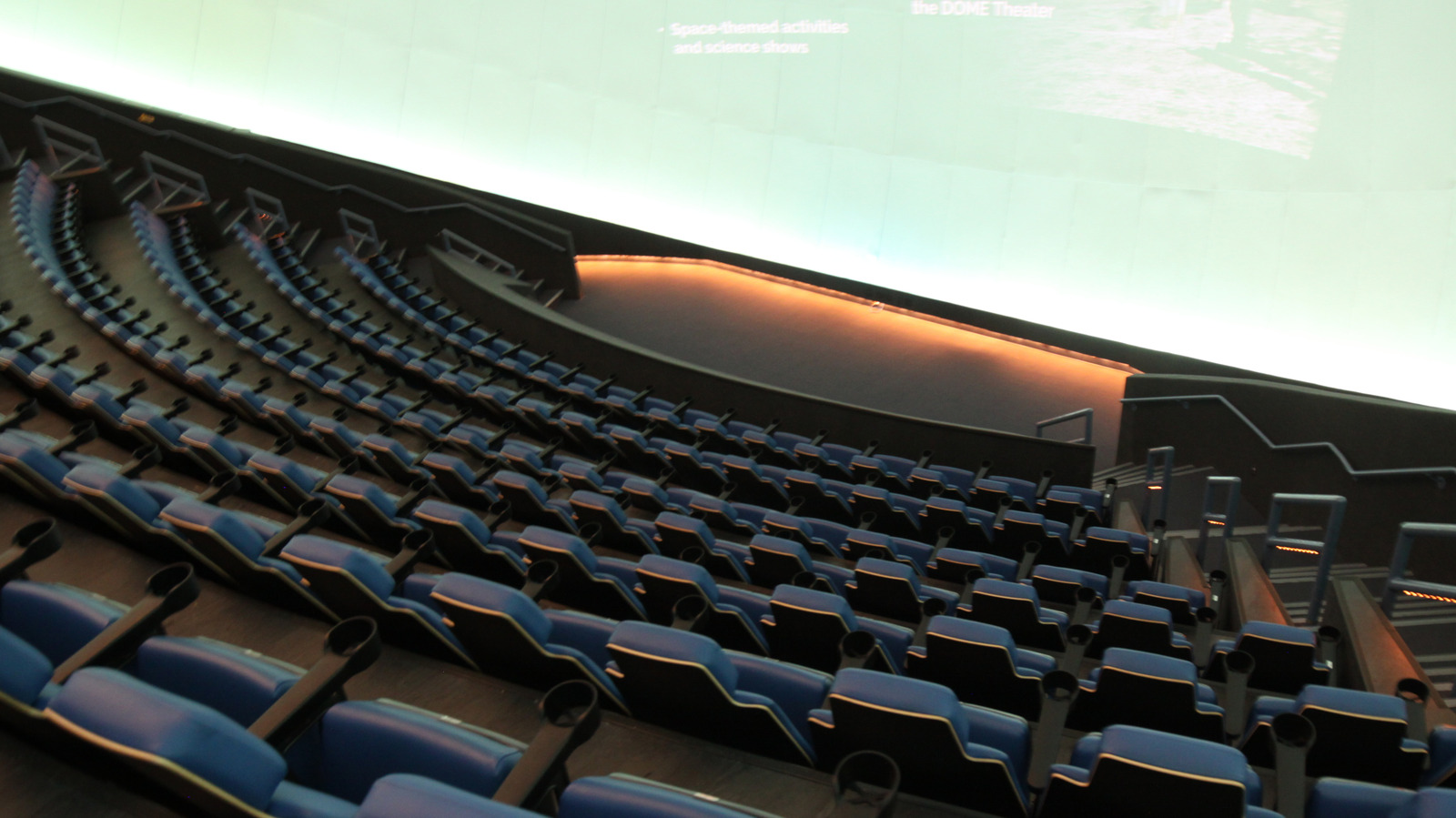
For sheer, undisputed surface area, the IMAX theater at Traumpalast Leonberg in Baden-Württemberg, Germany, holds the Guinness World Record as of 2023. This colossal screen measures a staggering 127 feet wide and 69 feet tall, covering approximately 8,770 square feet – wider than a Boeing 737 is long. It's an undeniably impressive spectacle. However, it operates with a digital projection system, meaning its aspect ratio is 1.90:1. While breathtaking, it's not the 1.43:1 experience championed by 70mm film devotees.
The 15/70mm Film Giants
For those seeking the pinnacle of the 1.43:1 15/70mm film experience, the journey often leads further afield:
-
Melbourne IMAX, Australia: Often considered the biggest true 1.43:1 IMAX screen globally, it stands roughly 105 feet wide by 75 feet tall. It's a revered destination for film enthusiasts, with reports of moviegoers traveling internationally to witness blockbusters in this format.
-
AMC Lincoln Square, New York City, USA: A prime contender for the best 70mm IMAX experience in the United States, this theater offers a massive screen measuring approximately 101 feet wide by 75.6 feet tall, closely mirroring its Australian counterpart.
-
AMC Metreon 16, San Francisco, USA: For West Coast cinephiles, this location also stands out as a strong challenger in the 15/70mm category.
The Laser Contender
Adding another layer to the discussion is Royal Cinemas' IMAX theater in Pooler, Georgia, USA. This theater boasts the tallest screen in the country, measuring 101 feet wide by 76.2 feet tall. Crucially, it matches the desirable 1.43:1 aspect ratio, but it achieves this using a dual 4K laser projection system rather than 70mm film. While laser projection offers incredible brightness and contrast, the question of whether it constitutes a "true IMAX" experience in the same vein as 15/70mm film is still debated among purists.
User Experience: Why These Distinctions Matter
The differences between these IMAX formats and their screen sizes aren't just technical minutiae; they translate into tangible real-world variations in the viewing experience. The taller 1.43:1 aspect ratio, particularly with 70mm film, means the image fills more of your peripheral vision, pulling you deeper into the film's world. The superior resolution and dynamic range of 70mm film, or the advanced laser projection that mimics its aspect ratio, deliver a visual punch that even the largest 1.90:1 digital screens might struggle to replicate for some discerning viewers. It's about immersion, clarity, and fidelity to the filmmaker's original vision, making the pilgrimage to these specific theaters a worthwhile endeavor for dedicated cinephiles.
Pros and Cons
Pros:
- Unparalleled Immersion: The sheer size and optimized aspect ratios (especially 1.43:1) create an incredibly immersive viewing experience.
- Superior Visual Fidelity: 15/70mm film offers exceptional clarity, vibrancy, and resolution, often cited as ten times sharper than 35mm. Advanced laser projections also deliver high-quality images.
- Premium Cinematic Experience: For films shot specifically for IMAX, these theaters provide the most faithful and impactful presentation available.
- Sense of Event: Visiting these landmark theaters transforms a movie outing into a memorable event or even a pilgrimage for film lovers.
Cons:
- Limited Availability: True 15/70mm IMAX theaters are rare globally, requiring significant travel for many.
- "LieMax" Confusion: The prevalence of digital IMAX theaters (often retrofitted standard screens) can dilute the premium brand and create confusion for consumers expecting the highest quality.
- Cost: Tickets for premium IMAX formats are typically more expensive.
- Accessibility: Not everyone has access to these specific locations, making the ultimate IMAX experience a luxury.
Comparison of Prominent IMAX Theaters
| Theater | Location | Key Feature | Screen Size (W x H) | Aspect Ratio | Projector Type |
|---|---|---|---|---|---|
| Traumpalast Leonberg | Germany | World's Largest Surface Area | 127 ft x 69 ft (8,770 sq ft) | 1.90:1 | Digital (Xenon/Laser) |
| Melbourne IMAX | Australia | Largest 1.43:1 (70mm) / Southern Hemisphere's Biggest | 105 ft x 75 ft | 1.43:1 | 70mm Film |
| AMC Lincoln Square | NYC, USA | Contender for Largest 70mm in USA | 101 ft x 75.6 ft | 1.43:1 | 70mm Film |
| Royal Cinemas Pooler | Georgia, USA | Tallest Screen in USA | 101 ft x 76.2 ft | 1.43:1 | Dual 4K Laser |
Buying Recommendation
If your goal is simply the largest physical screen for a big-picture experience, the Traumpalast Leonberg in Germany is your destination. However, if you're a cinephile who values the purest, most immersive IMAX format as intended by filmmakers – specifically the 1.43:1 aspect ratio with exceptional clarity – then seeking out a 15/70mm film projection is paramount. The Melbourne IMAX or AMC Lincoln Square in NYC would be top choices. If you want the 1.43:1 aspect ratio but prefer the cutting-edge brightness and contrast of laser projection without the travel for 70mm film, Royal Cinemas in Pooler, Georgia, offers an excellent alternative. Ultimately, prioritize the aspect ratio and projection type that aligns with your definition of cinematic perfection, and be prepared for some travel.
Conclusion
The hunt for the world's biggest IMAX screen is a fascinating journey into the nuances of cinematic technology and the passionate preferences of film enthusiasts. Whether you prioritize sheer size, the authentic grain of 70mm film, or the sharpness of modern laser projection, the options discussed here represent the pinnacle of large-format moviegoing. For those willing to make the trip, these theaters promise an unforgettable, truly immersive experience that elevates film from passive viewing to an active, breathtaking event.
FAQ
Q: What is the main difference between IMAX Digital and IMAX 15/70mm film?
A: IMAX Digital theaters typically use xenon or laser projectors with a 1.90:1 aspect ratio, often in retrofitted screens. IMAX 15/70mm film theaters use a specific film projection system, offering a taller, squarer 1.43:1 aspect ratio with superior resolution and clarity, considered by purists to be the "true" IMAX experience.
Q: Why do some people refer to digital IMAX screens as "LieMax"?
A: This term is used by purists who feel that digital IMAX screens, despite being large, do not fully replicate the resolution, aspect ratio (often 1.90:1 instead of 1.43:1), and overall visual fidelity of the original 15/70mm film IMAX experience. They argue that it's a diluted version of the format.
Q: If a screen has a 1.43:1 aspect ratio but uses laser projection, is it still considered a "true" IMAX by purists?
A: While laser projection offers impressive brightness and contrast, and screens with a 1.43:1 aspect ratio deliver the intended immersive field of view, some ultra-purists might still argue that the unique qualities and resolution of 15/70mm film are unmatched. However, laser IMAX systems with a 1.43:1 aspect ratio are generally considered a high-fidelity alternative and a significant step up from 1.90:1 digital systems.
Related articles
iPhone Liquid Glass Adjustment in iOS 27: Finally in Control
iOS 27 introduces a much-needed slider to adjust the controversial Liquid Glass effect on iPhones, providing users with granular control over opacity and contrast. This update, compatible with iPhone 11 and newer, addresses long-standing readability concerns and enhances user customization.

Crystal Lake Series on Peacock: A Deep Dive into Horror's Past
Crystal Lake Series Review: A Deep Dive into Horror's Past Verdict: Is Crystal Lake Worth the Dive? The long-awaited Friday the 13th prequel, Crystal Lake, is finally arriving on Peacock, promising a fresh, in-depth

StarCraft Returns in 2030 as Open-World Shooter
Blizzard Entertainment announced a new StarCraft game, an open-world shooter, set to release in 2030. Unveiled at BlizzCon by VP Dan Hay, this marks the series' return after over a decade and a significant genre shift from its real-time strategy roots. The cinematic trailer showcased a gritty human-Zerg conflict, with many fans hoping for a traditional RTS follow-up.
Google's AI Branding Fix: A Clearer Vision for Gemini
This article critiques Google's fragmented AI branding, proposing a unified 'Gemini Intelligence' system to simplify user experience and strengthen Gemini's identity.

Chuwi UniBox AI495 Pro Review: A Mini AI Powerhouse
Chuwi's UniBox AI495 Pro review: A powerful mini workstation with 192GB RAM and an AMD Ryzen AI chip for local LLM processing, packed into a compact, Mac Pro-esque design.

Nscale Adds Former OpenAI Exec Fidji Simo to Board Ahead of IPO
Nscale, the U.K.-based AI data center startup, has appointed former OpenAI, Meta, and Instacart executive Fidji Simo to its board of directors. This high-profile addition comes as Nscale prepares for a potential IPO this fall, leveraging Simo's extensive experience in scaling major tech platforms and guiding a company through a successful public offering.