
How to Understand Dynamic Difficulty and Why It's a Game Changer
Learn why dynamic difficulty adjustment offers a superior gaming experience by adapting to player skill, enhancing replayability, and maintaining creator vision.
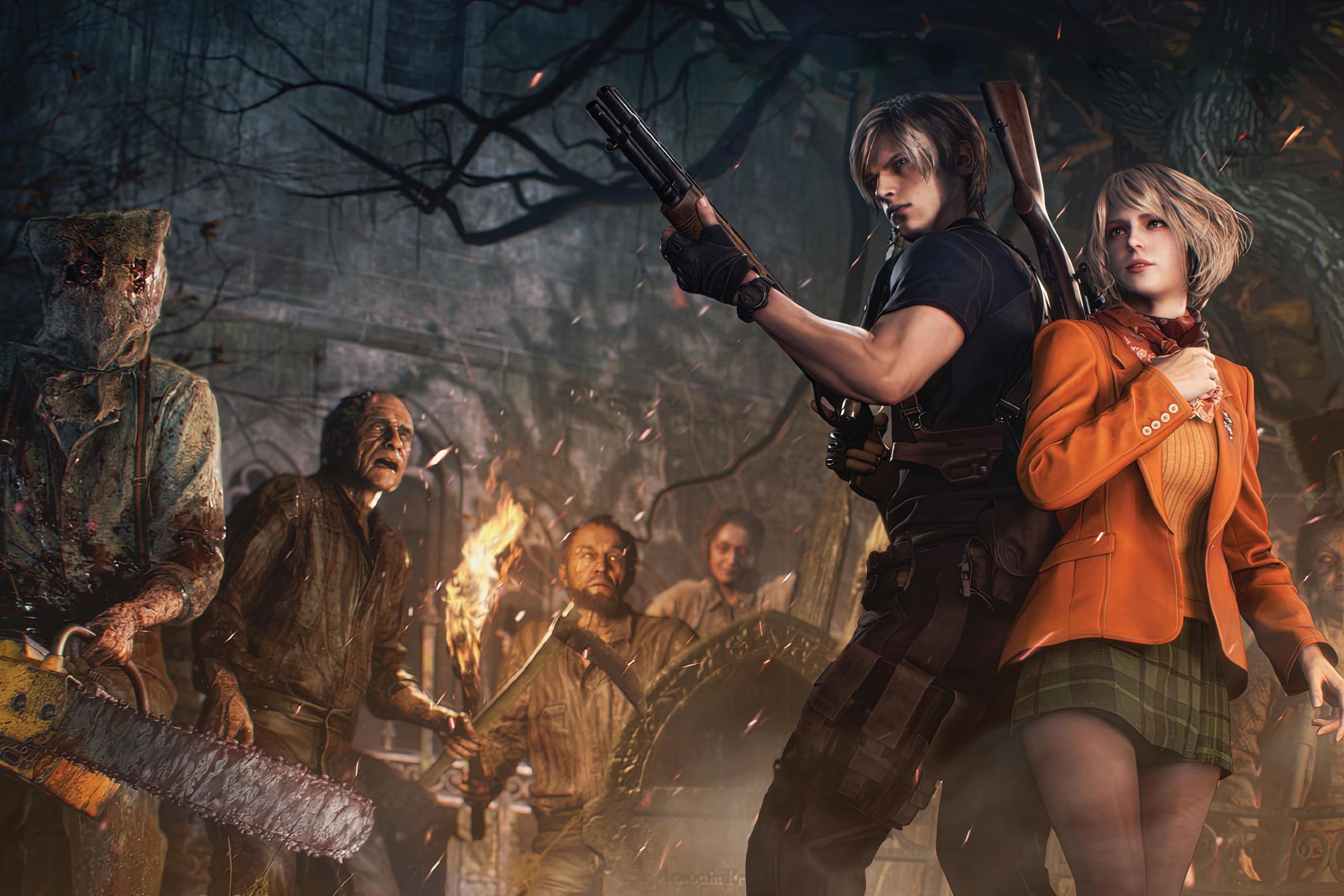
Video game difficulty settings are a familiar sight, but often they fall short, leaving some players frustrated and others unchallenged. What if there was a smarter way for games to adapt to you, ensuring an optimal experience regardless of your skill level? This guide will introduce you to dynamic difficulty adjustment (DDA), an innovative approach to game balancing that automatically fine-tunes the challenge as you play. You'll learn what DDA is, discover compelling examples of its successful implementation, understand why it's a better alternative to rigid difficulty choices, and explore the challenges that have kept it from wider adoption. By the end, you'll have a deeper appreciation for this often-hidden mechanic and understand its potential to revolutionize how we experience games.
What is Dynamic Difficulty Adjustment?
Dynamic difficulty adjustment is a game-balancing technique where the game automatically modifies its challenge level based on your real-time performance. This means if you're excelling, the game becomes more difficult; if you're struggling, it becomes easier. Unlike static difficulty options like "Easy," "Normal," or "Hard" that you choose at the start, DDA constantly adjusts behind the scenes, creating a personalized experience. The goal is to keep you in an optimal flow state, where the game is always engaging but rarely overwhelming or boring.
Why Dynamic Difficulty Excels for All Players
DDA offers significant advantages over traditional difficulty settings:
- Inclusive Gaming for Everyone: DDA makes games accessible to a broad spectrum of players. Casual gamers can enjoy the story and mechanics without constant frustration, while hardcore enthusiasts will find the challenge scaling up to match their improving skills. It eliminates the problem of games being "too easy" or "too hard" for large segments of the audience.
- Perfectly Tailored Challenge: Imagine a game that always feels just right. DDA achieves this by continuously evaluating your gameplay—how many enemies you defeat, how often you get hit, your accuracy, and more. It then subtly tweaks enemy AI, resource availability, and encounter frequency to provide a consistent, engaging challenge that evolves with you.
- Enhanced Replayability and Variety: Because the game adapts to your choices and performance, no two playthroughs feel exactly the same. DDA encourages experimentation with different strategies, as the game will respond to your playstyle rather than forcing you into a single optimal path. This keeps the experience fresh and exciting over many hours.
- Preserves the Creator's Vision: Developers design games with a specific experience in mind. Static difficulty settings can sometimes warp that vision, making the game trivial or insufferably difficult. DDA allows the core experience to remain intact, ensuring players encounter challenges and triumphs within the intended design parameters, merely adjusted to their individual skill.
How Dynamic Difficulty Works in Practice
Many beloved games have used DDA, often without players even realizing it. Here are some notable examples:
- Resident Evil 4: This acclaimed title features a hidden scoring system that constantly changes based on your combat performance. Successfully taking down enemies and avoiding damage increases your score, which then raises a hidden difficulty rank (from 1 to 10). At higher ranks, enemies become tougher, more aggressive, and appear in greater numbers. Conversely, missing shots or dying repeatedly will lower this rank, making the game more forgiving. This dynamic system also coexists with traditional "Standard" and unlockable "Professional" (locked at rank 10) modes, showing how both approaches can complement each other.
- God Hand: Unlike Resident Evil 4, God Hand makes its dynamic difficulty visible through a "difficulty gauge." As you perform well in combat, the gauge fills, potentially leveling up the challenge from Level 1 to the infamous "Level Die." The game rewards you with better items and scores for fighting at higher difficulty levels, creating a unique risk/reward system. If the challenge becomes too much, players can even "grovel" to lower the difficulty, directly interacting with the DDA.
- Left 4 Dead: This cooperative shooter employs an AI called "The Director." Instead of static spawns, The Director dynamically generates zombies, special infected, and item drops based on the team's collective performance. If your team is low on health or ammo, The Director might offer more supplies and smaller hordes. If you're progressing too easily, it will respond with scarcer resources and more relentless enemy attacks, ensuring a continuously tense and engaging experience for a group of players.
- Metal Gear Solid V: The Phantom Pain: This game uses DDA to encourage strategic variety. If you frequently rely on headshots from a distance, enemies will start wearing helmets or deploy more snipers. If close-quarters combat is your preference, guards will eventually equip shotguns and riot shields. Even the time of day matters, with night missions leading enemies to use flashlights and night-vision goggles. This clever system prevents players from sticking to one tactic, forcing constant adaptation and truly utilizing the game's vast arsenal of tools.
Potential Pitfalls and How to Improve DDA
While powerful, DDA isn't foolproof. Poorly implemented dynamic difficulty can detract from the gaming experience. Here are examples of common issues and lessons learned:
- Punishing Good Performance (Max Payne): The original Max Payne had a system that could worsen your aiming and lower your health over time, effectively punishing skilled play unless you intentionally died.
- Lesson: DDA should enhance challenge for skilled players, not degrade their abilities or force them into exploitative behavior. Rewards for higher difficulty are better than penalties for good play.
- Restricting Player Freedom (The Elder Scrolls IV: Oblivion): Oblivion featured level-scaling where NPCs and creatures became stronger as your character leveled up. This often led to a steep difficulty curve that discouraged diverse character builds, pushing players toward combat-focused strategies or even restarting the game.
- Lesson: Dynamic difficulty should complement a game's core design, not inadvertently restrict player choice or build variety, especially in open-world games.
- Exploitable Mechanics (Mario Kart 8): In Mario Kart 8, items received from item boxes are tied to your current race position. Players could exploit this by deliberately staying in last place to receive powerful items, then using them to surge ahead at the very end.
- Lesson: DDA systems must be rigorously tested to prevent players from easily exploiting them for an unintended advantage, which can undermine fair competition and fun.
- Complexity of Implementation: Creating a subtle, effective DDA system is incredibly complex, requiring extensive design, programming, and playtesting. Developers must account for numerous variables, ensure smooth transitions, and prevent players from even noticing the adjustments or finding ways to exploit them. This complexity often makes static difficulty a more appealing, less risky choice for many studios.
The Future of Gaming Difficulty
Despite the development challenges and potential for missteps, dynamic difficulty adjustment remains a superior approach to game balancing. When executed well, it meticulously fine-tunes the gameplay to match your preferences, creating an experience that aligns with the developer's artistic vision while simultaneously engaging and challenging every player. The variety and replayability it brings are unparalleled. As game development tools evolve and our understanding of player psychology deepens, we can hope to see more developers embrace and perfect DDA, moving beyond the limitations of static difficulty settings to create truly adaptive and personalized gaming adventures for everyone.
FAQ
Q: Is dynamic difficulty always hidden from the player? A: Not always. While games like Resident Evil 4 keep their difficulty adjustments in the background, others like God Hand feature a visible gauge that directly informs the player about the current dynamic difficulty level, allowing them to engage with it as a core mechanic.
Q: Does dynamic difficulty replace traditional difficulty settings entirely? A: Not necessarily. Many games, including Resident Evil 4 and God Hand, successfully combine dynamic difficulty with static options like "Easy" or "Professional" modes. This allows players to choose an initial baseline, after which the dynamic system further refines the challenge.
Q: Why don't more games use dynamic difficulty if it's so good? A: The primary reasons are its immense complexity and development cost. Designing and testing a system that seamlessly adjusts dozens of game variables without being noticeable or exploitable is a massive undertaking, far more difficult than implementing a few static difficulty levels. This high barrier to entry leads many developers to stick with simpler, proven methods.
Related articles

Ditch Merge & Center: The Better Way to Align Text in Excel
Learn to use Excel's "Center Across Selection" to align text across cells without merging, avoiding common data manipulation issues. This guide provides steps to utilize this newly accessible feature and add it to your Quick Access Toolbar.

Kojima Compares Divisive New Film 'Digger' to MGS2's Prescient Vision
Gaming icon Hideo Kojima has praised the divisive 2026 film *Digger*, drawing intriguing parallels to his own prophetic game, *Metal Gear Solid 2*. Both works, he explains, uniquely explore the dangers of misinformation and a fragmented digital reality, anxieties he shares with *Digger*'s director, Alejandro González Iñárritu.

regional: ‘What is fusion?’ Helion Energy harnesses the power of
Helion Energy, the Everett-based fusion startup, gained mainstream attention this week after being featured as a clue on the popular game show "Jeopardy!". The $800 clue, part of a "Y Combinator" category, highlighted Helion's mission to build the first fusion power plant, bringing the concept of clean energy to a wider audience. CEO David Kirtley celebrated the "surreal" moment as a sign that reliable clean power is becoming more accessible.

Stop Android Auto Battery Drain: Essential Features to Disable and
Android Auto offers unparalleled convenience, bringing your phone's most useful features directly to your car's display. From navigation and calls to messages and music, it keeps you connected without distracting you

TGS 2026: These Forward-Looking Cosplays Are Already Living in the
Tokyo Game Show 2026 showcased incredible cosplay, with many fans embodying characters from unreleased games like *Blast Blade* and *Mononoke No Kuni*. This gallery highlights the community's foresight, alongside debut *Palworld* cosplay and refreshed takes on classics. It’s a testament to the passion that brings gaming's future to life.

Turn Your Android Phone into a Powerful Desktop Replacement
Learn how to transform your Android phone into a full-fledged desktop computer using external displays and accessories, providing a cost-effective and integrated alternative to new Googlebooks.