
How to Optimize Your Analog Music: Disable Your Subwoofer
Elevate Your Analog Music Experience: Bypassing Your Subwoofer For many audio enthusiasts, a subwoofer is an essential component of a home sound system. It can dramatically enhance the low-end performance, especially
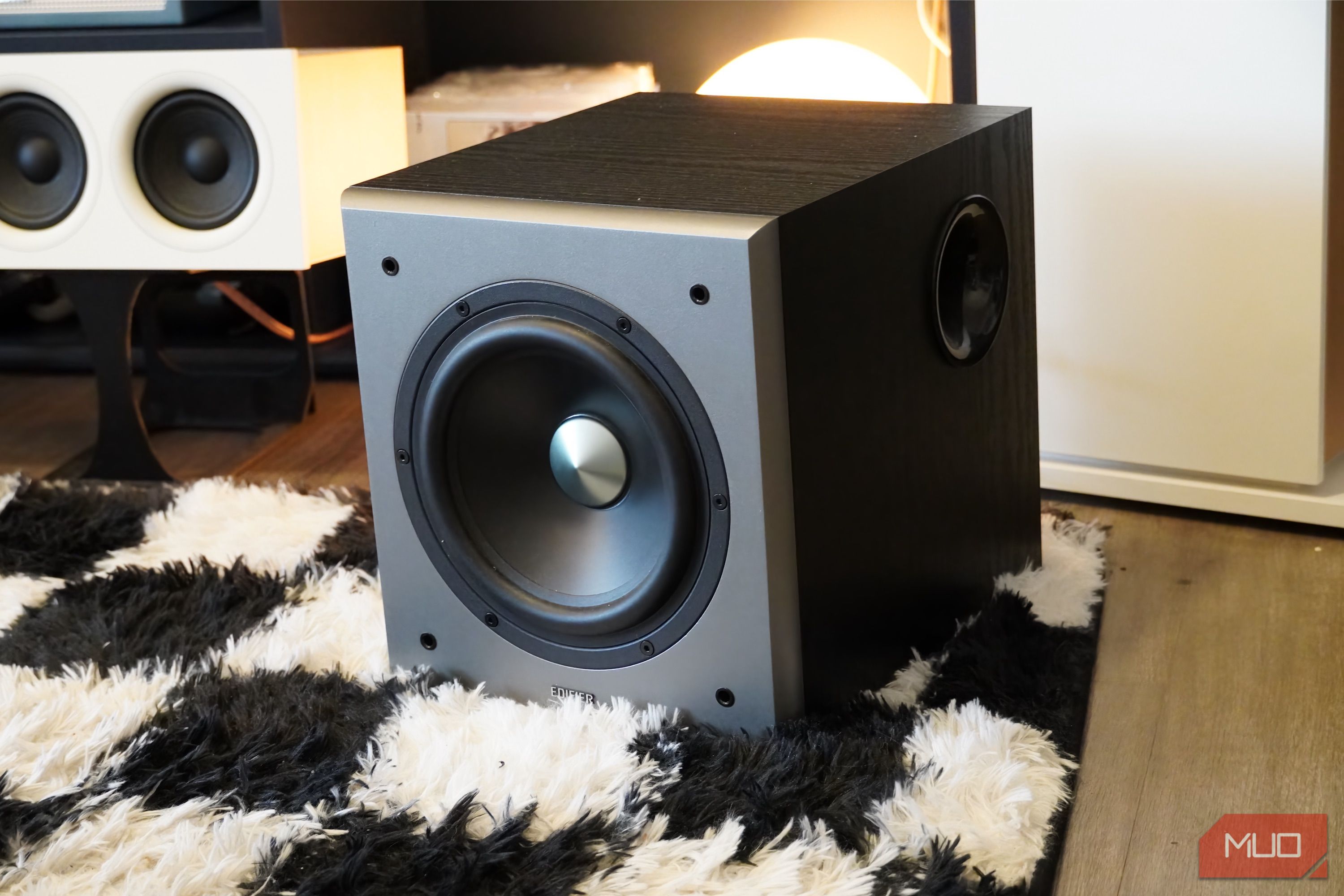
Elevate Your Analog Music Experience: Bypassing Your Subwoofer
For many audio enthusiasts, a subwoofer is an essential component of a home sound system. It can dramatically enhance the low-end performance, especially with bookshelf speakers or in a full home theater setup. However, when it comes to listening to pure analog music, such as vinyl records, your subwoofer might actually be hindering your sound quality rather than improving it.
This guide will walk you through the process of optimizing your analog music setup by effectively disabling your subwoofer's digital processing. By doing so, you can achieve a clearer, more authentic, and truly analog sound from your loudspeakers. You'll learn why this approach often leads to a more satisfying listening experience for two-channel music.
Why This Guide? The "Aha!" Moment
Many listeners initially add a subwoofer to their stereo setup, expecting an automatic improvement in bass. While this can be true for digital audio or home theater, the author's personal experience with an analog music source, like a turntable, revealed a surprising truth: the music sounded better without the subwoofer actively engaged. The key was understanding how analog signals are processed and the impact of digital signal processing (DSP) when a subwoofer is involved in a stereo music playback.
Prerequisites for Pure Analog Music Playback
Before you begin, ensure you have the following components in your audio system:
- An Analog Music Source: This could be a turntable, a cassette deck, or any other device that outputs an analog audio signal. Your source should be connected directly to your AV receiver or integrated amplifier via analog inputs.
- Full-Range Loudspeakers: Your main stereo speakers should be capable of reproducing a wide range of frequencies, covering the spectrum of human hearing (typically from around 20 Hz to 20 kHz). These are often larger bookshelf speakers or floor-standing speakers. This is crucial because, without a subwoofer, your main speakers will be solely responsible for all frequencies, including the bass.
- An AV Receiver or Integrated Amplifier with a "Pure Analog" Mode: This feature, sometimes called "Pure Direct" or "Analog Direct," is essential. It allows your receiver to bypass all digital signal processing, ensuring the analog audio signal remains untouched from your source to your speakers.
Understanding the "Why": Subwoofers and Analog Audio Quality
On paper, a 2.1 stereo setup (two main speakers plus a subwoofer) for music seems like a logical upgrade. It allows your main speakers to focus on midrange and high frequencies while the subwoofer handles the low-end. This can be particularly beneficial for smaller bookshelf speakers with limited frequency response or in rooms with acoustic challenges.
However, there's a significant catch, especially with analog music sources and full-range loudspeakers. Here's why:
- Digital Signal Processing (DSP) for Crossover: To split a two-channel stereo signal and send low frequencies to a subwoofer in a 2.1 configuration, your AV receiver needs to perform digital-signal processing. An analog audio signal only contains left and right channel information. To create a separate low-frequency channel for the subwoofer, the analog signal must first be converted to digital, processed, and then converted back to analog before being sent to your loudspeakers and subwoofer.
- Degradation of Analog Signal: Each conversion and processing step can degrade the audio quality. For audiophiles who prefer the unadulterated sound of analog, introducing these digital conversions and processing stages defeats the purpose of an analog setup.
- Timing Issues and Musicality: Not all subwoofers are equally agile. A "slow" subwoofer might struggle to keep pace with "quick" loudspeakers, leading to timing issues and a less cohesive sound. While phase settings can help, a well-matched pair of full-range loudspeakers often delivers superior musicality on its own.
- Full-Range Speakers Don't Need the Help: If you have full-range loudspeakers, they are designed to cover the entire frequency range typically found in stereo music recordings. By relying solely on them in a 2.0 configuration, you won't be missing out on essential frequencies. The marginal improvement in bass response from an added subwoofer might not be worth the audio quality degradation from the required DSP.
Step-by-Step Guide: Disabling Your Subwoofer for Analog Music
Follow these steps to configure your system for optimal analog music playback:
-
Identify Your Analog Music Setup: Confirm that your analog source (e.g., turntable) is correctly connected to an analog input on your AV receiver or integrated amplifier. Use dedicated RCA cables for this connection.
-
Confirm Full-Range Loudspeaker Capability: Ensure your primary left and right stereo speakers are robust enough to handle the full frequency spectrum of your music, including bass notes. If you're unsure, consult your speaker's specifications or manual.
-
Locate "Pure Analog" Mode on Your Receiver: Your AV receiver or integrated amplifier should have a specific mode designed to bypass digital processing. This mode is commonly labeled "Pure Analog," "Pure Direct," or "Analog Direct." Refer to your receiver's user manual to pinpoint this setting. It might be accessible via a dedicated button on the front panel, a remote control button, or within the on-screen menu system.
-
Activate "Pure Analog" Mode: Select this specific listening mode when you intend to play music from your analog source. When activated, this mode will ensure that the analog audio signal bypasses all internal digital signal processing circuits, including those that would typically manage the subwoofer's crossover and low-pass filtering. In essence, while your subwoofer might remain physically connected, it will be functionally bypassed for this input and mode, allowing your full-range loudspeakers to take over the entire audio spectrum.
-
Listen and Evaluate: Play some of your favorite analog music. Pay close attention to the clarity, detail, and naturalness of the sound. You should notice a purer, more direct audio signal, as the sound has traveled from the record grooves (or other analog source) directly to your speakers without any digital conversion or processing along the way.
Troubleshooting Tips
- No Sound in Pure Analog Mode:
- Check Input Selection: Double-check that your receiver is set to the correct analog input where your source is connected.
- Verify Speaker Connections: Ensure your main left and right speakers are securely connected to the correct speaker terminals on your receiver.
- Adjust Volume: Confirm the volume isn't muted or set too low.
- Sound Still Seems Off/Lack of Bass:
- Confirm Pure Analog Mode: Make absolutely certain that "Pure Analog" (or equivalent) mode is active. Some receivers have multiple modes, and you might have selected a different one.
- Speaker Placement: Review your main speaker placement. Full-range speakers benefit from proper positioning to optimize bass response within your room.
- Speaker Capability: Re-evaluate if your main speakers are truly full-range. If they have limited bass capabilities, you might find the overall sound lacking without a subwoofer, even in pure analog mode. In this case, a 2.1 setup might still be preferable for you.
- Subwoofer Still Seems Active/Processing:
- Receiver Manual: Consult your AV receiver's manual regarding how the "Pure Analog" mode specifically interacts with the subwoofer output. Most receivers are designed to bypass subwoofer processing entirely in this mode, but it's good to confirm.
- Physical Disconnect (Optional): If you're absolutely sure the subwoofer is still interfering and your receiver's mode isn't bypassing it, you could physically disconnect the subwoofer's RCA cable from the receiver's subwoofer output during critical listening sessions. This is a temporary measure if other solutions don't work.
Tips and Best Practices
- Critical Listening: Take the time to listen to a variety of familiar tracks both with and without the subwoofer (in relevant modes). Your ears are the ultimate judge of what sounds best to you.
- Room Acoustics: While beyond the scope of this guide, room acoustics play a massive role in sound quality. Even with the best gear, a poorly treated room can hinder performance. Consider simple acoustic treatments like rugs, curtains, or absorption panels if you're serious about sound quality.
- Keep Your Subwoofer for Other Uses: This approach doesn't mean your subwoofer is useless! It remains invaluable for home theater surround sound, digital music playback where DSP is already involved, or if your main speakers genuinely struggle with low frequencies.
Next Steps and Related Topics
Once you've optimized your analog music setup, you might explore:
- Speaker Placement Optimization: Further fine-tuning the position of your full-range loudspeakers for the best stereo imaging and bass response.
- Phono Preamplifier Upgrades: If you're using a turntable, investing in a high-quality external phono preamplifier can further enhance your analog sound.
- Exploring High-Resolution Analog Sources: Delving into higher-quality vinyl pressings or other premium analog formats.
FAQ
Q: Can I still use my subwoofer for movies or digital music? A: Absolutely! This guide focuses on optimizing analog music playback. For home theater surround sound or when playing digital music where digital processing is already inherent, your subwoofer can significantly enhance the experience. You can switch between modes on your AV receiver as needed.
Q: What if I don't have full-range speakers? Should I still disable my subwoofer? A: If your main speakers have limited bass response (common with smaller bookshelf speakers), disabling your subwoofer entirely might result in a noticeable lack of low-end frequencies, making your music sound thin. In such cases, a properly integrated and set-up subwoofer (even with the necessary DSP) might still be beneficial for a balanced sound, even for analog sources. The key is to find what sounds best for your specific setup and preferences.
Q: Does this process apply to digital music sources like streaming services or CDs? A: Not in the same way. When listening to digital music, your AV receiver is already performing digital-to-analog conversion and other digital processing. Therefore, the argument against DSP for a subwoofer doesn't carry the same weight. For digital music, a well-integrated subwoofer in a 2.1 setup can often provide a more complete and impactful soundstage without the same concerns about degrading a pure analog signal.
Related articles
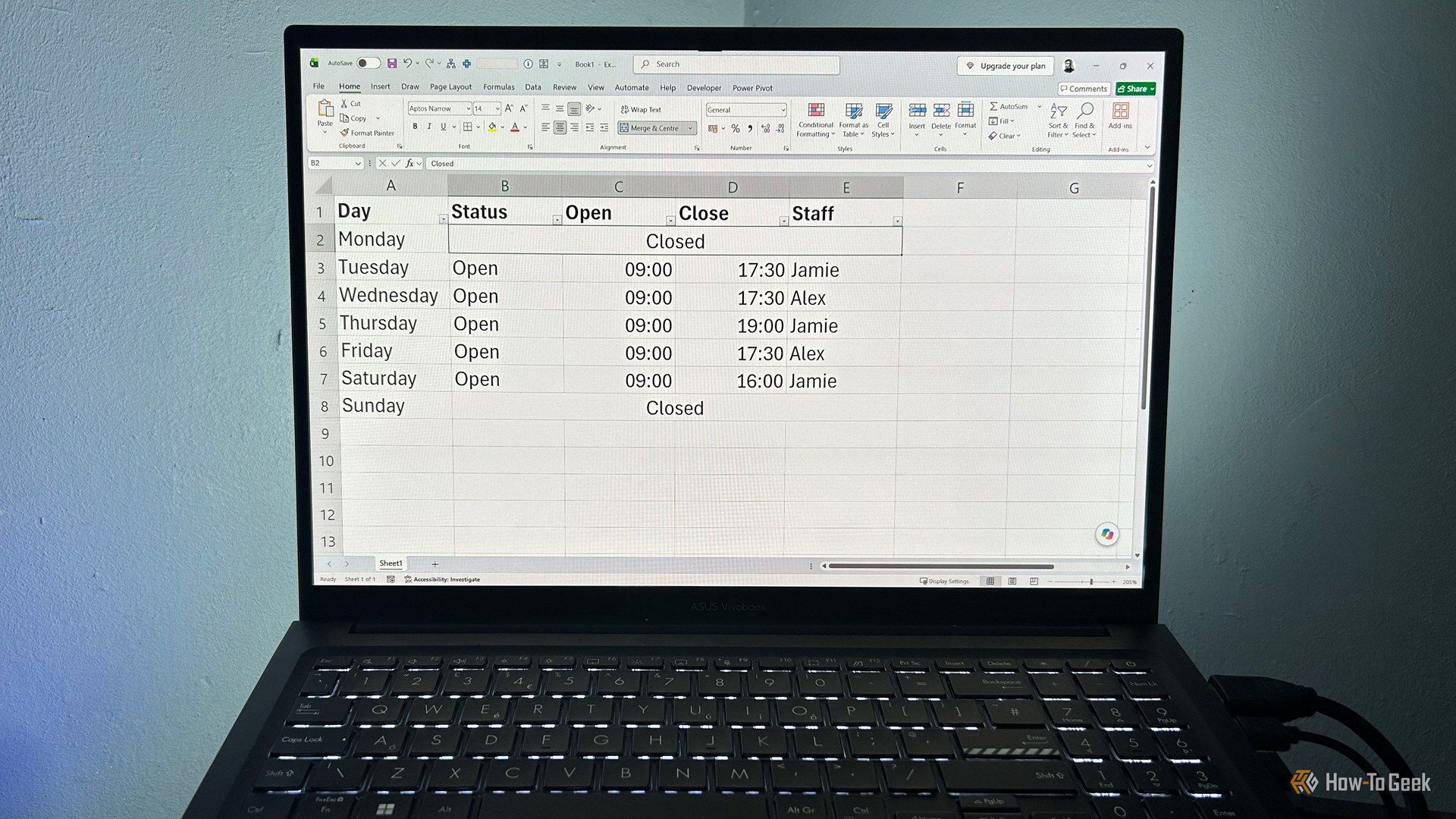
Ditch Merge & Center: The Better Way to Align Text in Excel
Learn to use Excel's "Center Across Selection" to align text across cells without merging, avoiding common data manipulation issues. This guide provides steps to utilize this newly accessible feature and add it to your Quick Access Toolbar.

Ars Technica's Rocket Report: Your Essential Space Industry Briefing
Quick Verdict Ars Technica's Rocket Report, presented by veteran space reporter Stephen Clark, offers an invaluable and meticulously organized weekly (or similar frequency, implied by "Edition 9.15") digest of the most
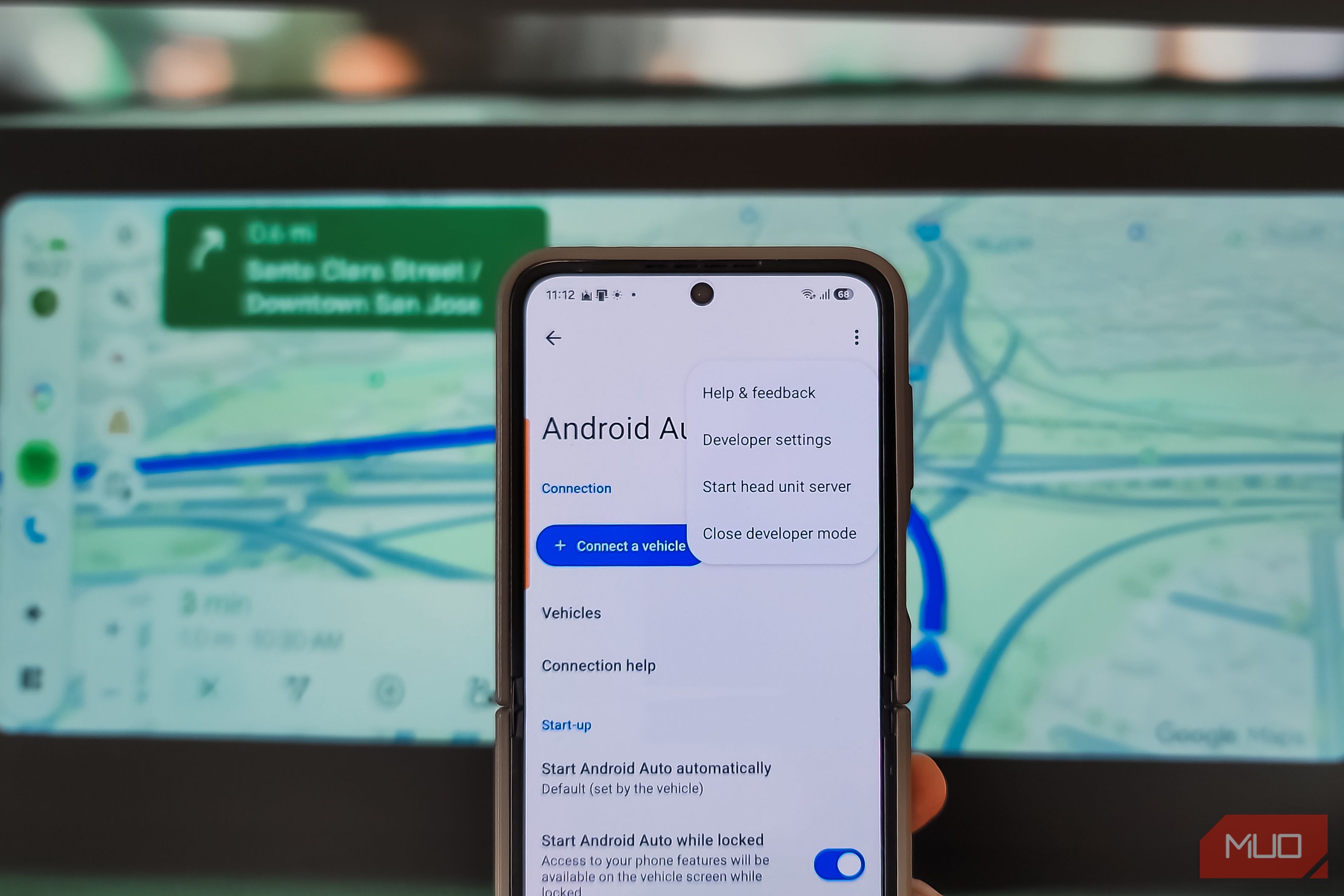
Stop Android Auto Battery Drain: Essential Features to Disable and
Android Auto offers unparalleled convenience, bringing your phone's most useful features directly to your car's display. From navigation and calls to messages and music, it keeps you connected without distracting you
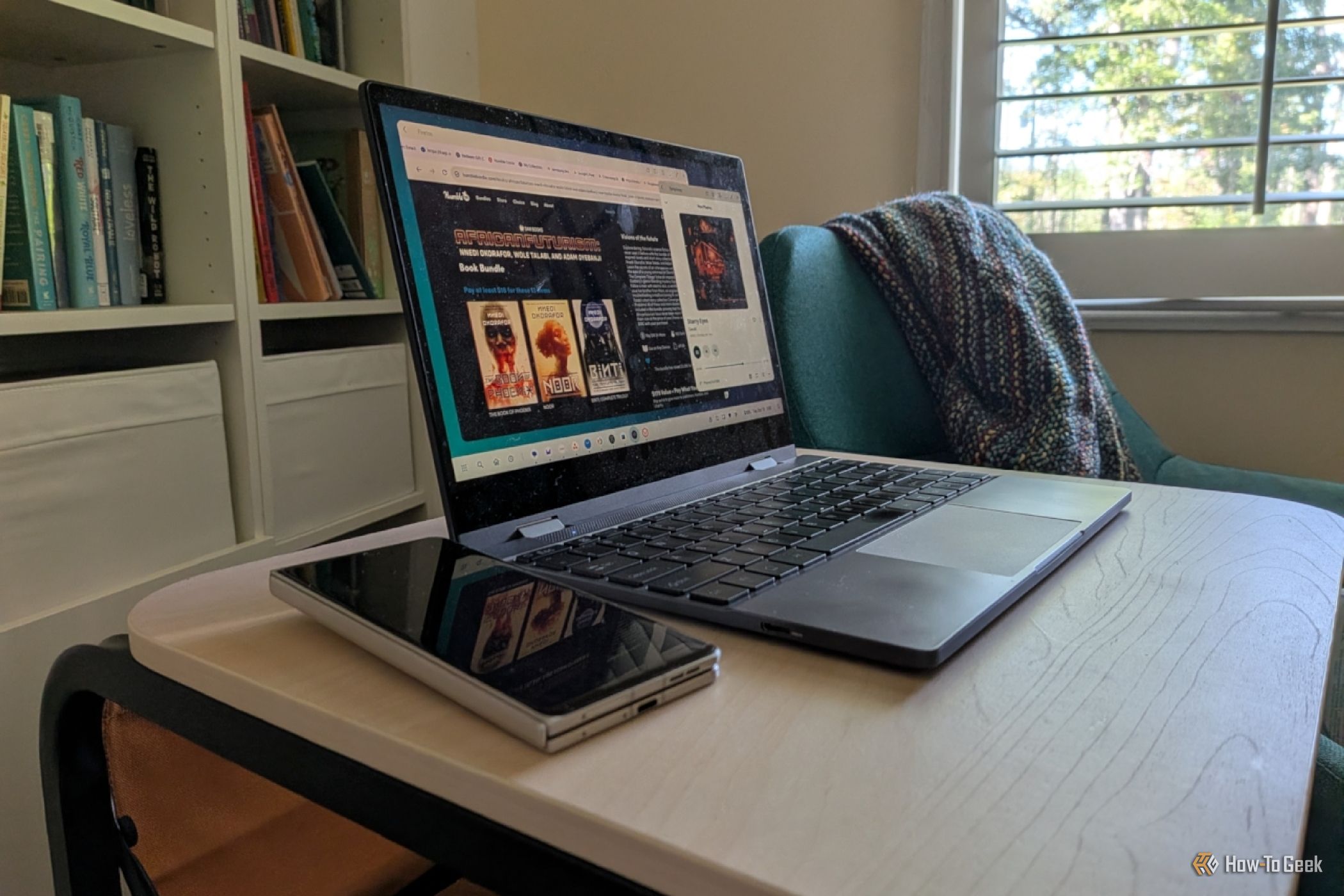
Turn Your Android Phone into a Powerful Desktop Replacement
Learn how to transform your Android phone into a full-fledged desktop computer using external displays and accessories, providing a cost-effective and integrated alternative to new Googlebooks.

howto: Four Ways the Fitbit Edge Is Better Than the Charge 6, and Two
Learn the key differences between the Fitbit Edge and Charge 6, including four advantages of the Edge and two areas where it falls short, to help you choose the best fitness tracker for your needs.
How to Connect Your Googlebook to a Printer - Print Documents with
Learn to quickly connect your Googlebook to a printer via Wi-Fi, USB, or Bluetooth and print documents in minutes. This guide covers direct printing, app-specific connections, troubleshooting, and even printing screenshots as a workaround.