
How to Discover the Hidden Remake History of Your Favorite Movie
Discover the surprising remake origins of six iconic, quotable movies like Scarface and The Wizard of Oz, and deepen your appreciation for film history.
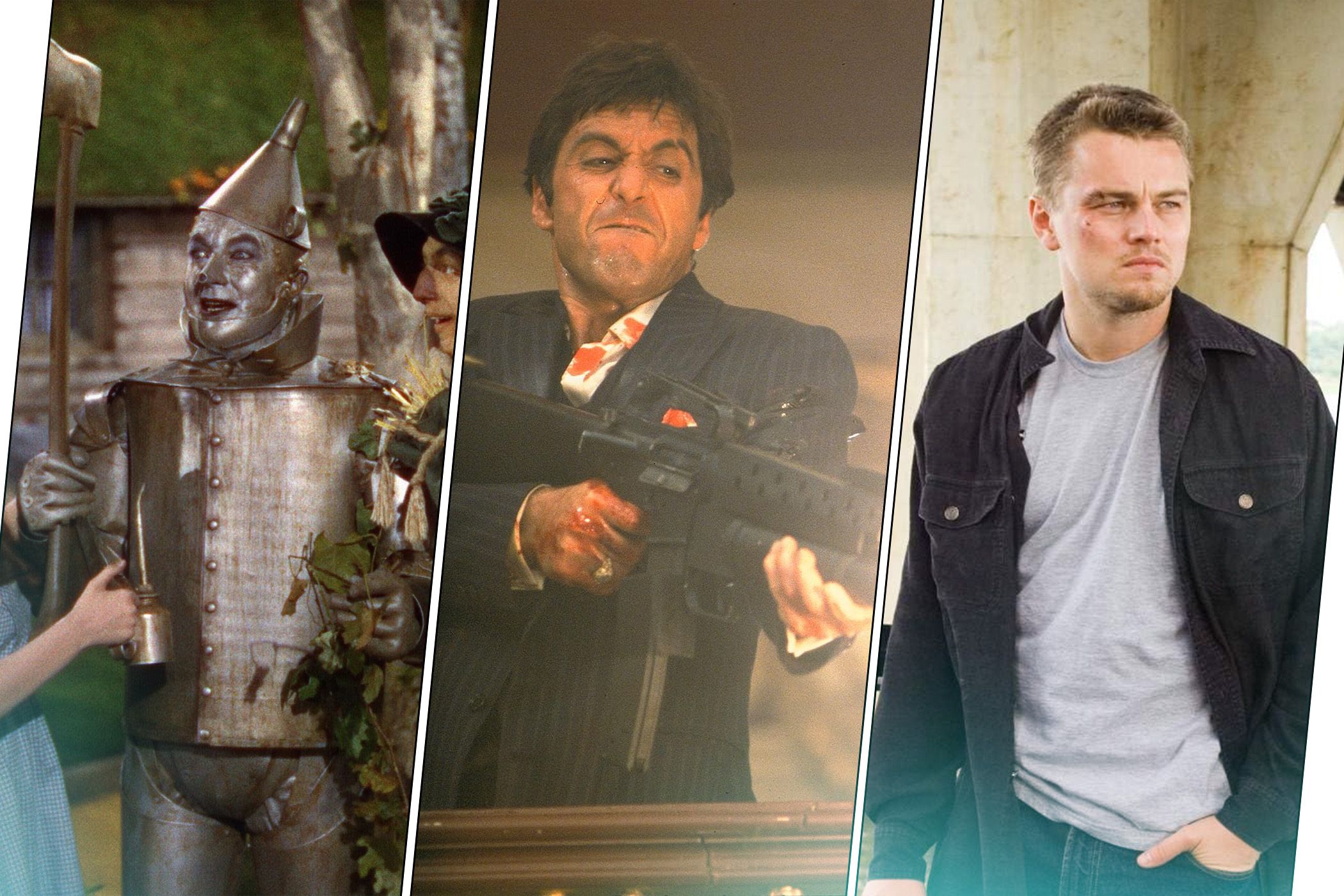
Movie quotes have a remarkable way of embedding themselves into our daily conversations, becoming shorthand for feelings, situations, or simply a nod to pop culture. Yet, many of the films these iconic lines come from are actually remakes. Some are so skillfully done, or so much time has passed, that their original versions have faded from collective memory.
This guide will help you uncover the surprising remake origins of six widely quoted movies, enriching your understanding of film history and adding a new layer of appreciation to those familiar lines. By the end, you'll be able to spot these cinematic reinventions and impress your friends with your newfound movie trivia.
What You Will Accomplish
By following this guide, you will:
- Identify six popular movies and their famous quotes that are, in fact, remakes or later adaptations.
- Understand the key differences and connections between the original films and their more famous counterparts.
- Gain a deeper appreciation for the evolution of storytelling in cinema.
Prerequisites
- An open mind ready to challenge your assumptions about classic films.
- A general love for movies and their memorable moments.
- (Optional) Access to streaming services to watch these films and their predecessors.
Unveiling the Remake Origins of Iconic Movies
Let's dive into the fascinating backstories of these quotable films.
Step 1: Uncover the Gangster Roots of Scarface
The 1983 crime epic Scarface, directed by Brian De Palma and starring Al Pacino as Tony Montana, is legendary for its intense violence and memorable lines. Who hasn't heard, "Say hello to my little friend!" or the vivid description of the American dream: "In this country, you gotta make the money first. Then when you get the money, you get the power. Then when you get the power, then you get the women."
What many don't realize is that this Miami-set tale of a Cuban refugee drug lord is a direct remake of a 1932 film of the same name. The original Scarface, directed by Howard Hawks, featured an Italian immigrant gangster named Tony Camonte and was set in Chicago. While the specific details like the protagonist's origin and setting changed, the core narrative of a ruthless immigrant rising to power in the criminal underworld remained, making the 1983 version a powerful, yet often unrecognized, modern interpretation.
Step 2: Delve into The Fly's Grotesque Evolution
David Cronenberg's 1986 horror masterpiece, The Fly, is famous for its groundbreaking special effects and the chilling line, "Be afraid. Be very afraid." uttered by Geena Davis. Jeff Goldblum's portrayal of scientist Seth Brundle, who slowly transforms into a horrifying human-fly hybrid after a teleportation experiment gone wrong, is unforgettable.
However, The Fly began its life as a 1958 horror movie starring David Hedison. The original film shared the same basic plot premise of a scientist's DNA merging with a fly during a teleportation mishap. Cronenberg's remake, while keeping the core story, significantly amplified the grotesque body horror elements, making it a much more visceral and, ultimately, more widely remembered version. The famous quote itself, heavily used in the remake's marketing, solidified its place in pop culture, often without knowledge of its predecessor.
Step 3: Recognize Ocean's Eleven's Rat Pack Legacy
The 2001 heist film Ocean's Eleven, directed by Steven Soderbergh, boasts an all-star cast including George Clooney, Brad Pitt, and Julia Roberts. Its smooth style and intricate plot made lines like Danny Ocean's (Clooney) observation, "Cause the house always wins. Play long enough, you never change the stakes, the house takes you. Unless, when that perfect hand comes along, you bet big, and then you take the house," instantly quotable.
This beloved modern classic is a remake of the 1960 film Ocean's 11. The original featured Frank Sinatra as Danny Ocean, leading his legendary Rat Pack buddies—Dean Martin, Sammy Davis Jr., and Peter Lawford—in a similar casino heist. Both films are packed with cinematic star power, demonstrating that a winning formula, updated for a new generation, can strike gold twice.
Step 4: Decode The Departed's Undercover Blueprint
Martin Scorsese's Oscar-winning crime drama The Departed (2006) is celebrated for its gripping narrative and stellar performances by Leonardo DiCaprio, Matt Damon, and Jack Nicholson. Lines like Mark Wahlberg's blunt assessment, "I’m the guy who does his job. You must be the other guy," and Jack Nicholson's philosophical, "I don't want to be a product of my environment. I want my environment to be a product of me," are often quoted.
Despite its critical acclaim and multiple Academy Awards (including Best Picture and Best Director), The Departed is a remake of the 2002 Hong Kong thriller Internal Affairs. Scorsese's film brilliantly adapted the story of a criminal infiltrating the police and a cop infiltrating the mob, transplanting it to Boston and infusing it with his signature directorial style. This is a prime example of a remake that achieved massive success and recognition, often overshadowing its foreign original for Western audiences.
Step 5: Appreciate The Thing's Shape-Shifting Reimagining
John Carpenter's 1982 horror cult classic The Thing is renowned for its intense paranoia and groundbreaking practical effects. Set in an isolated Antarctic research station, it features memorable lines like Kurt Russell's MacReady stating, "Nobody trusts anybody now, and we're all very tired," or the widely relatable expletive, "Oh you've got to be f***ing kidding!" from Palmer.
This film is a remake of the 1951 movie The Thing From Another World, which depicted scientists battling a hostile alien. However, Carpenter's version diverges significantly, drawing closer inspiration from the original 1938 novella "Who Goes There?" by John W. Campbell Jr. The key difference lies in the alien's ability to shape-shift, which fueled the intense psychological thriller aspect and deep mistrust among the characters, making it a more faithful, yet distinct, adaptation of the source material than its immediate film predecessor.
Step 6: Trace The Wizard of Oz's Emerald City Journey
The Wizard of Oz (1939) is arguably one of the most quotable movies of all time. It's a treasury of iconic phrases: "There's no place like home," "Toto, I've a feeling we're not in Kansas anymore," "Pay no attention to that man behind the curtain," and the Wicked Witch of the West's sinister pronouncements like "I'm melting! Melting! Oh, what a world, what a world!" and "I'll get you, my pretty, and your little dog, too!"
While so ingrained in popular culture, the 1939 musical starring Judy Garland was not the first cinematic journey to Oz. It was the third attempt to bring L. Frank Baum's 1900 novel to the screen. Earlier versions include a short one-reel film in 1910 and a feature-length silent film in 1925. While "remake" might be a strong word for these earlier, less-known adaptations, it highlights that even the most iconic cultural touchstones have predecessors that paved the way.
Troubleshooting and Tips for Recognizing Remakes
Many remakes become so popular that the originals are often forgotten. This can happen for several reasons: the remake is exceptionally good, a significant amount of time passes between versions, the remake has a different title, or it shifts genres or focuses on different aspects of the story.
- Look Beyond the Title: A common misconception is that all remakes share the same title. As seen with The Departed, this isn't always the case. Check filmographies or movie databases for similar plot summaries or source material.
- Consider the Source Material: Many remakes are actually new adaptations of existing novels, plays, or short stories, much like The Wizard of Oz and The Thing. Understanding the original literary source can reveal multiple film versions.
- Embrace the Originals: Don't dismiss older films simply because a newer version exists. Exploring the original allows you to see the creative choices made in the remake and appreciate the evolution of filmmaking techniques and storytelling.
Next Steps
Now that you've uncovered some surprising remake origins, consider these next steps:
- Watch the Originals: Seek out the earlier versions of these films to compare and contrast them with the remakes you already know.
- Discuss with Others: Share your discoveries with friends and family, and explore their favorite movies for hidden remake histories.
- Explore More Remakes: There are many other excellent remakes out there that have surpassed or equaled their originals. Look for lists of critically acclaimed remakes to broaden your cinematic horizons.
FAQ
Q: Are all remakes better than the originals? A: Not necessarily. While the films highlighted here are often considered superior or at least more famous than their predecessors, the quality of a remake is subjective. Many remakes fall short, while others offer a fresh perspective that makes them stand out. It's always worth exploring both to form your own opinion.
Q: How can I easily find out if a movie is a remake or based on an earlier work? A: Movie databases like IMDb (Internet Movie Database) or Rotten Tomatoes are excellent resources. Simply search for the film and check its "Trivia," "Connections," or "Adapted From" sections. Wikipedia also often lists previous adaptations or inspirations in a film's article.
Q: What's the difference between a "remake" and a "new adaptation"? A: A "remake" typically refers to a film that directly re-tells the story of a previous film, often with the same title or a very similar one, and directly credits the earlier film. A "new adaptation" usually refers to a film that is based on original source material (like a book, play, or comic) that has been adapted to film before. While technically a new adaptation is a type of remake of the story, the term "remake" in common parlance usually implies adapting a previous film.
Related articles
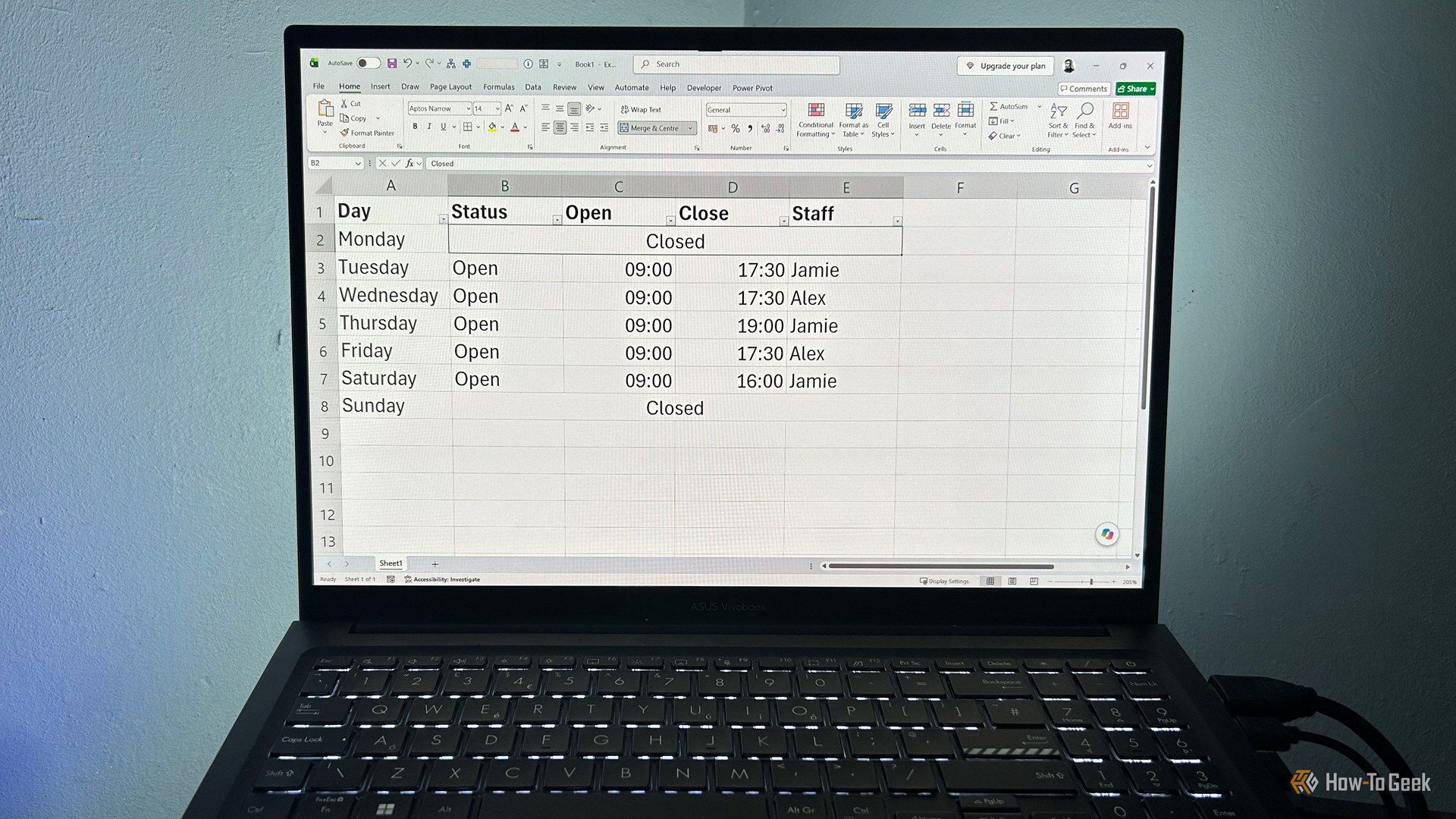
Ditch Merge & Center: The Better Way to Align Text in Excel
Learn to use Excel's "Center Across Selection" to align text across cells without merging, avoiding common data manipulation issues. This guide provides steps to utilize this newly accessible feature and add it to your Quick Access Toolbar.

Ars Technica's Rocket Report: Your Essential Space Industry Briefing
Quick Verdict Ars Technica's Rocket Report, presented by veteran space reporter Stephen Clark, offers an invaluable and meticulously organized weekly (or similar frequency, implied by "Edition 9.15") digest of the most
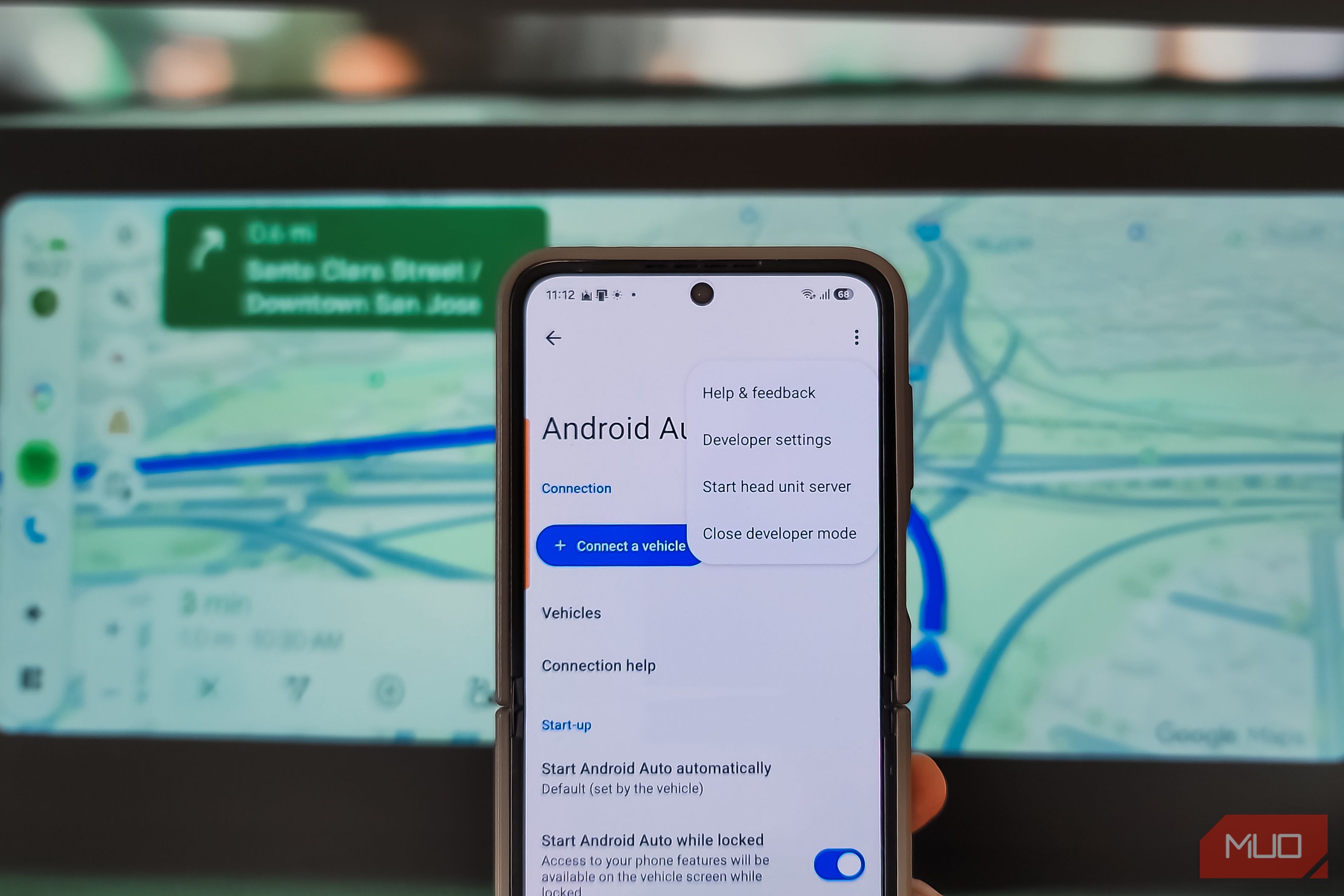
Stop Android Auto Battery Drain: Essential Features to Disable and
Android Auto offers unparalleled convenience, bringing your phone's most useful features directly to your car's display. From navigation and calls to messages and music, it keeps you connected without distracting you
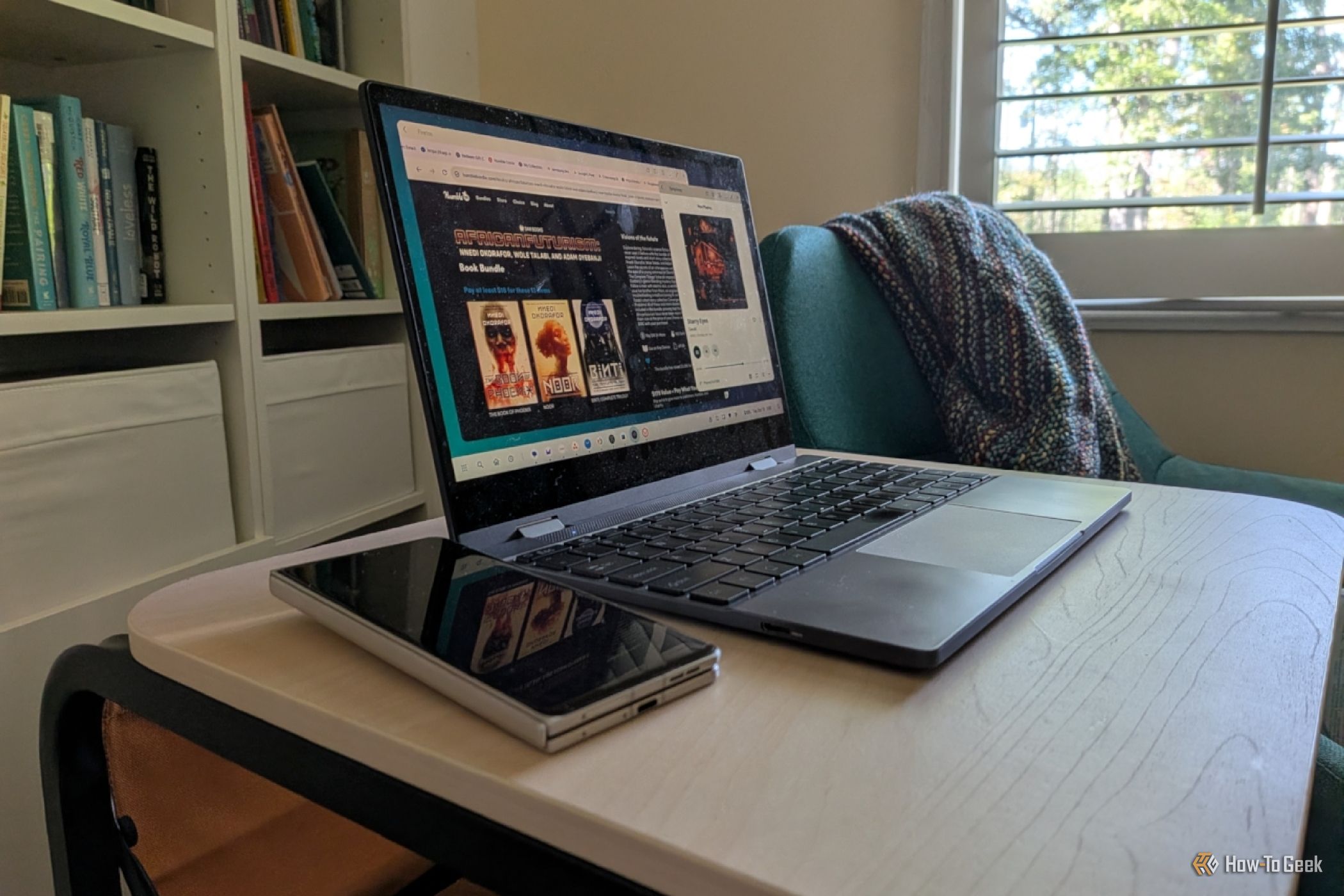
Turn Your Android Phone into a Powerful Desktop Replacement
Learn how to transform your Android phone into a full-fledged desktop computer using external displays and accessories, providing a cost-effective and integrated alternative to new Googlebooks.

howto: Four Ways the Fitbit Edge Is Better Than the Charge 6, and Two
Learn the key differences between the Fitbit Edge and Charge 6, including four advantages of the Edge and two areas where it falls short, to help you choose the best fitness tracker for your needs.
How to Connect Your Googlebook to a Printer - Print Documents with
Learn to quickly connect your Googlebook to a printer via Wi-Fi, USB, or Bluetooth and print documents in minutes. This guide covers direct printing, app-specific connections, troubleshooting, and even printing screenshots as a workaround.