
From Moral Panics to Celebrity Lawsuits: GTA's Wild Ride Through
From Moral Panics to Celebrity Lawsuits: GTA's Wild Ride Through Controversy Grand Theft Auto isn't just a video game series; it's a cultural phenomenon, one of the biggest and most profitable media franchises ever

From Moral Panics to Celebrity Lawsuits: GTA's Wild Ride Through Controversy
Grand Theft Auto isn't just a video game series; it's a cultural phenomenon, one of the biggest and most profitable media franchises ever created. But with a name like "Grand Theft Auto" and gameplay that pushes boundaries, it was practically destined to become a lightning rod for controversy. From manufactured moral panics to drawn-out celebrity lawsuits, Rockstar's iconic series has weathered decades of outrage, often emerging stronger on the other side. While there's always a kernel of truth to concerns about the violent, over-the-top nature of GTA, numerous studies have consistently failed to find any real-world link between playing violent video games and antisocial behavior. Yet, that hasn't stopped advocacy groups and opportunists from trying to take down gaming's greatest rebel. Let's dive into the complicated, chaotic history of GTA's biggest controversies.
Early Anarchy: Manufacturing Mayhem
Back in 1997, as the gaming world was just shaking off the initial moral panic ignited by titles like Mortal Kombat, a Scottish studio named DMA Design – the creators of Lemmings, believe it or not – was cooking up something entirely different. Their new top-down driving game, Grand Theft Auto, was designed for players to commit virtual crimes, and the word got out months before its December 14, 1997 release on PlayStation and PC. UK tabloids, ever eager for a scandalous headline, screamed about a "criminal computer game that glorifies hit-and-run thugs," while politicians warned of its dangers to impressionable children.
Little did they know, they were playing right into DMA's (and publisher BMG's) hands. BMG, known for hyping transgressive music acts, leaned into the controversy, hiring a publicist who shrewdly leaked details to newspapers and ensured certain pearl-clutching politicians caught wind of the game. They even launched a radio campaign featuring clips from the House of Lords debate, making the game sound utterly awesome to its target audience. Despite its M-rating and a ban in Brazil, Grand Theft Auto was a massive success, selling over three million copies by 1999. This early brush with infamy taught Rockstar a crucial lesson: a little controversy can translate into a lot of cash.
The Thompson Tangle: A Lone Crusader's War
The post-Columbine era saw a renewed moral panic around video games, with many critics (and opportunists) pointing fingers at titles like Doom. When Grand Theft Auto 3 burst onto the scene with its revolutionary, more "realistic" 3D depiction of crime, one man, conservative attorney Jack Thompson, was ready to pounce. For over a decade, Thompson waged an obnoxious, one-man war on the gaming industry, appearing on cable news to blame video games for real-world violence. While he targeted many titles, Rockstar's franchise became his personal white whale.
Thompson relentlessly hounded the series with lawsuits and TV appearances, alleging GTA inspired horrific tragedies. He sued Take-Two Interactive, retailers, and even Sony, often demanding outrageous sums on behalf of victims' families. His most high-profile case involved Devin Moore, who killed three police officers in 2005, with Thompson claiming Moore's GTA obsession was the cause. This flimsy case, which was quickly dismissed, gave Thompson a national platform, even inspiring a 2015 BBC movie (which Rockstar called "random, made up bollocks"). Thompson's extreme behavior eventually led to trouble with the Alabama bar, but he remained undeterred, even as public concern shifted to an even more lurid scandal.
Hot Coffee Brews a Storm: Sex, Mods, and the ESRB
After the groundbreaking success of GTA 3 and Vice City, anticipation for Grand Theft Auto: San Andreas was sky-high. Rockstar designer Sam Houser wanted to push boundaries even further, including "sexual content... more natural (more than violence)" for an adult audience. During development, a full-fledged minigame was created where players would control protagonist CJ during explicit (albeit fully-clothed) sex acts with his dates. This content, however, would have landed San Andreas an "Adults Only" rating, prompting 80% of US retailers to refuse to stock it. So, the minigame was merely disabled, not fully removed, from the final release.
Unbeknownst to Rockstar, a Dutch modder named Patrick Wildenborg soon discovered these hidden files. In June 2005, he published a mod dubbed "Hot Coffee," which restored the explicit content. The discovery sent shockwaves through the industry. The ESRB launched an investigation, major retailers like Walmart pulled the game, and Rockstar was forced to issue a recall and replace copies with a patched version. Jack Thompson, seizing the moment, even allied with Hillary Clinton to call for an FTC investigation. While the FTC found Take-Two deceptive, they only issued a warning. However, a class-action lawsuit eventually settled for $20 million. The furor eventually faded, but it highlighted the volatile mix of cut content, modding, and public morality in the mid-2000s.
Evolving Outrage: From Drunk Driving to Torture
When Grand Theft Auto 4 arrived, it marked a significant shift. Gone were some of the arcadey gore and dismemberment of the earlier 3D Universe titles, replaced by more realistic Euphoria physics. Despite this, critics still found plenty to be outraged about. Mothers Against Drunk Driving (MADD) petitioned for an AO rating because the game allowed players to drive intoxicated, a feature Rockstar defended by stating its audience was "sophisticated enough to understand the game's content." The "Lost and the Damned" expansion pack also sparked controversy for featuring full-frontal male nudity, leading parents' groups to issue fresh warnings.
Meanwhile, Jack Thompson, at the peak of his relevance, continued his crusade. His persistent harassment of Rockstar led Take-Two to preemptively sue him to block any frivolous lawsuits against GTA 4. They eventually settled, with Thompson agreeing not to sue Take-Two over future games. The war, seemingly, was over – for five months, until Thompson tried accusing Take-Two of stealing his likeness. Predictably, it didn't work. GTA 4 was a smash hit, paving the way for its even bigger successor.
The Celebrity Clash & The Fading Fury
Grand Theft Auto 5 introduced us to Trevor Phillips, a character who perfectly embodied the chaotic, unscripted rampages players had long enjoyed. His over-the-top, cartoonish nature ironically seemed to defuse some of the usual "think of the children" concerns. However, one specific mission, "By the Book," where players control Trevor as he tortures an innocent man using various tools, struck a nerve. Clearly a satire of "enhanced interrogation techniques" from the War on Terror, this interactive torture scene was widely criticized by media, politicians, and even Amnesty International.
Then came the unexpected: celebrity drama. In 2014, actress Lindsay Lohan sued Take-Two, claiming they stole her likeness for GTA 5. Her lengthy complaint centered on two main points: a blonde, bikini-clad woman used in marketing (who was actually model Shelby Welinder) and the character of Lacey Jonas, a broad parody of Hollywood divas. Rockstar fired back, arguing the lawsuit was frivolous, filed for publicity, and that parody and satire are protected by the First Amendment. The court agreed, ruling the game a "work of fiction and satire," and Lohan lost. By this point, the debate around violent video games had largely cooled, with GTA 5 receiving more heat for its Shark Card microtransactions than its mature content. The battle against "violent video games" was effectively over, and figures like Jack Thompson had lost.
The Lasting Impact: Unstoppable Force
Grand Theft Auto has consistently risen to dominance by boldly pushing boundaries, shattering taboos, and fearlessly playing with fire. If anything, the constant outrage and manufactured controversies have only enhanced its irresistible mystique, cementing its status as a must-experience cultural event. Each new wave of criticism has ultimately strengthened its position, proving that its unique blend of satire, open-world freedom, and unapologetic mature themes resonates deeply with its audience. There's little doubt that Grand Theft Auto 6 and future installments will continue to court controversy, rake in billions, and undoubtedly reshape the entire medium of video games in their distinctive image.
FAQ
Q: What was the "Hot Coffee" scandal in Grand Theft Auto: San Andreas? A: The "Hot Coffee" scandal involved a disabled, but not removed, mini-game in Grand Theft Auto: San Andreas where players could engage in explicit (though clothed) sex acts with girlfriends. Discovered by a modder, its activation led to an ESRB investigation, a major recall, and a class-action lawsuit for Rockstar.
Q: Did any studies link Grand Theft Auto to real-world violence? A: No, numerous studies over the decades have consistently failed to find any direct link between playing violent video games like Grand Theft Auto and real-world antisocial behavior or violence.
Q: Was Grand Theft Auto 5 ever sued by a celebrity? A: Yes, actress Lindsay Lohan sued Take-Two in 2014, claiming her likeness was stolen for a marketing image and a character named Lacey Jonas. The court ultimately sided with Rockstar, ruling the game was a work of fiction and satire protected by the First Amendment.
Related articles
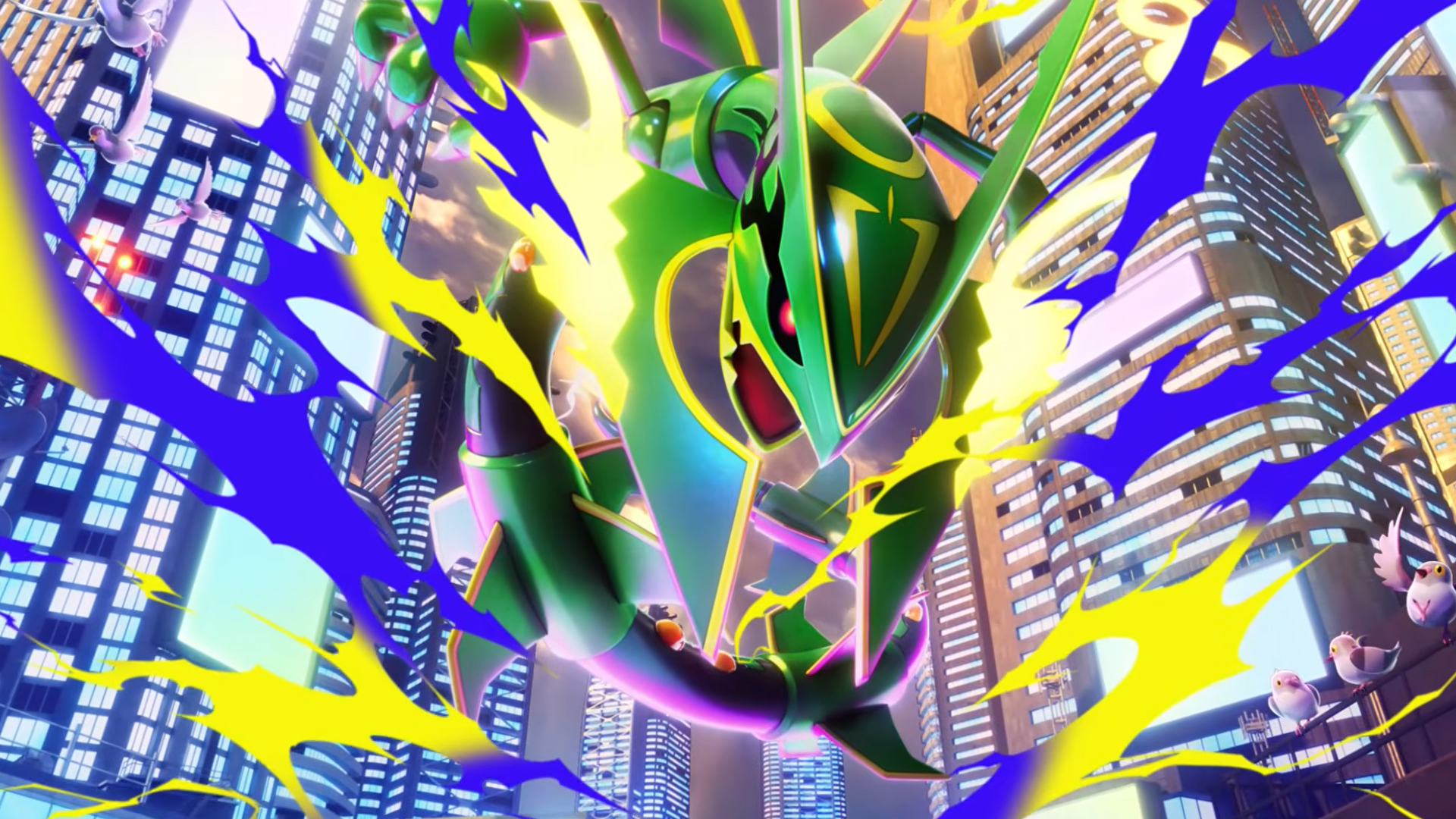
TCG Pocket Responds: A Much-Needed Pace Shift for Pokémon Fans
Pokémon TCG Pocket is rolling out a major update for its second anniversary, primarily addressing player concerns about overwhelming content releases by shifting to a six-week set schedule. This aims to curb player decline and improve overall engagement by giving trainers more time to collect and strategize. The update also adds new collection methods, improved deck-building features, and enhanced trading functionality.
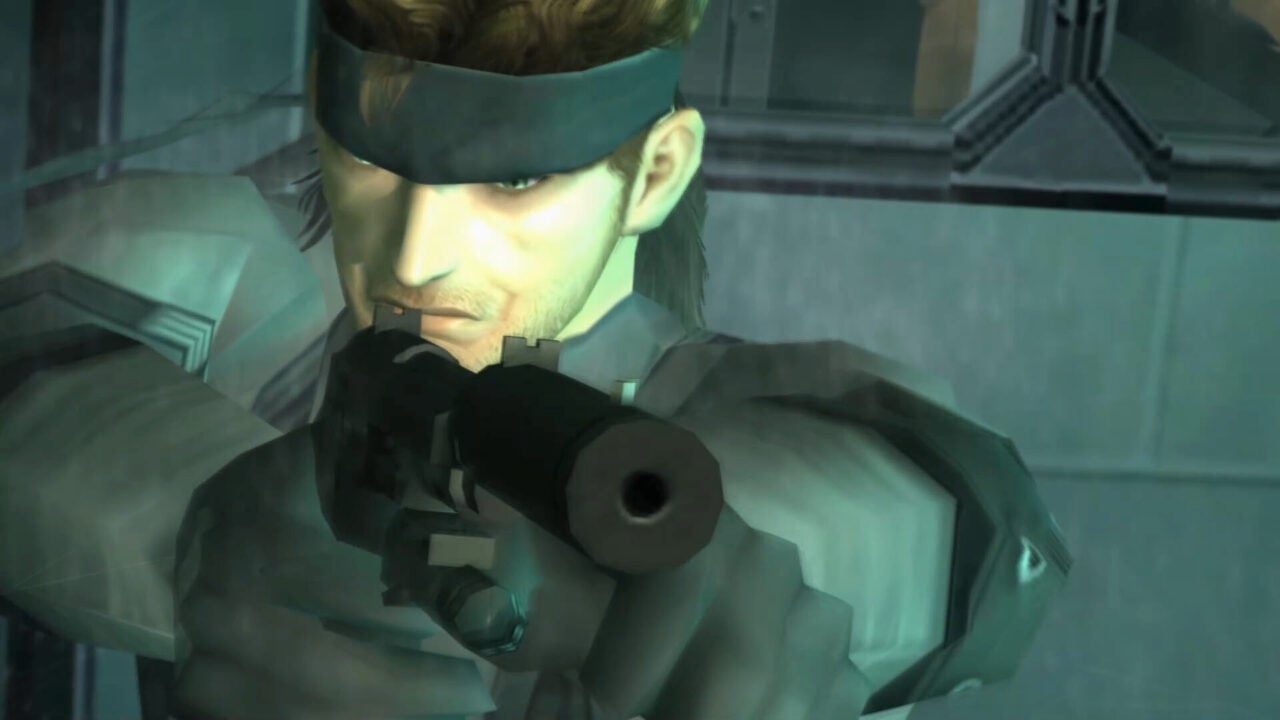
Kojima Compares Divisive New Film 'Digger' to MGS2's Prescient Vision
Gaming icon Hideo Kojima has praised the divisive 2026 film *Digger*, drawing intriguing parallels to his own prophetic game, *Metal Gear Solid 2*. Both works, he explains, uniquely explore the dangers of misinformation and a fragmented digital reality, anxieties he shares with *Digger*'s director, Alejandro González Iñárritu.
Ubisoft Proposes German Studio Workforce Reduction Amidst
Ubisoft is planning a voluntary departure program for about 100 employees across its Düsseldorf, Berlin, and Mainz studios in Germany. This move is part of a larger, ongoing cost-reduction and restructuring effort by the publisher, aiming to better position its studios for future projects.
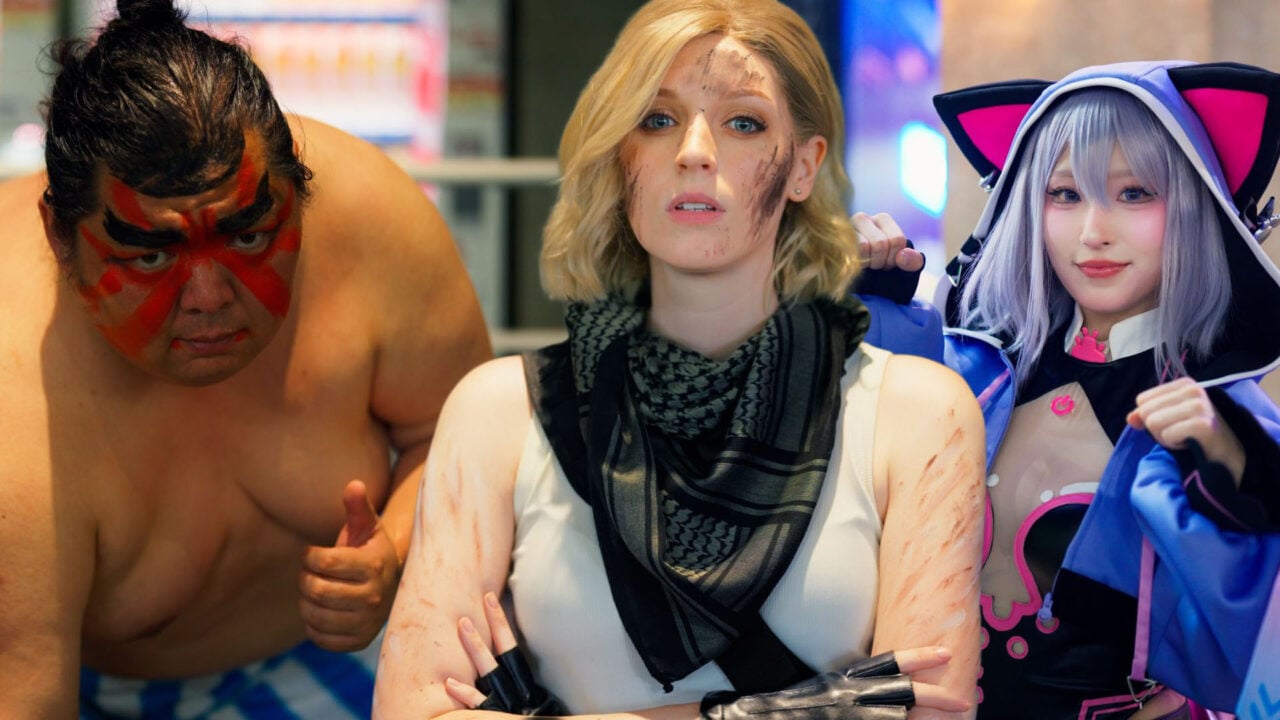
TGS 2026: These Forward-Looking Cosplays Are Already Living in the
Tokyo Game Show 2026 showcased incredible cosplay, with many fans embodying characters from unreleased games like *Blast Blade* and *Mononoke No Kuni*. This gallery highlights the community's foresight, alongside debut *Palworld* cosplay and refreshed takes on classics. It’s a testament to the passion that brings gaming's future to life.

Beyond the Bugs: Conquering Studio Headaches in Indie Dev
This guide, part three in a series on running an indie studio, tackles the crucial but often overlooked aspect of dealing with non-development related issues. It introduces creating a shared 'studio backlog' for collective problems and using the IDS (Identify, Discuss, Solve) framework to address them constructively. The core message is to build powerful habits that keep studios from getting quietly derailed by lingering challenges.

Flox Intelligence Harnesses AI to Safeguard Wildlife and
Flox Intelligence, a KTH spin-off and TechCrunch Disrupt finalist, is deploying AI-powered edge devices to deter wildlife from critical infrastructure like railways and airports. The system identifies animals and uses species-specific sounds, learning and adapting to prevent costly collisions and delays. With 150 devices deployed globally and $5 million raised, Flox aims to scale significantly with a new Series A round.