
Dildos on a Snail: The Uncensored Story of Alice's 'Sexy' Demands
American McGee, developer of Alice: Madness Returns, recently shared a wild story about publisher EA's marketing team wanting the 2011 game to be "more sexy." His creative and hilarious response involved dildos and a snail, effectively shutting down the bizarre request.
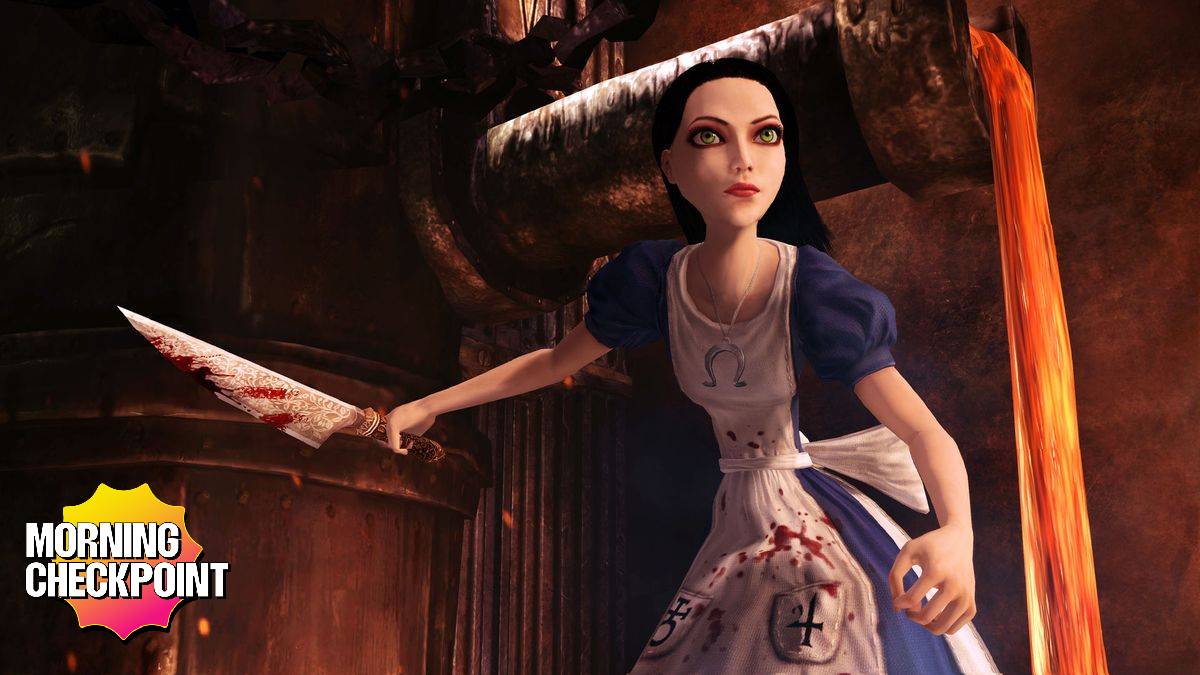
Alright, gamers, gather 'round, because we've got a fresh piece of developer lore straight from the twisted, beautiful mind behind one of the most uniquely dark action-adventure games ever made. We're talking about American McGee and his unforgettable 2011 title, Alice: Madness Returns. And trust me, the tale he's just spun about publisher demands and creative defiance is as wild as Wonderland itself.
For those who haven't delved into it, Alice: Madness Returns plunges players into a darker, more psychologically scarred version of Alice's Wonderland. It’s a visually stunning, emotionally charged journey through madness and memory, where Alice fights monstrous manifestations of her trauma. It's known for its gothic aesthetics, intense combat, and deeply unsettling atmosphere. So, when you hear that its publisher, Electronic Arts (EA), reportedly wanted the game to be "more sexy," you might do a double-take. Well, American McGee did more than that – he sent them an image of a snail covered in dildos. And honestly, it's the kind of legendary story that makes you love game development even more.
When Marketing Met Madness: EA's 'Sexy' Request
American McGee recently opened up about the significant chasm between his artistic vision for Madness Returns and what EA’s marketing team was pushing for. According to McGee, EA Marketing was convinced that a "Hard M title focused on gore, horror, and featuring a ‘psychotic’ Alice" would resonate best with audiences. This was a direct conflict with McGee's own intentions. He explicitly stated he "did NOT want portray Alice as a psycho, cover her in blood, or ‘make things more sexy’ (yes, that was a request)."
This isn't an uncommon scenario in the industry. Publishers often have a specific market perception or demographic in mind, sometimes clashing with a creator's initial concept. The push for a "sexier" element, especially in a game where the protagonist is dealing with profound psychological trauma, feels particularly jarring. It highlights a common tension between the commercial aspirations of a publisher and the artistic integrity of a developer.
The Snail Solution: A Protest in Pixels
Now, here's where the story takes a delightfully absurd turn. Faced with the persistent demand to "make things more sexy," American McGee didn't just push back verbally. He took direct, visual action. In a move that's instantly become iconic, he "pasted dildos onto the head of a giant snail in response to the ‘sexy’ request and emailed that to the Marketing team." The result? "They stopped making those requests."
Let that sink in. A developer, confronted with a rather out-of-place demand, responded with such a brilliantly subversive and undeniable image that it effectively shut down the conversation. It's a masterclass in creative protest, showcasing a developer's commitment to their vision and a willingness to be utterly unconventional to protect it. It also paints a vivid picture of the sheer audacity and dark humor that likely permeated the development studio, Spicy Horse (McGee's studio at the time, though not named in this particular tidbit), as they navigated these publisher waters.
Creative Control and Publisher Pushback
McGee elaborated that his ability to maintain such a strong hold on creative direction stemmed from unusual financial terms related to bank loans and Hollywood-style production arrangements. This unique setup likely gave him more leverage than many developers have when dealing with a large publisher like EA. It's a rare glimpse into the complex financial backbone of game development and how it can impact artistic freedom.
However, this didn't mean the relationship was entirely smooth sailing. McGee also noted that when the development team needed more time to wrap things up, EA responded with similar "gfy" (go f*** yourself) energy, suggesting that while he won the battle against the sexy snail, the broader power dynamics remained. It underscores the challenges faced by even established developers when trying to balance creative ambitions with the often rigid schedules and financial pressures imposed by major publishers.
The Legacy of Wonderland's Darkness
Despite these reported creative skirmishes, Alice: Madness Returns arrived in 2011 largely true to its haunting vision. It was a game that dared to be different, offering a mature, psychological twist on a beloved classic. The fact that McGee managed to ward off demands for a "sexier" Alice, and instead delivered a protagonist defined by her strength, fragility, and resilience in the face of deep trauma, is a testament to his resolve.
This anecdote isn't just a funny story; it's a vital reminder of the often-unseen battles fought behind the scenes in game development. It highlights the importance of developer integrity, the sometimes absurd nature of marketing demands, and the wild ways creators find to protect their artistic works. It’s stories like these that truly enrich our understanding of the games we love and the people who make them. Here's to American McGee, the dildo-snail, and the unyielding spirit of creative vision!
FAQ
Q: Who developed Alice: Madness Returns?
A: Alice: Madness Returns was developed under the direction of American McGee, who also shared this development anecdote.
Q: What did EA Marketing reportedly ask for regarding Alice: Madness Returns?
A: EA Marketing reportedly pushed for a "Hard M title focused on gore, horror, and featuring a ‘psychotic’ Alice," along with a request to "make things more sexy."
Q: How did American McGee respond to the request for Alice: Madness Returns to be "more sexy"?
A: American McGee famously responded by pasting dildos onto the head of a giant snail, emailing the image to the marketing team, which reportedly led them to stop making such requests.
Related articles
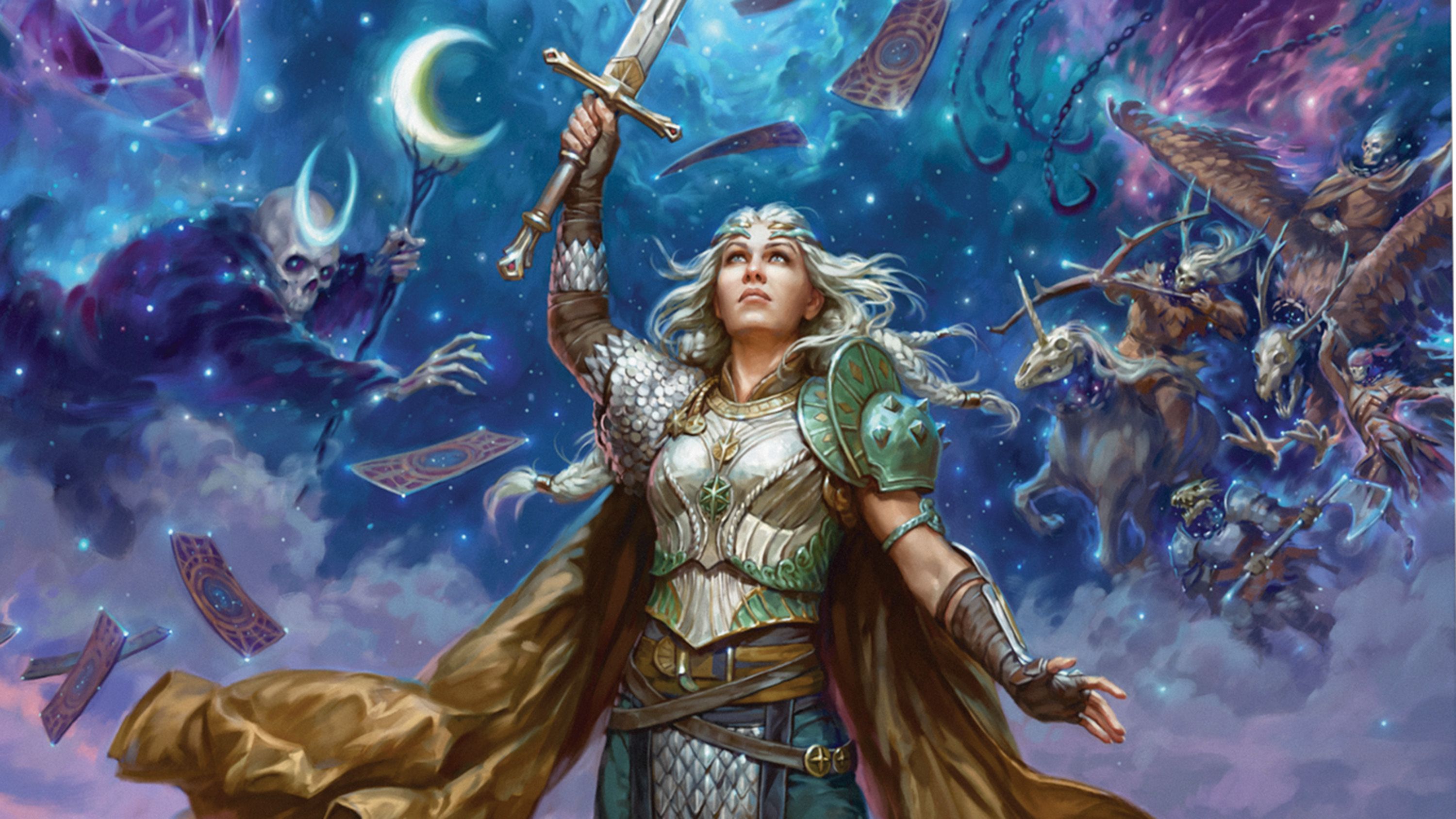
Wizards of the Coast Crowns New President, Signaling a Digital Future
Dan Ayoub, former Senior VP of D&D and an ex-Halo studio head, is the new President of Wizards of the Coast and Hasbro Digital Games. His appointment signals a strong push into digital and video games for the company, creators of Magic: The Gathering and Dungeons & Dragons. Upcoming titles include the sci-fi RPG Exodus and the D&D action-adventure Warlock.
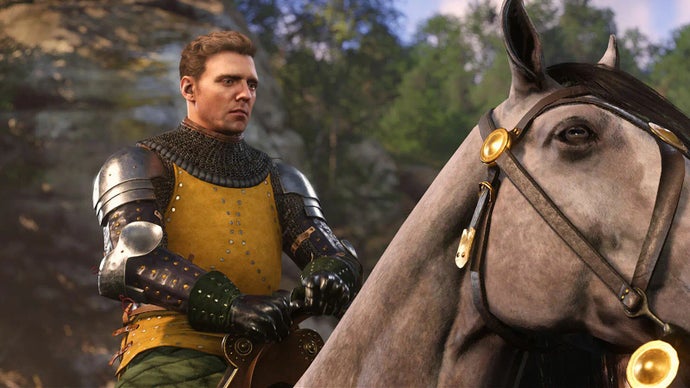
Warhorse Studios Under Siege: Cyberattack Hits Kingdom Come Dev
Warhorse Studios, known for Kingdom Come: Deliverance 2, has been hit by a cyberattack, resulting in unauthorized access to their company systems and data. CEO Martin Frývaldský called it a "serious incident," and the studio is working with cybersecurity experts to investigate. This incident follows similar breaches at Capcom and Rockstar, highlighting a growing industry concern.

UK Gaming's Future on the Line: UKIE Pushes for Modern Tax Credits
UKIE is urging the government to modernize the Video Games Expenditure Credit (VGEC) and introduce a new 'Games Scale-Up Fund' ahead of the Autumn Budget. This move is critical to keep the UK competitive in global game development, address outdated rules, and prevent studios and talent from relocating, ensuring a vibrant future for British-made games.
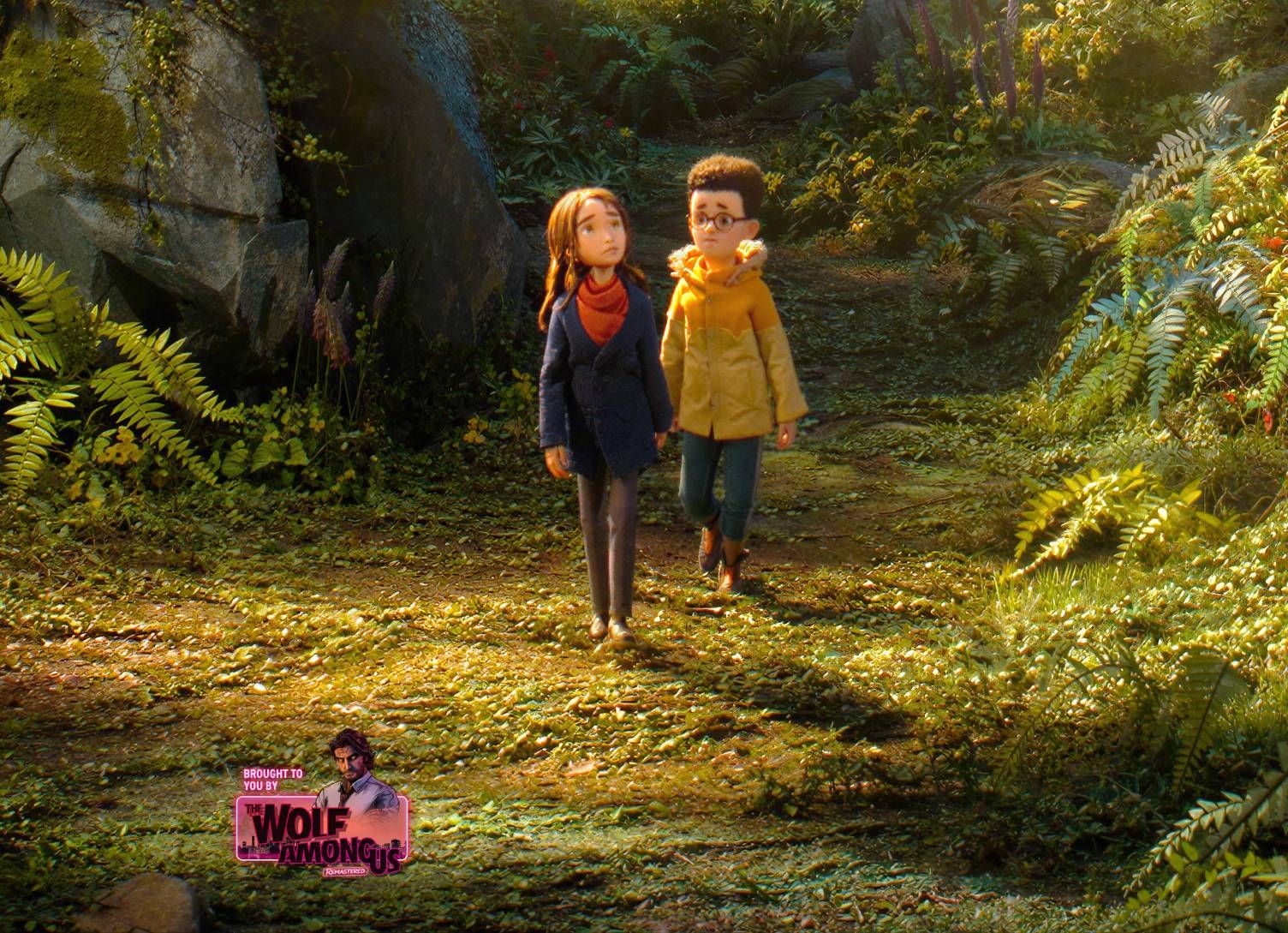
Wildwood: Laika Unleashes a Dark Fairy Tale From The Decemberists
Laika's *Wildwood*, from The Decemberists' Colin Meloy and artist Carson Ellis, brings a dark stop-motion fairy tale to life. Embracing unsettling folklore and a rare PG-13 rating, the film delves into the grimmer side of storytelling, inspired by classics like *The Dark Crystal*.
Is FromSoftware's Spooky Specter, The Duskbloods, Haunting 2027
As Halloween approaches, fans are increasingly convinced FromSoftware's *The Duskbloods* has been delayed to 2027. A lack of a firm 2026 release date, a crowded holiday schedule, and mixed feedback from its August network test fuel the speculation. While no official word exists, many expect an update at The Game Awards.
Phantom Blade Zero Smashes Records as 2026's Top Action Game
Phantom Blade Zero launched to critical acclaim, earning an 88 Metascore and becoming 2026's highest-rated action game so far. Critics laud its exceptional Wuxia combat and stunning aesthetic, despite noted narrative weaknesses. It's a strong Game Awards contender.