
Indie Horror's Hollywood Takeover: Fans & Streamers Led the Way
Indie horror games are taking Hollywood by storm, with fan-driven virality leading to major film adaptations like *Five Nights at Freddy's*, *Iron Lung*, and *The Mortuary Assistant*. Streamers and dedicated communities are proving to be the ultimate tastemakers, shaping the next wave of cinematic scares.

There’s a unique thrill in watching someone else navigate the digital horrorscape of a spooky game, especially when those jumpscares hit just right. This captivating push and pull between being the player and the observer has become a massive driving force behind the indie horror scene's explosive popularity. Small studios are seeing their creations skyrocket to internet virality, largely thanks to dedicated streamers and their massive fanbases. And guess who’s been paying attention? Hollywood, eager to tap into these pre-existing communities and find cinema's next big hit. It's a fascinating, collective experience, and one that filmmakers like Genki Kawamura, director of the new Exit 8 adaptation, are actively trying to capture. Kawamura himself noted after playing the game and then watching countless streamers, "I realized there were as many different stories and interactions with the game as there were people playing it."
From Streams to Silver Screens
The past six months alone have been a testament to this trend, bringing a flurry of indie horror game adaptations to theaters and streaming platforms. We’ve seen a sequel to the massive Five Nights at Freddy’s franchise, delving deeper into the lore of killer animatronics and spectral children. The sci-fi submarine sim Iron Lung, famously propelled to stardom by streamer Markiplier, also made its cinematic debut with Markiplier himself directing and starring. And for those with a strong stomach, The Mortuary Assistant brought its unique blend of embalming duties and demonic encounters to the big screen, a game already incredibly popular with streamers for its jump-out-of-your-seat moments. Looming on the horizon is A24's Backrooms, based on the eerie liminal space creepypasta that has already inspired numerous digital interpretations. It’s clear: if an indie horror game generates enough buzz online, Hollywood is ready to greenlight its terrifying big-screen counterpart.
The Exit 8 Phenomenon: A Director's Unique Vision
Let's talk about Exit 8, the film based on the similarly titled game The Exit 8. Its premise is deceptively simple: you’re stuck in an endlessly looping Japanese subway corridor, needing to spot "anomalies" to progress. Kawamura found this constrained setup to be a surprising advantage for storytelling. He envisioned the corridor itself as the central character, a purgatorial space where the small sins and guilt we carry daily are projected into the world. The omnipresent "EXIT 8" sign becomes a kind of divine overseer, watching nameless characters—who feel like NPCs—confront their inner demons. To further blur the lines between game and film, Kawamura opens the movie with a first-person perspective, almost like a VR experience, before shifting to third-person. This deliberate choice aims to put the audience in the player’s shoes while simultaneously making them feel like they're watching a stream, drawing inspiration from game design legend Miyamoto Shigeru’s philosophy that the enjoyment should be shared equally by both players and observers.
The Gameplay Loop That Hooks You
So, what makes games like Exit 8, Five Nights at Freddy’s, Iron Lung, and The Mortuary Assistant so incredibly popular? Many, at their core, are twisted job simulators. Players are given an odd, often mundane task, which inevitably goes sideways, forcing them to learn and abide by the game’s unique rules to survive. This seemingly constrained form of storytelling actually opens up a vast world for exploration. Take The Mortuary Assistant, for example. Its procedural generation ensures that every playthrough is a fresh nightmare, with different story beats and haunt events. Brian Clarke, the game's designer and film's co-writer, deliberately built this variety in. He told me that this replayability, the constant question of "what else is out there? What did that streamer see that I didn't?", was a huge driver of its widespread appeal. Clarke even developed the game by actively listening to early player feedback, refining his design while staying true to his vision, proving that community involvement was baked in from the start.
Fan Power: The Real Driving Force
This isn't just about a studio picking up a cool concept; it's about a unique, almost collective ownership that fans feel towards indie horror. Unlike massive, big-budget releases with guaranteed hype, indie games foster a more intimate connection. The Five Nights at Freddy’s fanbase, for instance, is legendary for its vibrant art, merchandise, and incredibly detailed YouTube analyses of the game's deep, intricate lore. When it came to the Iron Lung movie, it was the fans who directly lobbied their local multiplexes, demanding theatrical screenings, turning a niche adaptation into a cinema event. And The Mortuary Assistant? Its viral status owes everything to streamers broadcasting their terrified shrieks as reanimated corpses lunged from the shadows. Brian Clarke, though not explicitly designing for virality, openly admitted, "I knew that, ‘Okay, this moment will capture as a clip really well.’" This intuitive understanding of how content resonates online is crucial.
Deeper Terrors: Beyond the Gore and Jumpscares
While viral clips and perfectly timed jumpscares are certainly part of the appeal, these games offer much more. The Mortuary Assistant, beneath its visceral scares, features a compelling plot about an embalmer racing against time to banish a corpse-possessing demon. Director Jeremiah Kipp, who co-wrote the film, was immediately drawn to its "cinematic" potential, highlighting how these games provide both "moment to moment entertainment value" and an "enriching experience that makes you think about deeper subjects." At its heart, The Mortuary Assistant grapples with death, fear, and how we cope with our own mortality. You can say the same for many of these titles, using their spooky aesthetics and terrifying surprises to weave tales of restless spirits, unsettling liminal spaces, or unseen monsters lurking in shadowy depths. Kipp aptly summarized it: the indie horror game space is "teeming with ideas" and "wonderful, relatable stories" that "scare us and they make us think about some of the stuff we might not otherwise like to think about." Ultimately, whether you're playing or just watching, these games and their adaptations invite us to confront our deepest, most primal fears, again and again.
FAQ
Q: What indie horror games have been adapted into movies recently?
A: In the past six months, we've seen film adaptations of Five Nights at Freddy's, Iron Lung, The Mortuary Assistant, and Exit 8. Additionally, A24 is developing a film based on the popular Backrooms creepypasta.
Q: Why are streamers so influential in the rise of indie horror adaptations?
A: Streamers play a crucial role by exposing these games to vast audiences, generating viral moments, and cultivating passionate fanbases. This organic buzz and built-in community are highly attractive to Hollywood studios looking for popular IP with established followings.
Q: Do these games offer more than just jumpscares?
A: Absolutely! While jumpscares are often present, many indie horror games like The Mortuary Assistant feature engaging narratives, unique gameplay mechanics (such as procedural generation for varied experiences), and explore deeper psychological themes like death, guilt, and primal fears, offering a more enriching experience beyond surface-level scares.
Related articles
No More Robots Sails into New Territory with Cruise Control
After nine years of publishing success, indie studio No More Robots is launching its first self-developed IP, `Cruise Control`, a puzzle game born from a pivot away from a shelved online shooter. Founder Mike Rose reflects on the company's unconventional, lean approach, the accidental success of `Descenders`, and the massive potential of upcoming title `Another Door`, while also considering his own future in the demanding industry.
The One Zero Company Achievement That Got Away From Me
Star Wars Zero Company is a stellar turn-based tactics game, but the author is playfully irked by one missing achievement: a reward for completing the game without losing any squad members to its brutal permadeath system. Despite this minor gripe, the game is lauded as one of the year's best, showcasing deep strategic gameplay.

Ace Combat 8 Takes Flight with Star-Studded Prequel Series
Ace Combat 8: Wings of Theve is launching soon, but not before a live-action prequel miniseries, Hour Zero, drops exclusively on IGN. Starring Josh Holloway, Brandon Routh, and Tamlyn Tomita, this four-part show will build narrative context for the game's campaign, starting September 15. Holloway shared his renewed love for gaming and a desire to adapt games into movies.

Onimusha: Way of the Sword Prequel Webtoon Unleashes Genma Lore
Onimusha: Way of the Sword, a 10/10 masterpiece, has an official prequel webtoon, "Fated Rivalry," now available for free on Webtoon. This canonical story follows Sasaki Ganryu's quest for vengeance and the discovery of an Oni Gauntlet, directly leading into the game's events.
Milki Delivery: Ghibli Charm Hides a Surprisingly Dark Secret
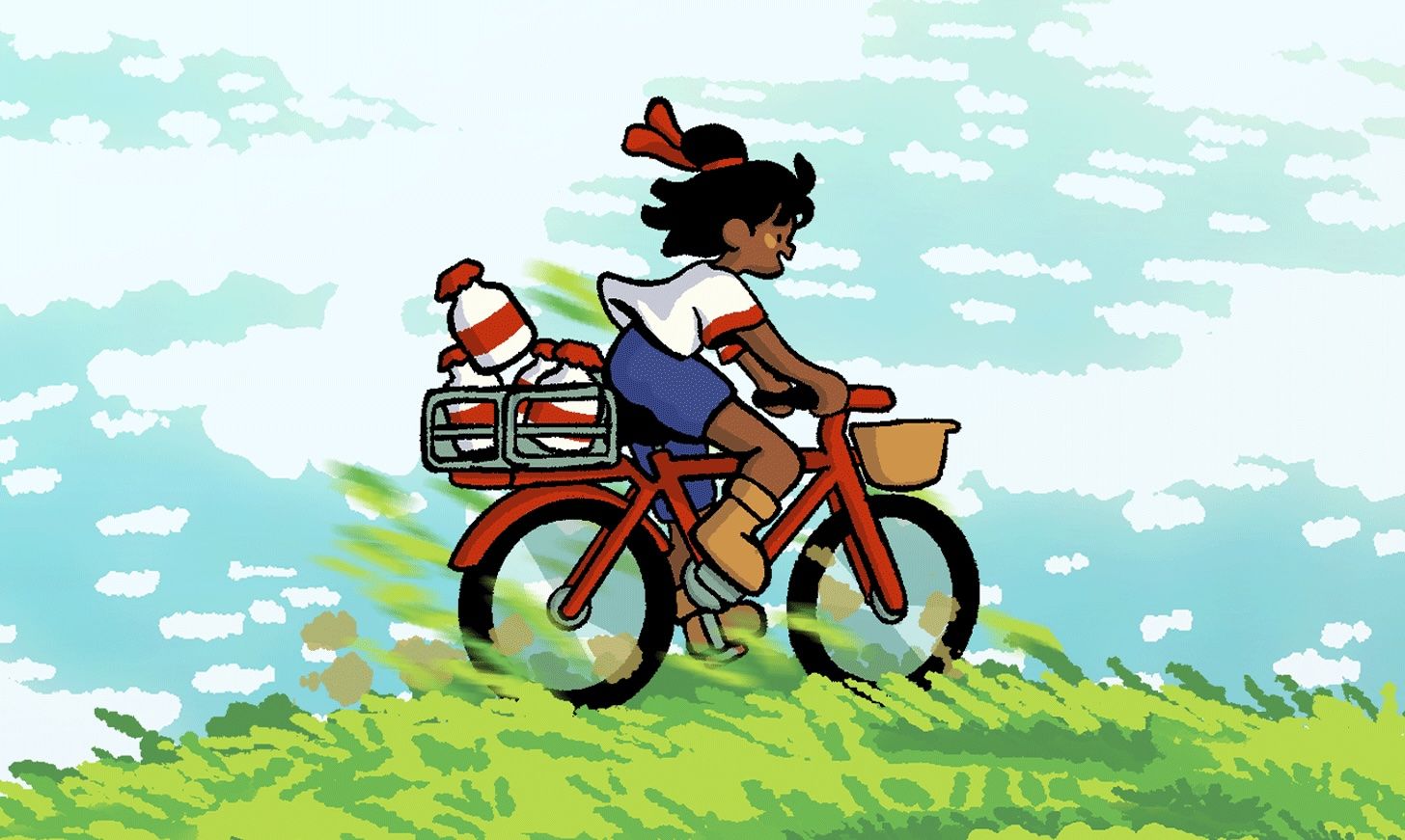
Milki Delivery is a charming, Ghibli-inspired cozy game about a girl delivering milk with her pet cow. Beneath its wholesome exterior, a subtle mystery unfolds around the disappearance of other cows and the rebuilding of community bonds.
Who's This Mysterious New Face Crashing Danganronpa 2x2's Party
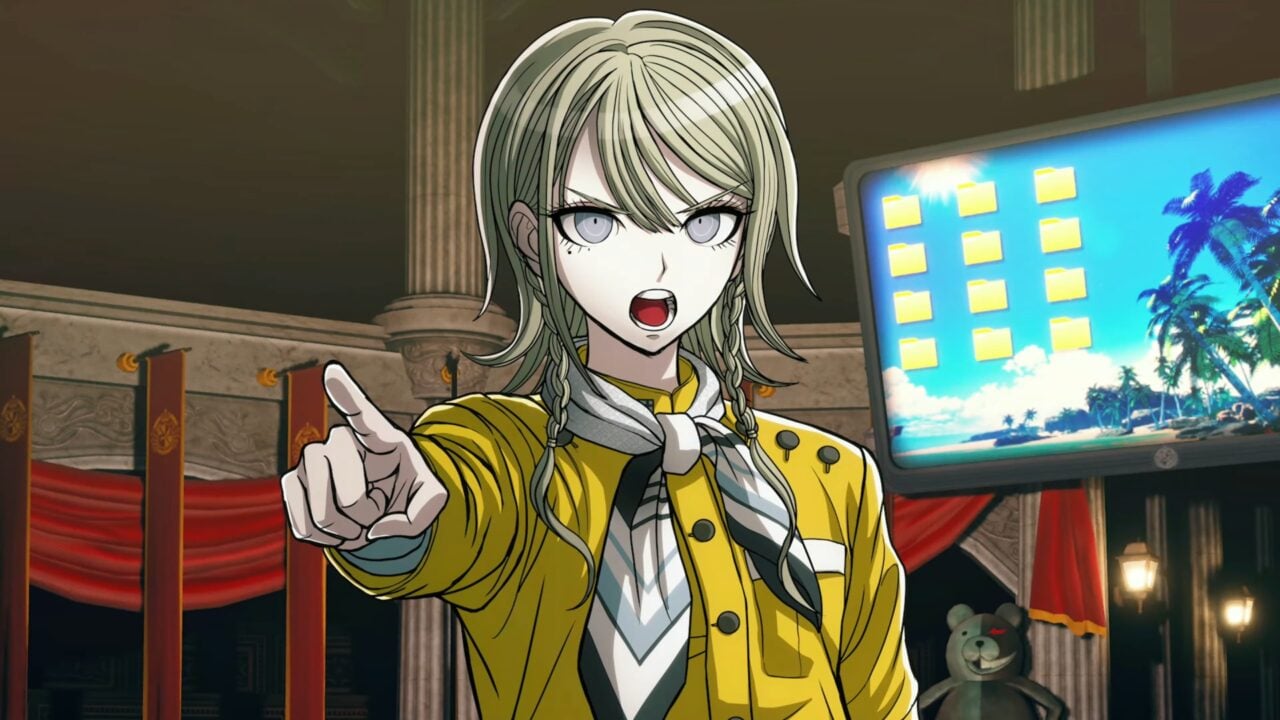
Danganronpa 2x2 is bringing an enhanced remake of Goodbye Despair with a new "Slayhem" route. The latest trailer for the January 14 release revealed a mysterious new character, affectionately dubbed "John Danganronpa" by fans. His identity and role are unknown, with speculation ranging from a new protagonist to a fresh antagonist, adding more chaos to Monokuma's twisted game.