
Boost Your Smart Home: Essential Outdoor Sensors and Their Benefits
Most smart home systems excel at monitoring and automating tasks inside your house. However, extending your smart capabilities to the outdoors can unlock a new level of convenience, security, and insight. By

Most smart home systems excel at monitoring and automating tasks inside your house. However, extending your smart capabilities to the outdoors can unlock a new level of convenience, security, and insight. By strategically placing all-weather outdoor sensors, you can create powerful automations and gain valuable data about your immediate environment. This guide will walk you through key outdoor sensor types and explain how they can enhance your smart home experience.
What You'll Accomplish
By the end of this guide, you'll understand the value of various outdoor smart home sensors and how to integrate them to:
- Enhance outdoor security and lighting automation.
- Monitor local weather conditions beyond what generic forecasts provide.
- Receive timely alerts for important outdoor events.
- Optimize energy usage and protect your property.
Prerequisites and Requirements
Before diving into specific sensors, ensure you have the following:
- A Compatible Smart Home Hub: An existing smart home system (like Home Assistant) capable of integrating various sensor types and protocols (e.g., Zigbee, Bluetooth, Wi-Fi).
- Basic Automation Knowledge: Familiarity with creating rules or routines within your smart home platform.
- Internet Connectivity: A stable Wi-Fi network that extends to your desired outdoor sensor locations.
- Power Considerations: Outdoor sensors require power. While some are battery-operated, many necessitate access to mains power, which might involve outdoor outlets or specific wiring. Plan for how you will power each device.
Essential Outdoor Sensors for Your Smart Home
Let's explore the outdoor sensors that can transform your smart home.
1. Weatherproof Motion Sensors: Your First Line of Outdoor Automation
Motion sensors use passive infrared technology to detect changes in heat patterns, typically identifying people or animals. While traditional security lights have used them for decades, integrating them into your smart home system significantly expands their utility.
Why You Need Them:
- Automated Lighting: Trigger entire sets of outdoor lights (e.g., porch, pathway, garden) when motion is detected, providing both convenience and a deterrent.
- Instant Alerts: Receive notifications directly on your mobile device or through smart speakers inside the house when motion occurs.
- Enhanced Security Camera Triggers: Augment your security cameras by triggering recordings based on motion detected by the sensor, ensuring you capture events even before the camera's built-in detection activates.
Actionable Tip: Consider weather-resistant options like the Philips Hue outdoor sensor. For protected areas, an indoor sensor placed in a dry spot like a mailbox can also work.
2. Outdoor Thermometers and Hygrometers: Climate Control and Awareness
Just as indoor temperature and humidity sensors are crucial for efficient heating and cooling, outdoor models provide valuable environmental data that can drive smart home automations and save you money.
Why You Need Them:
- Smart Vehicle Prep: Get alerts when temperatures drop, reminding you to start your car early or allow time for de-icing windows and door handles.
- Morning Briefings: Integrate outdoor temperature and humidity into your daily smart home briefing, so you know what to expect before stepping outside, without relying on less accurate weather apps.
- Energy-Saving Recommendations: Receive smart prompts to turn off the air conditioning and open windows instead if outdoor conditions are favorable.
- Data Logging: For data enthusiasts, these sensors provide historical environmental data, helping you understand local climate trends.
Actionable Tip: Look for IP65-rated models for robust weather resistance, such as the SwitchBot Indoor/Outdoor Thermo-Hygrometer, which are generally affordable.
3. Contact Sensors for Gates and Porch Doors: Secure Access and Early Notifications
Outdoor contact sensors function similarly to their indoor counterparts, detecting whether a gate or door is open or closed via a magnetic connection. Their primary difference lies in their robust weatherproofing.
Why You Need Them:
- Proactive Lighting: Immediately turn on outdoor lights when a front gate or porch door opens, eliminating delays associated with motion sensors.
- Visitor Alerts: Receive an indoor ping or mobile notification when a visitor opens your gate, alerting you before they reach your front door.
- Security and Safety: Get alerts if a gate is left open after certain hours or for extended durations, which is especially useful for preventing pets from escaping.
- Visual Status Indicators: Link the status of a gate to an indoor light, allowing you to quickly see if it's open at a glance.
Actionable Tip: Invest in rugged, weather-resistant models like the Yolink outdoor contact sensor, designed to withstand outdoor conditions.
4. Weather Stations and Gauges: Comprehensive Hyper-Local Weather Data
Moving beyond basic temperature and humidity, a full weather station provides a wealth of information including rainfall, wind direction, wind speed, and barometric pressure. When correctly positioned, it offers hyper-local triggers based on your backyard's exact conditions.
Why You Need Them:
- Intelligent Irrigation: Control your sprinkler system based on actual recent rainfall, preventing overwatering and conserving water.
- Laundry Alerts: Receive immediate notifications about rainfall, prompting you to bring in laundry from outside.
- Wind Warning System: Get advanced warnings for strong wind gusts, allowing you to secure loose items in your yard before they're blown away.
- Community Data Contribution: Some systems, like Ambient Weather Stations, allow you to contribute your data to a broader network, enhancing overall weather monitoring.
Actionable Tip: Consider an integrated package like an Ambient Weather Station for a comprehensive solution. Proper placement is essential for accurate readings.
5. Lightning Sensors: Advanced Storm Warning for Protection
Perhaps one of the most innovative outdoor sensors, lightning detectors provide real-time information about lightning strikes within a significant radius (e.g., 25 miles). This unique data can be surprisingly practical.
Why You Need Them:
- Early Storm Warning: Receive advanced notice of approaching storms, giving you time to close windows, put cars in garages, secure delicate plants, and prepare your home.
- Electronics Protection: Know when to unplug sensitive electronics to protect them from power surges, even if you have surge protectors.
- Real-time Storm Tracking: Monitor a storm's approach and intensity more precisely than general weather forecasts allow.
Actionable Tip: The EcoWitt WH57 is a reliable option for integrating lightning detection into your smart home, often compatible with platforms like Home Assistant via dedicated integrations.
Tips and Best Practices
- Centralize Your Data: Integrate all outdoor sensors with a central smart home hub (like Home Assistant) to create unified dashboards and complex automation routines.
- Strategic Placement: The effectiveness of your sensors often depends on their location. Follow manufacturer guidelines for optimal placement (e.g., ensuring weather stations are away from obstructions, motion sensors cover desired zones).
- Regular Maintenance: Check battery-powered sensors periodically and ensure all outdoor devices are clean and free from debris.
Troubleshooting Common Issues
- Power Challenges: If a sensor requires mains power, ensure you have a suitable outdoor power source or consider solar-powered alternatives if available. For battery-powered devices, monitor battery levels within your smart home app.
- Connectivity Problems: Outdoor environments can pose challenges for wireless signals. Ensure your Wi-Fi or Zigbee/Bluetooth network extends adequately to all sensor locations. Consider mesh networks or range extenders if needed.
- False Triggers (Motion Sensors): Adjust the sensor's sensitivity settings or reposition it to avoid triggering from passing animals, swaying branches, or direct sunlight.
- Weather Damage: Always confirm the IP rating of your sensor matches the expected weather conditions in its placement area. An IP65 rating provides good protection against dust and water jets.
Next Steps
Once you've integrated these outdoor sensors, consider exploring:
- Advanced Automation Routines: Combine data from multiple sensors (e.g., motion + time of day + light level) to create sophisticated and highly personalized automations.
- Data Visualization: Utilize your smart home platform's logging capabilities to visualize historical weather data and identify patterns.
- Specialized Sensors: Depending on your needs, you might explore other outdoor sensors like soil moisture sensors for gardening or specific water leak detectors for potential outdoor plumbing issues.
FAQ
Q: Are outdoor smart home sensors difficult to install?
A: Installation for most outdoor sensors is generally straightforward, often involving mounting with screws or adhesive. The main considerations are ensuring proper power (battery or mains) and reliable wireless connectivity to your smart home hub. Always refer to the manufacturer's instructions.
Q: Do outdoor sensors require a special smart home hub to function?
A: While specific brand ecosystems exist (like Philips Hue), many outdoor sensors are designed to integrate with popular universal smart home hubs such as Home Assistant, Amazon Alexa, or Google Home. Compatibility depends on the sensor's communication protocol (e.g., Zigbee, Bluetooth, Wi-Fi). Always check product specifications for compatibility with your existing system.
Q: How do I power outdoor sensors if I don't have outdoor electrical outlets?
A: Many outdoor sensors are designed to be battery-powered, offering flexibility in placement, though battery life can vary. For sensors requiring mains power, you might need to install weather-resistant outdoor outlets. Some devices also offer solar panel attachments or low-voltage wiring options, which can be explored with professional assistance if needed. Always prioritize safety and proper weatherproofing for any electrical connections outdoors.
Related articles

Apple Unveils iPhone Duo: Pricey Foldable Sees Soaring Demand
Apple has officially entered the foldable smartphone arena with the long-anticipated launch of the iPhone Duo. Priced starting at a hefty $1,999, the device features a 5.4-inch outer display and a larger 7.6-inch inner

DJI Solo Video Setups: Smart Choices for Lone Creators
This review delves into DJI's recommended solo video setups, highlighting the Osmo Pocket 3 Creator Combo as a top pick for its integrated camera, gimbal, and mic. It also covers stabilizers like the Osmo Mobile 8 and RS 4, and the DJI Mic Mini series for enhanced audio, providing honest pros, cons, and clear buying advice.
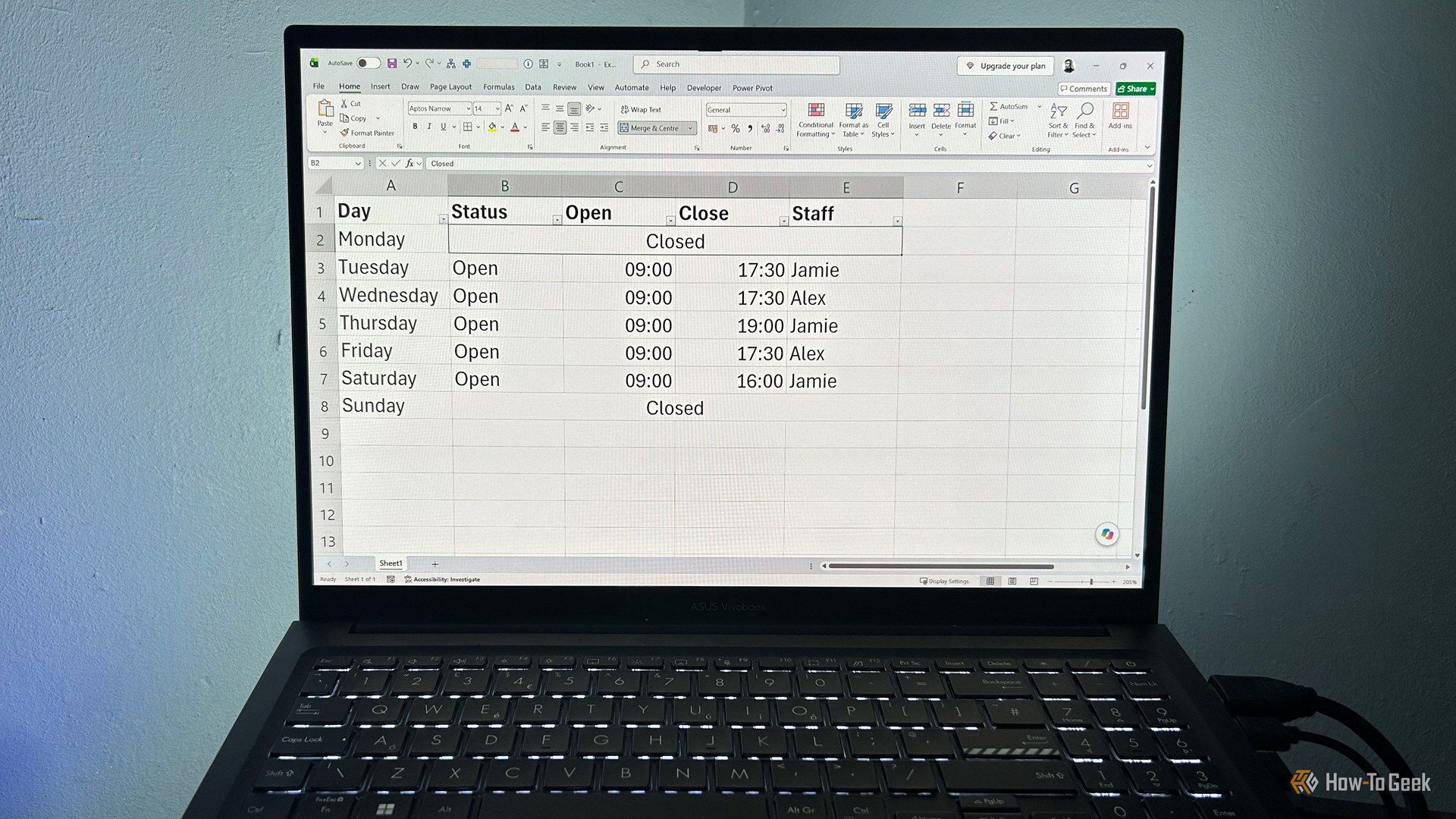
Ditch Merge & Center: The Better Way to Align Text in Excel
Learn to use Excel's "Center Across Selection" to align text across cells without merging, avoiding common data manipulation issues. This guide provides steps to utilize this newly accessible feature and add it to your Quick Access Toolbar.

Ars Technica's Rocket Report: Your Essential Space Industry Briefing
Quick Verdict Ars Technica's Rocket Report, presented by veteran space reporter Stephen Clark, offers an invaluable and meticulously organized weekly (or similar frequency, implied by "Edition 9.15") digest of the most
%20102026%20top%20art%20SOURCE%20Govee.jpg)
in-depth: The Best Permanent Outdoor Lights (2026): Govee, Eufy
WIRED, a leading voice in technology journalism, has just released its updated guide for 2026 on the best permanent outdoor lights, spotlighting top contenders Govee, Eufy, and Cync. These innovative eave lights are
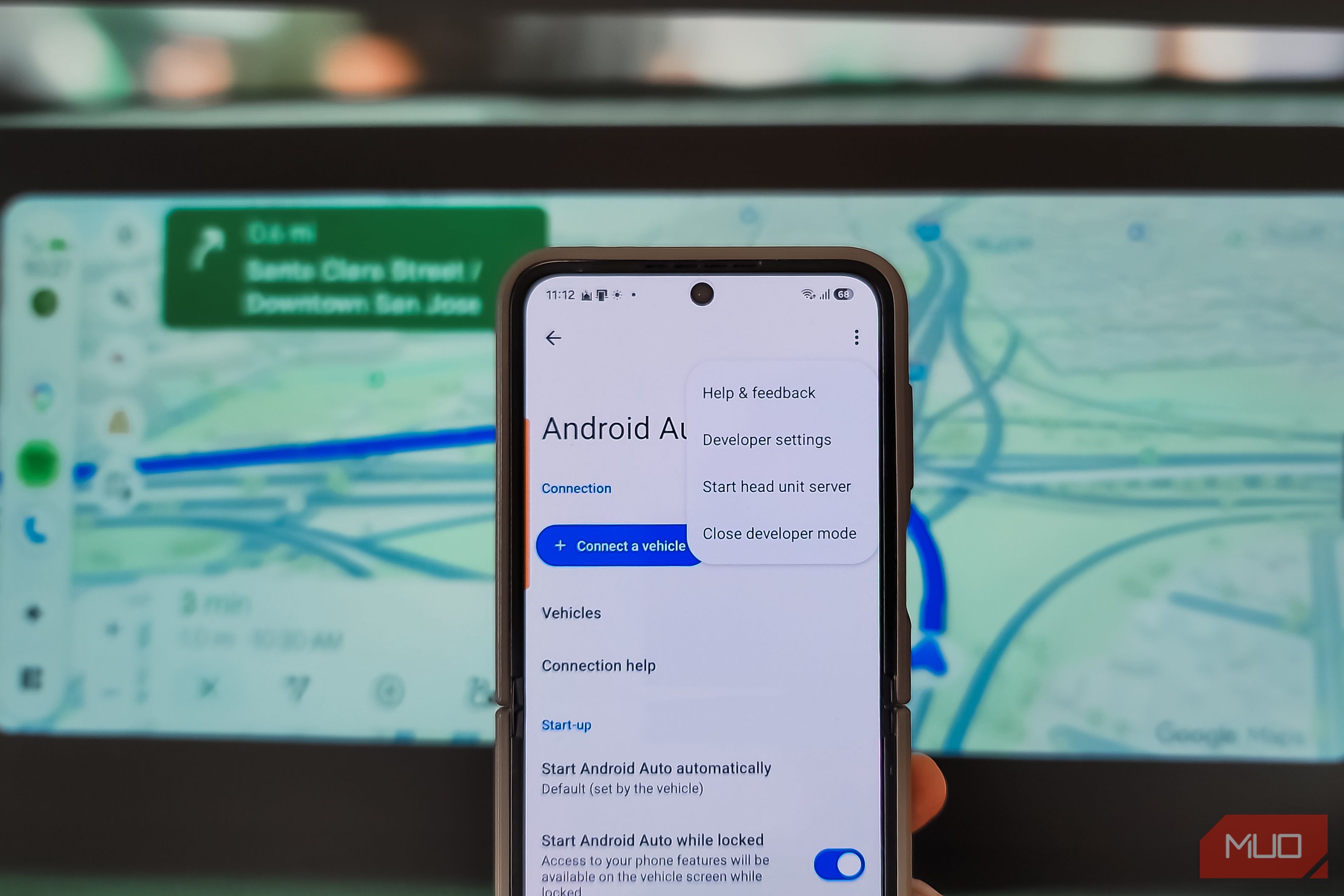
Stop Android Auto Battery Drain: Essential Features to Disable and
Android Auto offers unparalleled convenience, bringing your phone's most useful features directly to your car's display. From navigation and calls to messages and music, it keeps you connected without distracting you