
Boost Remote Productivity: Why eSIMs Are Essential for Global
Remote work has fundamentally reshaped our professional lives, blurring the lines between home, office, and travel. For professionals who operate outside traditional office settings, a reliable and uninterrupted
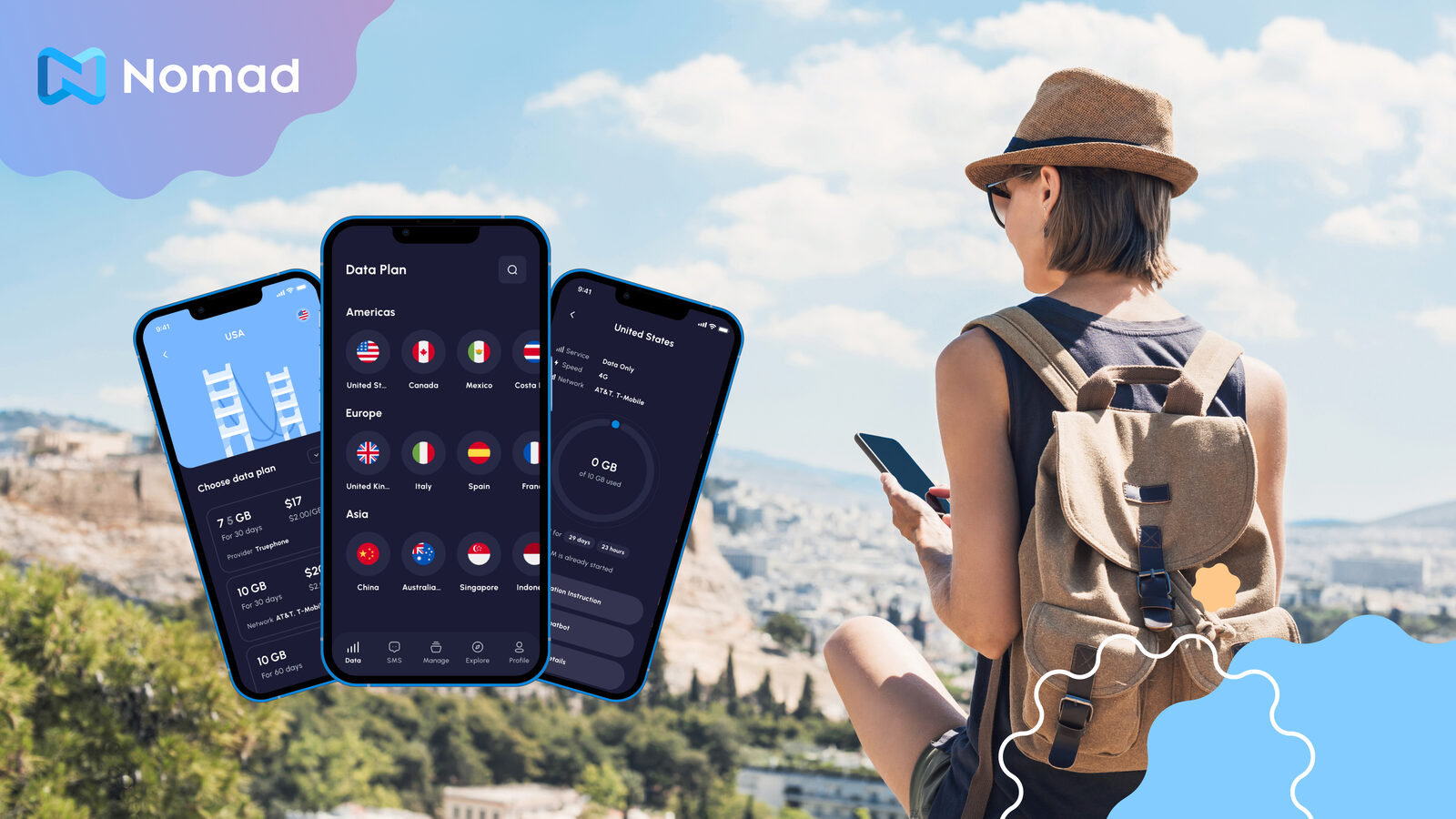
Remote work has fundamentally reshaped our professional lives, blurring the lines between home, office, and travel. For professionals who operate outside traditional office settings, a reliable and uninterrupted internet connection isn't just a convenience—it's the bedrock of productivity. Imagine being midway through a critical video call only to have your connection drop, or struggling to upload a vital file due to slow public Wi-Fi. These scenarios highlight the critical need for robust mobile data solutions.
This guide will walk you through the compelling reasons why remote workers are increasingly turning to eSIM technology to maintain seamless connectivity, wherever their work takes them. You'll learn how eSIMs simplify mobile data access, enhance security, and provide the flexibility needed for a dynamic work lifestyle.
Prerequisites for Embracing eSIM
Before diving into the benefits, ensure you have the following:
- An eSIM-compatible device: Most modern smartphones, tablets, and some laptops now support eSIM technology. Check your device specifications.
- An eSIM plan from a provider: Many mobile carriers and dedicated eSIM providers (like Nomad eSIM mentioned in the source) offer various data plans tailored for different regions and usage needs.
The Core Reasons Remote Workers Rely on eSIM for Connectivity
Let's explore the key advantages that make eSIMs indispensable for today's remote workforce.
1. Gain Reliable Mobile Data Access Anywhere
Remote professionals require an internet connection that remains consistent, whether they're working from a café, a co-working space, or a remote vacation spot. Public Wi-Fi, while often free, can be notoriously unreliable, leading to dropped calls, slow downloads, and frustrating interruptions during crucial tasks. An eSIM provides direct, stable access to mobile networks, ensuring that you can maintain productivity even when Wi-Fi is unavailable or performing poorly. This consistent data access means daily tasks proceed without disruption, safeguarding your workflow.
2. Experience Fast Setup Without Technical Delays
In the fast-paced world of remote work, time is a precious commodity. Traditional physical SIM cards often involve a cumbersome setup process—purchasing, inserting, and then waiting for activation, which can sometimes take longer than expected. Any delay in getting connected can impact schedules and deadlines. eSIMs, however, offer rapid activation. Typically, you simply scan a QR code provided by your carrier, and your device connects to a supported network within minutes. This quick setup allows remote workers to get online and start tasks without unnecessary waiting, ensuring maximum efficiency from the get-go.
3. Move Effortlessly Across Regions
Many remote workers embrace the freedom of travel, working from different cities or even countries. The need to acquire a new physical SIM card for each region can be a major hassle, interrupting workflow and adding administrative burden. An eSIM elegantly solves this problem by supporting multiple regions within a single digital profile. Your device can seamlessly connect to local networks as you travel, often without any manual changes. This smooth transition ensures your connection stays active, allowing you to focus on your work rather than managing hardware.
4. Achieve Better Control Over Data Usage
Managing data consumption is crucial for remote professionals, especially given data-intensive tasks like video conferencing, large file transfers, and cloud-based applications. Without careful monitoring, data limits can be quickly exhausted, leading to unexpected charges or service interruptions. eSIM technology often comes with user-friendly interfaces that allow you to track and adjust your data usage directly from your device. This granular control empowers you to plan your consumption, avoid sudden cut-offs, and ensure you always have data available when it's most needed.
5. Utilize a Secure Alternative to Public Wi-Fi
Public Wi-Fi networks, while convenient, are inherently less secure. They can expose sensitive work data to potential risks, raising concerns for remote professionals handling confidential information. Mobile data, accessed via an eSIM, offers a significantly more secure connection than open public networks. By reducing your reliance on potentially compromised Wi-Fi hotspots, an eSIM provides a more controlled and private environment for handling work tasks, bolstering your confidence in data security while on the move.
6. Eliminate Physical SIM Management
Dealing with tiny physical SIM cards can be inconvenient, especially for frequent travelers. The process of removing, storing, and replacing cards when moving between regions can lead to loss, damage, or simply unnecessary hassle. An eSIM eliminates the need for any physical handling. All your network profiles are stored digitally within your device, making management simple and efficient. This allows remote workers to concentrate on their work without the distraction of fiddling with small hardware components.
7. Gain Flexibility for Changing Work Needs
Remote work demands can fluctuate significantly based on projects, client needs, and personal schedules. Some periods may require heavy data usage for intensive tasks, while others involve lighter browsing. A rigid, fixed data plan may not adequately cater to these varying requirements. Many eSIM providers, like Nomad eSIM, offer plans that allow users to adjust or upgrade their data limits quickly and easily. This flexibility ensures that your connectivity always aligns with your current work demands, preventing either overspending or insufficient data.
8. Experience Consistent Performance in Diverse Areas
Remote workers often operate in a wide array of environments, from bustling city centers to quieter, more rural locations. Network strength can vary dramatically, impacting connection speed and overall performance. A weak connection can severely impede work progress. eSIMs connect to a network of partner carriers, designed to provide broad coverage in diverse regions. This capability helps maintain a stable and robust connection in most locations, ensuring that remote workers can complete their tasks efficiently without being hindered by inconsistent internet service.
Practical Application: eSIM in the Real World
Professionals who integrate eSIMs into their routine frequently report a significant simplification of their daily operations. The days of hunting for local SIM cards or wrestling with network settings while traveling are over. Instead, connectivity is quick, reliable, and active across various geographical areas. This convenience frees them to dedicate their full attention to work—attending meetings, sending emails, and sharing files without delays or connectivity-related stress. The overall experience is consistently smooth and dependable, even for those with highly mobile work lifestyles.
Troubleshooting Common eSIM Issues
While eSIMs offer many advantages, occasional issues can arise. Here are some quick tips:
- Activation Problems: If your eSIM isn't activating, double-check that your device is eSIM compatible and ensure you've scanned the QR code correctly. Sometimes, a device restart can resolve minor glitches.
- No Network Connection: If you're not getting a signal, verify that your eSIM plan is active and has data remaining. Check your device's network settings to ensure the eSIM profile is enabled. If traveling, confirm that the eSIM plan covers your current region.
- Slow Data Speeds: If data is slow, try moving to an area with better network coverage. Also, check if your data allowance has been depleted or if your plan has speed throttling after a certain usage limit.
- Accidental Deletion: If you accidentally delete your eSIM profile, contact your eSIM provider immediately. They can usually guide you through the re-installation process or issue a new QR code.
Tips for Maximizing Your eSIM Experience
- Choose the Right Plan: Assess your typical data usage and travel patterns before selecting a plan. Opt for regional or global plans if you travel frequently.
- Monitor Data Usage: Regularly check your data consumption through your eSIM provider's app or your device settings to avoid unexpected top-ups or service interruptions.
- Leverage Multiple Profiles: If your device supports it, consider having multiple eSIM profiles for different regions or purposes, allowing quick switching.
- Secure Your Device: Always keep your device's software updated and use strong security measures, as your eSIM profile is linked to your device.
Next Steps for Enhanced Remote Connectivity
Understanding the benefits of eSIM is the first step. To further optimize your remote work setup, consider exploring:
- Comparing eSIM providers: Research different providers to find the best plans and coverage for your specific needs.
- Advanced eSIM features: Learn about features like data rollover, international calling options, and temporary plans for short trips.
- Integrating eSIM with other tools: See how eSIM connectivity can enhance your use of VPNs, cloud services, and collaboration platforms.
FAQ
Q: Is my device compatible with eSIM technology?
A: Most new smartphones from major manufacturers (e.g., Apple, Samsung, Google) released in the last few years are eSIM compatible. You can usually check your device's settings under 'Mobile Data' or 'Network & Internet' for an option to add an eSIM, or refer to your device's specifications online.
Q: Can I use an eSIM and a physical SIM card at the same time?
A: Yes, many eSIM-compatible devices support Dual SIM Dual Standby (DSDS) functionality, allowing you to use both a physical SIM card and one or more eSIM profiles simultaneously. This means you could use your physical SIM for calls and texts and your eSIM for data while traveling.
Q: What happens if I lose my phone with an active eSIM?
A: If you lose your phone, contact your eSIM provider immediately to suspend or deactivate your eSIM profile, just as you would with a physical SIM card. This prevents unauthorized usage of your data plan. You can then typically activate a new eSIM profile on a replacement device.
Related articles
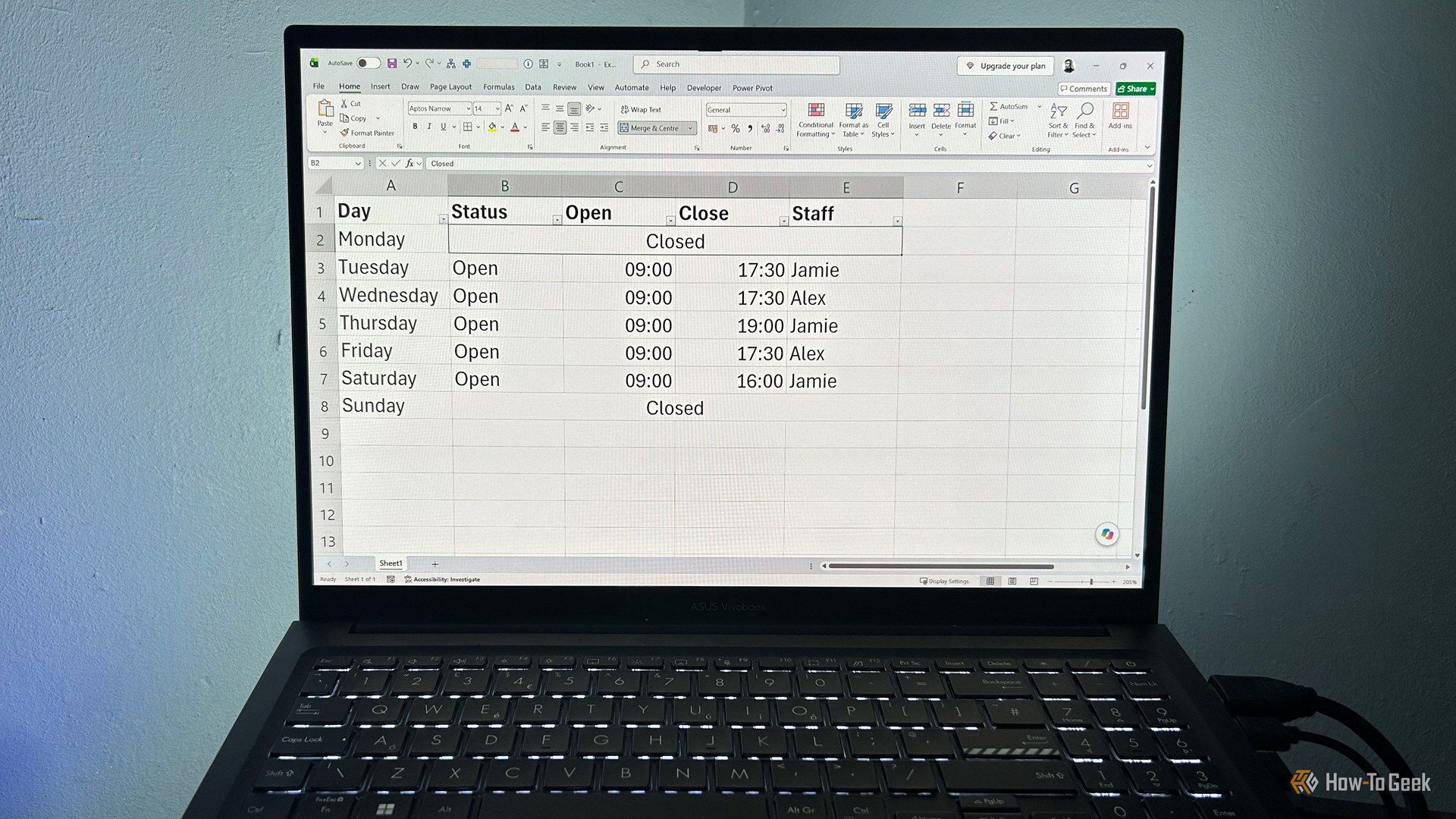
Ditch Merge & Center: The Better Way to Align Text in Excel
Learn to use Excel's "Center Across Selection" to align text across cells without merging, avoiding common data manipulation issues. This guide provides steps to utilize this newly accessible feature and add it to your Quick Access Toolbar.

Ars Technica's Rocket Report: Your Essential Space Industry Briefing
Quick Verdict Ars Technica's Rocket Report, presented by veteran space reporter Stephen Clark, offers an invaluable and meticulously organized weekly (or similar frequency, implied by "Edition 9.15") digest of the most
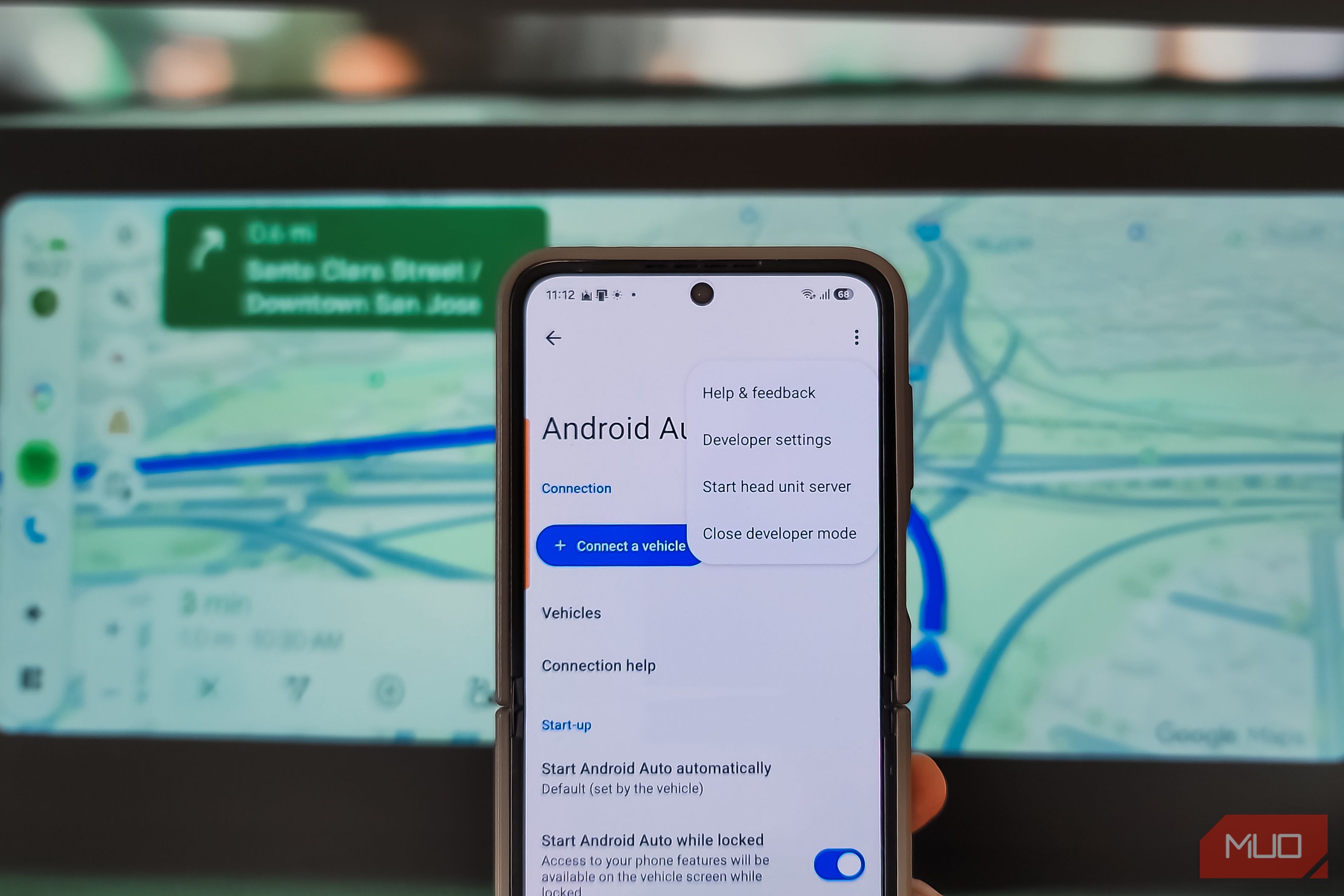
Stop Android Auto Battery Drain: Essential Features to Disable and
Android Auto offers unparalleled convenience, bringing your phone's most useful features directly to your car's display. From navigation and calls to messages and music, it keeps you connected without distracting you

Netflix is laying off around 1,000 employees: Layoffs — Key Details
Netflix is laying off approximately 1,000 employees, or six percent of its global workforce, in its largest-ever job cut. This move targets product, tech, HR, and legal teams to reduce costs and re-prioritize investments despite recent financial growth.

Windows October Update: A Must-Have Security Overhaul
Microsoft's October 2026 Windows update delivers a critical security overhaul, patching over 1,400 vulnerabilities including two zero-days, one already exploited. It's essential for all users, especially with several Windows 11 versions reaching end of support.
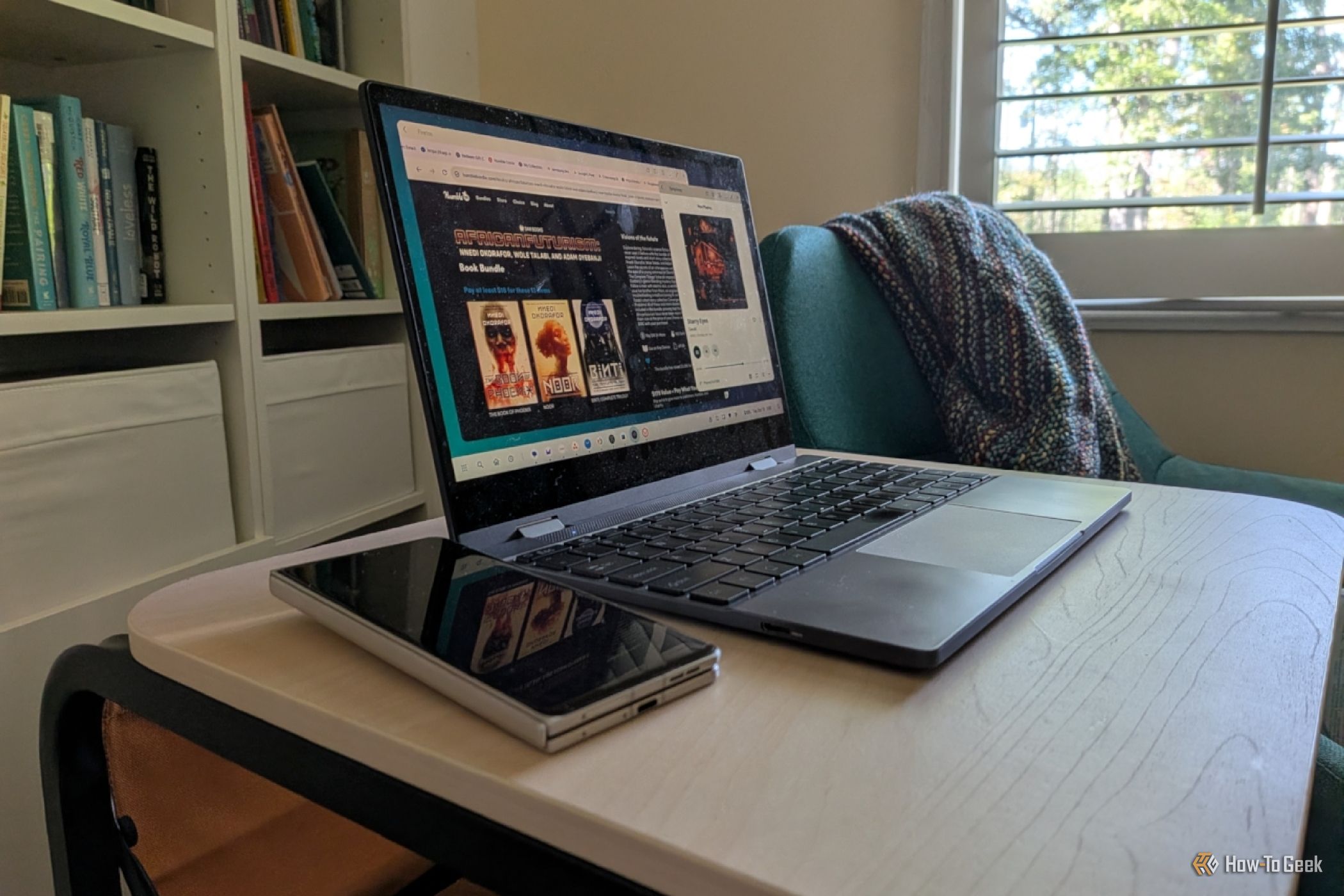
Turn Your Android Phone into a Powerful Desktop Replacement
Learn how to transform your Android phone into a full-fledged desktop computer using external displays and accessories, providing a cost-effective and integrated alternative to new Googlebooks.