
Big Three Carriers in 2026: Still Worth It? It's Complicated
As we navigate further into 2026, the landscape of mobile wireless continues its rapid evolution. Verizon is actively trying to improve its image with special loyalty offers and promotions, T-Mobile revamped its plans
As we navigate further into 2026, the landscape of mobile wireless continues its rapid evolution. Verizon is actively trying to improve its image with special loyalty offers and promotions, T-Mobile revamped its plans last year with some unique promotions, and AT&T is pouring over $250 billion into its network while also introducing new mobile plans. So, with all this movement, are any of the 'big three' carriers—Verizon, AT&T, or T-Mobile—still a worthwhile investment, or are you better off with a prepaid option? The answer, as many consumers suspect, is far from straightforward.
The Quick Verdict
For many, especially single-line users, the traditional postpaid services from the big three are often not the best value. Prepaid alternatives frequently offer comparable network experiences at a lower cost. However, for families or groups bringing multiple lines, existing legacy plan customers, or those who can snag specific promotions, the major carriers can still present a compelling package, particularly if premium perks, device financing, or guaranteed high-priority data are paramount.
User Experience: Where the Big Three Stand Out (and Fall Short)
Historically, the major carriers have been synonymous with robust network coverage, premium customer service, and generous device promotions. In 2026, while the network quality generally remains strong (with AT&T even investing heavily in its infrastructure), the overall user experience often comes down to cost versus perceived value.
For single-line users, the value proposition is particularly weak. You're typically looking at $45 to $50 per month for an entry-level plan that often lacks premium features like streaming perks, the best phone promotions, or consistent high-priority data. To access those top-tier benefits, costs can easily jump to $70-$80 monthly. Unless you have a compelling need for specific carrier-locked benefits or promotions, single-line customers are often better served by more economical prepaid or MVNO options that leverage the same underlying networks.
Conversely, the big three start to make more sense for multiple lines. Carriers frequently offer significant per-line discounts when you add three or more lines, often bringing the cost closer to competitive prepaid rates, but with the added benefits of postpaid service. This can include truly unlimited premium data, better international roaming options, and access to the most attractive device trade-in or financing deals.
Another critical factor is legacy plans. If you're an existing customer on an older plan, it's often advisable to stick with it. These plans can offer better value, more generous data allowances, or perks that newer plans no longer provide at the same price point.
Individual Carrier Breakdown
T-Mobile: The 'Un-carrier' Still Leads, But Less So
T-Mobile, once celebrated for disrupting the market, still offers strong value, particularly for those on older plans. For new customers, however, its appeal is more nuanced. Single-line plans are generally not recommended due to better prepaid alternatives.
For multi-line users, T-Mobile presents two notable options:
- The Essential 4-line plan: At $25 per line, it offers 50GB of higher-priority data before throttling, making it competitive with many premium prepaid options for its price.
- The Better Value plan: Requiring at least three lines (four lines get the best rate at $42.50 per line), this plan offers a rich set of features similar to T-Mobile's higher-end offerings. This includes unlimited premium data, Netflix Standard with Ads, T-Satellite service, limited international benefits, and the ability to upgrade phones every two years with top-tier offers.
While its value isn't what it once was, T-Mobile remains a strong contender for families seeking a feature-rich postpaid experience without reaching the absolute highest price tiers.
Verizon: Premium Price, Premium Perception (Sometimes)
Verizon maintains its reputation for being pricey, and for premium plans, that largely holds true unless you're on a legacy plan. However, it still offers the peace of mind of partnering with the largest carrier in the US and boasts high-priority data and attractive phone promotions on its top plans.
For single-line customers, Verizon's premium plans are largely overpriced, with prepaid options like Visible Pro Plus offering a very similar network experience at a significantly lower cost. However, for those for whom value isn't the primary driver, Unlimited Plus or Ultimate could still be compelling due to their robust feature sets.
For multi-line households, Verizon has introduced more competitive options. You can currently get four lines of Unlimited Welcome for $25 per line. While this plan comes with lower-priority data and a more basic experience, its price point aligns with many mid-tier prepaid plans. The catch, however, is that this promotional pricing is guaranteed for only 36 months, after which it increases to $30 per line.
AT&T: The Weakest Postpaid Value
AT&T's recent plan changes are, frankly, a sidegrade at best, and in some cases, have made certain plans more expensive depending on the number of lines. Given that AT&T's postpaid offerings were already considered the weakest in terms of value, this makes new AT&T plans difficult to recommend for value-conscious consumers.
For legacy plan holders, sticking with your current AT&T plan is generally the best advice. New customers should typically only consider AT&T under specific circumstances: if a particularly strong promotion arises, or if you reside in an area where AT&T's network performance is significantly superior to both Verizon and T-Mobile. Even in such cases, exploring AT&T-based MVNOs (mobile virtual network operators) is advisable, as they often offer similar network access at a fraction of the price.
Alternatives for Single-Line Users (and Beyond)
For those not committed to a multi-line big-carrier plan, or simply seeking better value, numerous prepaid options and MVNOs offer compelling alternatives using the same major networks. Here's a quick look at some top picks mentioned in the source:
| Alternative Carrier | Best For | Network(s) Used | Key Features & Pricing |
|---|---|---|---|
| Visible | Verizon coverage | Verizon | Plans from $25/month (less annually). Basic plan has lower priority, higher-end ($40/month) offers high-priority data, very close to Verizon postpaid experience. |
| US Mobile | AT&T coverage (or other) | Verizon, AT&T, T-Mobile | Choose any major network (or even two for a fee). Plans from $8 (limited data) to $44/month for top-tier, near mid-range postpaid service. |
| Google Fi | T-Mobile coverage | T-Mobile | Only T-Mobile alternative with high-priority data. Unlimited plans (with 30-100GB caps) from $35-$65 per line, or $23-$40 per line for 4+ lines. |
Pros and Cons of Sticking with the Big Three in 2026
Pros:
- Device Promotions: Often offer the best deals on new smartphones, especially with trade-ins or financing.
- Premium Perks: Higher-tier plans include valuable extras like streaming subscriptions, international benefits, and cloud storage.
- Network Priority: On premium plans, you're more likely to experience consistent high-priority data, especially in congested areas.
- Multi-Line Value: Significant per-line discounts make them competitive for families or groups.
- Customer Service: Generally more robust support infrastructure compared to many smaller providers.
- Legacy Plan Benefits: If you have an older plan, you might be grandfathered into better terms or perks.
Cons:
- High Single-Line Costs: Often significantly more expensive for individual users compared to prepaid alternatives.
- Complex Plans: Plans can be intricate, with various tiers, data priority levels, and hidden fees.
- Promotional Catches: Special pricing often requires multiple lines, long-term commitments, or specific plan types.
- Limited High-Priority Data on Entry Plans: Lower-cost postpaid plans may come with deprioritized data, negating a key advantage.
- Less Flexibility: Switching carriers can be more involved due to contracts or device financing agreements.
Final Buying Recommendation
Before committing to one of the big three in 2026, ask yourself these questions:
- How many lines do you need? If it's just one, seriously consider a prepaid alternative like Visible, US Mobile, or Google Fi. If it's three or more, the big three become much more attractive.
- Do you have a legacy plan? If so, stick with it unless you find an exceptionally good promotional offer elsewhere.
- Are device promotions your top priority? The big three often excel here, but ensure the overall plan cost still makes sense.
- What's your local coverage like? If one carrier significantly outperforms the others in your primary locations, that could be a deciding factor, but remember MVNOs can often use that same network.
Ultimately, the big three aren't universally bad choices, but it's more crucial than ever to scrutinize the fine print, compare multi-line deals, and understand your data priority. For many, a well-researched prepaid option will offer a better blend of performance and value.
FAQ
Q: Are the big three carriers still worth it for single-line users in 2026? A: Generally, no. For most single-line users, prepaid alternatives like Visible, US Mobile, or Google Fi offer comparable network experiences and features at a significantly lower monthly cost, often saving you $20-$40 per month or more.
Q: When do the big three carriers offer the best value in 2026? A: They offer the best value for customers with multiple lines (typically three or more), those who can access legacy plans, or individuals who prioritize premium perks, international benefits, and the most aggressive new phone promotions that often require a postpaid commitment.
Q: Is AT&T a good option for new customers in 2026? A: Based on current offerings, AT&T's new plans represent a sidegrade at best and often offer the weakest value among the big three. It's only recommended if you have a legacy plan, find a specific, strong promotion, or if AT&T has uniquely superior coverage in your essential locations, in which case you might still consider an AT&T-based MVNO.
Related articles
Android 17 QPR2 Beta 7.1: The Performance Relief You've Been Waiting
Android 17 QPR2 Beta 7.1: Finally Fixing the QPR1 Performance Woes Verdict: Android 17 QPR2 Beta 7.1 is a crucial and highly anticipated software update for Google Pixel users, specifically targeting and resolving the

DJI Solo Video Setups: Smart Choices for Lone Creators
This review delves into DJI's recommended solo video setups, highlighting the Osmo Pocket 3 Creator Combo as a top pick for its integrated camera, gimbal, and mic. It also covers stabilizers like the Osmo Mobile 8 and RS 4, and the DJI Mic Mini series for enhanced audio, providing honest pros, cons, and clear buying advice.

Ars Technica's Rocket Report: Your Essential Space Industry Briefing
Quick Verdict Ars Technica's Rocket Report, presented by veteran space reporter Stephen Clark, offers an invaluable and meticulously organized weekly (or similar frequency, implied by "Edition 9.15") digest of the most
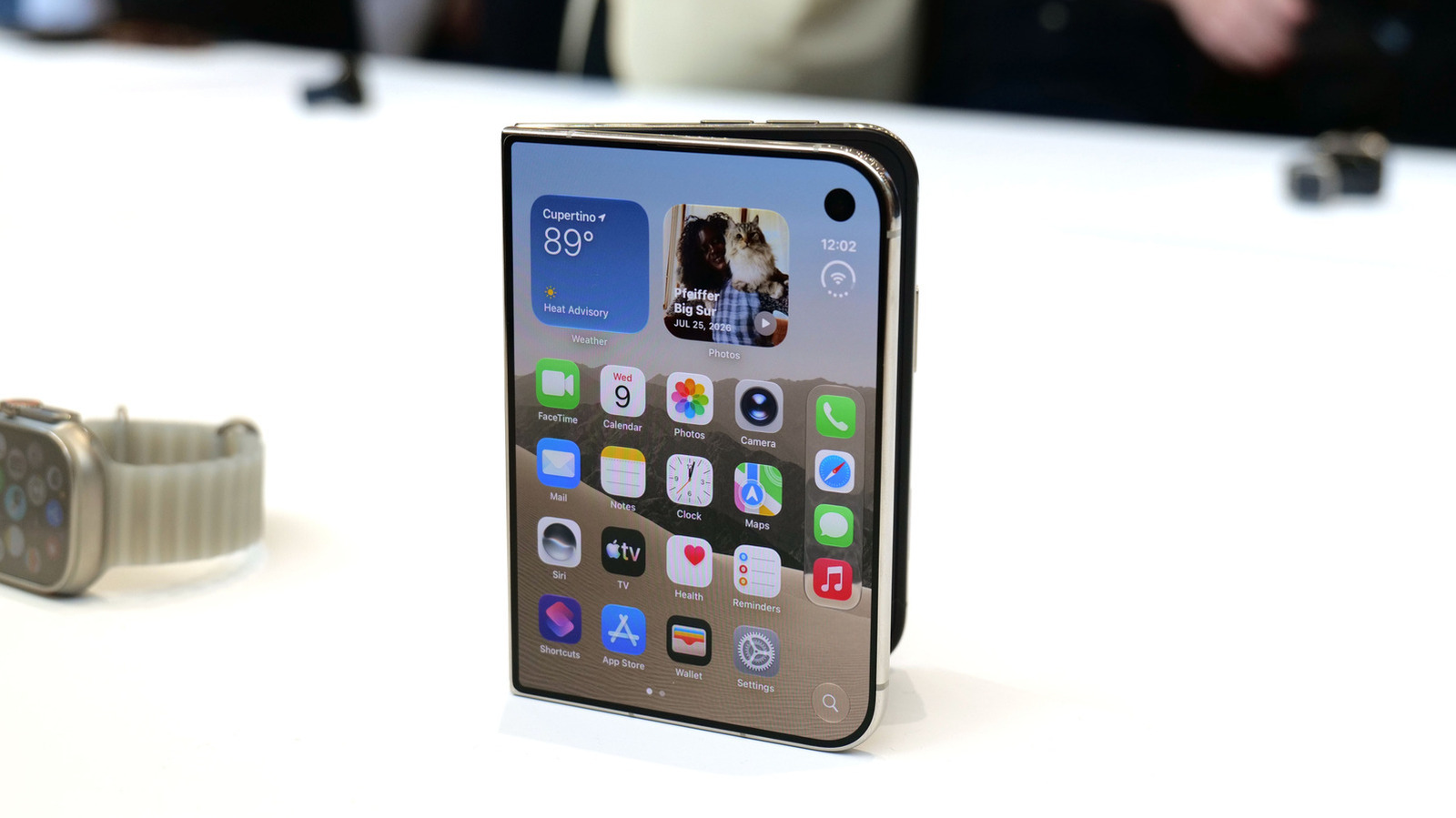
Apple iPhone Duo: A Daring Debut with Notable Compromises
Apple's highly anticipated iPhone Duo, priced at $2,000, has gone on pre-order. While hailed as "Apple's most exciting device in a decade" for its innovative foldable design and immersive display, it comes with significant drawbacks like the absence of FaceID and a premium camera.
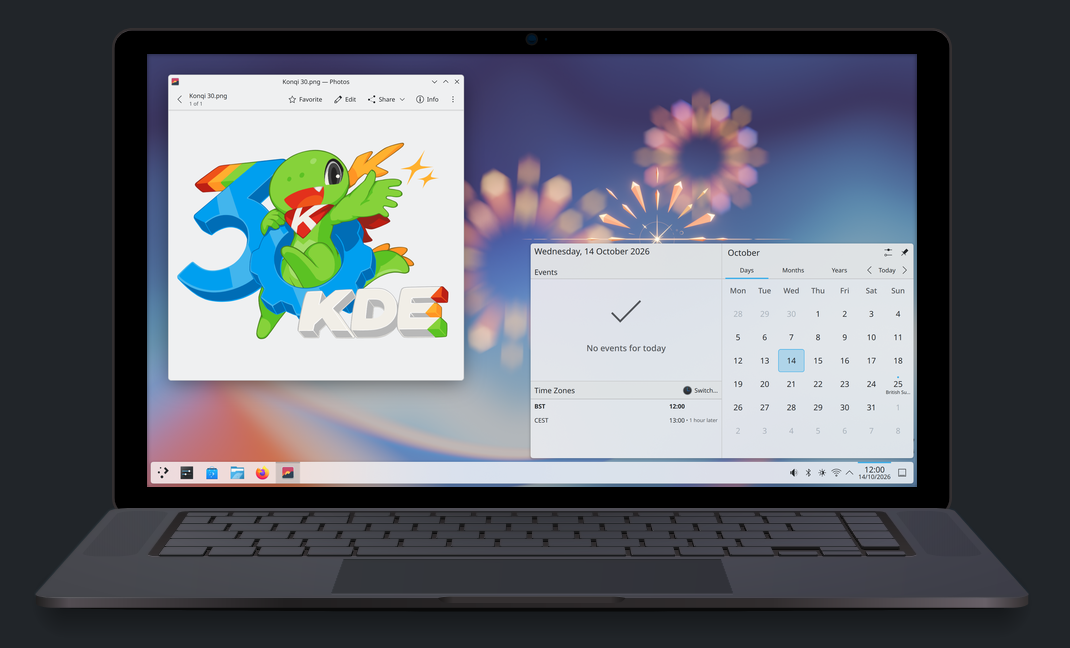
KDE Plasma 6.8: A Future-Focused 30th Anniversary Update
Quick Verdict KDE Plasma 6.8, arriving as the "30th Anniversary Edition," is a pivotal release that decisively pushes the desktop environment into the future. With a definitive farewell to native X11 sessions and a

Kojima Compares Divisive New Film 'Digger' to MGS2's Prescient Vision
Gaming icon Hideo Kojima has praised the divisive 2026 film *Digger*, drawing intriguing parallels to his own prophetic game, *Metal Gear Solid 2*. Both works, he explains, uniquely explore the dangers of misinformation and a fragmented digital reality, anxieties he shares with *Digger*'s director, Alejandro González Iñárritu.