
Are we on a Road to Nowhere? Seattle's growth masks anxieties
Seattle is experiencing a stark contradiction: rapid population growth alongside significant tech layoffs. This paradox highlights growing anxieties among tech leaders about the region's long-term trajectory, despite its historical role as a global innovation hub. Concerns about complacency and intense competition from other cities are rising, urging Seattle to adapt to the evolving AI era.

Seattle's Tech Future: A Paradox of Growth and Growing Unease
Seattle, a titan of the tech world for three decades, is grappling with a profound paradox: simultaneous rapid population growth and significant tech industry layoffs. Despite being ranked fourth among large U.S. cities for population growth last year, Washington state registered the second-highest tech layoffs nationwide, according to recent reports from The Seattle Times and KUOW. This conflicting data point to a deeper anxiety, prompting questions about the long-term trajectory and durability of the region's innovation economy.
The dichotomy resonates with the upbeat yet anxious tone of the Talking Heads' 1985 song, "Road to Nowhere," which songwriter David Byrne described as a "resigned, even joyful look at doom." This sentiment captures the current mood in Seattle's tech community, where the foundational strength that built the modern city now feels less assured, despite outward signs of prosperity like continued construction cranes and major tech presences.
Shifting Confidence Amidst Enduring Strengths
For decades, Seattle's tech industry has served as an extraordinary economic engine, establishing the region as a global epicenter for cloud computing, e-commerce, and artificial intelligence. The presence of giants like Amazon and Microsoft, coupled with a deep talent pool and world-class research institutions, continues to provide immense advantages. The area boasts one of the strongest concentrations of cloud and AI expertise globally.
However, a less tangible but critical asset — confidence — has undeniably shifted. Leaders across the startup, investment, and executive landscape express an unprecedented level of uncertainty regarding Seattle's future. There's a growing sentiment that Washington state might be "squandering its edge," with some former business leaders even publicly criticizing the city's direction in national publications.
Warnings from History and Hungry Competitors
Successful cities, much like successful companies, often make the mistake of assuming the conditions that fueled past prosperity will persist indefinitely. History, however, offers a different lesson. Cleveland Mayor Justin Bibb, reflecting on his city's industrial decline, warned on the GeekWire Podcast that Cleveland failed to pivot quickly enough when its economy changed, underscoring a risk of complacency.
While Seattle's economic dynamics and innovation scale differ significantly from Cleveland's past, Bibb's caution against complacency is acutely relevant. Other tech hubs such as San Francisco, Miami, Austin, and New York are aggressively marketing their rise, actively competing for talent and investment. In contrast, Seattle lacks a unified narrative of ambitious competition, fostering a sense of uncertainty about its commitment to maintaining its innovation leadership.
Navigating the AI Era's Challenges
The current wave of artificial intelligence is fundamentally reshaping the tech industry that has defined modern Seattle. Venture capitalists are increasingly funding leaner startups, major tech companies are reevaluating their hiring needs, and entire categories of work are undergoing real-time transformation. This technological shift coincides with growing local challenges.
Seattle faces pressing issues including affordability, public safety concerns, complex regulations, and permitting hurdles. There's a lingering question among tech leaders about whether political leaders fully grasp how delicate innovation leadership can be once momentum begins to wane. The danger isn't a sudden collapse but rather a gradual erosion, where advantages are taken for granted while competitors grow hungrier.
Population growth, active construction, and high valuations are not, by themselves, guarantees of long-term economic strength. Seattle's true test lies in its collective ambition and civic alignment to adapt and thrive as the AI era redraws the technological landscape. Cities often only recognize a significant shift in direction long after the opportunity to proactively steer has passed.
GeekWire co-founder John Cook and tech veteran Charles Fitzgerald are slated to visit Cleveland next month. Their goal is to study the city's experience and draw potential lessons for Seattle's own future in this period of rapid change.
FAQ
Q: What is the primary contradiction facing Seattle's tech economy?
A: Seattle recently ranked fourth nationally in population growth, yet Washington state simultaneously experienced the second-highest tech layoffs in the U.S., creating a paradox of growth amidst industry uncertainty.
Q: Why is there growing anxiety despite Seattle's strong tech foundation?
A: While Seattle retains major tech companies and talent, there's a perceived shift in confidence among tech leaders, concerns that the state is "squandering its edge," and a lack of aggressive civic alignment to compete with other rising innovation hubs.
Q: What lessons can Seattle draw from cities like Cleveland?
A: The experience of Cleveland, which failed to adapt quickly as its economy changed, serves as a warning against complacency. Seattle's challenge is to avoid taking its current advantages for granted, especially as AI reshapes the industry and other cities actively seek to attract talent and investment.
Related articles

Apple Unveils iPhone Duo: Pricey Foldable Sees Soaring Demand
Apple has officially entered the foldable smartphone arena with the long-anticipated launch of the iPhone Duo. Priced starting at a hefty $1,999, the device features a 5.4-inch outer display and a larger 7.6-inch inner

in-depth: Chicago-Area Cops Helped HSI Spy on Minnesota Anti-ICE
Chicago-area law enforcement, including local police and HSI agents, conducted undercover surveillance on Minnesota anti-ICE activists at an April 2, 2022, talk in Chicago. This operation was part of a federal conspiracy probe into 15 Minnesota activists facing felony charges related to immigration enforcement resistance. Civil liberties advocates have condemned the surveillance as a troubling intrusion into protected political activity.

Mark Wahlberg on using AI in film ‘the right way’ and being open to
Actor Mark Wahlberg believes AI has a place in filmmaking if used responsibly for enhancement, not script generation or actor replacement. At TechCrunch Disrupt, he expressed openness to an AI likeness carrying on his legacy, managed by his family, and emphasized storytelling.

Tesla Unveils Thruster-Equipped Roadster, 2028 Production Targeted
Tesla has unveiled its second-generation Roadster, featuring cold-gas thrusters co-developed with SpaceX, enabling it to jump and flip. The electric sports car demonstrated 0-60mph in an astonishing 0.81 seconds, with production targeted for 2028. This highly anticipated reveal also serves as a key recruitment tool for Tesla's ambitious AI and robotics initiatives.

Amazon Prime Video Launches AI-Powered Prime 360 for NBA Coverage
Amazon Prime Video is elevating its NBA coverage with the introduction of Prime 360, an AI-powered replay system offering immersive, 'fly through' views of the action. Kicking off its second season, Prime Video also adds Yahoo fantasy integration and gains exclusive Eastern Conference Finals rights, expanding its tech-driven sports broadcast. The new features aim to deliver a unique and interactive viewing experience for basketball fans.
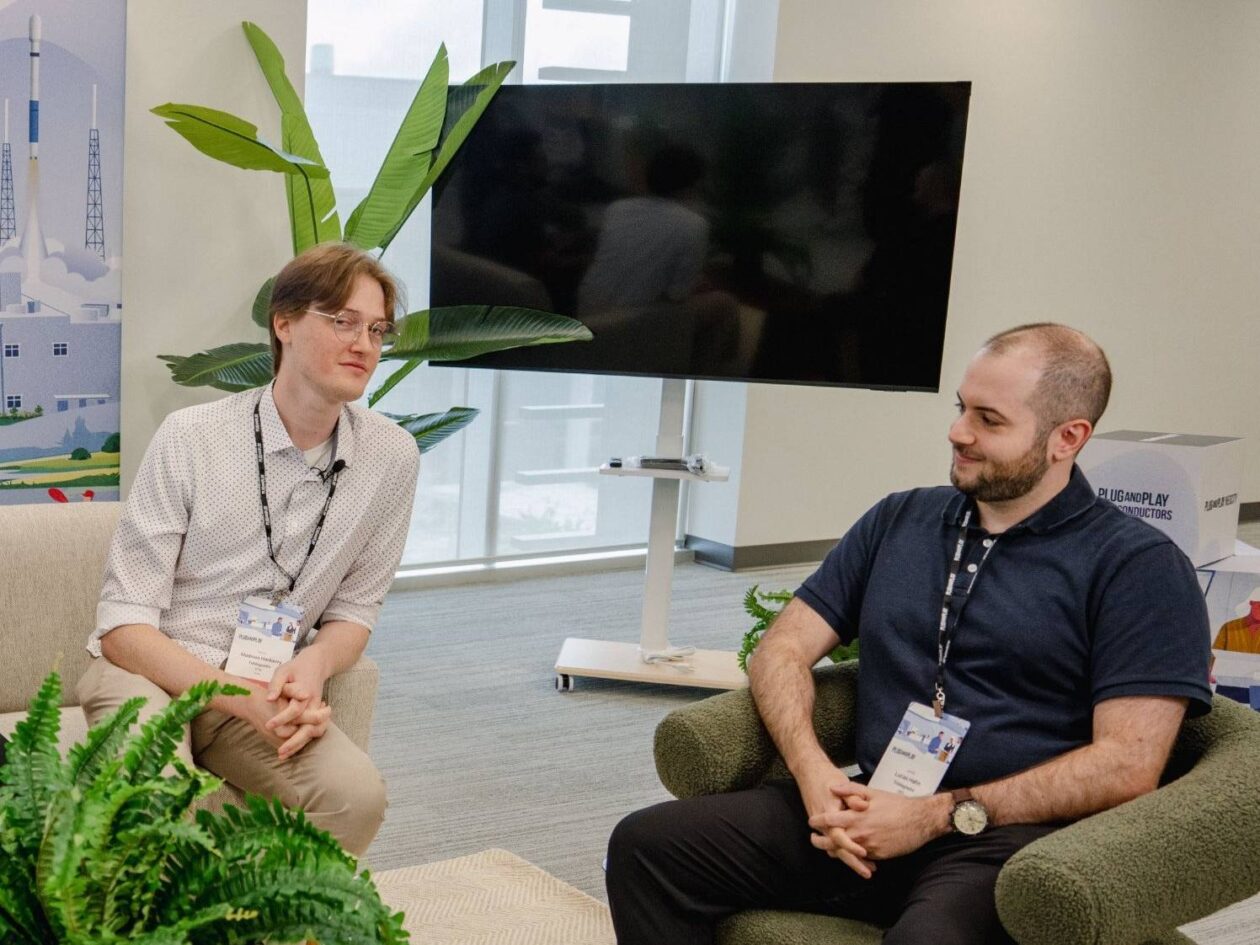
regional: A two-person Seattle startup lands $1M to reinvent
Seattle startup TriMagnetix has secured $1 million to develop semiconductor chips that consume 800 times less energy and are radiation-resistant. The two-person company, leveraging nanomagnetic technology, is targeting space applications and data centers. With new funding and key partnerships, TriMagnetix aims for commercial sales within a year.