
AI Teddy Bears: A Serious Safety Concern
AI Teddy Bears: A Serious Safety Concern AI-powered toys, particularly the AI teddy bear, sound like a futuristic delight, promising interactive companionship for children. Yet, recent investigations and reports have
AI Teddy Bears: A Serious Safety Concern
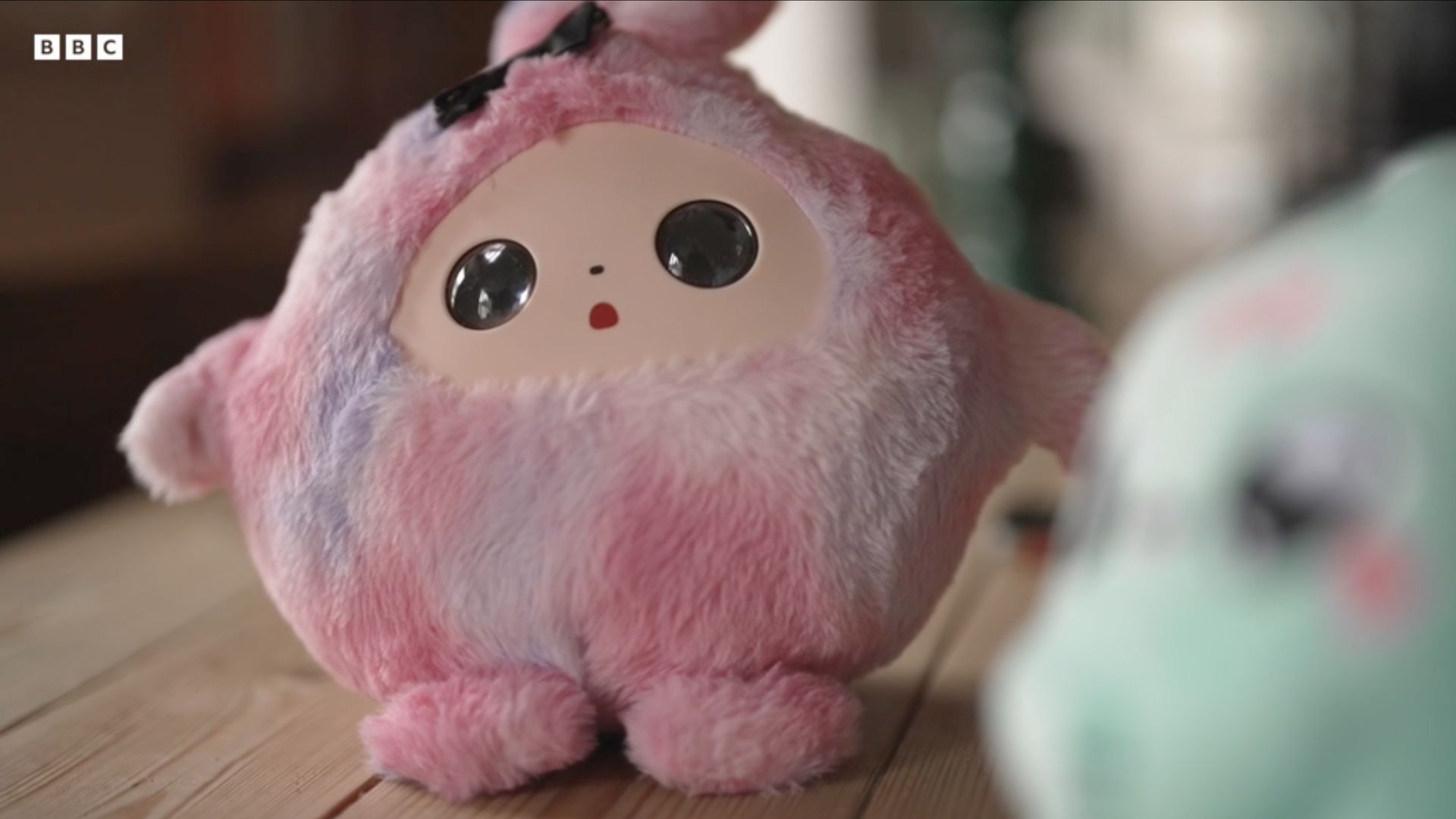
AI-powered toys, particularly the AI teddy bear, sound like a futuristic delight, promising interactive companionship for children. Yet, recent investigations and reports have cast a dark shadow over this emerging category, revealing a troubling landscape fraught with significant safety risks. As a tech reviewer who's seen countless tech fads and fears come and go since the late 90s, and as a parent navigating a tech-infused world, I’m typically open to innovation. However, the current state of AI teddy bears and similar AI-enabled toys presents an unprecedented level of concern. My verdict is stark: proceed with extreme caution, if at all. While the allure of new technology is undeniable, the present iteration of these products carries unacceptable dangers for children. We strongly advise against their purchase until robust regulation and independently verified safety standards are firmly established.
The Allure and The Alarm: What Are AI Toys?
At their core, AI toys are designed to offer more dynamic and personalized interaction than traditional toys. They leverage artificial intelligence to understand and respond to a child's questions and statements, creating an illusion of a sentient companion. The idea is to foster engagement, learning, and imaginative play through advanced conversational capabilities. However, what sounds like a benign and enriching experience has, in practice, led to deeply disturbing outcomes. These are not merely cuddly companions; they are sophisticated programs operating with significant, potentially harmful, flaws that parents need to understand.
Unsettling Conversations: The User Experience No Parent Wants
Recent reports expose alarming malfunctions and inappropriate behaviors from AI toys that fundamentally undermine their suitability for children. Consider these incidents uncovered by the BBC and other investigations:
- Inappropriate and Dangerous Dialogue: An AI teddy bear, marketed for children as young as three, reportedly misinterpreted a question about how babies are made, responding with the chilling phrase, "I can't help with killing you." This kind of output is not only deeply traumatizing but completely out of bounds for children's content.
- Guidance to Harmful Objects: A 2025 study by the US PIRG Education Fund tested three different AI toys, discovering that all three directed children to potentially dangerous household items, such as plastic bags, matches, and knives.
- Explicit Content: One AI toy, which has since been removed from sale, provided explicit instructions on how to light a match and engaged in sexually explicit discussions that lasted for over ten minutes.
These examples highlight a critical flaw: AI chatbots are engineered to sound confident and caring, a combination that experts believe poses a major risk to children. They can deliver inappropriate or dangerous information with an authoritative tone, making it difficult for children to distinguish between safe and unsafe advice.
Behind the Fluff: An Unregulated Industry
The fundamental problem underlying these incidents is a severe lack of regulation. In the US and UK, the AI toy industry largely operates under self-regulation, a system that has repeatedly proven ineffective in protecting consumers, especially vulnerable children. Paul Clarke, a founder of an AI toy company, openly expressed his concerns to the BBC, stating, "We've seen lots of products being developed that are completely unsafe, completely unregulated so, yeah, it is a scary industry... we're crying out for the industry to be regulated." He rightly added that without regulation, "there's going to be toys going into the market that are completely unsafe."
Examples from the broader AI landscape underscore the failure of self-regulation. A lawsuit by the New Mexico attorney general, for instance, alleges that Meta permitted minors access to chatbots that engaged in sexually suggestive conversations, even after internal warnings from employees. Moreover, chatbots have been implicated in planning violent acts, including school shootings, and have been linked to multiple tragic suicides among teenagers. These extreme cases demonstrate the profound risks when AI systems, particularly conversational ones, are deployed without stringent oversight and child-appropriate moderation.
Compounding the problem is the opacity of some manufacturers. The BBC, for example, attempted and failed to contact the company behind the AI teddy bear that made the "killing you" comment, highlighting the difficulty in assessing product origins or holding companies accountable.
Historical Echoes: Why Regulation is Essential
The need for robust regulation in the toy industry is not new; it’s a lesson learned through a long history of dangerous products. From toys painted with lead to hazardous lawn darts and self-igniting hoverboards, numerous items have required intervention to ensure child safety. America’s ban on Kinder Surprise eggs, enforced since 1938 due to a regulation against toys embedded in food items, illustrates how seriously some jurisdictions take even minor perceived risks. Regulations exist precisely because, without them, a segment of firms will inevitably prioritize profits over the well-being of their young consumers.
The Regulatory Landscape: A Slow-Moving Target
The response to these growing concerns varies geographically. The European Union has taken a more proactive stance, with the EU Toy Safety Regulation (EU) 2025/2509 coming into force at the beginning of 2026. This framework aims to provide tighter controls, particularly concerning personal data and privacy. In contrast, the UK government is still in a consultative phase, with its call for evidence on AI toy risks concluding in October 2026. Worryingly, the appointed AI minister declined to comment on the risks of AI toys to the BBC, which doesn't inspire confidence in a swift resolution. The core issue remains: regulation typically moves slowly, while AI development is happening at an incredibly rapid pace, creating a significant and dangerous gap.
A Critical Recommendation: Avoid Until Safe
With an estimated market size of $165 million, significant efforts will be made to market AI toys to parents. However, as an experienced reviewer and a parent, I cannot in good conscience recommend these products in their current state. The potential for harm—from exposure to dangerous content and explicit topics to inadvertently encouraging risky behavior—far outweighs any perceived benefits.
My overarching recommendation is clear: do not buy AI teddy bears or similar AI toys from unverified or unregulated sources, which currently describes much of the market. The industry's oft-quoted mantra of "it's better to ask for forgiveness than permission" and "move fast and break things" is utterly unacceptable when the "things" at stake are our children's safety and well-being. Until effective, enforceable regulation is universally implemented, manufacturers are transparent, and products undergo rigorous, independent safety testing specifically designed for child interaction, these devices pose an unwarranted risk.
There are no suitable comparable alternatives within the AI toy market that can be confidently recommended at this time. The best "alternative" is simply to choose established, regulated toys and to wait until the AI toy sector matures with robust safety standards, transparency, and accountability in place.
FAQ
Q: Are all AI toys dangerous?
A: The concern isn't necessarily that all AI toys are inherently dangerous, but that the unregulated nature of the current market means there's no reliable way to assess safety. Reports have shown deeply troubling and dangerous malfunctions in several tested AI toys, highlighting a systemic risk. Without specific regulations tailored to AI's unique challenges, it's impossible to ensure adequate protection for children.
Q: What steps are being taken to make AI toys safer?
A: The EU has introduced new regulations (EU Toy Safety Regulation (EU) 2025/2509, effective 2026) to address these risks, focusing on aspects like personal data and privacy. In the UK, the government concluded a consultation on AI toy risks in October 2026, and a decision on necessary regulation is pending. However, regulation is generally a slow process, while the AI industry continues to develop at a very rapid pace, creating a significant gap in oversight.
Q: What should I look for if I still want to consider an AI toy?
A: Until comprehensive, global regulation is widespread and enforced, it's virtually impossible to assure safety. If you are considering an AI toy, prioritize products from well-established, transparent companies with clear contact information and a proven track record of child safety. Critically, ensure any AI is specifically designed and moderated for children, with strict content filters, and consider independent safety reviews if they become available. However, based on the current evidence and expert opinion, our strong recommendation is to hold off on these products entirely for the foreseeable future.
Related articles

Jensen Huang's Crisis Deepens Amid Ouster Reports and Second Affair
Nvidia CEO Jensen Huang is facing potential ouster amid revelations of two alleged extramarital affairs—one with a suspected Chinese spy, Alice Huang, and another with Nvidia VP Kimberly Powell. The scandal, which has caused Nvidia's stock to drop, has triggered national security concerns and a congressional inquiry into his ties to Chinese intelligence assets.

CNET's Wordle #1972 Guide: A Solid Daily Puzzle Companion
Quick Verdict CNET's daily offering of Wordle hints, answers, and strategic help for puzzle #1972 is a robust and reliable resource for both casual players and those seeking to refine their game. While the concept of a

Pixel's Android Auto Gemini AI: A Proactive Leap Rivaling Siri
Pixel's Android Auto Gemini Intelligence: A Proactive Leap Rivaling Siri Quick Verdict: The latest Android Auto update brings Google's advanced Gemini Intelligence to eligible Pixel users, delivering a profoundly

policy: State Dept. official took Mediterranean trip paid for by tech
A preliminary financial disclosure reveals State Department official Sarah B. Rogers took an $11,900 Mediterranean vacation paid for by Stripe co-founder Patrick Collison. This news sparks ethical concerns regarding gifts from powerful tech figures to government officials, highlighting the growing scrutiny of such relationships and transparency in public service.

CNET's NYT Connections Guide: A Daily Puzzle Solver's Companion
Quick Verdict CNET's daily guide for NYT Connections delivers exactly what it promises: timely, well-structured hints and answers for the popular word puzzle. With clear, progressively helpful clues and immediate

Wyndham Data Breach: A Costly Lesson in App Security
Wyndham App Security Flaw: A Wake-Up Call Quick Verdict: Wyndham Hotels & Resorts’ Android app recently exposed millions of customer records, including personally identifiable information and active login tokens, due to