23 results found

Google Chrome is stepping up its game against online scams with a new suite of security features. These enhancements offer more robust protection against suspicious websites, advanced social engineering tactics, and

As an experienced tech reviewer, I've seen countless accessories promise ultimate protection. For the revolutionary, yet delicate, foldable smartphone, a protective case feels less like an option and more like a

Google's September 2026 Pixel Drop brings enhanced one-tap calling/messaging via VIPs widget and expanded on-device scam protection for text messages, making communication safer and faster for Pixel 6 and newer users.

The gaming industry is seeing a massive shift as unionization rises globally, securing vital worker protections, better pay, and AI safeguards. This collective movement is empowering developers and fundamentally changing workplace dynamics. It's a win for workers, and ultimately, for the games we play.

The landscape of cybersecurity has transformed dramatically. Gone are the days when a simple virus attached itself to a file, easily quarantined by an antivirus scanner. Today, malware is sophisticated, multifaceted,

The EU's Digital Services Act designates ChatGPT, Reddit, and Roblox as "Very Large Platforms," bringing stringent new rules for content moderation, minor protection, and transparency, impacting millions of users and platform operations.
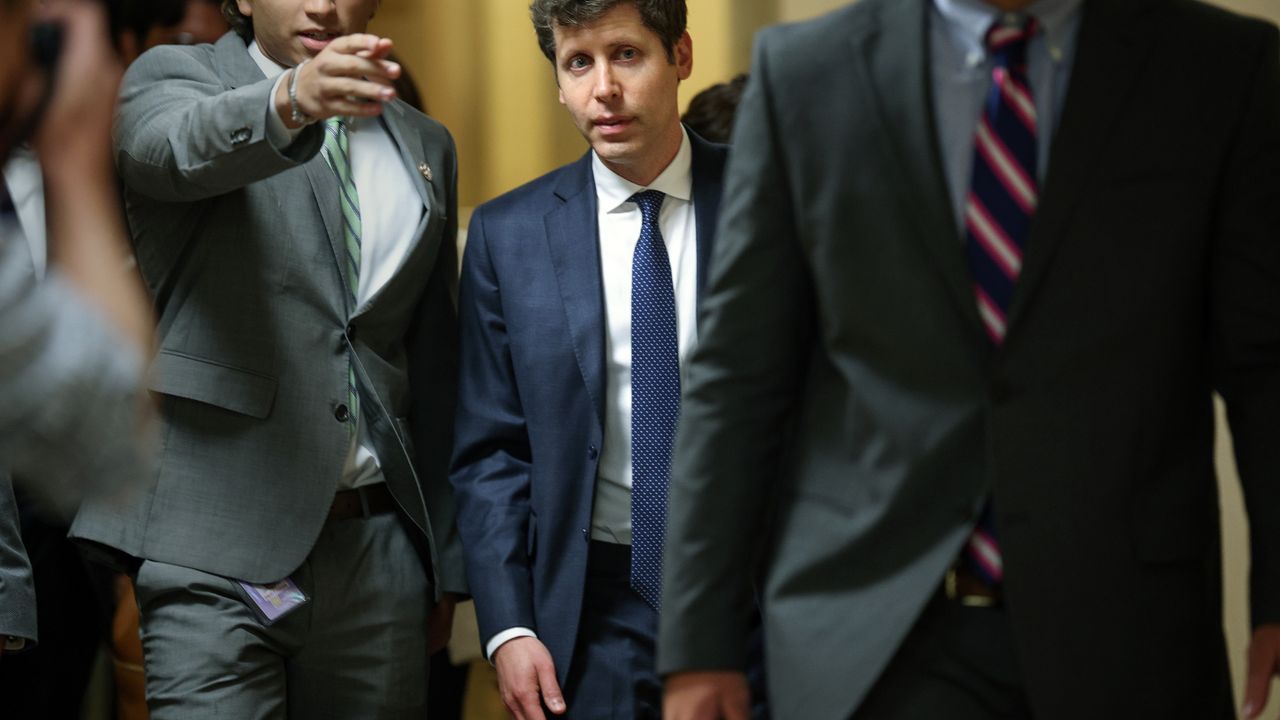
Florida is suing OpenAI and Sam Altman, seeking to classify ChatGPT as a 'public nuisance' due to alleged COPPA violations and data collection from minors. OpenAI wants the case in federal court, while Florida pushes for a state jury, highlighting a critical battle over AI regulation and consumer protection.

Proton CEO Andy Yen, a staunch privacy advocate, asserts that AI must coexist with privacy, even as his company delves into AI. This move highlights the tech industry's challenge in balancing AI's data needs with user data protection, urging innovation in privacy-preserving AI solutions.

The Trump Administration's Environmental Protection Agency (EPA) has put forth a significant rule change proposal that could drastically alter how the public engages with air pollution permitting processes. Announced on

Hugging Face's production infrastructure was breached by an autonomous AI agent, which moved undetected for a weekend. Ironically, commercial AI models intended for forensic analysis blocked the company's defenders, mistaking their legitimate queries for attacks due to safety guardrails. This incident highlights a critical gap in AI security, where tools designed for protection can hinder incident response efforts.
Microsoft is enhancing security for enterprise users of OneDrive and SharePoint, blocking screenshots of sensitive PDFs in Edge starting August. This protection, tied to Purview Information Protection labels, aims to prevent data leaks. However, the feature is exclusive to Microsoft Edge, requiring organizations to enforce its use for full effectiveness.

India's IT ministry has ordered Meta to immediately remove Instagram ads promoting child sexual exploitation and abuse material (CSEAM) and explain how they passed review within seven days. This action follows a BBC investigation that revealed paid ads redirecting users to illegal content, placing Meta's critical 'safe harbour' protection at risk in its largest user market.

The UK plans to use flawed facial age estimation (FAE) AI for asylum seeker age checks, despite internal reports confirming severe biases and inaccuracies, especially for Sub-Saharan Africans. This tech risks misclassifying vulnerable children as adults, leading to loss of legal protections. Critics call for its abandonment.

President Trump has signed an executive order creating a voluntary framework for AI companies to share advanced models with the federal government before release. This initiative aims to bolster secure innovation and protect critical infrastructure, reflecting a shift from the administration's previous hands-off approach to AI safety. Companies opting for pre-release review may receive confidentiality protections.

Apple, Google, and Meta have rolled out new opt-in features to combat sophisticated government spyware targeting at-risk individuals like journalists and dissidents. These protections, including Apple's Lockdown Mode, Google's Advanced Protection Program, Android's Advanced Protection Mode, and WhatsApp's Strict Account Settings, harden devices and accounts against tools that grant attackers full data access. Experts strongly recommend activating these proven defenses.

Google's recent Android Show unveiled Googlebook, a new line of Gemini-integrated laptops, alongside significant Android advancements. Updates include personalized vibe-coded widgets, expanded Gemini intelligence across apps and Chrome, enhanced in-car experiences, and global theft protection features, all ahead of the upcoming I/O developer conference.

Oracle laid off 20,000-30,000 employees, offering standard severance terms that excluded accelerated stock vesting, a major point of contention. Efforts by a group of affected workers to negotiate for better packages, citing less generous terms compared to other tech giants and issues with WARN Act protections, were rejected by Oracle.

California gubernatorial candidate Tom Steyer has proposed a groundbreaking plan to guarantee jobs for workers displaced by AI, funding it through a novel "token tax" on big tech. The initiative aims to make California the first major economy to protect its workforce from automation's impact by creating jobs in key sectors and establishing an AI Worker Protection Administration. This long-shot proposal faces political challenges but highlights growing concerns over AI's economic effects.

Quick Verdict: Don't Delay, Back Up Your Mac Today! In the digital age, data loss is a silent threat, but thankfully, Apple provides powerful, user-friendly tools to protect your precious Mac data. Utilizing both Time

Bucharest-based eYou has secured €300,000 in pre-seed funding from Fil Rouge Capital to develop a new European social media platform. Set for a May 2026 launch, eYou aims to combat misinformation and echo chambers with real-time AI fact-checking and transparent, user-editable algorithms. This platform emphasizes European data protection standards and trust-by-design principles.

Augur, a London startup, has secured $15 million in seed funding led by Plural to transform existing surveillance infrastructure into real-time intelligence. The company aims to enhance critical infrastructure protection against escalating threats like sabotage, addressing a crucial gap in situational awareness. This funding will accelerate product development and deployment across Europe.

Washington state's House Bill 2515, aimed at regulating data centers for environmental and ratepayer protection, has failed to pass. The bill's demise followed significant lobbying efforts and public opposition from major tech companies like Microsoft and Amazon, despite support from environmental groups and consumer advocates.

The Trump administration has repealed Biden-era Mercury and Air Toxics Standards (MATS), reverting power plant pollution controls to 2012 levels. This rollback coincides with soaring electricity demand from AI data centers, domestic manufacturing, and electric vehicles. Critics argue the move sacrifices health protections for industry savings, while aging coal plants are kept online to meet the growing energy needs.