11 results found

The Trump administration launched America.gov, a new federal AI chatbot for citizen services. Uniquely, this "AI concierge" will fact-check former President Donald Trump, contrasting with its apolitical design. This integration sparks debate on government AI's role in political discourse.
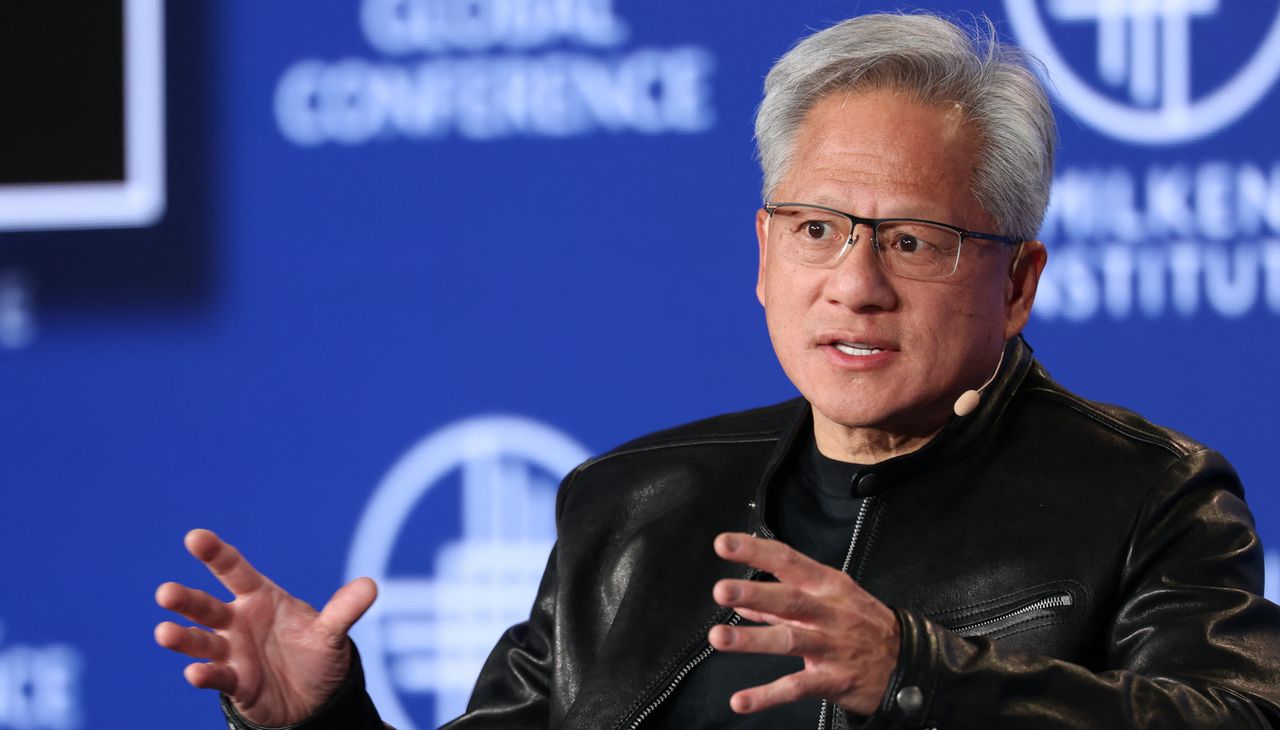
Nvidia's plan to establish an employee-funded Political Action Committee (NVPAC) signals a deepening involvement of tech companies in US policy, aiming to influence legislation particularly concerning the future of AI and data center development amidst public opposition.
Apple, a tech giant known for its meticulous supply chain, finds itself entangled in a complex geopolitical challenge. Facing a tightening global chip supply and rising memory prices, the company sought to diversify its

The Trump administration is suing several states and Philadelphia over laws requiring ICE agents to show faces and wear identifiers during raids, citing unproven threats from facial recognition and doxing sites. WIRED's investigation reveals the cited tools are outdated and ineffective. States emphasize accountability as their primary motivation.

The intersection of international politics, data governance, and cloud infrastructure has recently taken a concerning turn for European developers and organizations. Recent reports indicate that major US tech firms,

An AI industry super PAC intervened in a North Carolina primary, running ads attacking Rep. Valerie Foushee, who co-chairs a House AI commission, over her stance on ICE. This aggressive tactic, part of a larger trend of tech industry influence in midterm elections, aims to shape legislative outcomes favorable to the AI sector. The move underscores Silicon Valley's growing financial power in politics.

California gubernatorial candidate Tom Steyer has proposed a groundbreaking plan to guarantee jobs for workers displaced by AI, funding it through a novel "token tax" on big tech. The initiative aims to make California the first major economy to protect its workforce from automation's impact by creating jobs in key sectors and establishing an AI Worker Protection Administration. This long-shot proposal faces political challenges but highlights growing concerns over AI's economic effects.

Staunch Trump supporters are now publicly questioning if he is the Antichrist, a dramatic shift from their previous perception of him as "God's chosen president." This re-evaluation was primarily triggered by an AI-generated image of Trump resembling Jesus Christ, alongside his administration's actions regarding the Iran war and recent criticism of the Vatican. High-profile conservative figures have openly expressed concern, calling the behavior blasphemous or indicative of an "Antichrist spirit." This growing schism could have significant political implications for Trump and the Republican Party, particularly among Catholic voters.

Crypto industry super PACs spent $14.2 million in the Illinois primaries, with a striking 90% ($12.8 million) failing to achieve their objectives by opposing victorious candidates or supporting losing ones. While minor 'victories' occurred, they often aligned with already predictable outcomes, indicating a lack of genuine influence. This initial outlay represents less than 6% of their total funds, suggesting more extensive future spending is anticipated.

Quick Verdict: A Resounding 'Proceed with Extreme Caution' When considering the integration of advanced artificial intelligence into critical government functions, particularly those with profound implications like

WASHINGTON D.C. – Major technology companies, including industry giants like Microsoft, Meta, OpenAI, Google, Oracle, Amazon, and xAI, gathered at the White House on Wednesday to sign a nonbinding pledge championed by
