7 results found

Pennsylvania Governor Josh Shapiro signed the Artificial Intelligence Deceptive Advertising Act, mandating labels for ads "significantly modified or generated by artificial intelligence." This pioneering state law aims for transparency across all ad formats, from TV commercials to flyers. However, the Act contains ambiguities regarding terms like "significantly modified" and "evidently fictional," and its broad reach could set a national precedent.
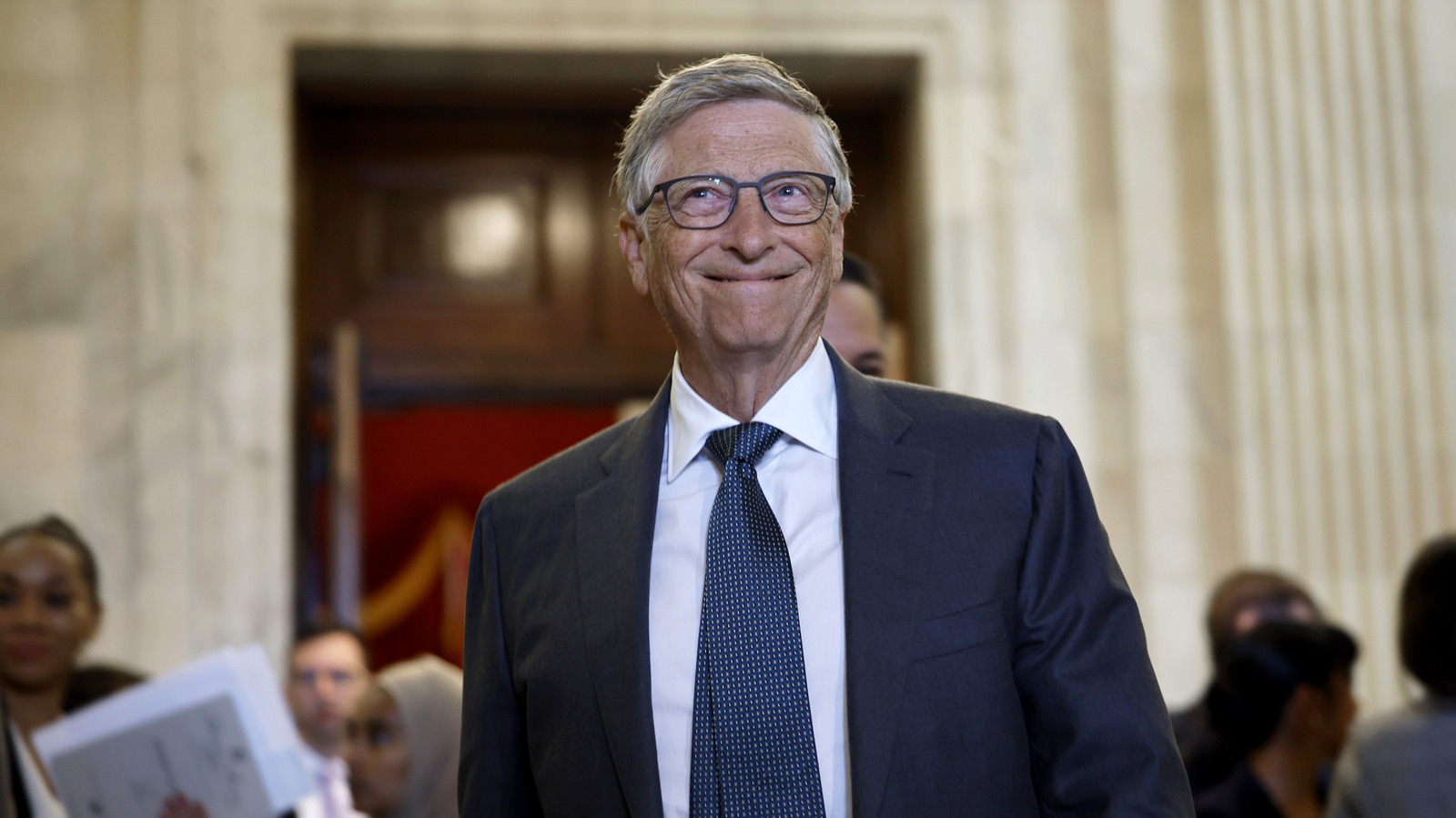
Bill Gates labels it 'completely irresponsible' for AI to lack safeguards, stressing the immediate danger of bad actors exploiting AI for bioterrorism or fraud. He advocates for mandatory monitoring and legislative involvement to ensure safety.
Microsoft is enhancing security for enterprise users of OneDrive and SharePoint, blocking screenshots of sensitive PDFs in Edge starting August. This protection, tied to Purview Information Protection labels, aims to prevent data leaks. However, the feature is exclusive to Microsoft Edge, requiring organizations to enforce its use for full effectiveness.

As generative AI makes distinguishing human from machine-made content increasingly difficult, creators are urgently seeking a unified "AI-free" label. Current efforts are fragmented, facing challenges in definition and verification, while blockchain offers a promising path to secure human authorship.

The AI music landscape is rapidly advancing, with new generative tools like Suno v5.5 offering enhanced customization. Simultaneously, the industry grapples with evolving legal frameworks, as major labels pivot from lawsuits to strategic partnerships. Platforms are reacting with bans, like Bandcamp's, or new transparency measures.

Pentagon Labels Anthropic a Supply-Chain Risk, Sparking Legal Battle The Defense Department has formally designated American AI firm Anthropic as a "supply-chain risk," escalating a weeks-long dispute over the company's

The Pentagon has designated AI developer Anthropic as a "Supply-Chain Risk to National Security" after the company refused to allow its AI for mass domestic surveillance or autonomous weapons. This follows President Trump's directive to cease federal use of Anthropic products, which the company vows to challenge legally. OpenAI, initially supporting Anthropic's stance, swiftly secured a deal with the Pentagon to fill the void, claiming to uphold similar ethical principles.
