16 results found

Litigation firm Quinn Emanuel warns of potential lawsuits stemming from the AI data center debt boom, citing rapid AI chip depreciation and interconnected financing risks. A client alert names Google, Meta, CoreWeave, and Oracle deals as flashpoints, highlighting concerns over off-balance-sheet debt.
Open OSCAR Server is an open-source, Go-based instant messaging server compatible with classic AIM and ICQ clients. It enables developers and enthusiasts to self-host a private IM server, reviving the functionality of these legacy platforms. The project boasts broad client compatibility, detailed protocol implementations, and a management API for administration.
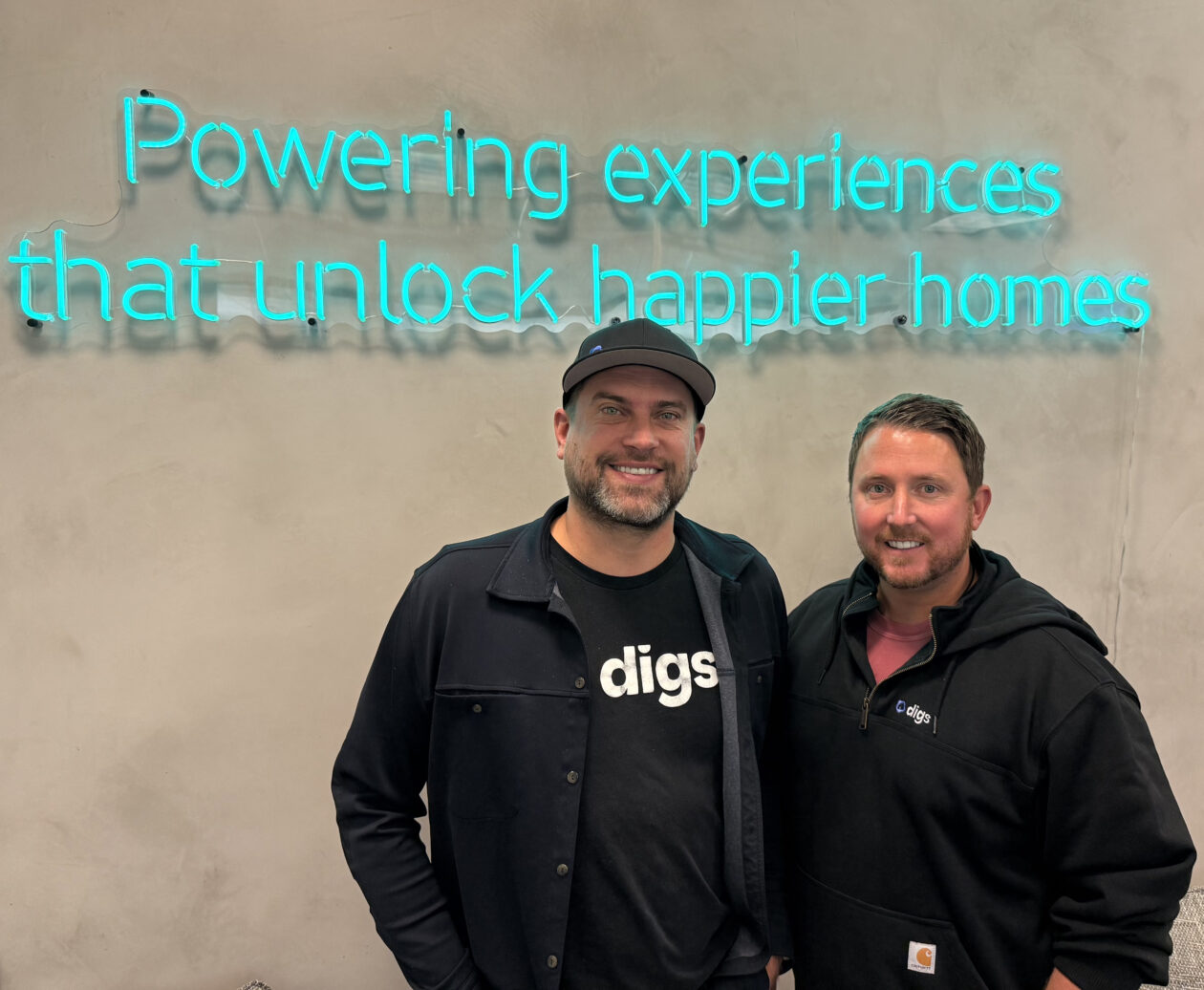
Vancouver-based AI startup Digs has secured $25.3 million in Series A funding, led by building products giant Builders FirstSource, and inked a five-year partnership. This collaboration integrates Digs' AI platform into Builders FirstSource's ecosystem, offering advanced tools to 140,000 builder clients. The technology aims to create "digital twins" of homes, streamlining construction and maintenance.

Applied Computing, a London-based startup, has secured $20 million in Series A funding to advance its foundation AI model, Orbital, for the oil, gas, and petrochemical industry. Orbital aims to integrate disparate data sources—sensor readings, engineering data, and physics models—to provide real-time operational insights, drastically reducing investigation times and enhancing efficiency. The company plans to use the capital for international expansion, hiring, and new client deployments, building on its rapid growth and strategic partnerships with industry giants like KBR.

Meta Platforms saw its stock surge 15% last week, the best run since early 2024, following the unveiling of "Meta Compute." This new initiative aims to monetize Meta's extensive AI infrastructure by selling computing capacity and models to external clients, addressing investor concerns over massive AI spending. While Wall Street embraced the potential for significant EPS growth, Meta faces challenges, including its lack of experience in the cloud market and competition from entrenched hyperscalers.

This article guides developers through building a browser-based PDF OCR to Text converter using JavaScript. It explains the problem of unsearchable scanned PDFs, details how client-side OCR works with PDF.js and Tesseract.js, and covers implementation steps for document upload, page preview, configurable OCR settings, text extraction, and progress tracking. The solution emphasizes privacy and performance by processing documents locally in the browser.

This article guides developers through building a browser-based PDF analyzer using JavaScript, emphasizing client-side processing for privacy and speed. It covers the problem of manual PDF inspection, the benefits of automation, and a practical implementation using `PDF-lib`, `PDF.js`, `Tesseract.js`, and `Chart.js`. The tutorial details workflow from file upload and preview to configurable analysis and report export.

Sakana AI has launched Marlin, an "ultra deep research" agent designed for enterprise clients. Operating as a "Virtual CSO," Marlin conducts self-governing reasoning for up to eight hours to deliver comprehensive, 100+ page strategy reports. Powered by Adaptive Branching Monte Carlo Tree Search (AB-MCTS) and a multi-LLM architecture, it focuses on deep, vetted analysis over quick generation, backed by strict data privacy policies and significant venture capital.

Rush Digital Marketing has launched Nexus Install, a 60-day program that builds and transfers ownership of a LinkedIn lead-generation system to coaches and consultants. It addresses a market gap by combining implementation with client autonomy, aiming for predictable client acquisition. This model empowers professionals to manage their growth systems independently.
Volkswagen Locks Down: Home Assistant Integration Fails For developers and enthusiasts leveraging platforms like Home Assistant to integrate their digital lives, a recent change by Volkswagen Group has thrown a

Compliance startup Delve has been removed from Y Combinator's portfolio amidst accusations of fake compliance, misleading clients, and data issues. This follows Insight Partners' earlier distancing. Delve's leadership attributes the claims to a malicious attack and has apologized, outlining steps to restore customer trust.

This guide details building a reliable personal financial assistant using the Model Context Protocol (MCP) and a "Narrator" architectural pattern. By separating deterministic data computation in Python from LLM narration, the system ensures factual accuracy, reduces hallucinations, and provides auditable, data-backed financial insights. It covers MCP client wrappers, budget enforcement, simple request parsing, and precise metric calculation.

This article demonstrates how to build a browser-based image converter using JavaScript, leveraging client-side APIs to ensure fast, private, and efficient image processing. It covers setting up a basic HTML interface, reading local files with `FileReader`, converting images via the `Canvas` API's `toDataURL` method, and enabling direct downloads. The guide also discusses practical considerations like handling large images, controlling JPEG quality, and ensuring robust input validation.

Landing your first few freelance clients can feel like a formidable challenge, especially when navigating the dynamic landscape of modern software development. Many talented developers excel at coding but struggle with
Nscale, a London-based AI data center company, has secured $2 billion in funding from investors including Nvidia, boosting its valuation to $14.6 billion. Adding to its momentum, former Meta COO Sheryl Sandberg will join Nscale's board as an adviser. Led by former coal miner Josh Payne, Nscale is rapidly expanding its infrastructure to meet the surging demand for AI computing power from clients like Microsoft and OpenAI.
SplatHash offers a novel approach to image placeholders, encoding any image into a fixed 16-byte string (22-char base64url). It stands out with significantly faster decoding and lower memory allocations compared to alternatives like BlurHash and ThumbHash, making it ideal for performance-critical UIs where client-side rendering speed is paramount. It uses Oklab color space and Gaussian blobs packed into 128 bits.
