6 results found
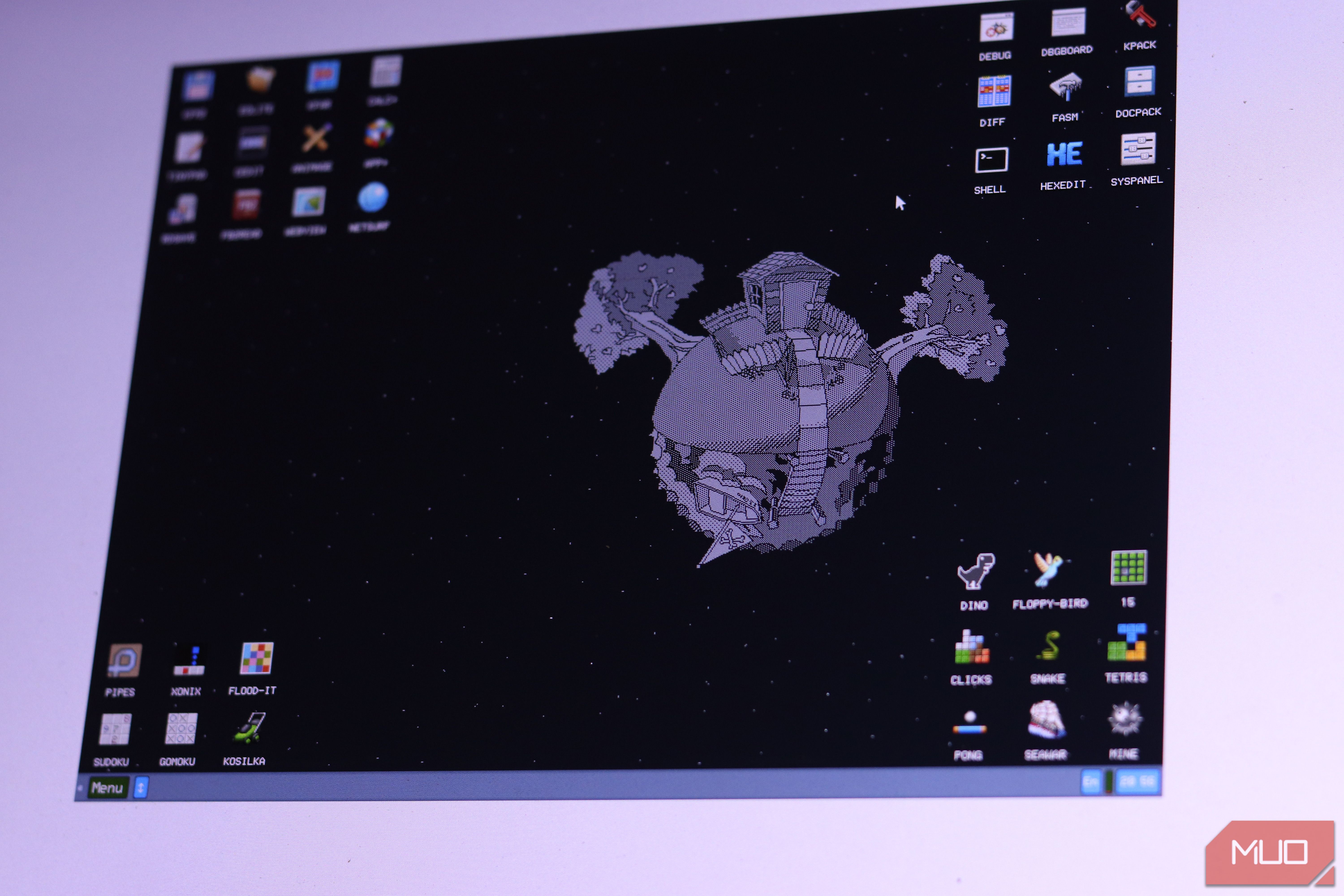
Welcome to a guide on KolibriOS, an incredibly small yet powerful operating system that challenges the notion of modern software bloat. In an era where operating systems demand gigabytes of storage and memory, KolibriOS
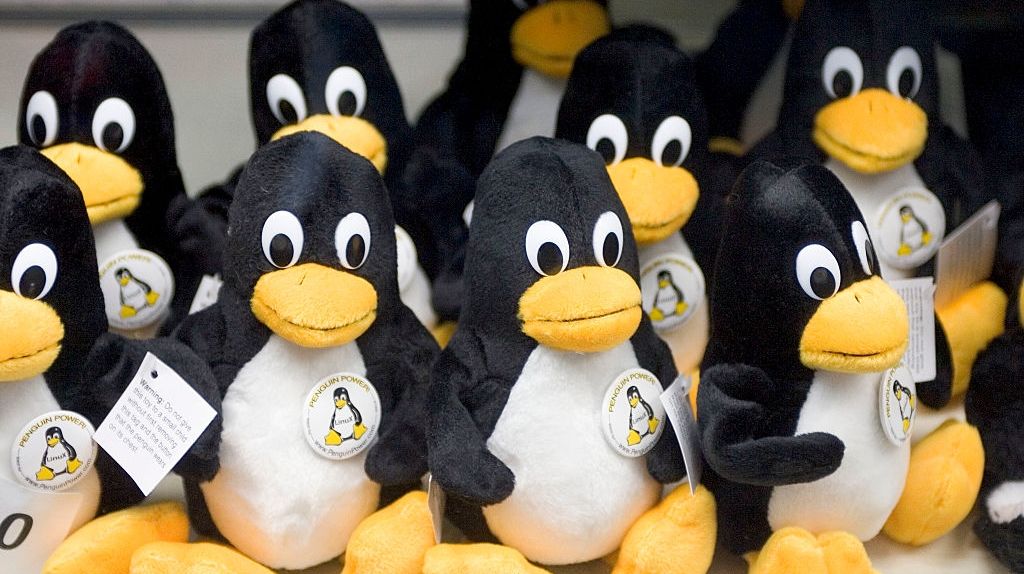
California's proposed amendment, AB 1856, aims to exempt open-source operating systems like Linux from its upcoming Digital Age Assurance Act, addressing significant backlash and practical concerns for decentralized platforms. This pragmatic step is a win for privacy and open-source principles.
Hardware-based attestation, exemplified by Apple's App Attest and Google's Play Integrity APIs, is increasingly being used to verify device integrity. While presented as a security feature, this trend is effectively locking out alternative operating systems and hardware, enforcing a duopoly. This extends to web services via initiatives like reCAPTCHA Mobile Verification, creating significant anti-competitive challenges by mandating certified mobile devices for access.

For developers who've navigated the intricate waters of Makefile syntax, grappled with elusive tab-versus-spaces bugs, or struggled to achieve consistent builds across diverse operating systems like Linux, macOS, and

The Verge's Senior Reviews Editor, Nathan Edwards, has successfully transitioned his main desktop to Linux (CachyOS) for three months, expressing no desire to return to Windows. Despite minor troubleshooting, he finds the open-source OS "calmer and more robust," appreciating the self-directed nature of problem-solving inherent in Linux's modular design. The shift highlights Linux's growing viability for daily computing and gaming.
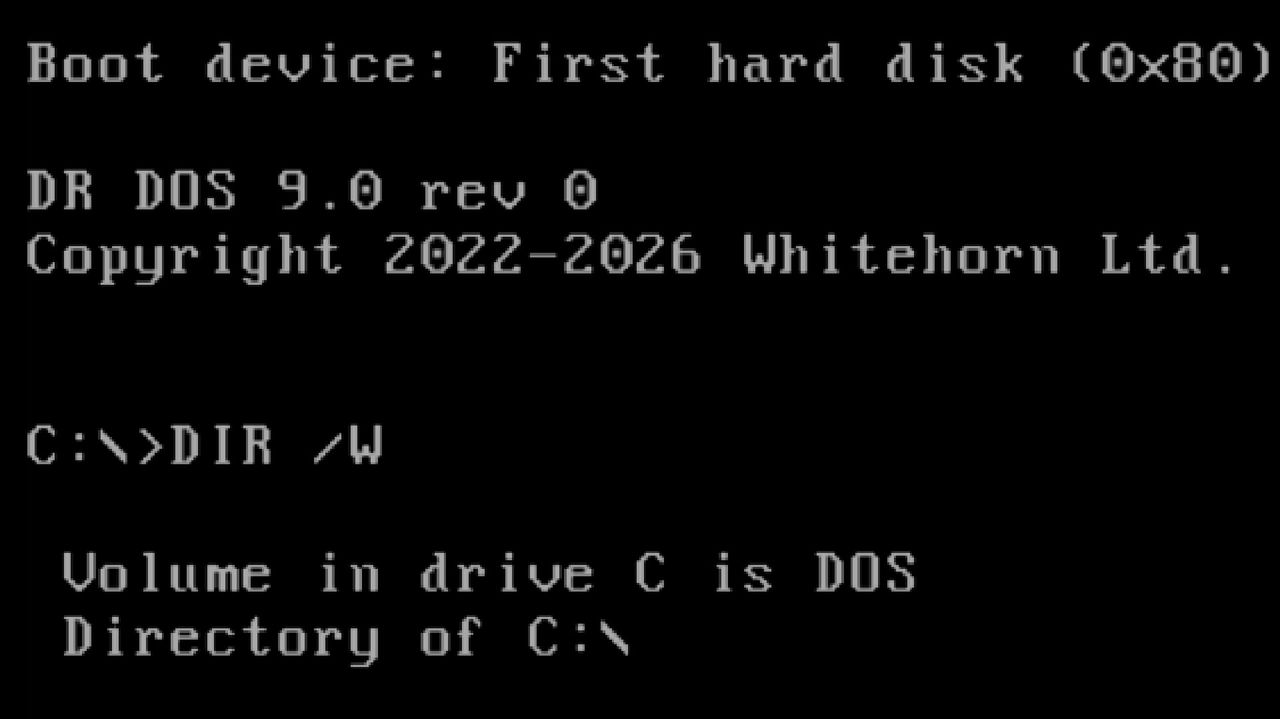
Quick Verdict DR-DOS 9.0 is a fascinating, ambitious project: a complete, clean-room reimplementation of the classic operating system, now in early public beta. It successfully runs a range of cherished
