10 results found
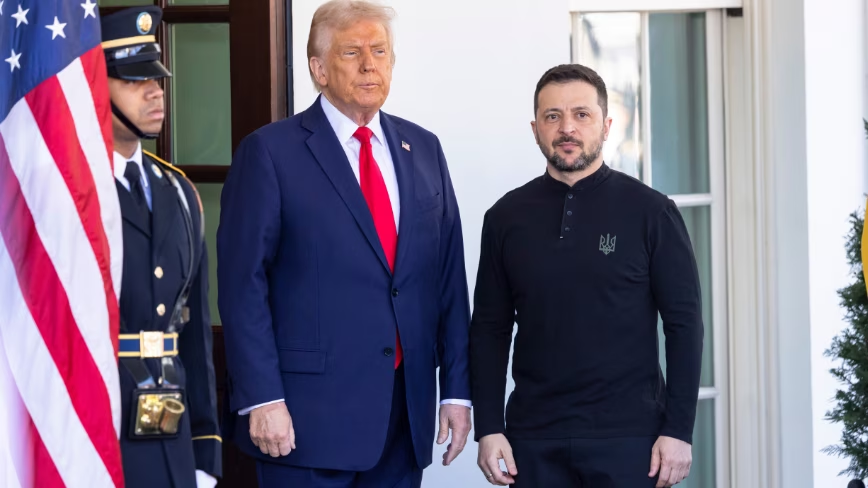
Ukrainian President Volodymyr Zelensky has reportedly asked Donald Trump to sanction Russian and Chinese companies developing "Rassvet," a satellite internet network intended as a Starlink rival. Zelensky raised the issue multiple times, including recently in New York, according to the Financial Times. Ukraine views Rassvet as a critical threat, as it would provide Russia with an independent, secure communication system for its military, potentially operational by early next year.

Apple's base iPhone 18 model will skip its traditional fall 2026 launch and instead arrive in early 2027, according to supplier Pegatron. This delay, attributed to chip shortages, means Apple will prioritize its high-end iPhone 18 Pro series and a new foldable for the autumn release. The strategic shift aligns with earlier analyst predictions amid global supply chain challenges.

A recently laid-off Meta employee has been detained by US immigration agents in El Paso, Texas, according to internal company communications. The incident highlights the critical vulnerability of visa-holding tech workers during mass layoffs and has sparked urgent concern among current Meta staff.

Epic Games is exploring AI for Fortnite development, aiming for efficiency, not job replacement, according to Senior External Development Manager Stephanie Arnett. While community concerns exist, especially regarding generative AI art, Epic says its goal is to help human developers work faster. This move comes amid Epic's recent layoffs and cost-saving plans, placing them among other industry giants like Take-Two and Naughty Dog also embracing AI.

Apple's first foldable iPhone is reportedly on track for a September launch alongside the iPhone 18 Pro and Pro Max, according to a new report from Bloomberg's Mark Gurman. This news mitigates earlier concerns about potential delays due to engineering complexities, suggesting Apple has made significant strides in addressing screen quality, durability, and crease visibility issues. The highly anticipated device is poised to position Apple as a strong competitor in the growing foldable smartphone market.

Family SUVs have become a default for many households, offering perceived space and versatility. However, with rising prices and fuel costs, they aren't always the most practical or cost-effective choice. This guide
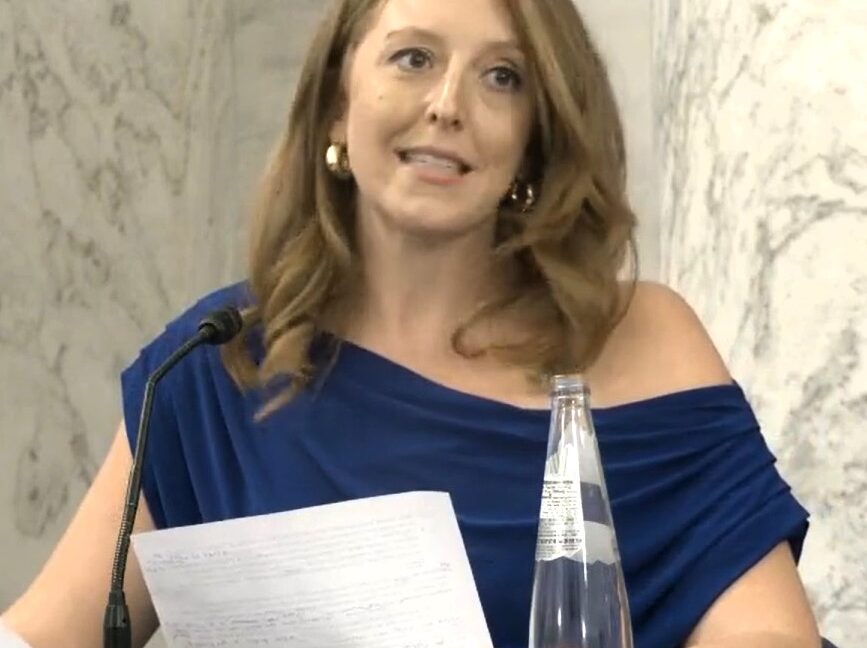
Casey Means, a potential nominee for Surgeon General, is reportedly without an active medical license and promotes alternative medicine, according to Ars Technica. These details emerge as her nomination faces Senate scrutiny, raising questions about her qualifications for a leading federal public health role. The Senate's confirmation process will likely delve into these aspects to ensure alignment with public health standards and expectations.

The Pentagon is demanding access to Anthropic's AI technology and threatening to invoke the Defense Production Act if the company does not comply, according to Washington Post Technology. This move highlights escalating government interest in private sector AI for national security and poses a significant challenge for the tech firm, bringing to the forefront issues of forced tech sharing and government authority.
A 13-hour AWS service disruption in December was reportedly caused by Amazon's Kiro AI tool, according to the Financial Times. Amazon disputes this, attributing the incident to "user error" and "misconfigured access controls" rather than AI autonomy, clarifying it was a brief event affecting only one specific service.
Android threats may be entering a new AI phase, according to Android Authority. This development suggests mobile malware could become more adaptive and sophisticated, challenging traditional security methods. While the precise AI models or real-time adaptation mechanisms are not detailed in the source, it underscores a critical evolution in the cybersecurity landscape for Android users and developers.
